The National Centre RUSSIA in Yugra hosts an international conference under the auspices of UNESCO
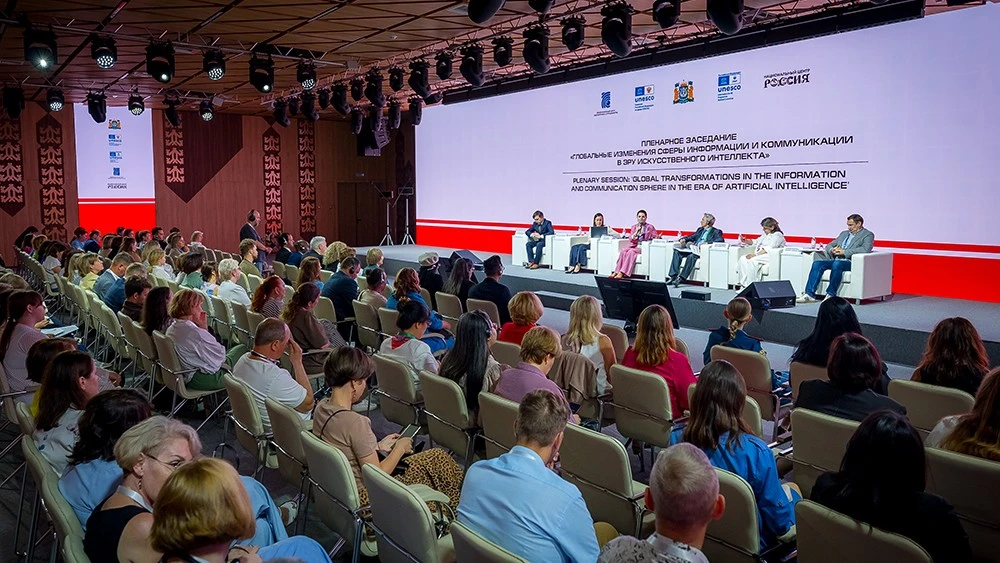
The VIII International Conference "Information and Communication in the Digital Age: Explicit and Implicit Impacts" opened at the National Centre RUSSIA in Yugra on 17 June under the auspices of UNESCO. The event launched the programme of the XVII International IT Forum, attended by representatives of dozens of countries and Russian regions.
The National Centre RUSSIA in Yugra has become one of the forum’s key venues. It is hosting events of the international UNESCO conference, as well as a separate cybersecurity track dedicated to modern digital threats, data protection and the security of the information environment. Participants are focusing on the impact of artificial intelligence on society, information literacy, the preservation of linguistic and cultural diversity in the digital environment, and the search for a balance between technological development and basic human values.
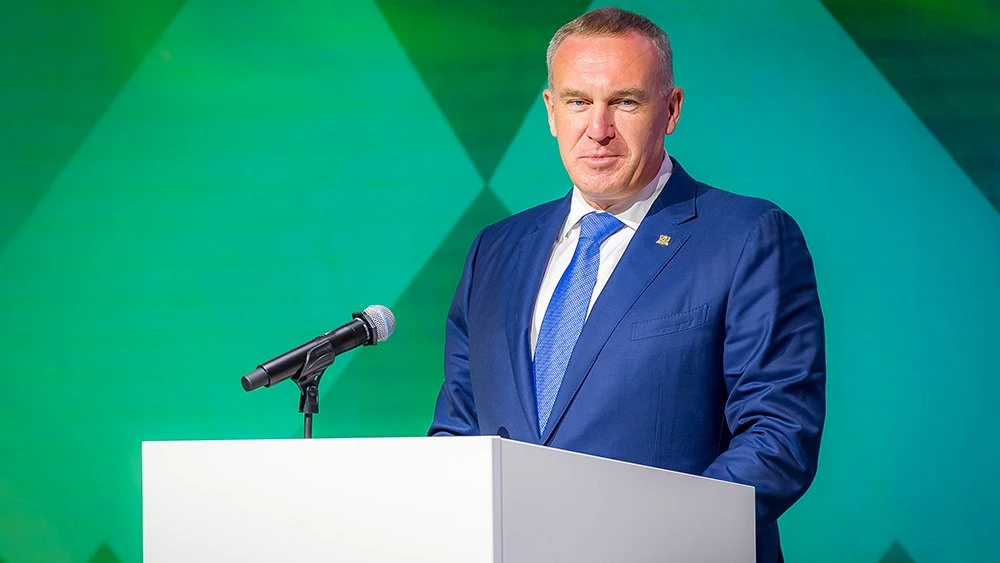
"Generative artificial intelligence, large language models and autonomous systems are rapidly entering science, education, culture and the creative industries. The pace of technological change often outstrips society’s ability to comprehend its consequences. That is why the theme of our conference is especially relevant today," the Governor of Yugra, Ruslan Kukharuk, noted.

Anastasia Parshakova, Chair of the Russian Committee of the UNESCO Information for All Programme, took part in the event. She noted that humanity is now facing a new challenge — an excess of information: "We are witnessing a transition from an era of information scarcity to an era of total abundance. The speed at which new data appears exceeds the human ability to comprehend it. The key question today is how to preserve meaning, reliability and, most importantly, humanity in this flow."
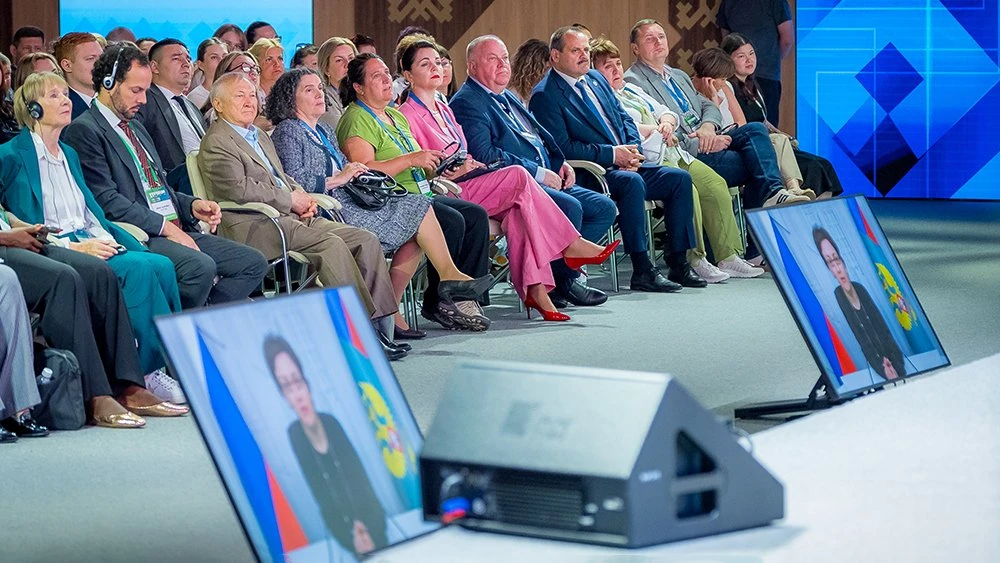
One of the important themes of the conference was the preservation of cultural and linguistic diversity amid digital transformation. For Yugra, this issue has practical significance: the region is developing digital solutions aimed at supporting the legacy of the indigenous peoples of the North. One such project is the Mansi language corpus, created for the study, development and integration of the language into modern digital services. Thanks to this work, Mansi became the first language of Russia’s indigenous minority peoples of the North available in Yandex Translate.
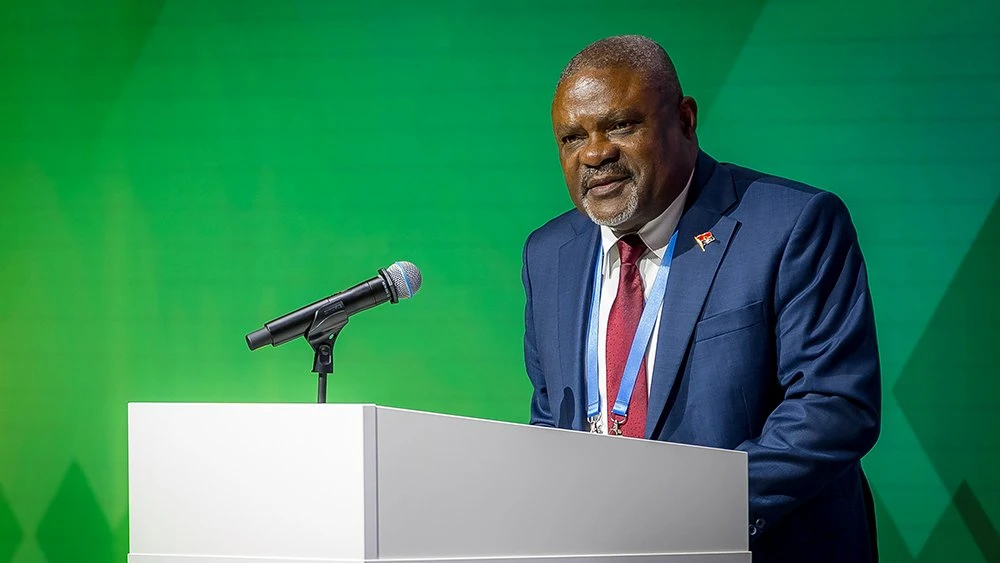
In his welcome address, Guilherme Canela, Director of the Division for Digital Inclusion and Policies and Digital Transformation at UNESCO, noted the importance of preserving linguistic diversity in the digital space: "There are still languages in the world that are barely represented in the global information space. Preserving multilingualism remains one of the key tasks of the digital age."
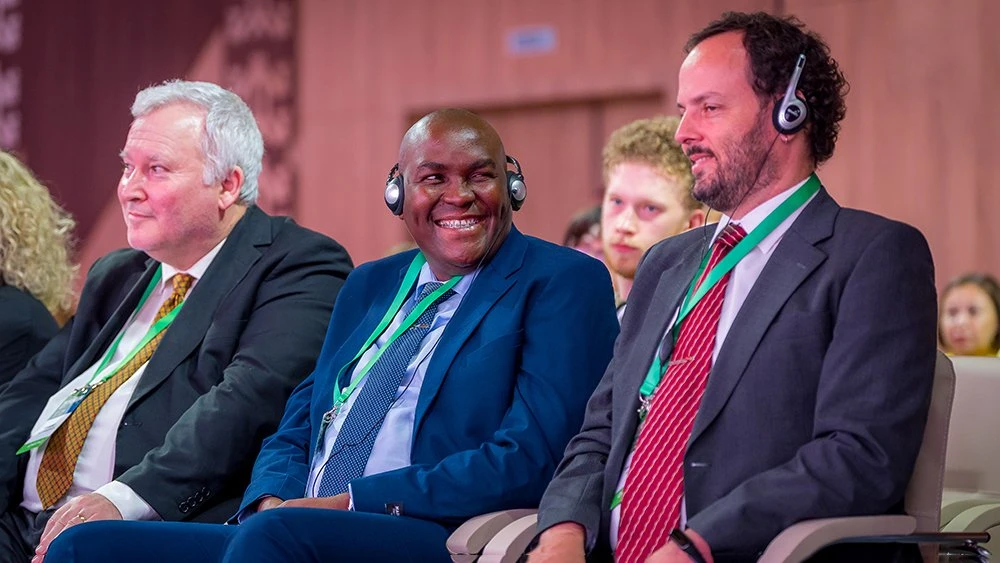
One of the central events of the first day was the plenary session "Global Changes in Information and Communication in the Era of Artificial Intelligence", where Russian and foreign experts are discussing the prospects and risks of AI development, the regulation of digital content, personal data protection and the preservation of critical thinking amid rapid technological development.
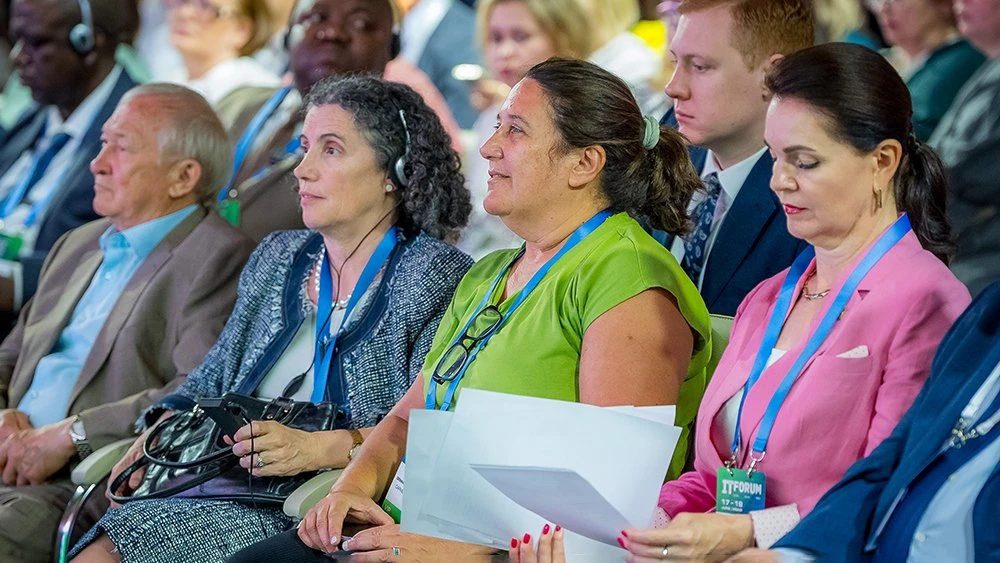
Over two days, the National Centre RUSSIA in Yugra will host plenary sessions, expert discussions and strategic sessions dedicated to artificial intelligence and the digital transformation of education. The programme will also cover the development of smart cities, data protection and international information security.
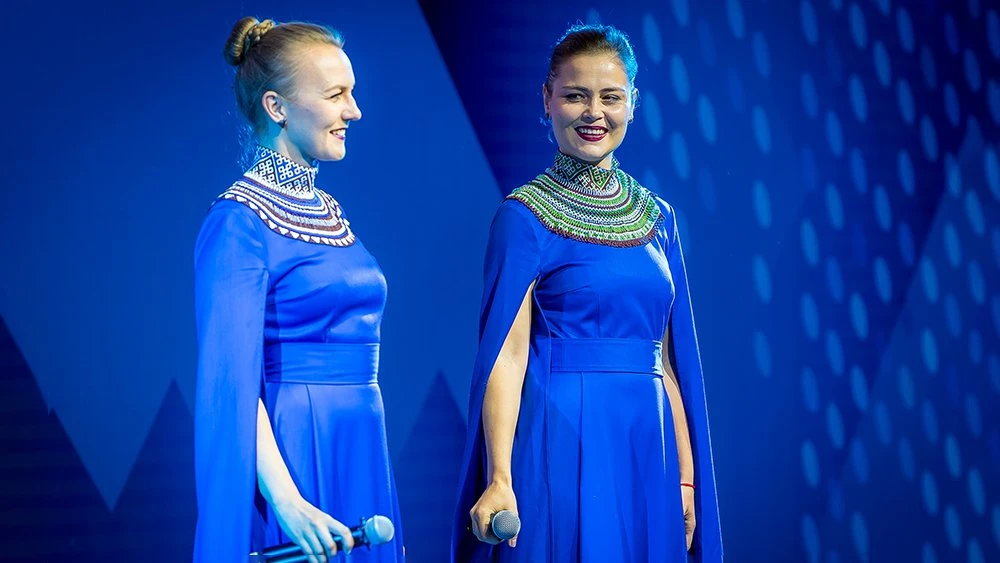
The conference is being held as part of the International Decade of Indigenous Languages and forms part of the UNESCO Information for All Programme, which marks its 25th anniversary this year. It is being held in Yugra for the eighth time and traditionally brings together specialists in technology, education, culture, science and communications from different countries.
Read news about the National Centre RUSSIA in Yugra on its official VKontakte, Odnoklassniki, MAX and Telegram accounts.
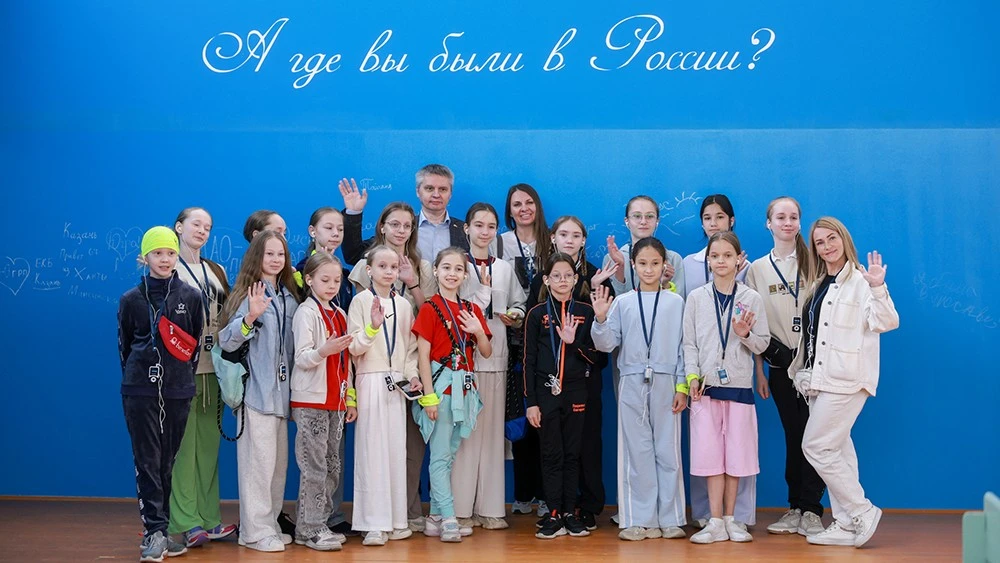
The participants in rhythmic gymnastics contests visited the "Geography Lessons" exposition and also shared their impressions of the branch of the National Centre RUSSIA in Yugra.