


Young journalists of the National Centre RUSSIA learn how content changes people
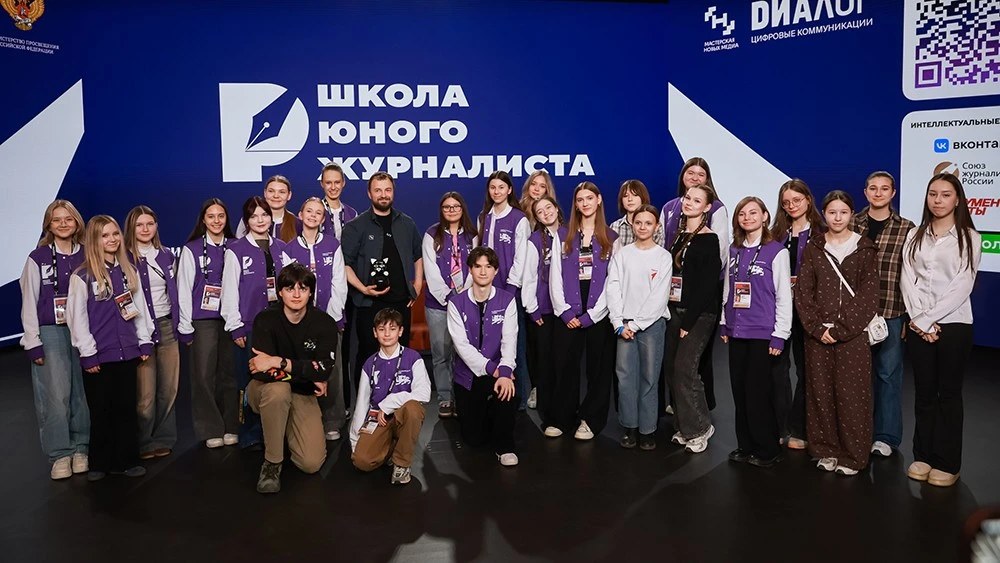
Today, media shape the thinking, values, and behaviour of people often more powerfully than schools, universities, or even families. This places a massive responsibility on the new generation of media specialists. This was discussed by Mikhail Kanavtsev, Vice-Rector for Media Education at the Senezh Management Workshop and Head of the New Media Workshop, during a masterclass at Young Journalists School in the National Centre RUSSIA.
The session on "Basics of Social Engineering" began with a key thought: journalists are people who literally shape the future of others. Using Boris Polevoy's "The Story of a Real Man" as an example, the speaker demonstrated that a powerful text and a human story are also media and tools of influence. He emphasised that in this story, what matters is not only the personal will of the hero but the chain of mutual influence: teacher — student — the next person to whom strength and example are passed.
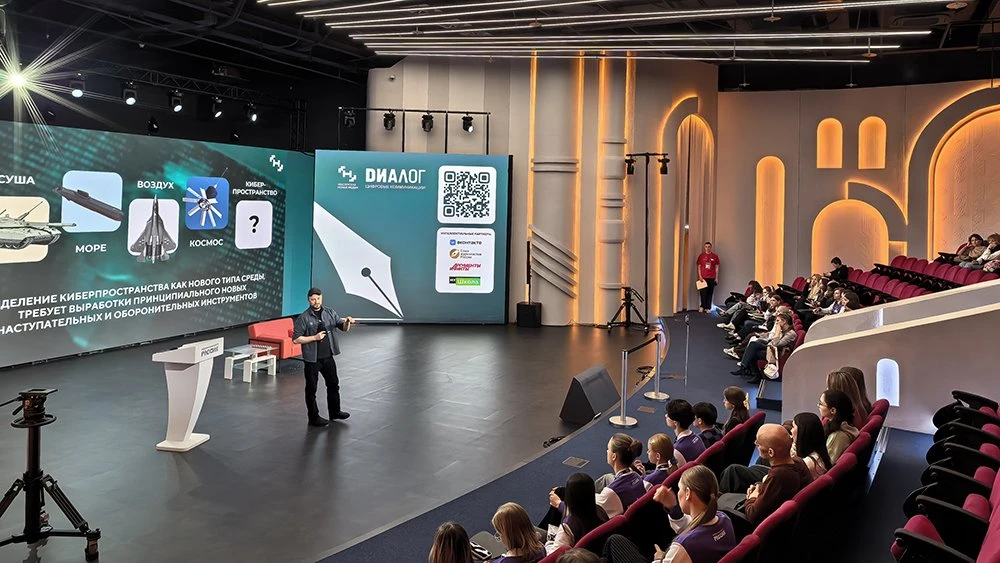
The theme of influence — both positive and negative — through the conscious and unconscious accompanied Mikhail Kanavtsev's entire presentation. A person processes a vast number of content units per day, from short clips to memes, and most of this flow is absorbed subconsciously: "It is not only what you have managed to comprehend that affects you. The background — the image, the music, the jokes, the memes — is subconsciously stored and begins to form attitudes and motivation. Memes are one of the tools of information operations. They seem like a joke, but step by step, they change attitudes and prompt actions".
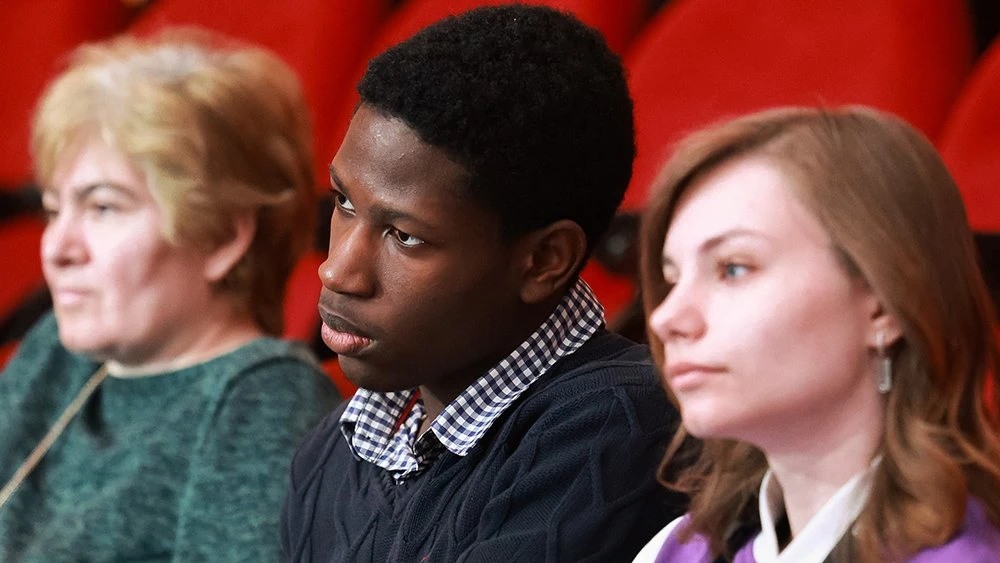
Using research from various countries as examples, the students learned that stereotypes and behavioural patterns are formed through humour and light visual content. Mikhail Kanavtsev formulated a simple chain: "thought — action — result". Content generates a thought, the thought turns into an action, and actions multiply into a social result. According to him, this is why the "environment" a person breathes — what fills their feed and habitual media space — is so important.
The expert dwelt in more detail on clip thinking. He reminded the audience that scrolling through a feed without a purpose is very harmful: a person becomes accustomed to a quick emotional reaction, losing the skills of analytical reading and concentration.
"Then a person opens a book, reads for 30 seconds, does not get a burst of emotion — and puts it aside. Yet a complex text is structured so that first you load the 'universe' — 20–30 pages, sometimes 80 — and only then do the real discoveries begin," the speaker specified.
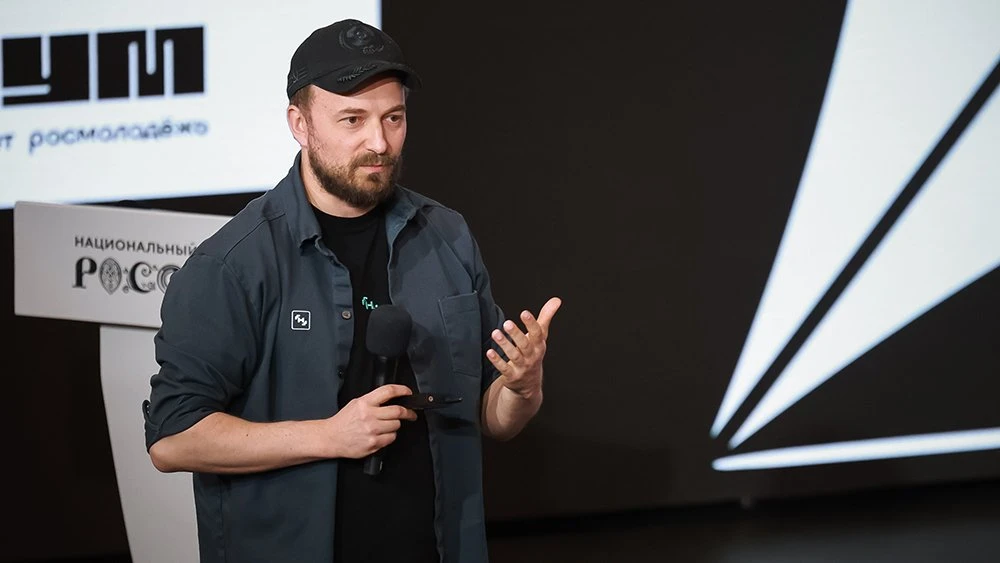
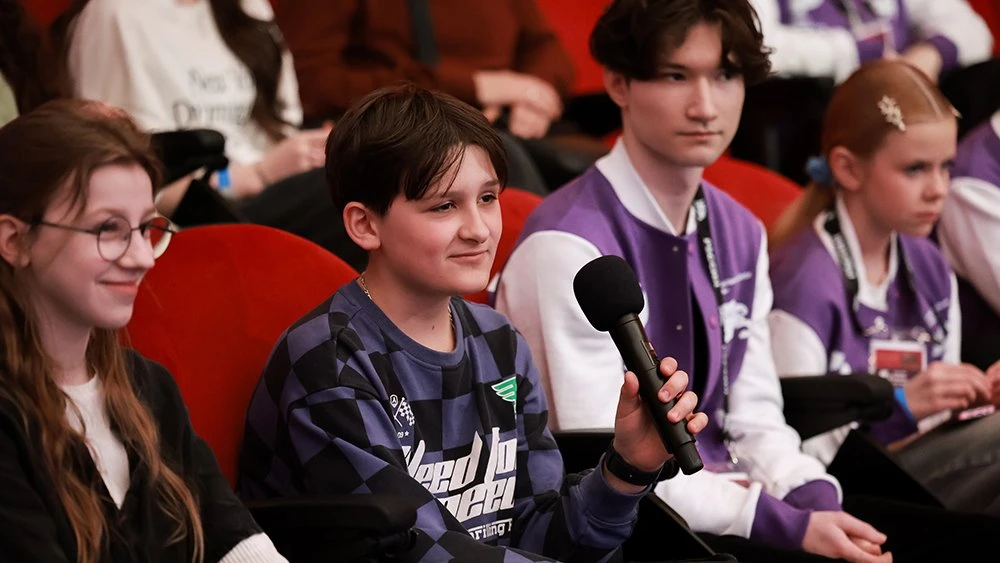
The young journalists also actively joined the conversation. For example, Anna Felimoshina enquired about the risks daily consumption of videos and images poses to the user and how to establish personal rules for media hygiene.
In response, Mikhail Kanavtsev said that it is impossible and unnecessary to leave the digital environment entirely, but it is important to consciously choose what to watch and what to spend attention on: "There is no need to delete the tools. You need to learn how to use them. Scrolling is fine when you have a goal: you have entered what you need and are looking for it. The strongest filter is your values. If you understand what is unacceptable to you, much is filtered out even before analysis".
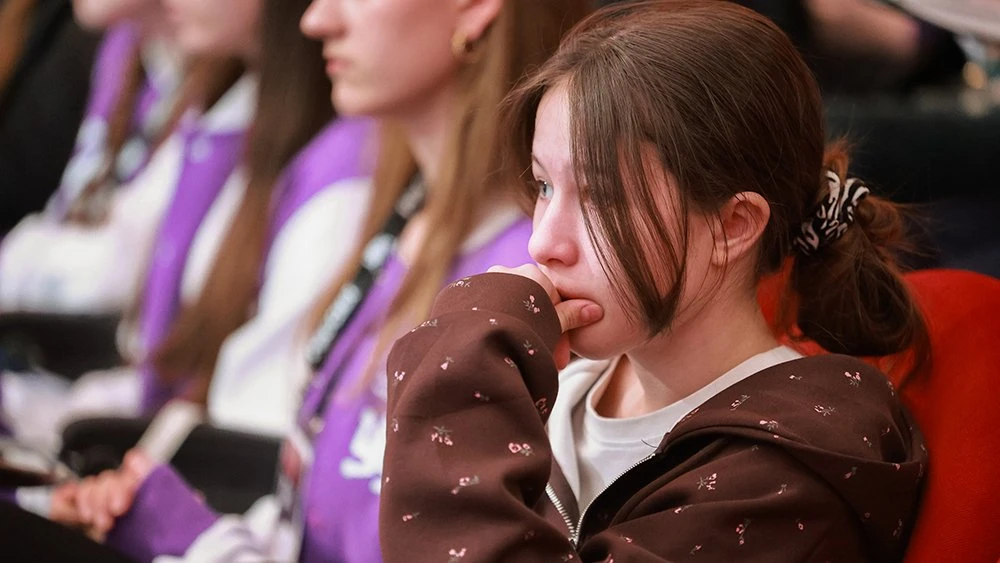
The master-meeting was part of the Young Journalists School programme — a multi-format project of the National Centre RUSSIA that helps teenagers gain relevant professional skills and competencies and form a talent pool for the media specialists of the future. The project is implemented by the National Centre RUSSIA together with the Movement of the First with the support of the Ministry of Education of the Russian Federation.
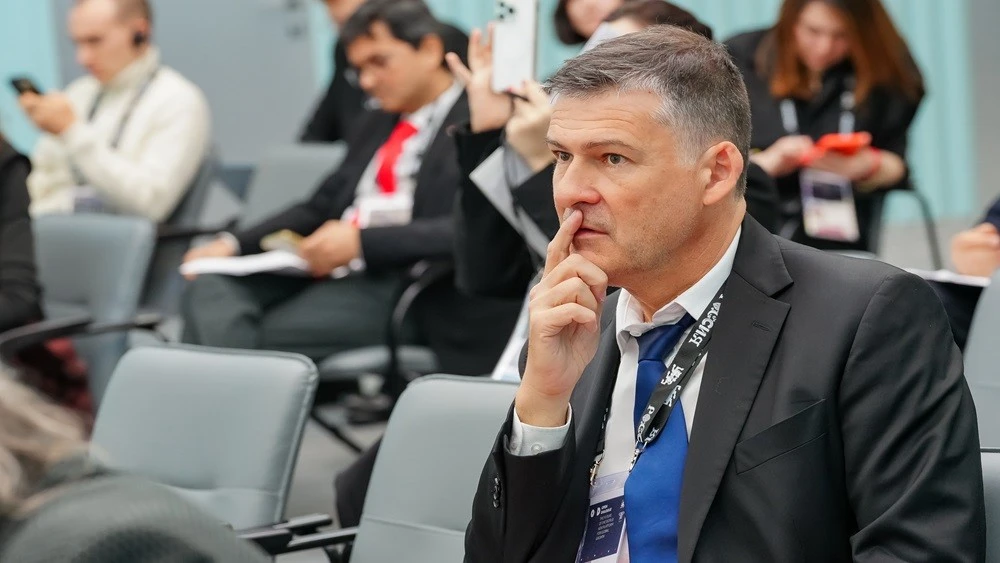
The similarity of cultures prevents Europeans from feeling like strangers in Russia a participant of the II Open Dialogue.
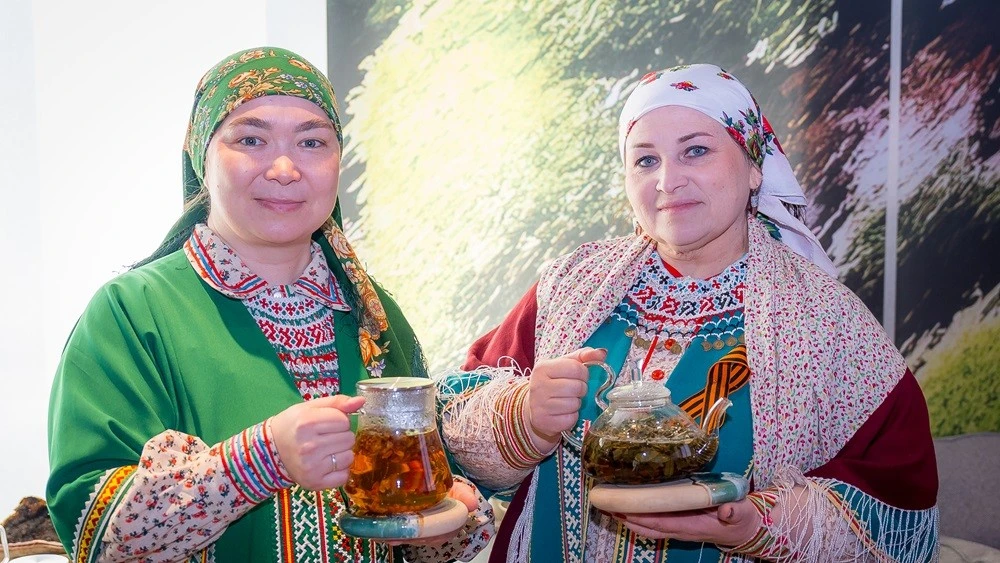
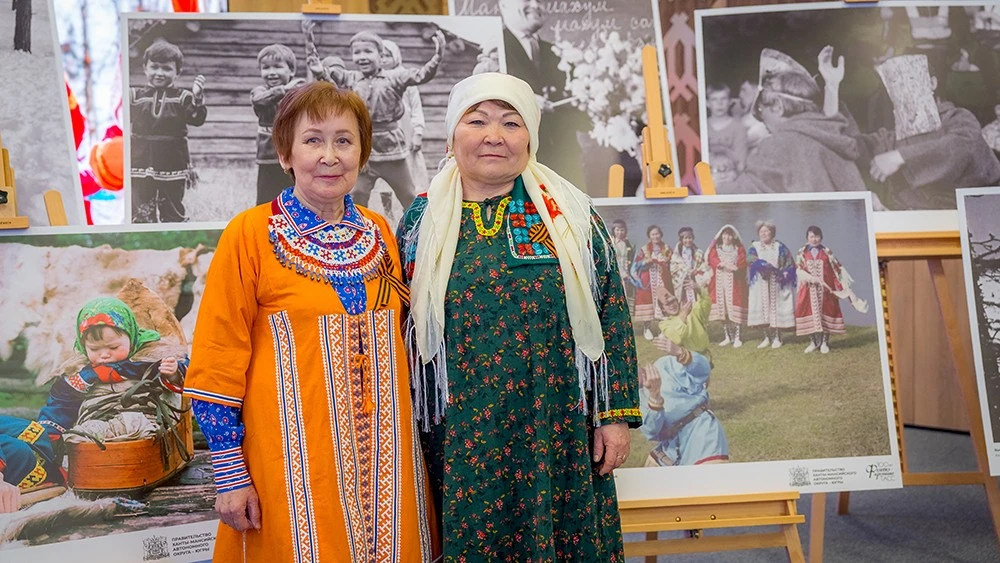
Staff from the "Torum Maa" open-air ethnographic museum held a tasting of herbal blends.


