


Young journalists discover how a trusted media outlet works
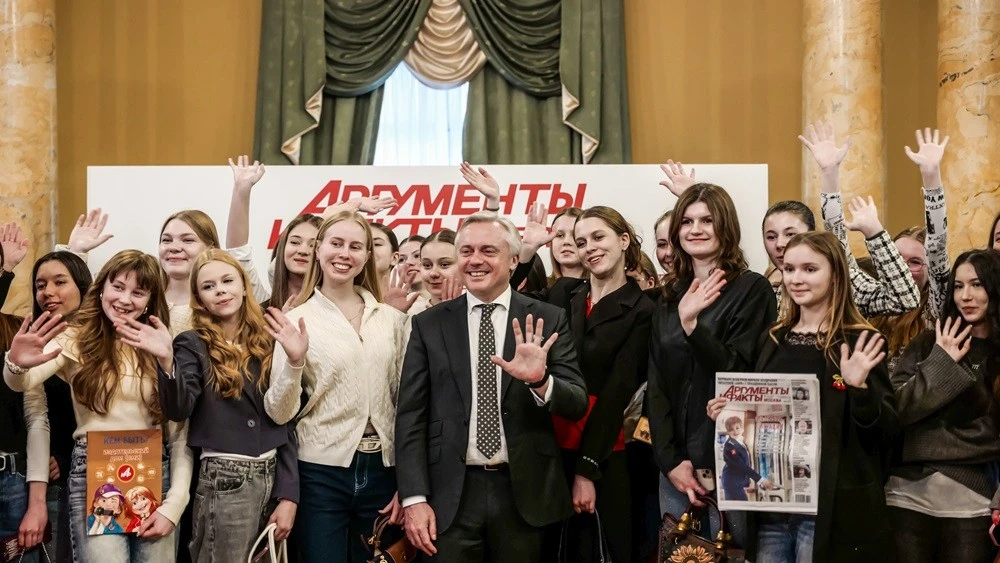
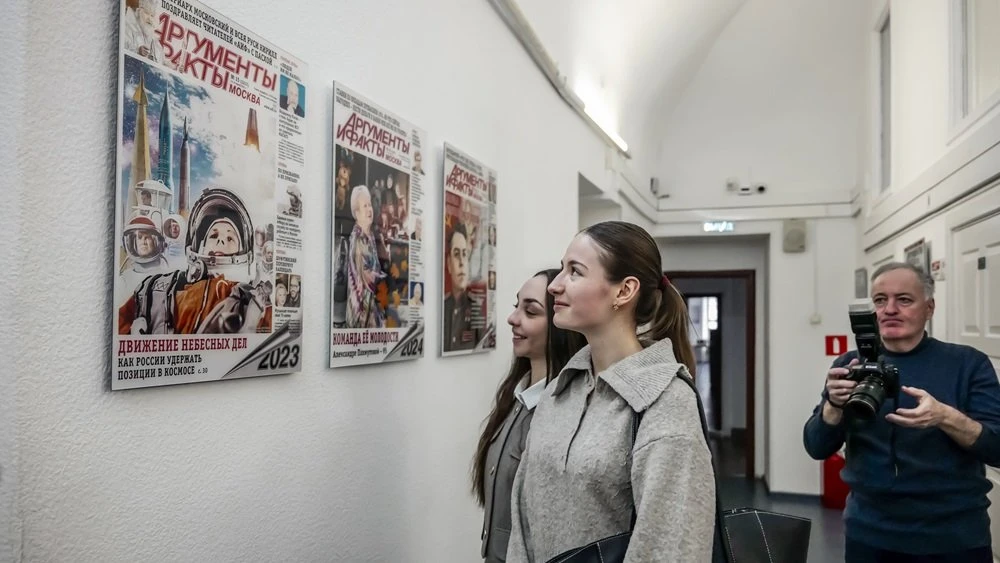
Students of the Young Journalists School at the National Centre RUSSIA learned how front pages are created, podcasts are recorded, and multimedia content is produced. The group visited a historic mansion on Myasnitskaya Street — the headquarters of the publishing house Argumenty i Fakty (Arguments and Facts), where Alexander Griboyedov once wrote and read "Woe from Wit" to Moscow audiences. Today, it is home to one of the most well-known Russian media outlets.
At the start of the visit, the young journalists were introduced to the history and mission of Argumenty i Fakty. The newspaper has been published since 1978 and, in 1990, entered the Guinness World Records as the publication with the largest circulation — more than 33 million copies, reaching over 100 million readers. Today, Argumenty i Fakty is Russia’s largest socio-political weekly, distributed in more than 60 countries and remaining one of the most cited Russian media outlets.
The participants learned what sets Argumenty i Fakty apart from others. They were told about its signature question-and-answer format and the wide range of topics it covers — from politics and economics to culture and medicine — as well as how the publication combines its traditional print edition with digital projects, including its website, social media, regional editions, podcasts, and video.
After the tour of the mansion, the students had the opportunity to speak with the Director General of Argumenty i Fakty, Ruslan Novikov. Answering a question about the main purpose of the media, he noted that the role of journalism is not only to create content but also to distribute information that is honest and meaningful for people.
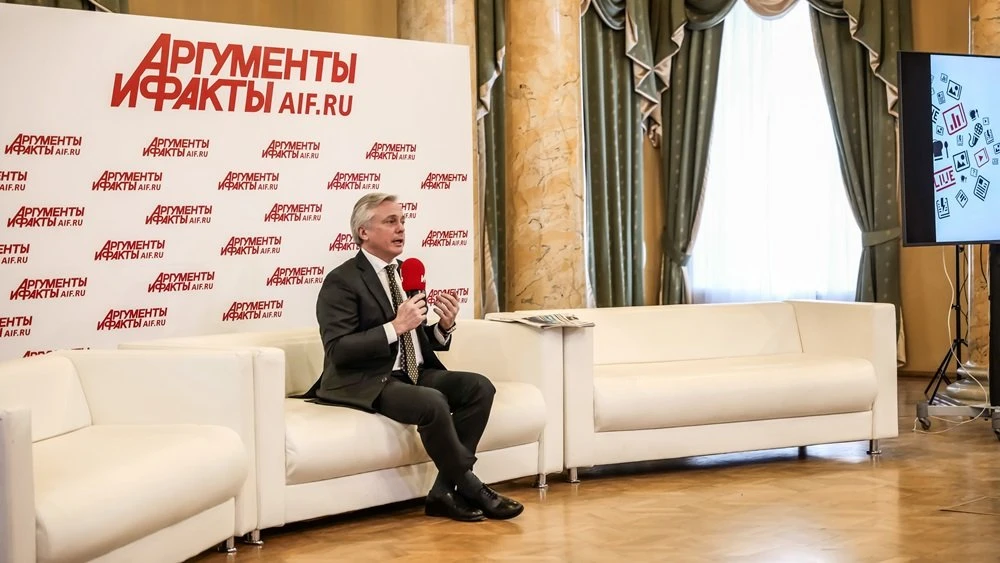
"Our goal is to communicate with the reader and tell the truth. We do this in a way that makes people come back and never feel misled. We maintain loyalty through verified information," said Ruslan Novikov.
He recalled that readers once used issues of Argumenty i Fakty when appealing to government authorities to defend their rights. The Director General added that the future of journalism depends on how responsibly the new generation treats facts and audience trust.
The discussion also touched on the growing popularity of vertical video and the future of print media. The students learned about working with audiences and making professional choices. According to Ruslan Novikov, media professionals are "bound" to read and watch far more than others, and without reading books a journalist quickly becomes irrelevant: "Read books — it is the only thing that truly develops intellect. Everything else is secondary: music, cinema, podcasts."
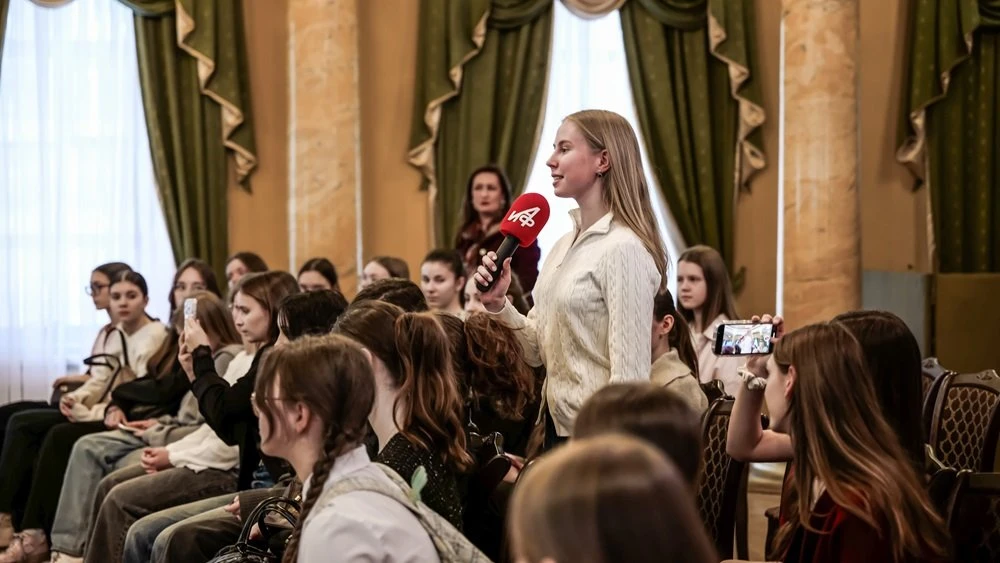
Ruslan Novikov described as one of the best a question about the future of print media in the regions, asked by Anna Galkina from Kolomna. She noted that a local newspaper in her city had closed and asked what had caused this and whether the situation could be changed. For her interest and precise wording, she received a book about the publishing house as a gift.
"It was important for me to hear a professional perspective on print media. I am preparing for journalism contests, and the topic of newspapers is gradually returning. Today I saw that print media is alive if it understands its audience and communicates with it honestly," said Anna Galkina.
Deputy Editor-in-Chief of Argumenty i Fakty, Vladimir Shushkin, explained how to produce podcast content, shared insights into successful interviews, and spoke about selecting topics, what distinguishes a strong question from a formal one, how to maintain readers’ trust, and how to remain clear and accessible to a wide audience.
Participants noted that such a thorough approach to journalism and the high standards expected of media professionals did not intimidate them.
"Of course, it inspired me. If you love what you do, there is no room for fear. Today it was very interesting to visit such a beautiful mansion and see from the inside how the editorial office works. At home, we have always read Argumenty i Fakty, so I know this publication very well. It is great that newspapers remain in demand," said Young Journalists School participant Yekaterina Kocheshkova.
The visit to Argumenty i Fakty took place as part of the Young Journalists School programme, implemented by the National Centre RUSSIA in partnership with the Movement of the First and with the support of the Ministry of Education of the Russian Federation. The project helps teenagers get acquainted with leading Russian media, gain practical skills in working with text, photo, and video, and see how modern journalism operates from the inside.
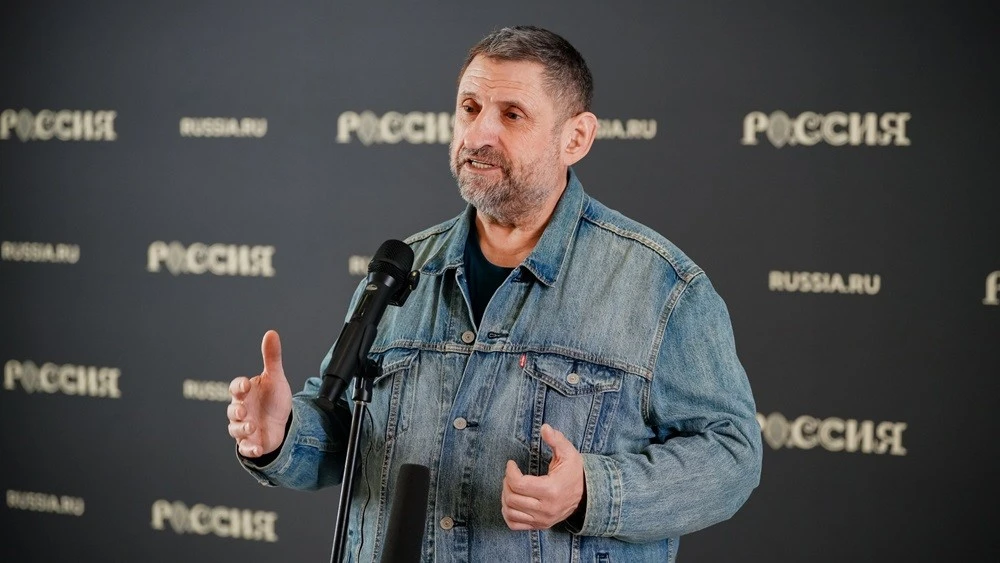
The guest shared several pieces of advice that will be useful in their future profession.
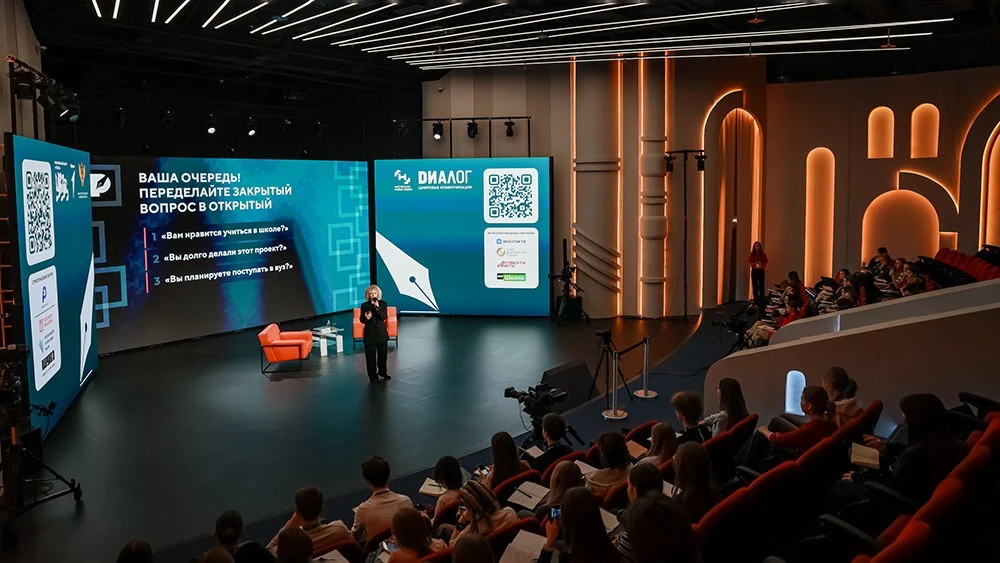
An interview is not just a friendly conversation, but a structured exchange with a clear purpose.
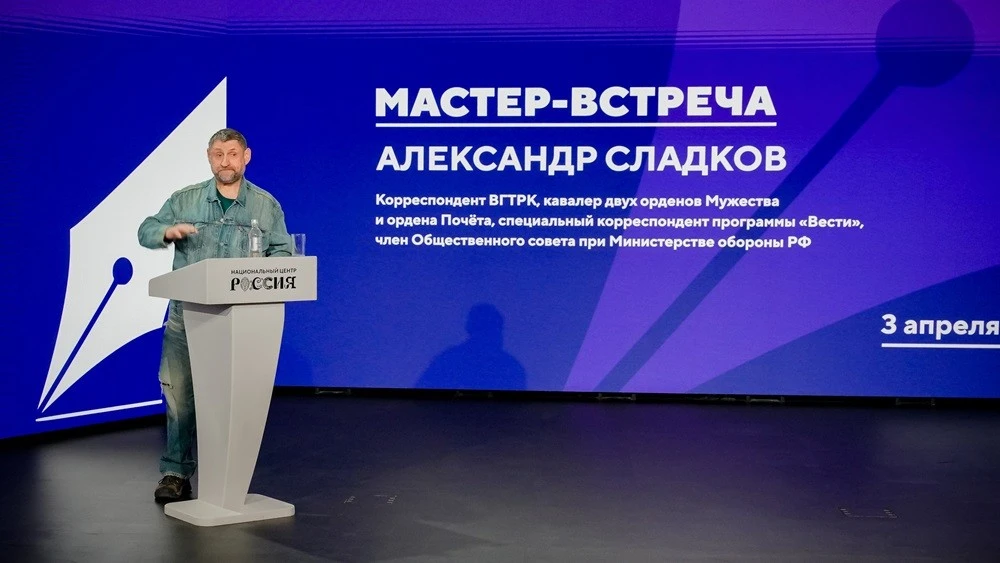
The meeting took place as part of the Young Journalists School programme — an original project of the National Centre RUSSIA.


