

How teenagers see the future: VCIOM analytical centre studied young generation's ideas based on video essays

VCIOM analytical centre, together with the National Centre RUSSIA, has presented the results of a study based on analysis of works by participants in the All-Russian video essay contest "Dreams of the Future." Teenagers were asked to express their vision of the future in video format, drawing on works of Russian science fiction.
The awards ceremony for competition winners takes place on June 1. Analysts examined essays created in a similar format, 80% of which were made by participants aged 14 to 16, with another 20% by teenagers aged 17-18. The geography of the works covers all federal districts of Russia, including new regions.
Works by Alexander Belyaev were mentioned most frequently in competition video essays (31% of works), followed by the Strugatsky brothers (20%) and Ivan Yefremov (13%). The most cited works were "The Amphibian Man" (14%), "Roadside Picnic" (9%) and "Andromeda Nebula" (8%).
VCIOM analysts identified five "ideal types" of representations of future society that can be traced in participants' works. Technocratic (43%) and communitarian (25%) models were most popular.
Technocratic societies are built on faith in scientific and technological progress and emphasise ethical-technological values. In such worlds, the main threat is losing control over technology, whilst key heroes become innovators, progressors and harmonisers — those who set positive trends, manage change and help society find balance between technology and the social sphere.
Communitarian societies, comprising a quarter of all descriptions, are based on humanistic values. In these models, technology is subordinated to ethical ideals and directed towards maintaining social cohesion. Possible threats include increasing inequality and social fragmentation arising from thoughtless application of technology. Heroes here are idealists, innovators and reformers.
17% of works describe individualistic scenarios for the future. In such societies, technology promotes personal growth, helps preserve autonomy and is used for communication. However, when misused, there is a risk of dehumanisation and loss of personal freedom. Central characters are idealists and harmonisers.
14% of contestants chose ecocentric models of the future, which prioritise ecological values. In these societies, technology serves as a tool for preserving natural balance and sustainability. Threats include climate catastrophes, resource depletion and loss of biodiversity. Heroes become innovators and harmonisers.
Theocratic models of the future are practically unrepresented in competition works — only 1% of participants chose them.
The study was conducted from May 7 to 22, 2025. Its results demonstrate what values and orientations teenagers embed in their vision of tomorrow, and on what foundations, in their opinion, the society of the future should be built.
The "Dreams of the Future" contest has become part of large-scale work to engage young people in contemplating the future and popularising science fiction as a form of creative thinking.
More than 4,000 teenagers from all regions of Russia participated in the creative contest. School pupils and students aged 14 to 18 presented video essays in which they reflected on the future through the lens of classic and contemporary science fiction works.
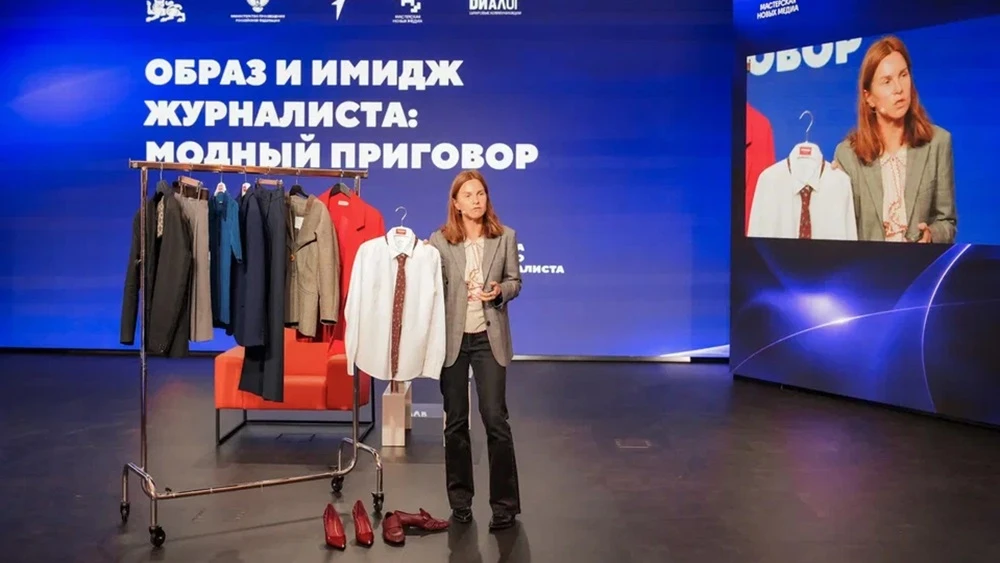
A journalist's appearance builds audience trust and shapes the face of modern media.
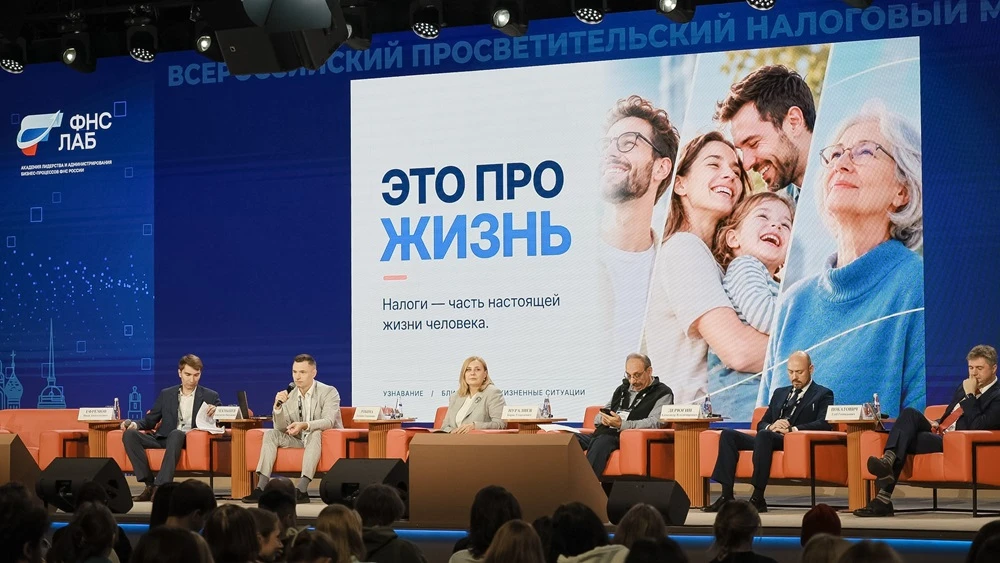
The event brought together young people, anyone seeking a better understanding of taxation, and representatives of government, business and professional communities.