


"BRICS Melody" brings together musicians and experts from different countries at the National Centre RUSSIA
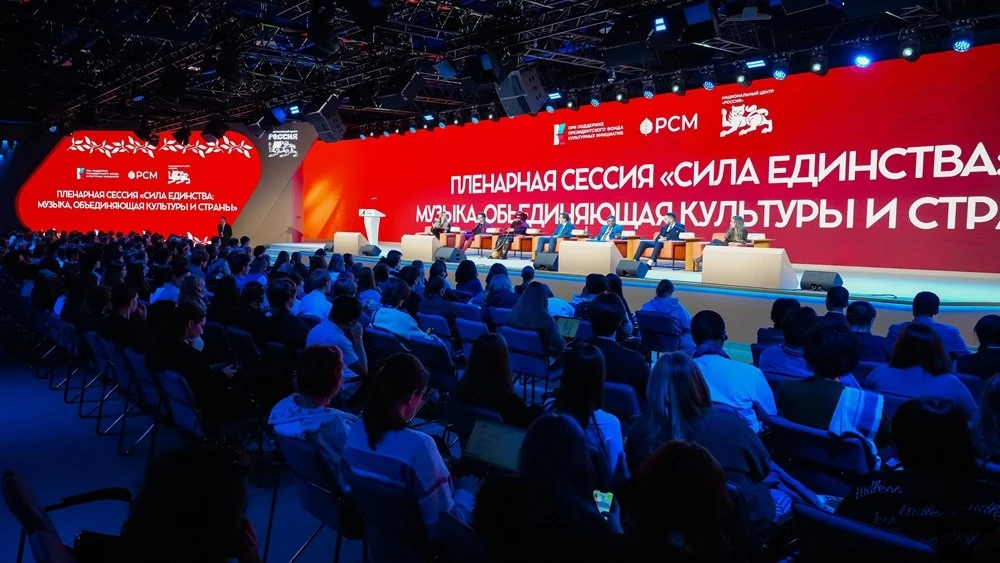
The Moscow stage of the international project "BRICS Melody" has launched at the National Centre RUSSIA. The central event was the opening of the business forum "BRICS Countries: Traditions and Intercultural Dialogue". The project aims to showcase the richness of the member states’ musical traditions and to create sustainable mechanisms for professional cooperation among musicians, educators, producers, and cultural institutions.
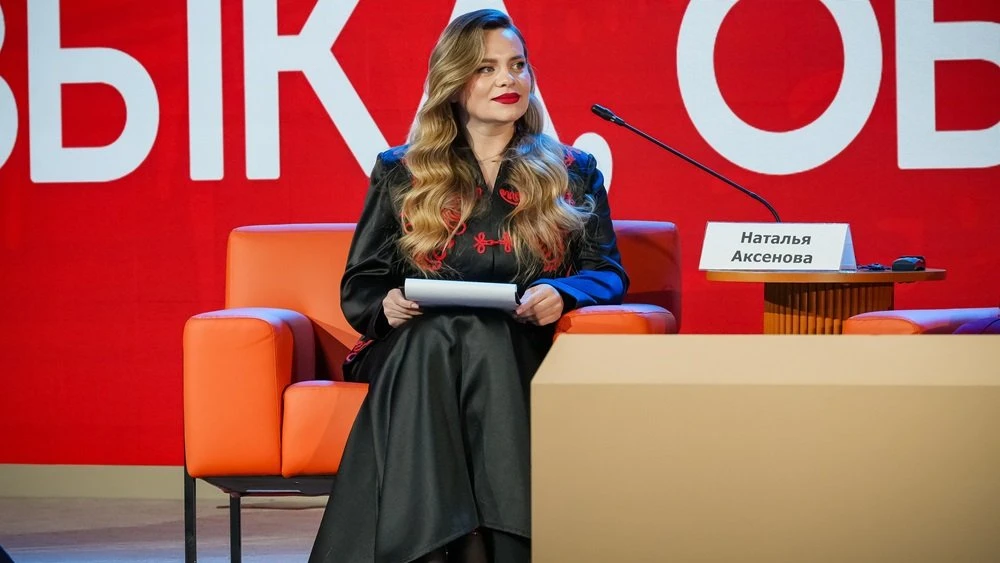
The key event of the forum was the plenary session "The Power of Unity: Music That Brings Cultures and Countries Together". It was moderated by the Head of the "BRICS Melody" project, Natalia Aksyonova. During the discussion, representatives of the diplomatic corps, public authorities, and cultural figures addressed a wide range of issues — from concrete initiatives to promote national cultures abroad to the need to establish a permanent communication platform for BRICS cultural professionals.
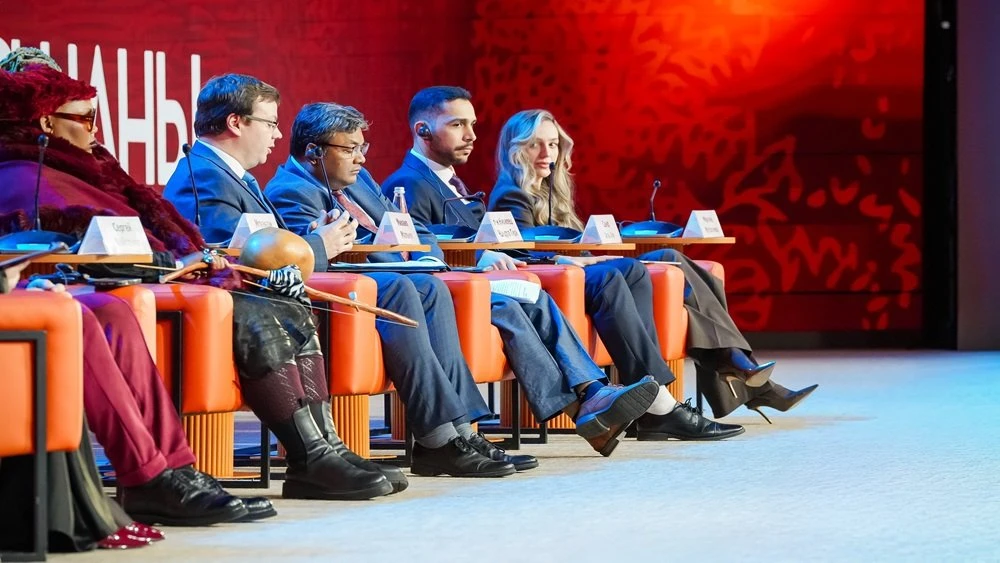
"The business forum has become no less important a milestone for us than the festival itself. We deliberately structured the programme so that live sound and emotion would be followed by a professional discussion: how to preserve traditions in the age of globalisation, how to integrate folklore into educational standards, and how to promote ethnic music on digital platforms. The results exceeded expectations. The plenary discussion showed that we agree on the main point: without unity, there is no development. But what forms the foundation of this unity? Traditional music performed across different continents. Therefore, the outcome of our plenary session is clear: supporting cultural bridges is just as important as developing trade corridors. I propose that this be reflected in the final document," said Natalia Aksyonova, creator and head of the "BRICS Melody" project.
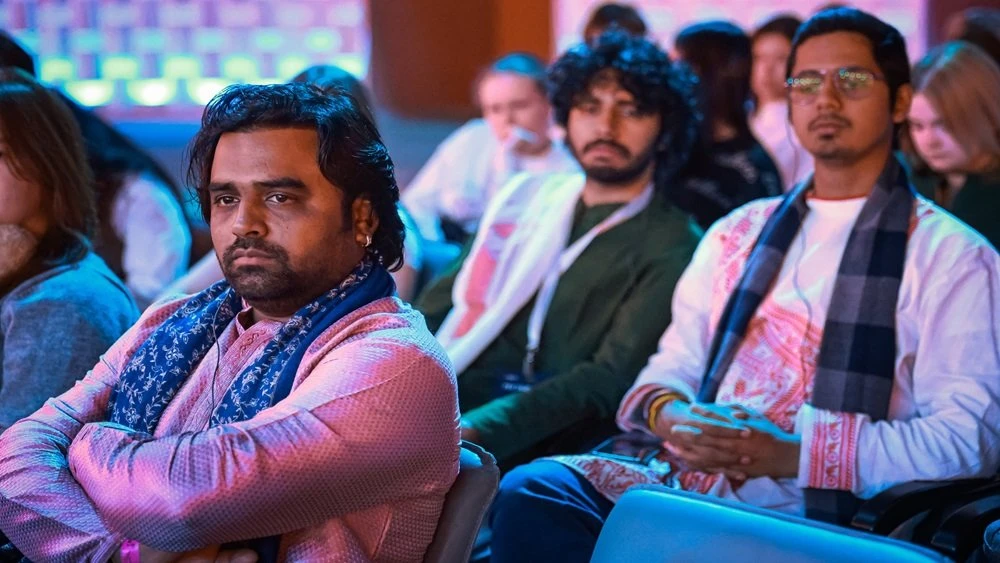
An important track of the forum was the panel discussion "Music as a Tool of Intercultural Dialogue". Participants demonstrated through specific examples how the abstract mathematics of South Indian rhythms, the philosophy of Sundanese gamelan, and Russian folklore in theatrical productions resonate with international audiences and become bridges between cultures.

The congress hall hosted the panel discussion "Folk Culture in Professional Music Education: Traditions, Competitive Advantage, and Career", which brought together rectors, professors, and practitioners from Russia, China, and Egypt. Speakers discussed why mastery of folk repertoire is still often perceived in professional circles as optional rather than as a competitive advantage, and what changes in federal educational standards could turn folk culture into a career driver for young musicians.
The forum also featured the talk show "Ethnic Music in the Charts: Why Traditional Motifs Sound Contemporary Again?" The focus was on the dilemmas faced by ethnic performers today: whether to sacrifice authenticity for commercial success, how to build relationships with major brands, and what it means to be "folk" in the age of short vertical videos.
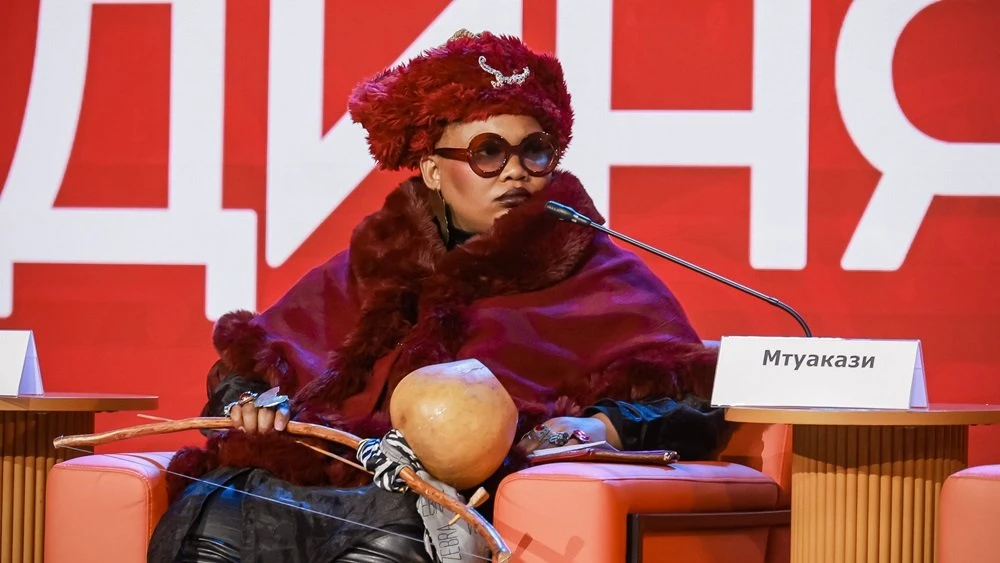
Sofya Ernst, co-founder of the Istok Cultural Centre, highlighted the depth and expressiveness of Russian folklore, which goes far beyond the familiar balalaika and accordion.
"Folk music is a medium through which important meanings are conveyed. Alongside well-known instruments such as the balalaika and accordion, there are also rarer ones — for example, the kalyuka and other wind instruments that allow musicians to paint landscapes with sound. Our ancestors were very close to nature, which is why in our projects we use the sounds of wind, birds, whistles, and even the rhythm of hooves to immerse listeners in an atmosphere. Each song becomes a small performance through which the musician tells a unique story, expressing what they feel, see, and hear, and conveying their cultural identity. It is important for us to use modern technologies without losing these meanings, so that we can help reveal them," said Sofya Ernst.
Media manager, film producer, and Director General of the Moscow Concert Organisation "Moskontsert" Ilya Bachurin noted that the era of pure electronic music is coming to an end and is being replaced by reinterpreted ethnic sound.
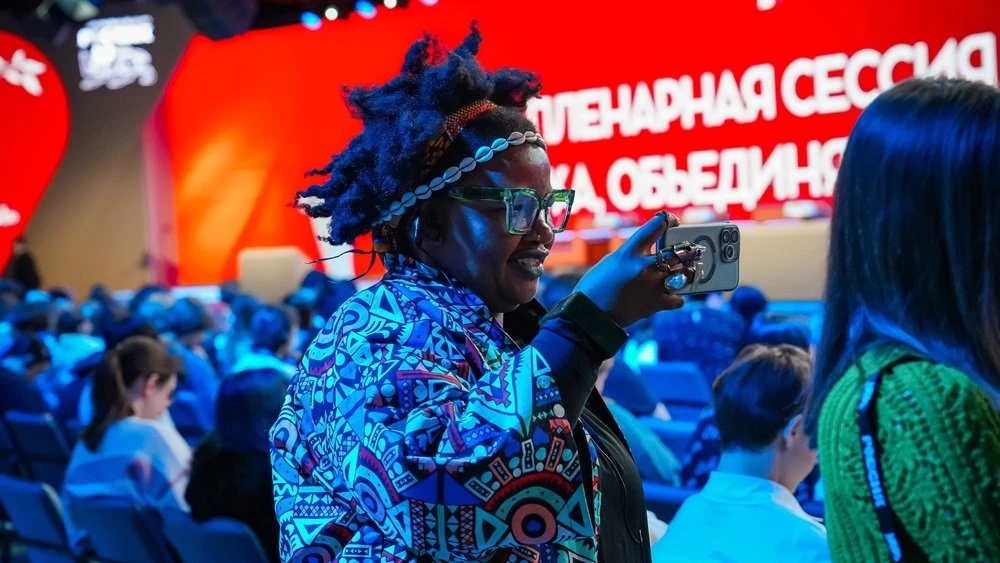
"At the end of the last century, a vast amount of electronic music emerged, and people rushed to explore new possibilities of sound production, samples, and structures. But today that era is drawing to a close: people are missing colour, the world has changed, and it demands a different form of expression. That is why those who are truly inspired begin searching for answers in ethnic motifs. It is a vast foundation on which entirely different musical forms can be built. The combination of ethnic music with classical and electronic elements opens up unique possibilities, becoming a source of new creative energy, inspiration, and musical beauty, which is increasingly present around us," said Ilya Bachurin.
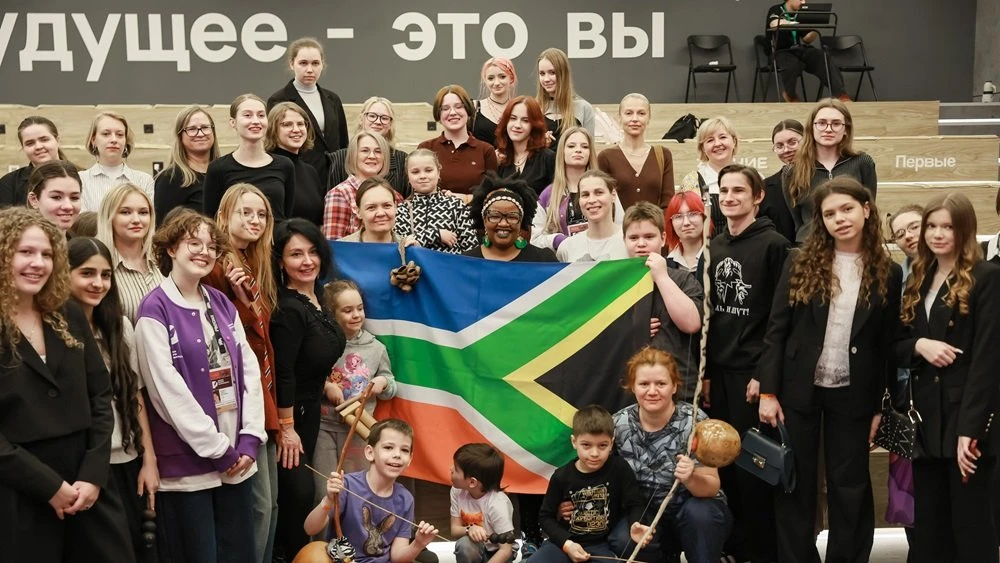
At the Space of Opportunities of the National Centre RUSSIA, a series of practical masterclasses was held by international guests: Brazilian musicians Marcos Lami and Kadu Galvao introduced participants to the rhythms of the pandeiro and zabumba; Ntomb’Yelanga presented African bowed instruments; Iranian musician Reza Dezaipur shared the secrets of traditional percussion; and the Indonesian ensemble Sanggita explored the philosophy of Sundanese classical music.
The key idea of the forum is that traditional music is not a museum exhibit, but a developing system capable of serving as an effective tool of soft power, strengthening mutual understanding between peoples, and at the same time becoming a resource for contemporary creative and business projects. The project is organised by the Ulyanovsk Regional Branch of the Russian Youth Union together with the National Centre RUSSIA, with the support of the Presidential Foundation for Cultural Initiatives. The business programme is co-organised by the project office for international youth cooperation "Russia — BRICS", operating on the basis of the Creative Industries Foundation of the Ulyanovsk Region.
Event photobank
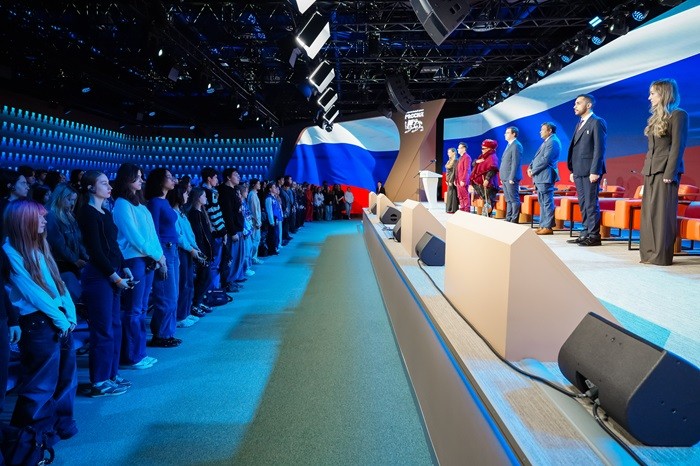

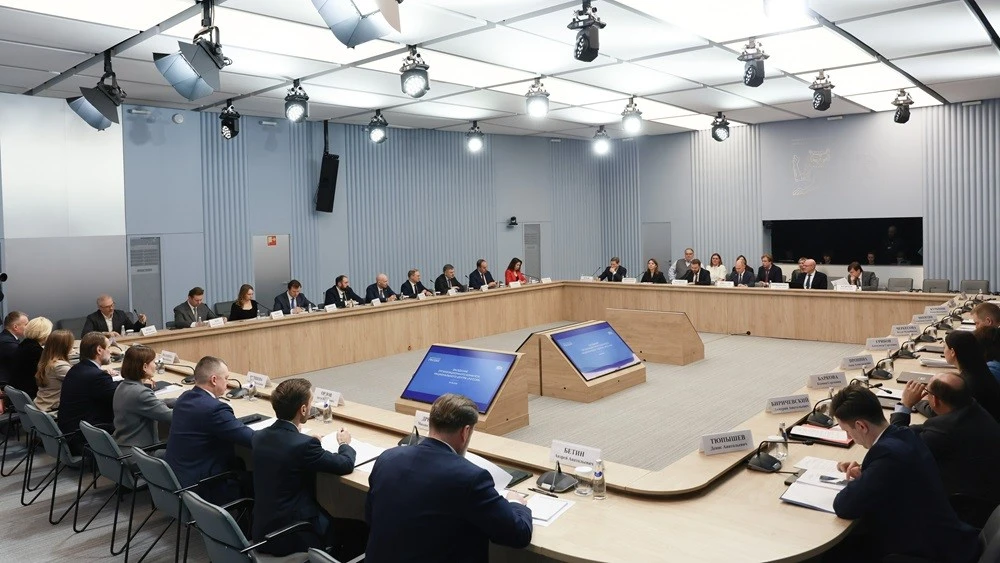
The most important priority for the National Centre RUSSIA is meaningful content.
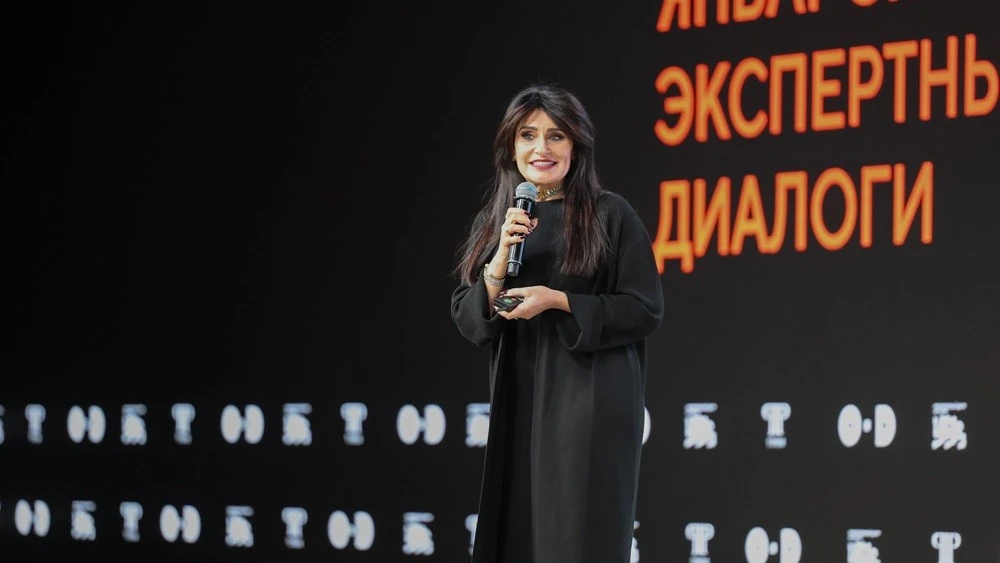
At the Open Dialogue, the speaker will present her vision of how to prepare people and institutions for a world in which uncertainty becomes the norm.
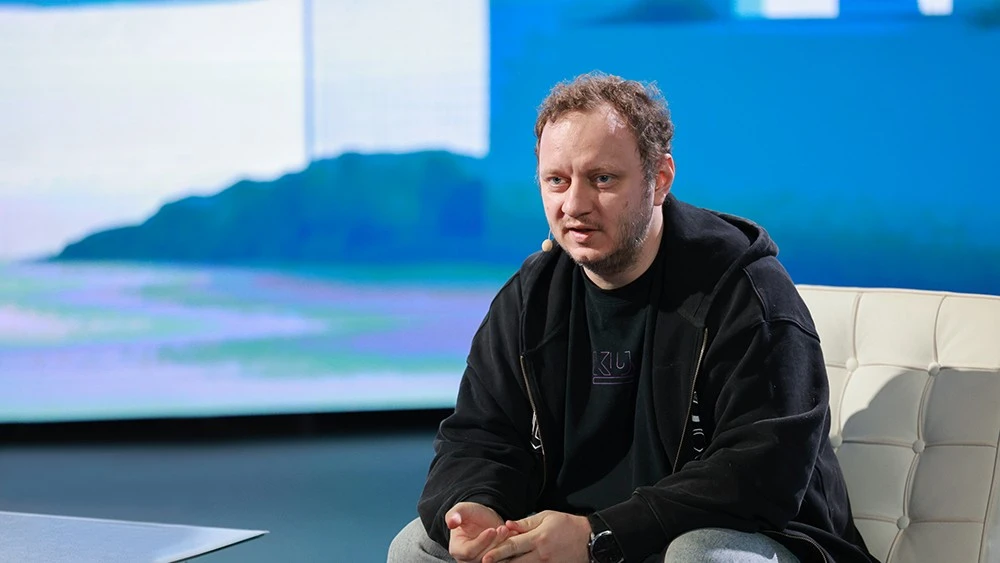
In the podcast "Russia Speaks", Andrei Konyaev explained why science communication is important.


