


"The Formula of a Hero" discussed at the National Centre RUSSIA
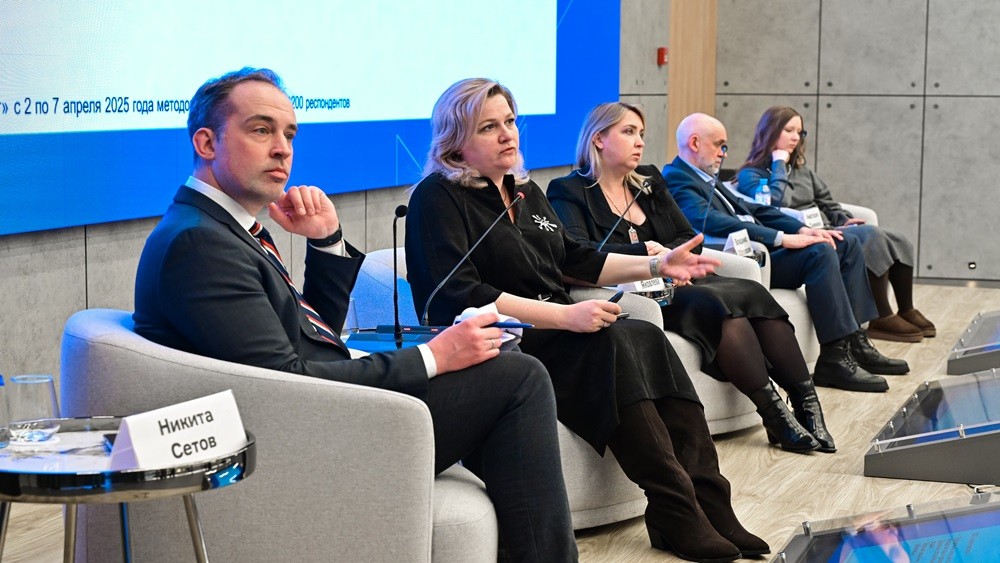
Heroes today are not only defenders of the Fatherland, but also those who accomplish feats through daily work and service: volunteers, mentors and teachers. On 25 February at the conference room "Space of Opportunities" at the National Centre RUSSIA, participants in the panel discussion of the Expert Institute for Social Research "The Formula of a Hero" discussed the nature of heroism and how and where to speak about the heroes who live among us.
Anastasia Snezhkina, Executive Editor of the Editorial Department at the ANO "Internet Development Institute", spoke about the expertise accumulated in shaping heroic images and storylines that resonate with audiences, as well as about the competition between Russian characters and global content.
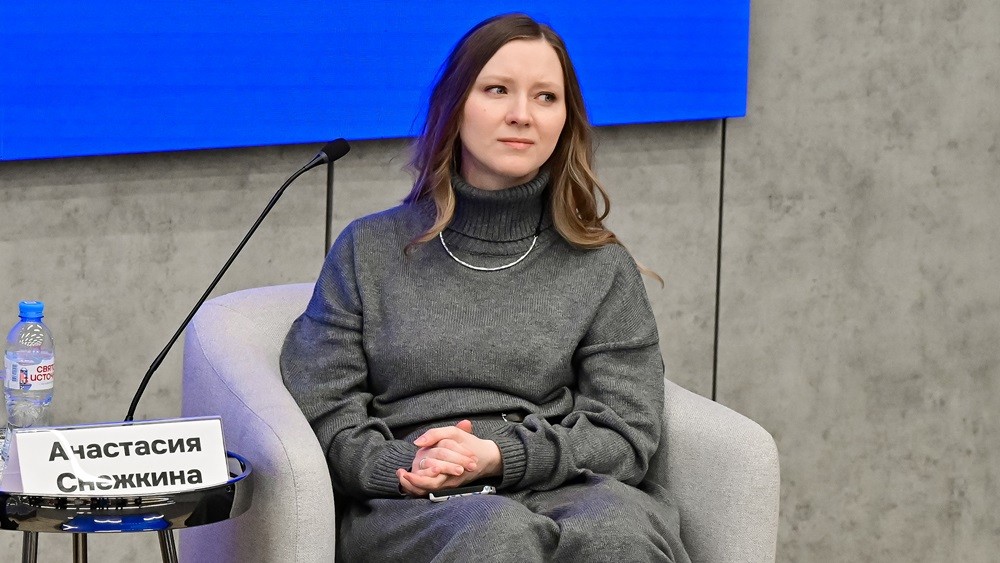
"We are observing a trend in which labour heroes are coming to the fore: teachers, doctors, politicians, scientists. True professionals in their fields, ready to sacrifice their comfort, well-being and personal achievements for the common good. The Internet Development Institute also unquestionably devotes special attention to projects on military themes. We see a distinctive feature of Western heroes in the emphasis placed on exceptionalism and egocentrism. The hero is special, unlike everyone else, surpassing others in strength, intellect or superpowers. Whereas in our case there is now a shift towards humanity and relationships, the ability for self-sacrifice and work for the benefit of others," Anastasia Snezhkina noted.
Yulia Ablets, Deputy Director General of the ANO "Dialogue Regions" and founder of the New Media Workshop, presented media analytics data, highlighted the existence of a public demand for heroes and recorded audience interest in images of "ordinary" people performing significant deeds.
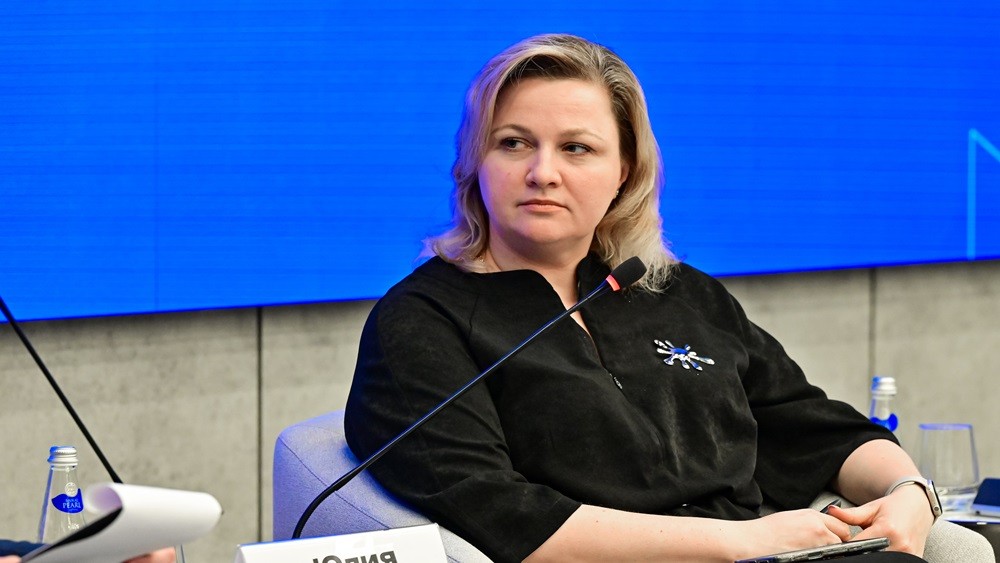
"Today the demand for heroes goes beyond a single sphere — society wants to see examples in politics, medicine, science and other areas. At the same time, negative images attract audiences, which means that without systematic promotion, positive heroes do not receive a response. For young people, a hero is first and foremost a person who has accomplished a feat, including through daily work and achievements. This task is addressed through narrative policy as a system of tools that creates conditions for the emergence and promotion of heroes, including work with meanings, media policy, education, communities and support institutions," Yulia Ablets stated.
Vladimir Shapovalov, Project Manager at the Department for Engagement with the Expert Community at the EISR and Associate Professor at MGIMO University, drew attention to the fact that declared values do not always align with the images of heroes that people actually admire, as well as to the risk that heroes may appear overly "correct" and formulaic.
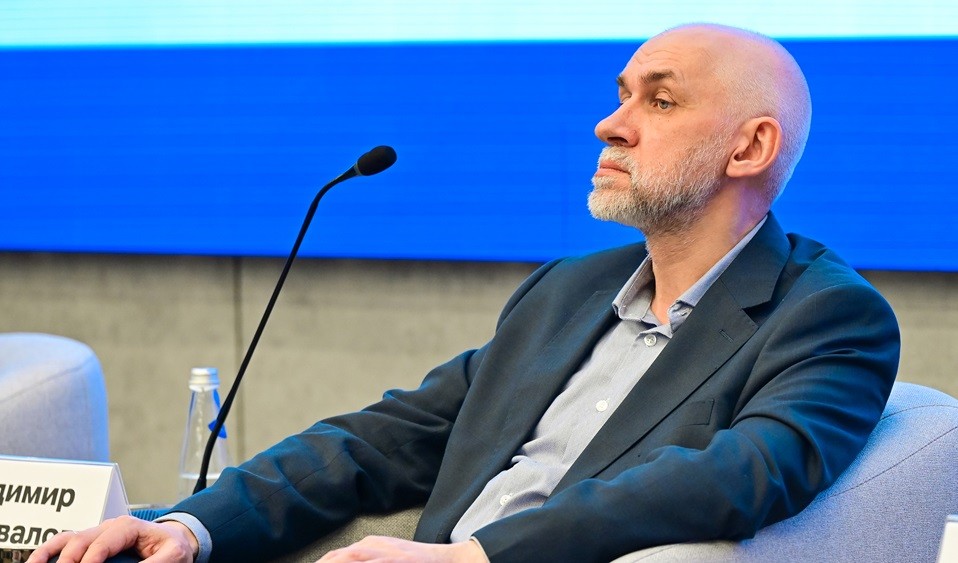
"The foundation of the hero formula remains the feat, but for it to be accepted by society, it must be properly presented and generate a lasting emotional response. Heroism includes not only the defence of the Motherland, but also labour feats, service and creative endeavour. The hero formula must be broad, reflecting different professions and generations in order to ensure identification and be embraced by society," Vladimir Shapovalov said.
Yekaterina Yakovleva, Head of RT’s Documentary Broadcasting Directorate and General Producer of the festival "RT.Doc: Time of Our Heroes", spoke about practices in creating documentary stories and storytelling approaches that make the image of a hero vivid and convincing for young audiences, including in an international context.
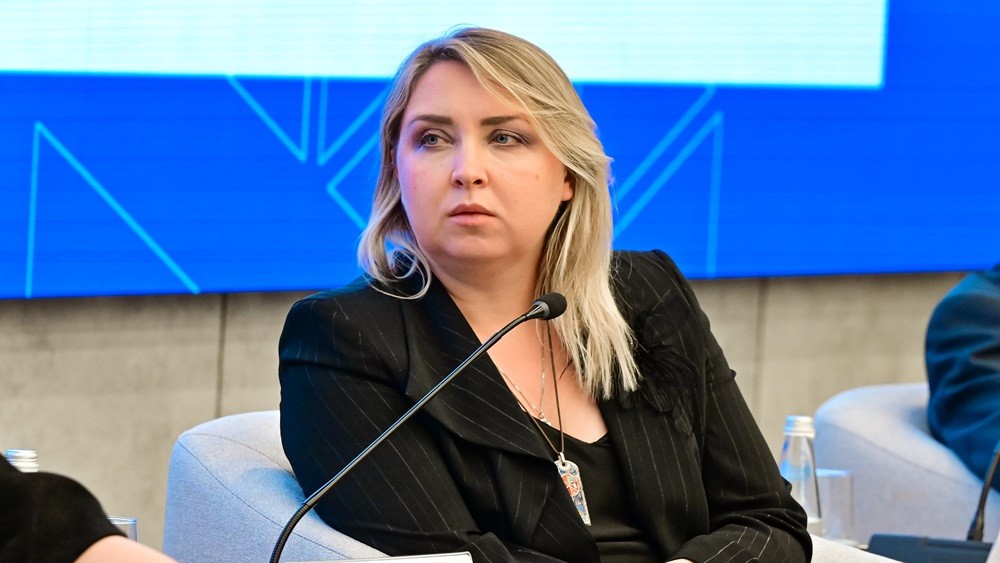
"Stories about heroes work because they contain an image of a way of life to which a person aspires. The dramaturgy of such stories is universal and described as the hero’s journey: from ordinariness through challenge, trials and crisis to transformation. A hero always goes beyond the ordinary and overcomes oneself. It is this transformation that makes a hero compelling for the audience. Today, demand for documentary stories is growing, because real life structured according to these principles is perceived more powerfully than fiction," Yekaterina Yakovleva noted.
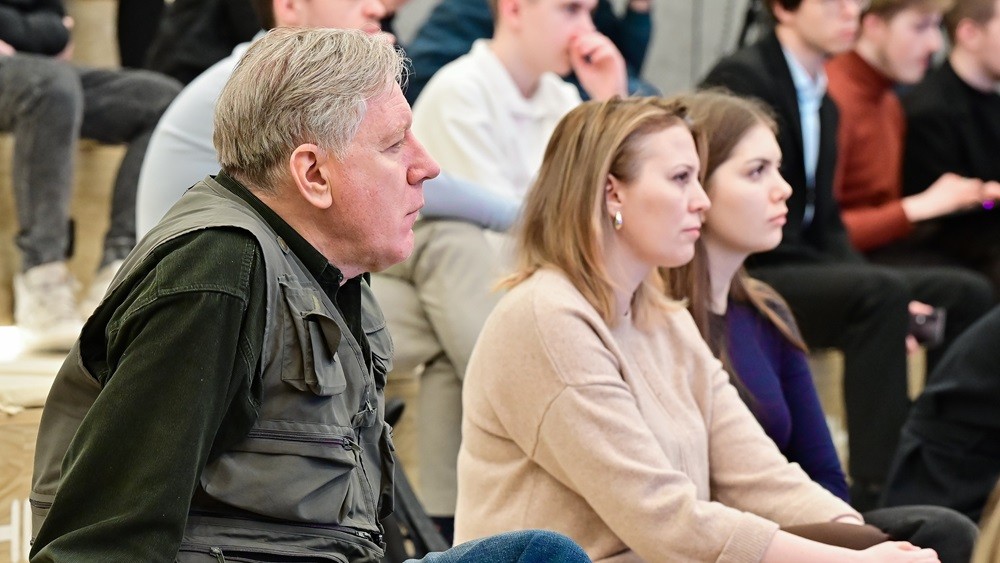
At the conclusion of the discussion, participants answered questions from the audience and exchanged views on the prospects for building a sustainable system for promoting contemporary heroes in the media.

New brands and products have appeared at the Department Store of the National Centre RUSSIA, each working in its own way with the themes of beauty, fragrance and personal comfort.
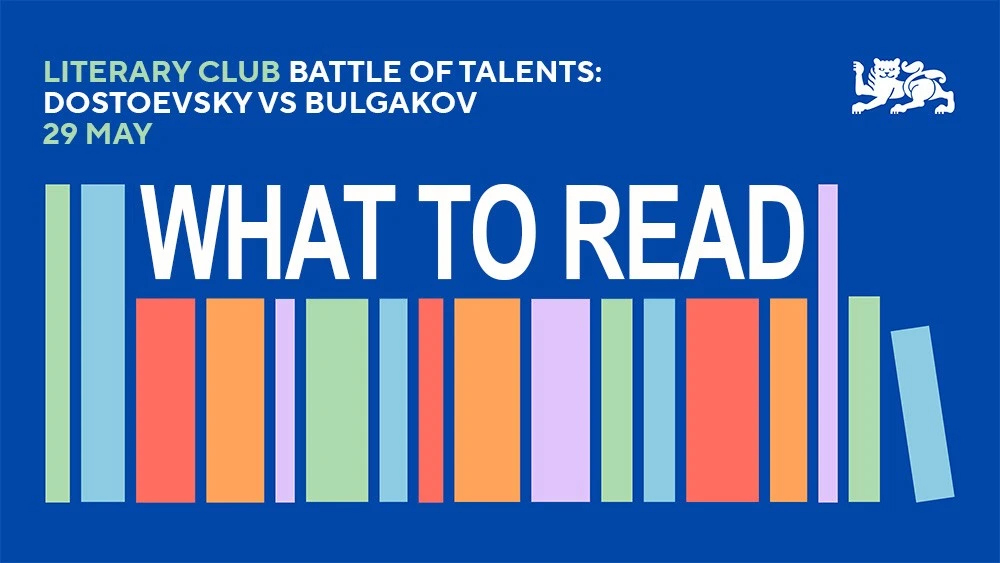
On 29 May, the National Centre RUSSIA will host a meeting of the Literary Club "What to Read?!" in the format of an intellectual duel.
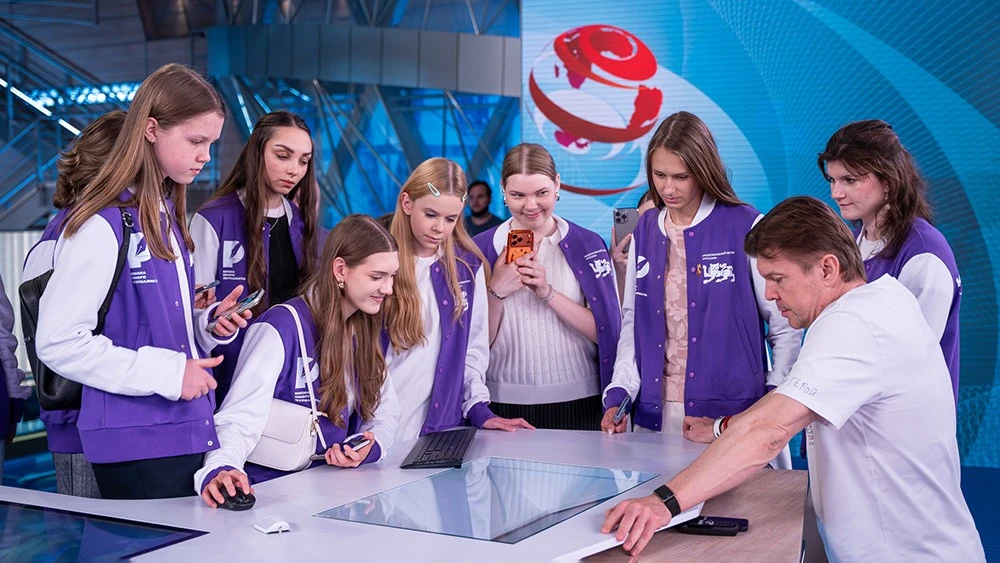
The students visited the heart of Russian television, Channel One.


