Alexander Novak takes part in labour productivity forum at the National Centre RUSSIA in Krasnoyarsk Territory
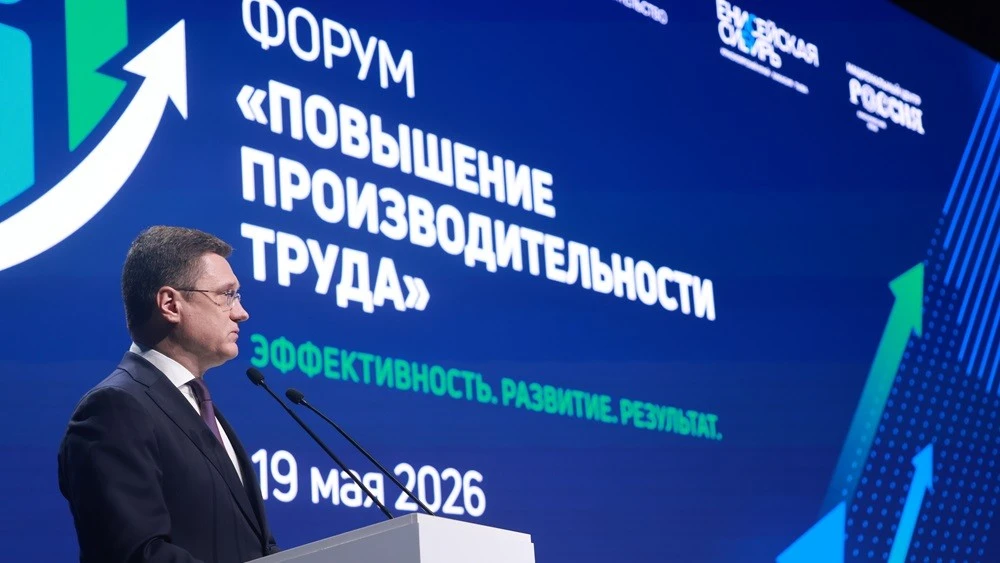
The National Centre RUSSIA in the Krasnoyarsk Territory hosted a forum dedicated to improving labour productivity. Participants discussed the goals and objectives of sectoral programmes and the practice of implementing them at both regional and federal levels. Deputy Prime Minister of the Russian Federation Alexander Novak addressed the plenary session. The event brought together parliamentarians, representatives of specialised federal executive authorities and major businesses implementing labour productivity improvement mechanisms.
During his speech, the Deputy Prime Minister noted that unemployment in Russia is currently at a historic low of 2.2 percent. According to estimates by the Ministry of Labour, under the existing socio-demographic model the country has come very close to its structural limit. This means that labour shortages have become one of the main constraints on economic growth. Forecasts suggest that by 2030 the economy will require an additional 3.1 million workers.
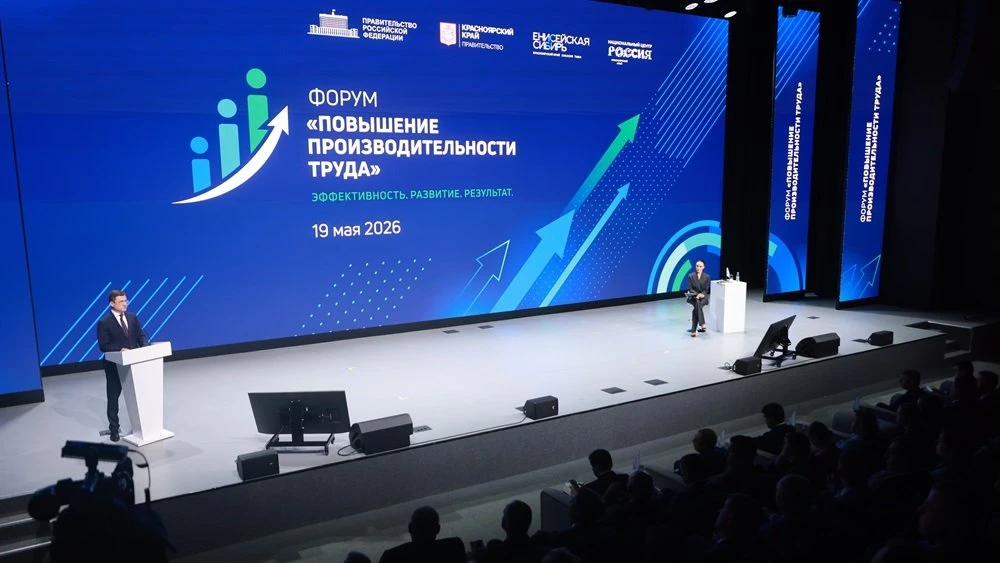
"Following instructions from the President of Russia, the Government has developed and approved a plan for structural changes in the Russian economy through to 2030. The first and central section of the plan concerns changes in the structure of employment and ensuring labour market flexibility, according to which it is necessary to release labour resources from low-productivity sectors and redirect them towards priority industries such as manufacturing, information technology, tourism and the creative industries," Alexander Novak noted.
To address these tasks, the Federal Competence Centre was established, while regional competence centres were created in every constituent entity of Russia. More than 8,000 enterprises have already received targeted support. In addition, sectoral competence centres combining industry expertise with lean production tools have now been launched. Within the framework of the national project "Efficient and Competitive Economy", 17 sectoral labour productivity improvement programmes have been developed: 11 in the real sector of the economy and six in the social sphere.
Together, they cover around 55 million people, more than two-thirds of all those employed in the economy. Since last year, all public sector institutions have been included in the labour productivity improvement framework. The President has set the goal of covering 100 percent of state and municipal budgetary institutions by 2030.
"Labour productivity must become a national idea. It is a matter of survival, competitiveness and our development. The President of Russia and the Prime Minister are paying special attention to this issue. For our country and our economy, this is an extremely important topic. We need to study the best global practices, more actively introduce technologies based on artificial intelligence, as well as ready-made solutions in all areas: industry, energy and the social sphere," the Deputy Prime Minister stressed.
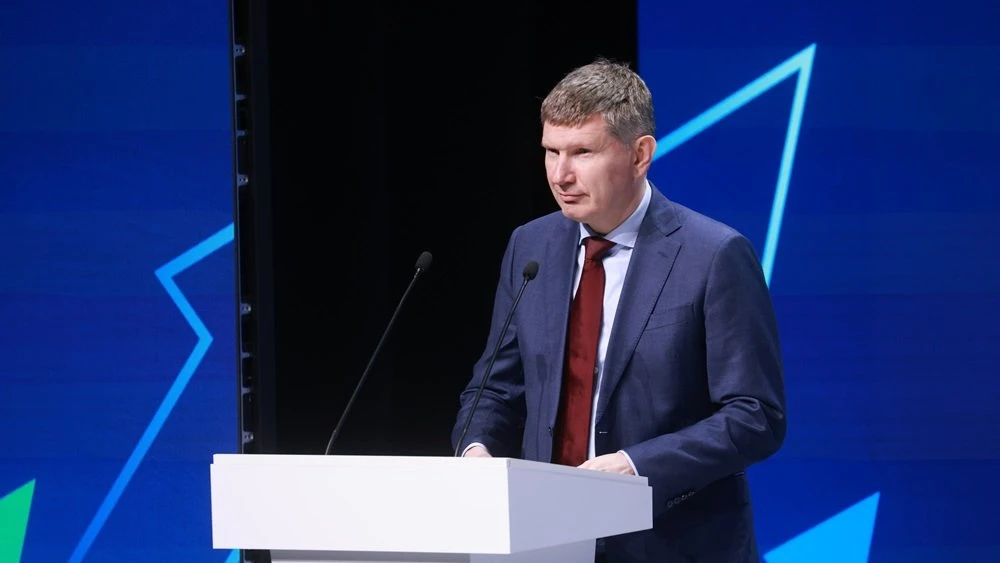
Speaking at the plenary session, Minister of Economic Development Maxim Reshetnikov noted that Russian enterprises constantly put a lot of effort into work on their competitiveness, profit growth and cost reduction. He added that this work should be carried out on three levels: the introduction of lean production methods, the scaling of ready-made solutions for small and micro-businesses, and regulatory changes.
"We must expand coverage and understand how to improve metrics and fine-tune mechanisms in this area. Today, the growth trajectory of our economy depends on labour productivity. We have created a powerful support network in the form of federal and regional competence centres capable of working directly with particular enterprises. This work is under special government supervision," said Maxim Reshetnikov.
Governor of the Krasnoyarsk Territory Mikhail Kotyukov highlighted the region's achievements in applying practices aimed at increasing productivity across different sectors of the economy.
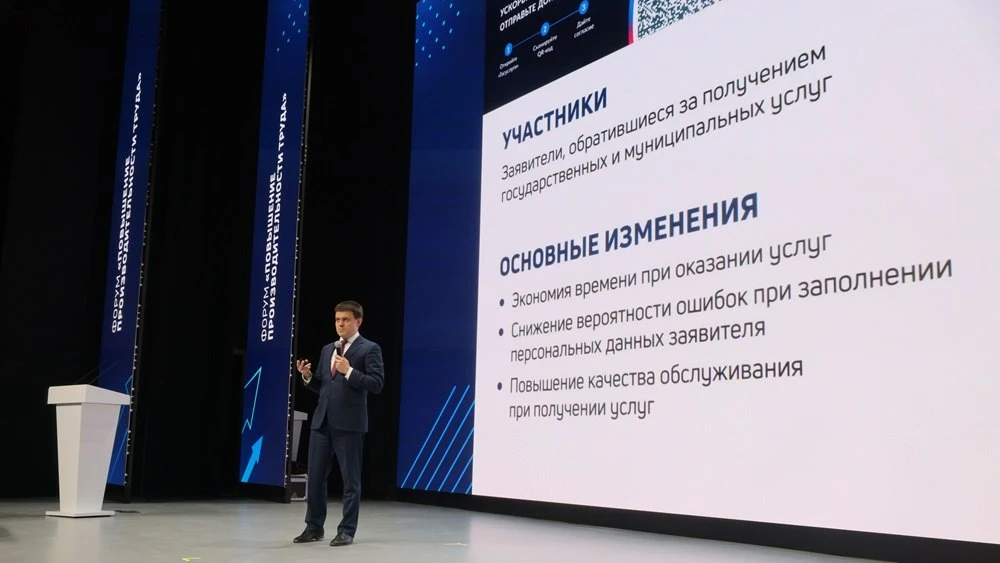
"The Krasnoyarsk Territory is one of the country's leaders in implementing labour productivity improvement practices. More than 150 enterprises have already joined this work, and our regional competence centre is among the top five in Russia. Sixty percent of participating enterprises exceeded the five percent productivity growth target. In education, the administrative burden on teachers has been reduced by 20 percent; in social protection, output has increased by 40 percent; and in healthcare, hospital waiting times have been reduced while the number of operations has increased — all without compromising the quality of care. By 2030, our goal is to involve 2,800 organisations. We need to do it not on paper, but in people's real lives," Mikhail Kotyukov noted.
As part of his working visit, Alexander Novak also met with representatives of regional businesses. During the meeting, entrepreneurs from various sectors, including textile industry, fashion design and clothing production, energy, advertising and the restaurant business, were able to raise their most pressing issues, receive answers from representatives of relevant authorities and identify growth opportunities for the near future. Discussions covered intellectual property protection, promotion on online marketplaces, the development of industrial territories, mandatory product labelling within the Chestny Znak (Honest Sign) system and its impact on small businesses.
The forum was organised by the Government of the Russian Federation, the Ministry of Economic Development of the Russian Federation, the Ministry of Industry and Trade of the Russian Federation, the Ministry of Energy of the Russian Federation, the Government of the Krasnoyarsk Territory and the National Centre RUSSIA.
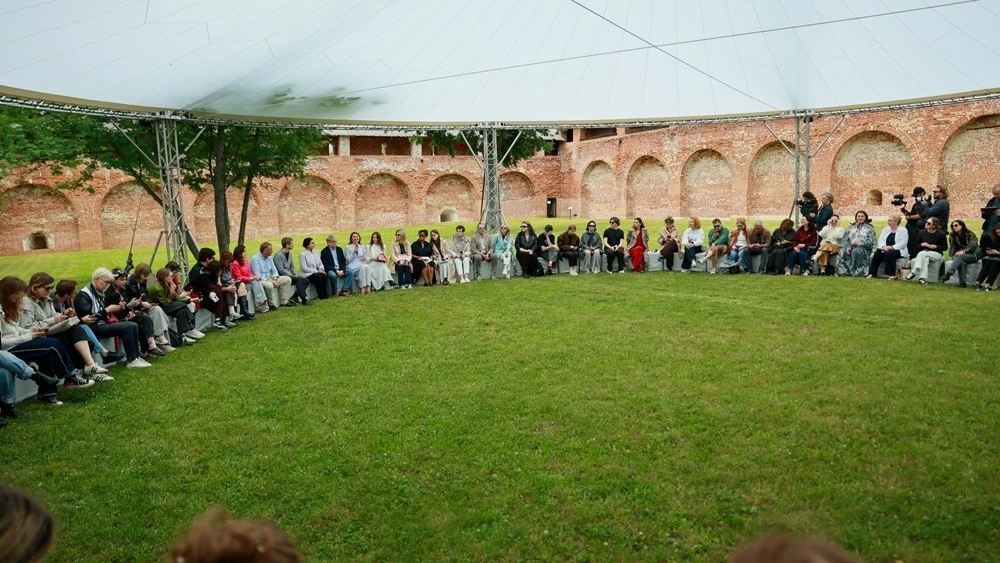
The first IET TALK, a discussion and educational platform of the International Ethnographic Triennial (IET), was held at the Zaraysk Kremlin.
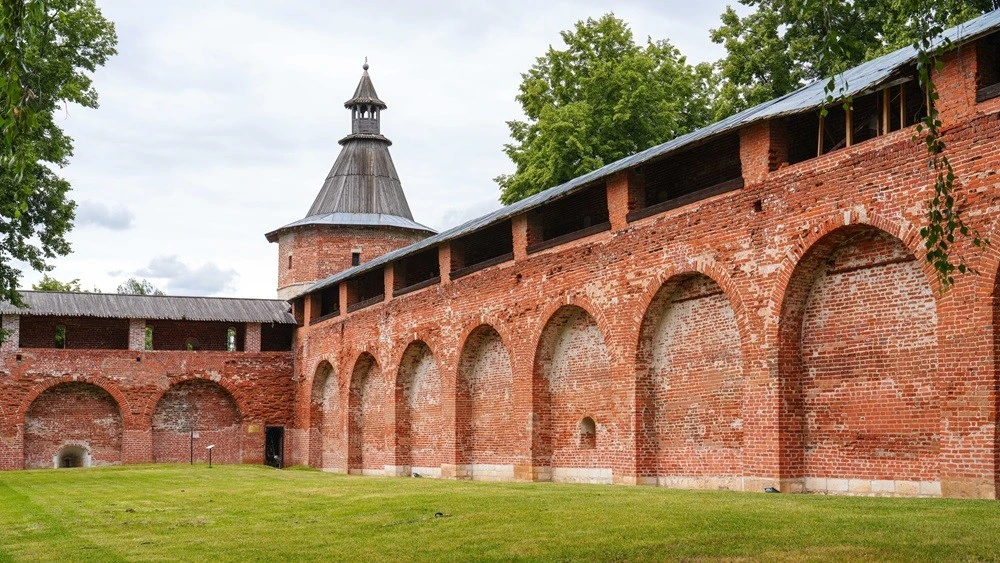
The opening of the triennial is scheduled for 2030.