


Alexander Zhuravsky to present the novel "Alternative" at the National Centre RUSSIA
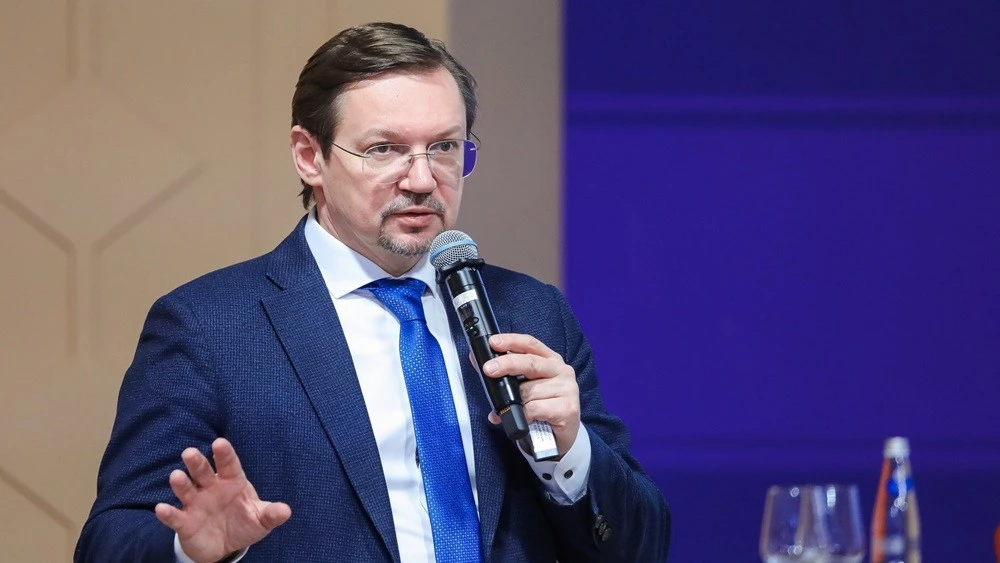
On 23 April, the National Centre RUSSIA will host a meeting with Alexander Zhuravsky, Deputy Chief of the Presidential Directorate for Social Projects of the Presidential Executive Office of Russia, writer, Candidate of Historical Sciences and Candidate of Theology, as part of the Literary Club "What to Read?!". He will present his futurist novel "Alternative", which depicts a possible future of Russia and its place in global politics by 2034.
During the event, the author will discuss the concept of the work, speak about the features of the genre, and share his view on the role of artificial intelligence in society. Guests will learn how contemporary characters are created and why modern writers increasingly turn to the genre of utopia. Particular attention will be paid to the novel’s characters — Major Kirill Ratnikov and poet Yeva Dombrovskaya — as well as two superintelligences: the Russian "Alta" and the American "Del".
The meeting will be moderated by Alexei Chesnakov, Head of the Scientific Council of the Centre for Political Conjuncture, Professor at the Higher School of Economics, and author of the Telegram channel "Chesnakov. Library". A Q&A session will follow, giving guests the opportunity to speak directly with the author.
The Literary Club "What to Read?!" is a space for those who want not only to read, but also to think independently, discuss ideas and learn more about books and their authors. Participation in the event, as with other events at the National Centre RUSSIA, is free with prior registration on the website russia.ru.
Join us to explore how futurist literature helps to reflect on the trajectory of Russia’s development and the role of artificial intelligence in the future of humanity. Guest arrival from 18:00, event starts at 19:00.
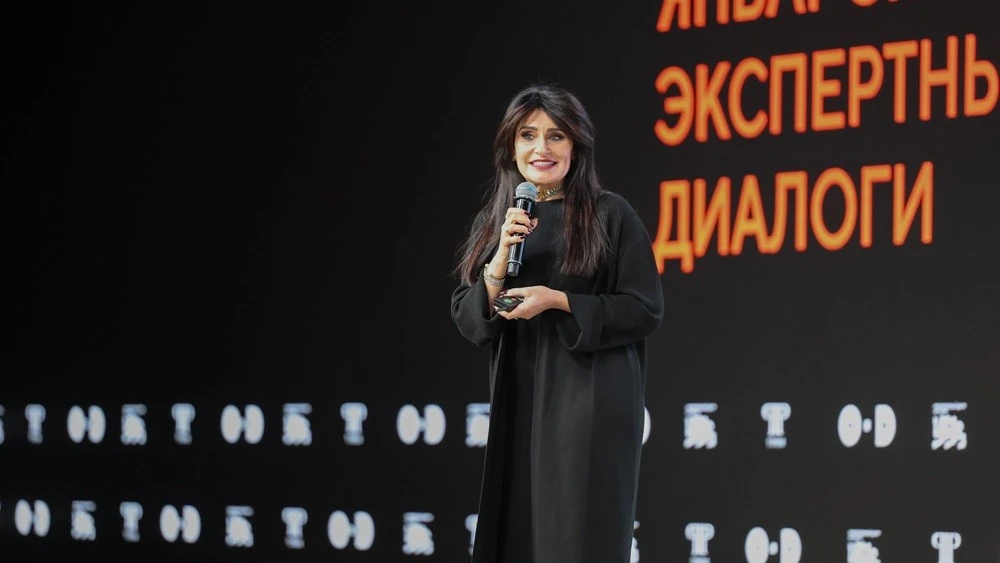
At the Open Dialogue, the speaker will present her vision of how to prepare people and institutions for a world in which uncertainty becomes the norm.
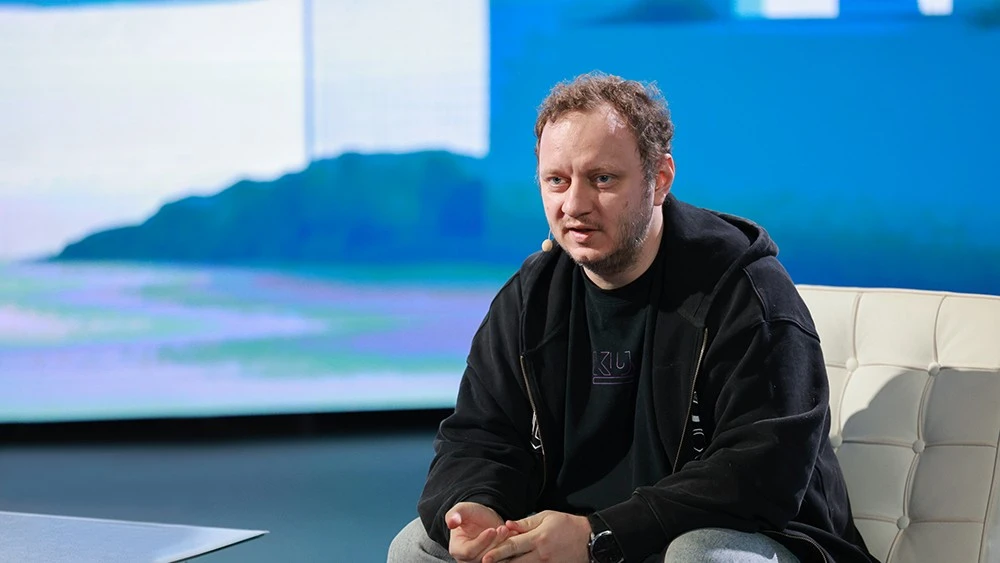
In the podcast "Russia Speaks", Andrei Konyaev explained why science communication is important.
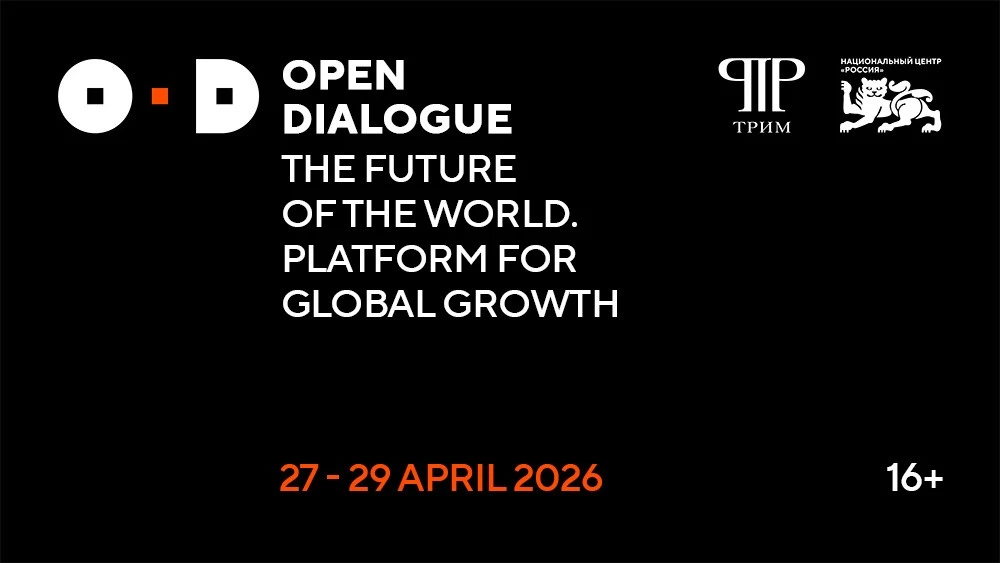
The large-scale three-day programme will combine expert discussions, presentations by the authors of the best essays from across the world, and informal networking.


