


Anetta Orlova: psychological flexibility helps us avoid living by old patterns
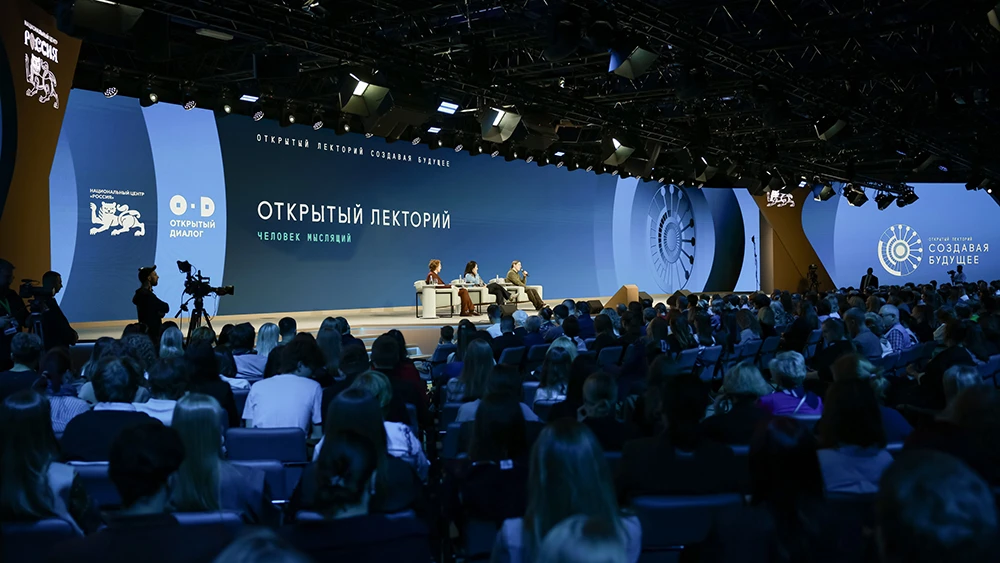
The ability
to look at what is happening through another person's eyes, take circumstances
into account and change a habitual response is becoming an important resource
in a rapidly changing world. Psychologist and Candidate of Sciences in
Sociology Anetta Orlova highlighted this skill — psychological flexibility — as
one of the key abilities during the session "The Creative Human" at
the Open Lecture Hall "Inventing the Future: Limits of the Human" at
the National Centre RUSSIA.
According to the expert, people often act automatically, relying on past
experience and habitual attitudes. However, the same situation may look
different to each person involved, so it is important not to limit oneself to a
single point of view and to take the context into account.
"Psychological flexibility is the ability, in this world and in each
specific situation, to act not according to an old pattern we once had, but
according to the situation here and now. And here and now, believe me, there
are always many different perspectives. It is one thing if I look only from my
own perspective and see one thing. But if I look from Nikita's perspective
(host Nikita Pimenov — editor's note), I know there are eight seconds left. And
if I look from the director's perspective, I know that the phone needs to be
put on silent. So look at things from different perspectives," said Anetta
Orlova.
The expert stressed that the ability to see a situation from different
perspectives makes it possible to move away from habitual reactions and pay
closer attention to what is happening around us.
The National Centre RUSSIA's original project, the Open Lecture Hall
"Inventing the Future", brought together Russian and international
experts, scientists and futurists to discuss positive scenarios for the future.
The lecture hall concluded with the interactive illusionist show
"Miracle!", which continued the discussion about the limits of
perception and the human capacity for wonder.
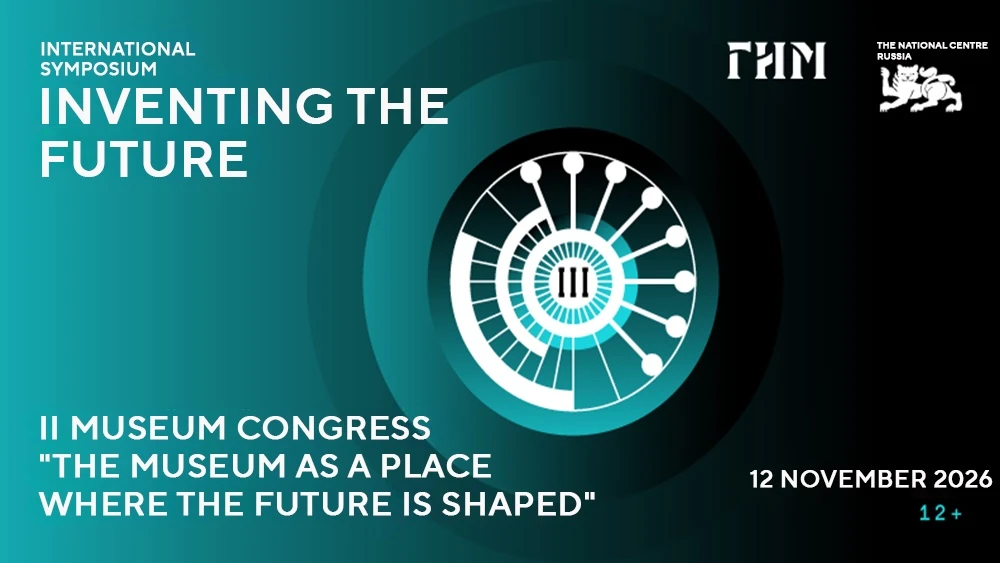
The event will take place on 12 November 2026 as part of the III International Symposium "Inventing the Future" at the National Centre RUSSIA.
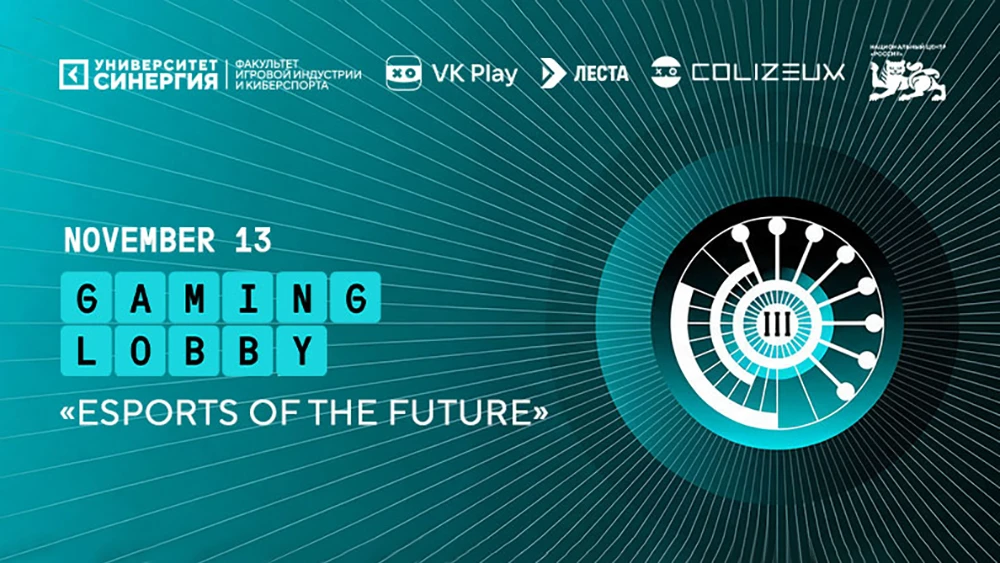
On 13 November, a special project — the gaming lobby "The Rink of the Future" — will be held during the International Symposium "Inventing the Future" at the National Centre RUSSIA.
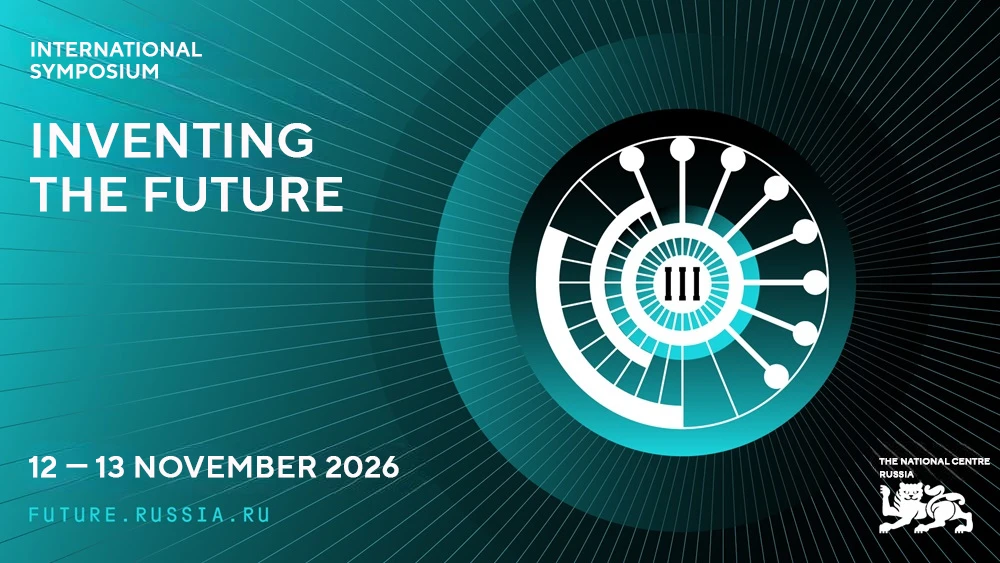
The programme of the III International Symposium "Inventing the Future" will include three thematic tracks: "People and Values," "Progress," and "Culture and Art."


