


The future of the world and the new economy discussed at the Summer Expert Meetings at the National Centre RUSSIA
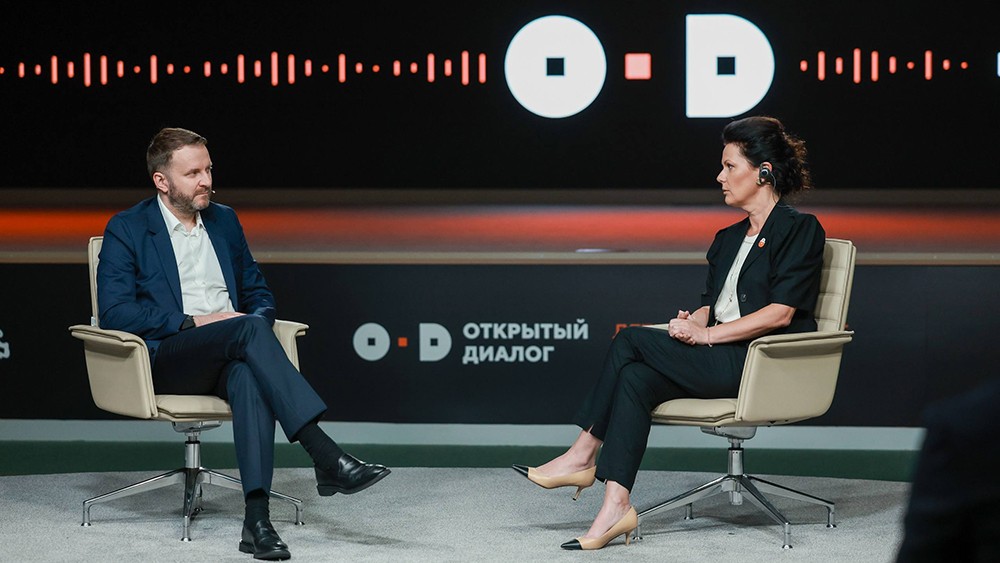
At a time of rapid advances in artificial intelligence, the transformation of the global economy and the emergence of new financial architectures, increasing attention is being paid to the role of people, their responsibility and their ability to build cooperation in a changing world. These issues became one of the central themes of the Summer Expert Meetings held at the National Centre RUSSIA as part of the Open Dialogue "The Future of the World. A New Platform for Global Growth". By decision of President Vladimir Putin, the Open Dialogue has been held annually.
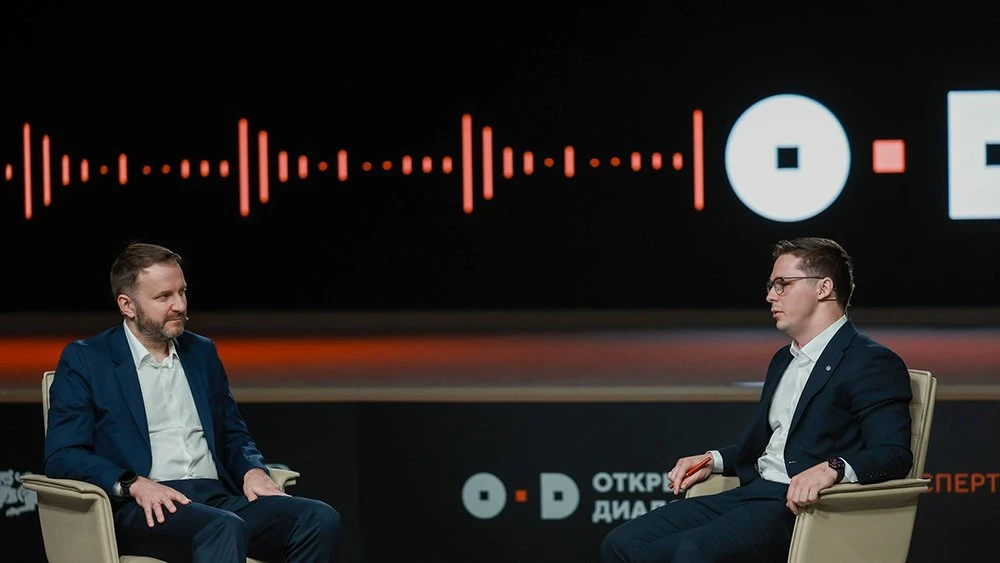
Deputy Chief of Staff of the Presidential Executive Office of the Russian Federation Maxim Oreshkin joined experts and authors of the highest-rated essays to discuss the key findings of the report made by the Centre for Cross-Industry Expertise "Third Rome". The report, titled "Humanity, Technology and Globalisation: a New System of Coordinates" featured the five megatrends identified in the study as shaping the future development of the global economy and society.
"Following the publication of the report, we received hundreds of responses. The main question people are asking is what we need to do here and now to ensure that people's lives continue to improve both today and in the future. The purpose of the Open Dialogue is to involve the whole world in this discussion. When thinking about tomorrow, we cannot detach ourselves from reality. It is impossible to discuss the future development of the world without considering what is happening today, but it is equally impossible to build the present without thinking about the future. That is precisely why the theme of the Open Dialogue is so important. Its format brings together experts and participants from different countries to discuss global processes and the future development of the world. It is a platform where everyone can be heard, share their ideas and contribute to shaping a common vision of the future and developing practical solutions," said Maxim Oreshkin.
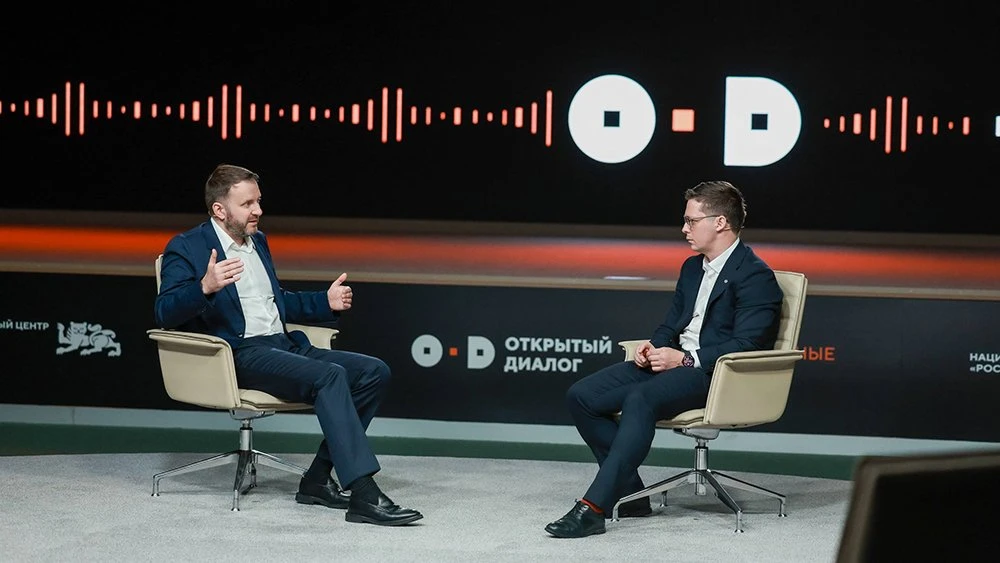
The discussion took the form of a stress test during the Summer Expert Meetings, bringing together specialists from a wide range of fields, including contributors to the Open Dialogue essay competition. Each of the five megatrends was presented by a specialist speaker, who offered an alternative perspective on the report's key arguments.
Maxim Oreshkin added that the stress-test format made the discussion particularly interesting and valuable, as it is the debate that helps provide a deeper understanding of the world's key trends. According to him, the report may be further refined and updated following the discussions and analysis of emerging developments.
Globalisation 2.0: autarky or international cooperation — what does genuine technological sovereignty look like?
The first session explored how globalisation is changing and what technological sovereignty means in practice. Yuri Maksimov, co-founder of Positive Technologies and the Cyberus Foundation, presented his vision of a new digital architecture and the risks associated with excessive centralisation of IT systems. According to him, genuine sovereignty does not mean "making everything yourself"; rather, it means understanding how technologies work, controlling critical components and being able to replace vulnerable elements quickly through international cooperation. Moreover, he argued that true technological sovereignty can only be achieved through cooperation.
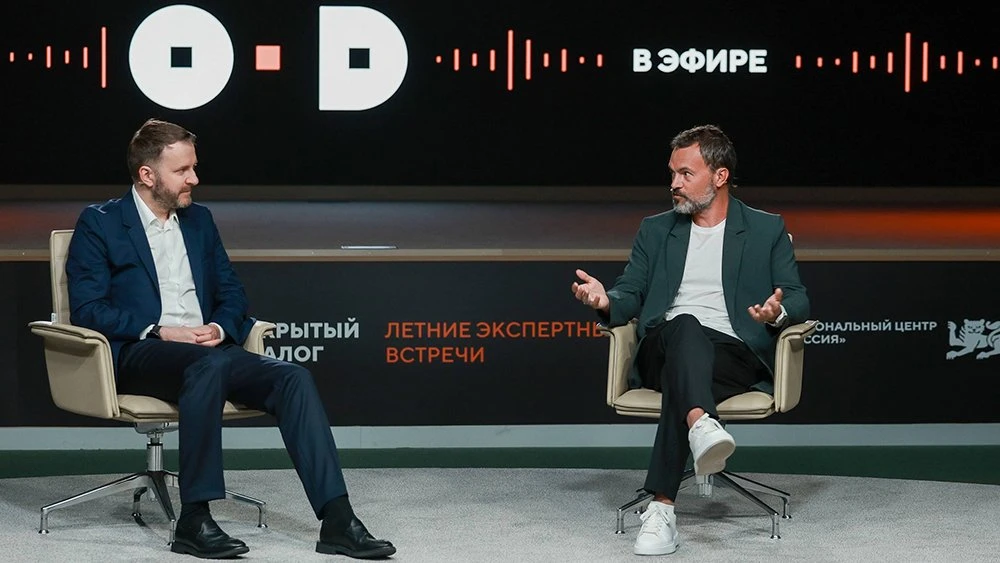
"In reality, there is both a financial dimension — how much each element of sovereignty costs — and a non-financial one related to cooperation. Effective cooperation between government agencies, businesses and even between companies within the commercial sector can contribute enormously to achieving genuine sovereignty. For example, to build a strong AI system for cybersecurity, you don't need a larger neural network — you need a high-quality dataset. And what does a cybersecurity dataset consist of? Real incidents, real cyberattacks and real vulnerabilities," explained Yuri Maksimov.
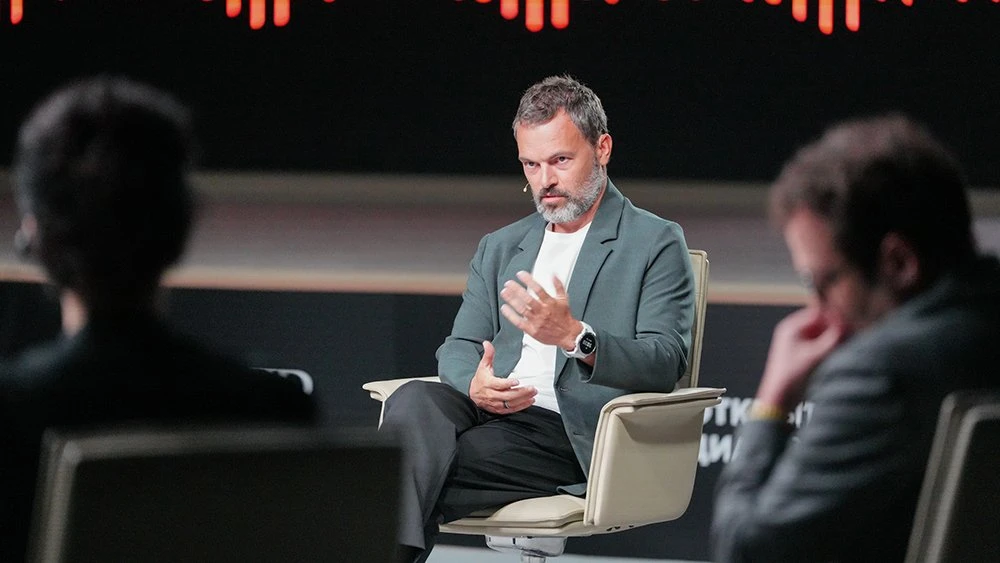
He noted that digitalisation is now one of the key forces reshaping both the economy and society, and it is the force that is not only contributing to market transformation, but also helping personal agency to erode.
The expert also pointed out that in today's world not only individuals but entire countries can become "invisible": very few states are capable of developing a complete technology stack on a par with global leaders.
"Our task is to build a digital environment that first and foremost strengthens the sovereignty of both individuals and the country, and only then aspires to operate on a global scale. This opens up enormous opportunities for cooperation, where success is achieved through concentrated effort and mutual trust," he added.
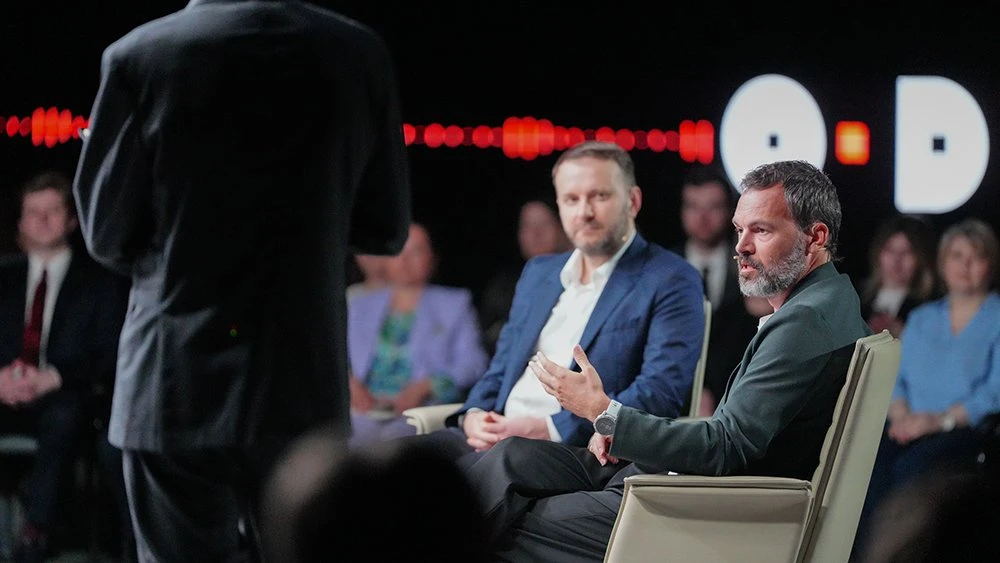
A new financial system or the evolution of the existing one?
The discussion then turned from globalisation to the future of the financial system. Alexander Isakov, Senior Managing Director and Head of Macroeconomic Research at Sberbank, analysed the potential of central bank digital currencies (CBDCs) and the limits of the traditional financial model. He noted that the current two-tier system, comprising a central bank and commercial banks, remains a modern and effective framework that has enabled the development of financial products, capital markets and lower transaction costs. In his view, technological innovation calls not for a complete overhaul of the existing architecture, but for stronger regulation and better international coordination.
"Rising debt and interest rates are symptoms rather than the problem itself. The primary purpose of the financial system is to finance sustainable growth that provides countries with resources and improves people's wellbeing. As long as debt fulfils its function by being transformed into real GDP growth, society has the resources it needs to develop," Alexander Isakov emphasised.
Speaking about central bank digital currencies, the expert urged caution in assessing their transformative potential. In his opinion, the practical role of CBDCs has yet to be fully defined: some of the tasks they may fulfil are already under discussion, while others have perhaps yet to be identified. He believes that the key objective should not be replacing the banking system with a central bank monopoly, but preserving competition, efficiency and the financial sector's ability to support economic growth.
Platform or agent: who will become the key intermediary of the next decade?
The third megatrend focuses on the role of digital platforms and artificial intelligence in economic development. Board Member of Yandex Rus JSC, Tigran Khudaverdyan, noted in his presentation, titled "State or Platforms: Who Governs the New Economy?", that the world's most successful platforms essentially operate like exchanges, bringing together those offering goods and services with those generating demand. At the heart of these platforms are algorithms that balance supply and demand in real time.
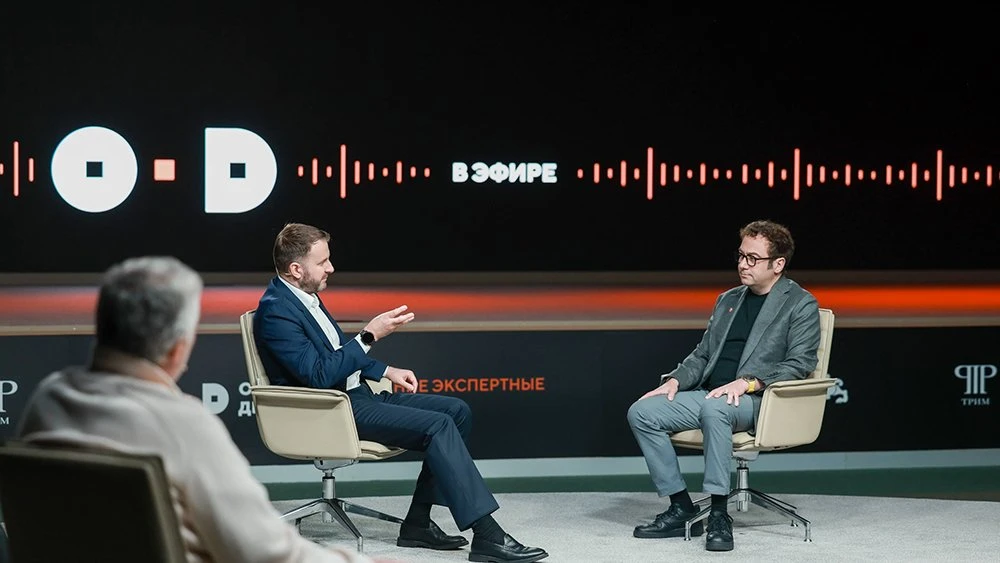
"In reality, the competition between all companies in the world operating in the same markets comes down to one company arriving with algorithms and a supply-and-demand balancing formula that works better than another's. In the long term, the efficiency of any system is determined by the quality of its supply-balancing algorithms", Tigran Khudaverdyan observed.
He added that platforms have become a new organisational layer of the economy, with an increasing number of sectors — from taxi services to healthcare and education — adopting platform-based models. The next step, he suggested, will be the emergence of AI "agents" acting on behalf of individuals and businesses within these platforms, reducing costs and helping identify the best solutions. In the future, everyone will have multiple personal AI assistants.
Adaptation or mitigation: can the trend of declining birth rates be reversed?
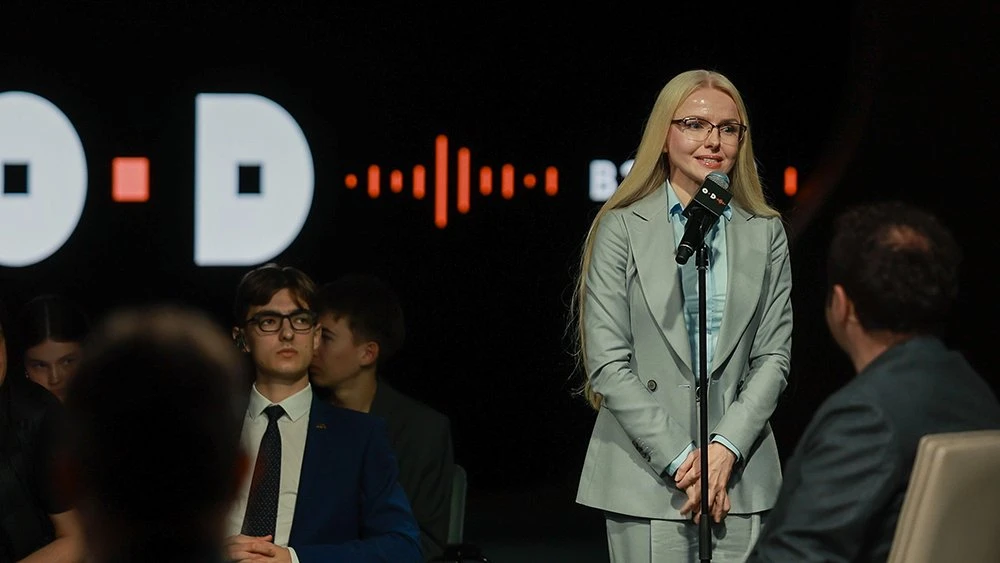
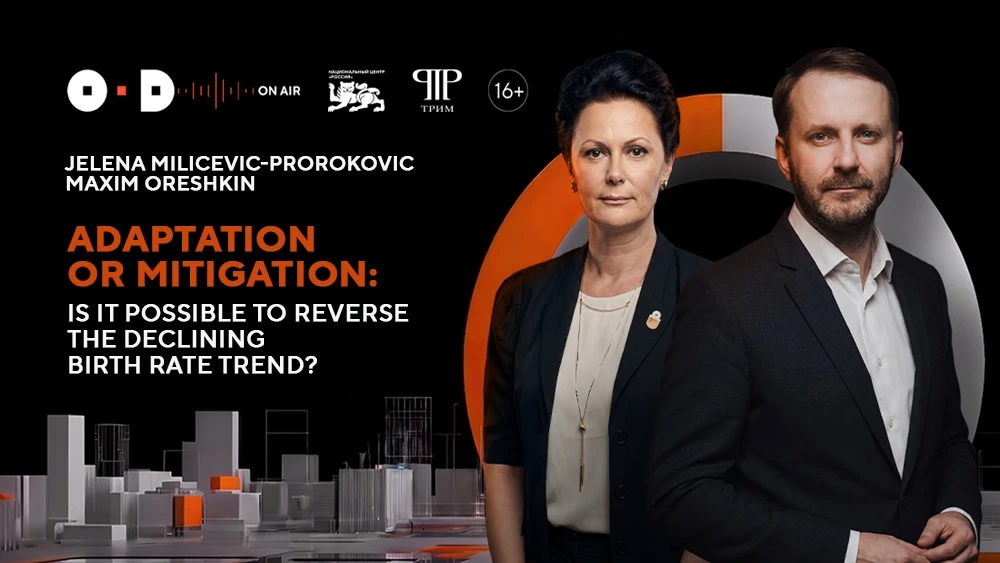
The discussion then shifted from technology to demographics. Jelena Milićević Proroković, Coordinator of the UNRAD initiative and a finalist of the Open Dialogue from Serbia, presented an international perspective on population ageing, changing family models and the growing pressure on social systems. She also proposed a new objective for national demographic policy — ensuring demographic sovereignty.
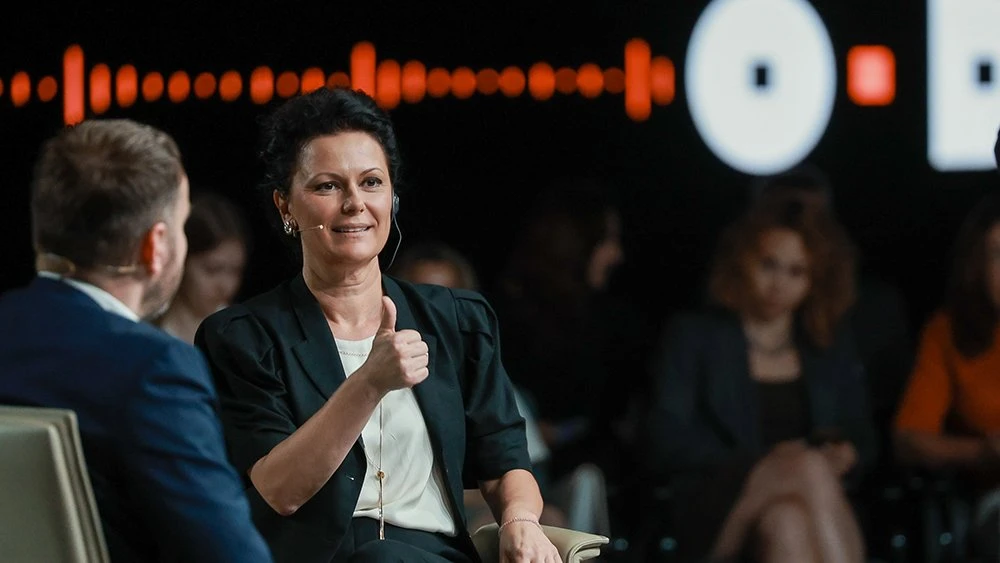
"Demographic sovereignty is a country's ability to create institutional, economic, social and cultural conditions in which people can freely fulfil their desire to start a family and have children. This is not about controlling personal choice; it is about removing barriers such as instability, the high cost of raising children, housing problems and insufficient support," the expert explained.
Jelena Milićević Proroković added that people are the foundation of a country's sustainable development. At the same time, creating opportunities for young people to fulfil their potential is essential to shaping the future.
"For me, everything begins with people. It is they who determine what our future will look like. One of today's greatest challenges is creating conditions in which young people can receive a quality education, realise their ideas and build their future here, in Russia. Young people bring new energy, fresh perspectives and the courage to think differently. That energy is exactly the source of development. So when we speak about the future, we must think not only about today but also about the generations to come — about the environment, the opportunities and the sense of confidence we are creating for them right now," Jelena Milićević Proroković said.
Human agency in the age of AI, or AI in the age of humanity?
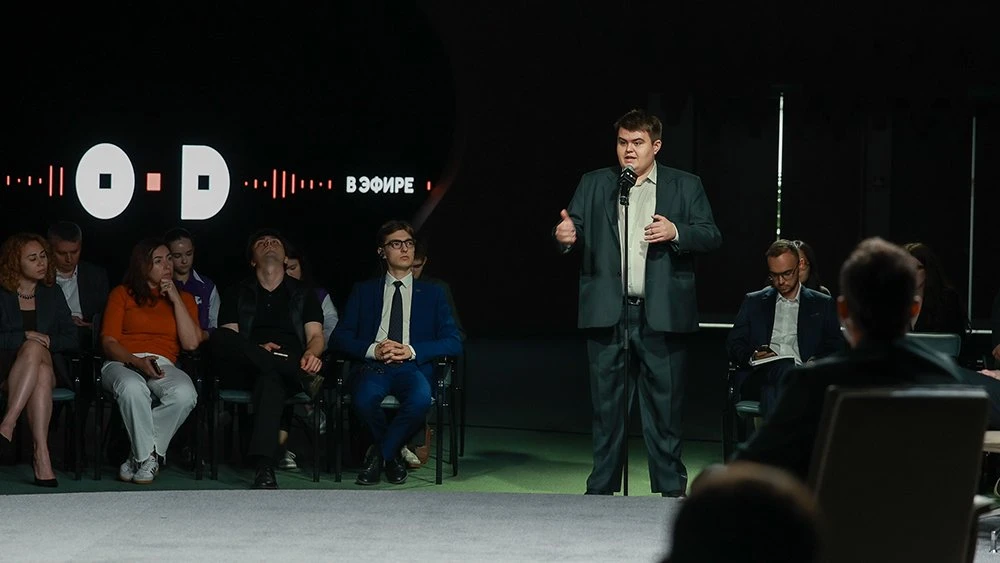
The final session focused on the role of people in the emerging AI-driven reality. Dmitry Peskov, Special Representative of the President of the Russian Federation on Digital and Technological Development and Director General of the National Technology Initiative Platform, observed that the world is becoming increasingly divided according to access to advanced AI models and the ability to direct them.
"Today, this stratification is taking shape before our very eyes. When the governments of the United States and China begin restricting access to advanced AI models, they are effectively investing in this new system of inequality," Dmitry Peskov stressed.
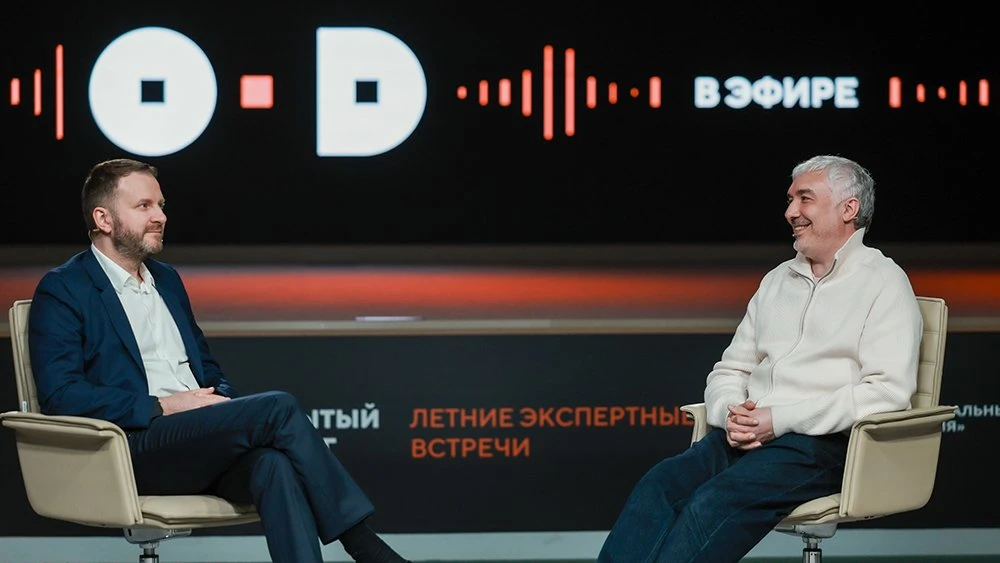
He argued that education in the age of artificial intelligence should focus not on training technology operators, but on nurturing a generation of creators capable of preserving their agency and taking responsibility for decision-making. Society's task, he said, is to use AI not to simplify human thinking but to expand human potential, turning technology into a tool that enhances humans rather than replaces them.
Summing up the discussion, participants agreed that the new global landscape requires not the rejection of globalisation and technological progress, but the ability to manage interdependencies, build resilient national institutions and place people — with their freedom of choice and responsibility for the future — at the centre of the long-term development agenda.
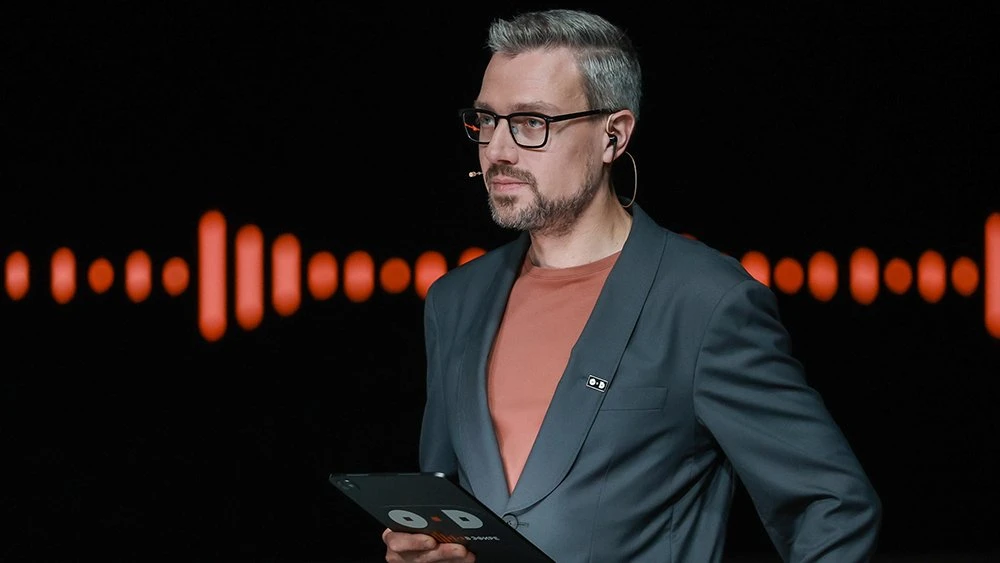
The "Humanity, Technology and Globalisation: a New System of Coordinates" report by the Centre for Cross-Sectoral Expertise "Third Rome" presents an expert analysis of the key megatrends shaping the global economy. These trends were first outlined by Maxim Oreshkin during the January Expert Dialogues and further informed by essays submitted by participants from every continent for the Second Open Dialogue, held at the National Centre RUSSIA from 27 to 29 April. The Centre's experts identified the principal global trends, outlined promising areas for future research and provided a foundation for continuing the international discussion.
Essays for the next round of expert discussions were accepted until 7 July. Authors of the most outstanding entries were invited to participate in the Summer Expert Meetings.
A recording of the full Summer Expert Meetings is available on the russia.ru website in the "Livestreams and Videos" section.
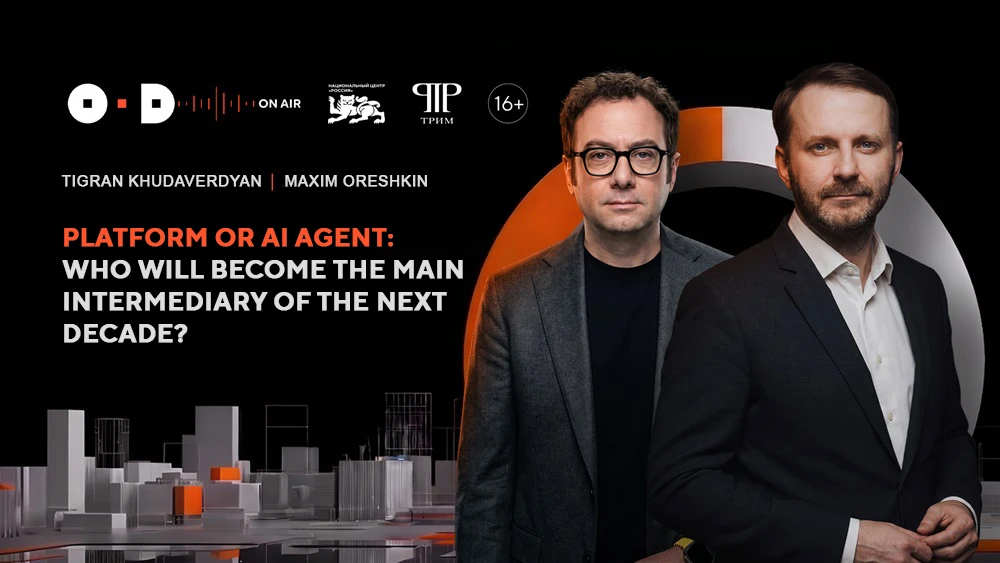
The main topic of the meeting was the future of the digital economy and the interaction between digital platforms and artificial intelligence.
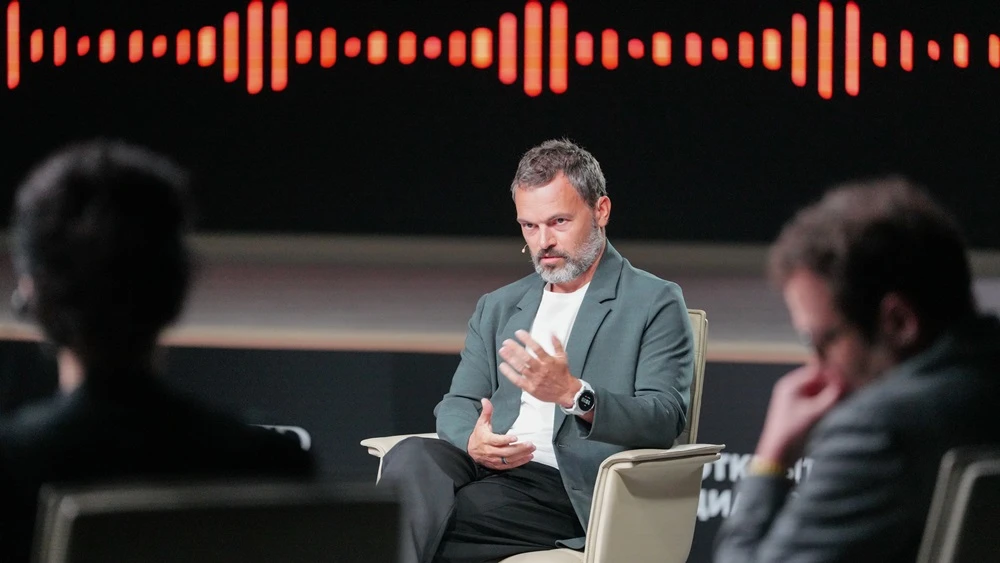
Essays for the next series of expert meetings were accepted until 7 July.


