


What a national TV channel's correspondent can and cannot wear: advice from experts from "Rossiya 24" and "Moskva 24"
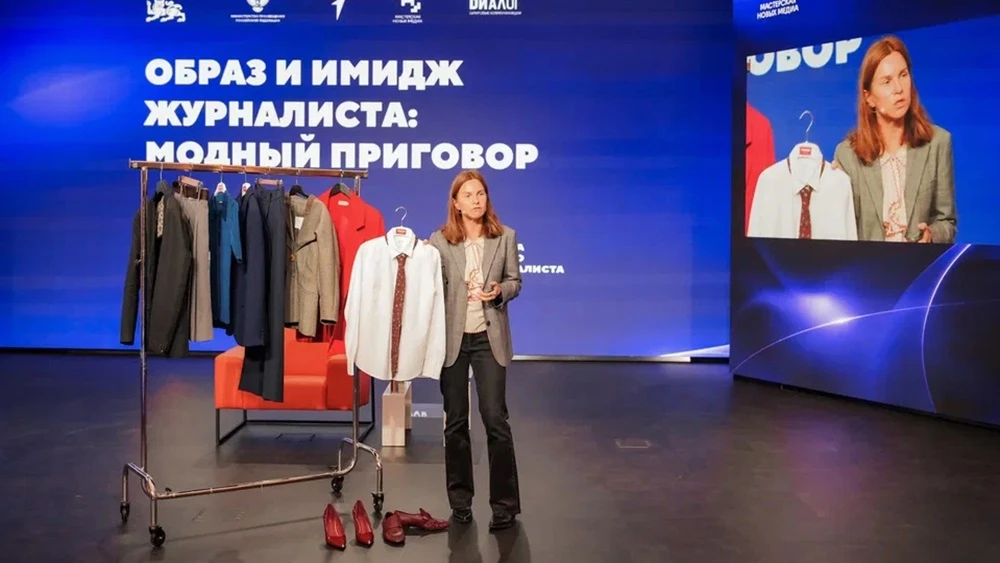
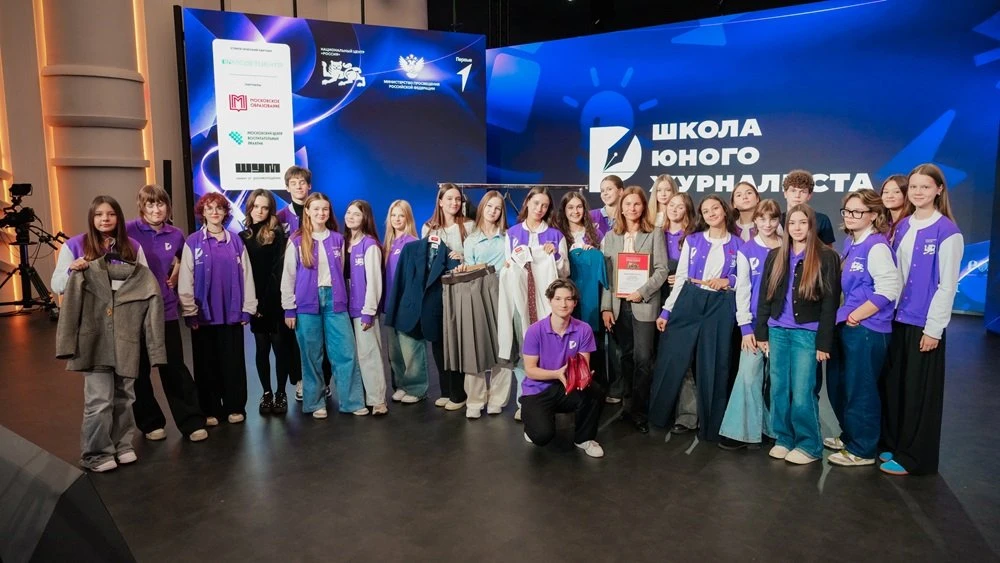
A journalist's appearance builds audience trust and shapes the face of modern media. This statement opened the first session of the Professional Course for graduates of the National Centre RUSSIA's Young Journalists School. Students welcomed Yelizaveta Morskaya, a correspondent for "Rossiya 24", and Yulia Iordanskaya, Head of the Make-up Department at "Moskva 24". At the meeting "A Journalist's Look and Image: Fashion Verdict", they explained which clothes, cuts and colours are preferable for a national TV channel's correspondent, whom media professionals look to when choosing an outfit, what to consider when preparing for filming and where freedom of self-expression on camera ends.
According to Yelizaveta Morskaya, appearance is an important professional tool for journalists, who constantly work with people and make a first impression in a matter of seconds.
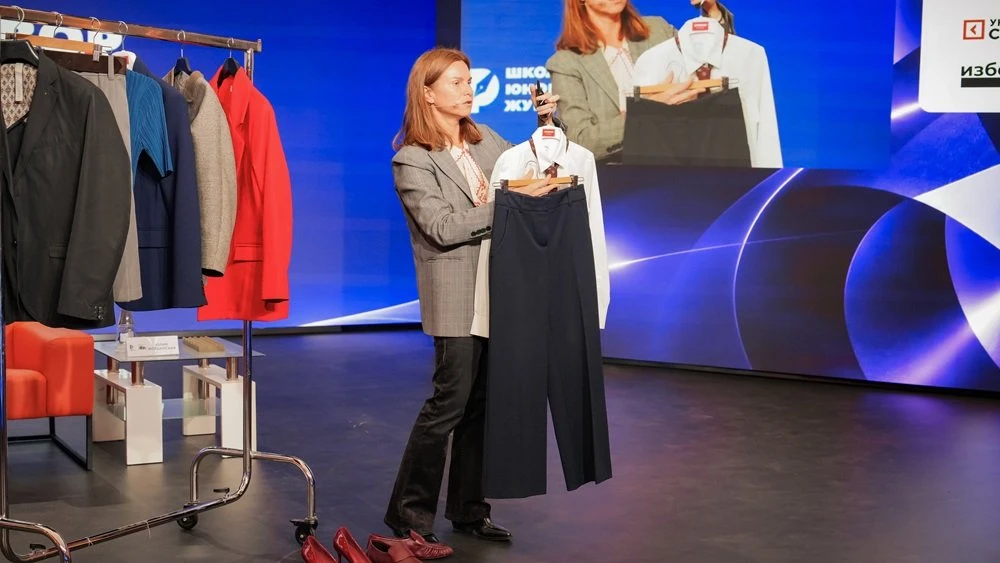
"A viewer takes just 7–8 seconds to decide whether they like someone, and it is not just clothing that matters, but also hair, make-up, posture and facial expression. That is why correspondents for a national TV channel cannot wear anything that looks unnatural: brightly dyed hair and piercings, large jewellery and brand logos, jeans, shorts, provocative prints or strong perfume. A hairstyle that keeps the face clear and an understated style of dress help build viewers' trust. But there are nuances: white, for example, although considered a colour for special occasions, needs to be used with care," Yelizaveta Morskaya said, sharing her experience.
The expert also discussed the "beauty premium", a phenomenon studied by sociologists and psychologists worldwide. She noted that many studies suggest that people who look attractive and confident achieve greater success in life.
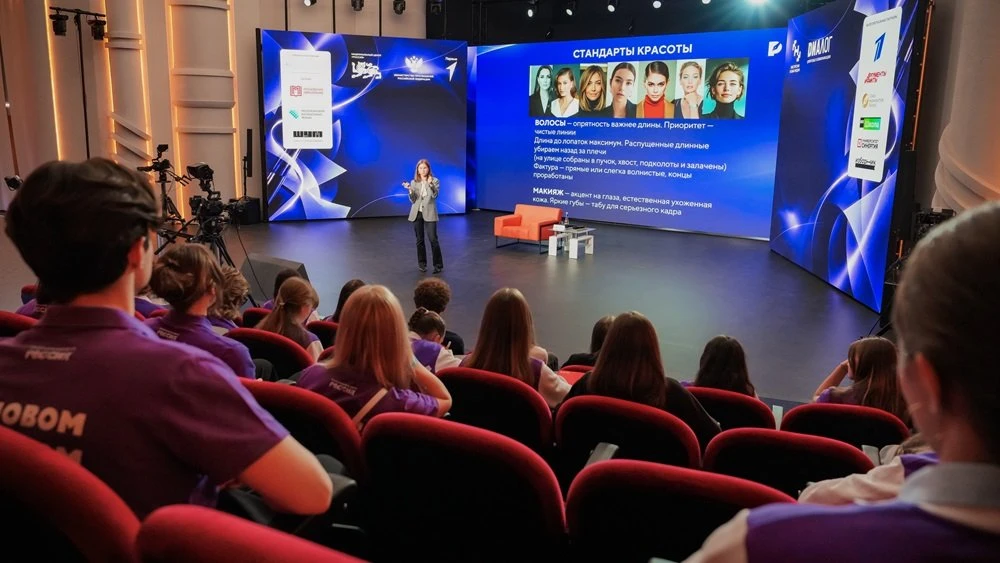
"I really like the phrase 'You never get a second chance to make a first impression.' There are various studies on the 'beauty premium', and we can debate endlessly whether it is good or bad, but attractive people even earn 7–8% more on average. This is not just about perfect facial features or, say, having plastic surgery. It is about how you carry yourself, how you present yourself and how you dress," Yelizaveta Morskaya concluded.
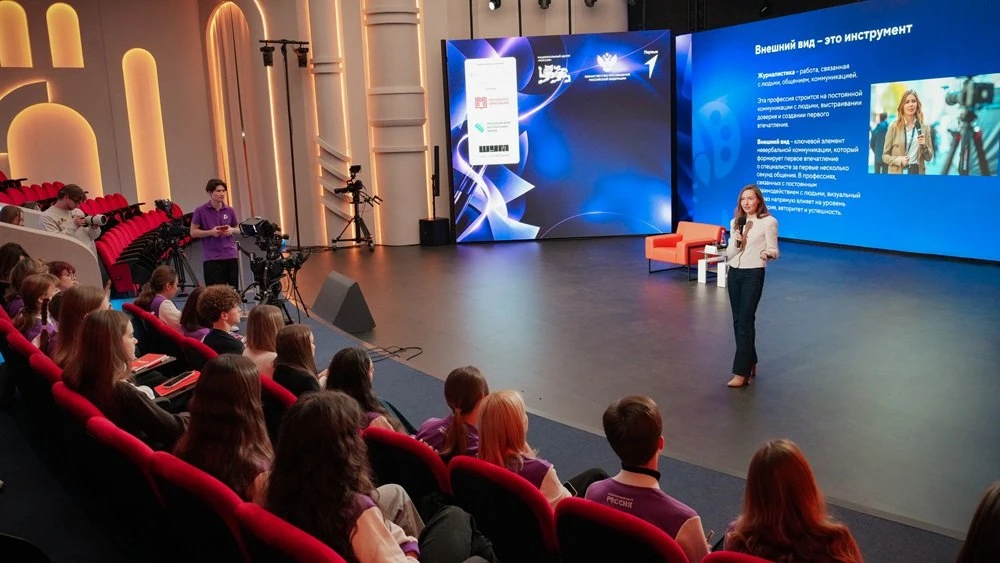
Yulia Iordanskaya, in turn, used the style of "Moskva 24" to explain how media professionals working in the studio can vary their appearance despite established restrictions. She said that creating a look begins with understanding the outlet, rather than choosing clothes: whether it has a national or regional reach, who its audience is and what the person on camera needs to achieve.
"A stylist's task is to give a distinctive identity to a particular channel and each person on camera. This means considering body shape, colour palette and style archetype, understanding proportions and knowing how to find good-quality, affordable clothing. But even if a channel covers luxury, for example, the presenter's or correspondent's clothing should convey that status while keeping the viewer focused on what is happening on screen," Yulia Iordanskaya noted.
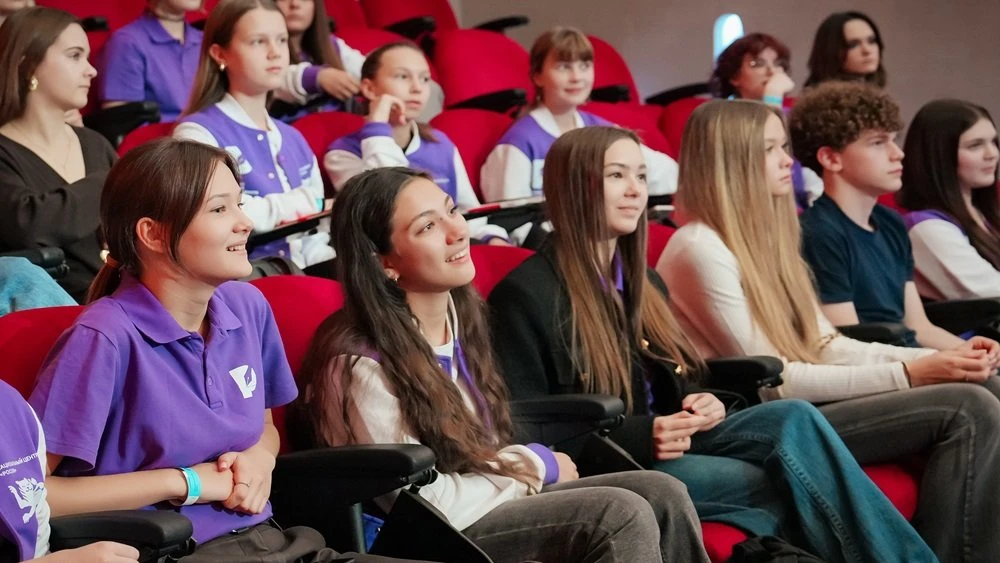
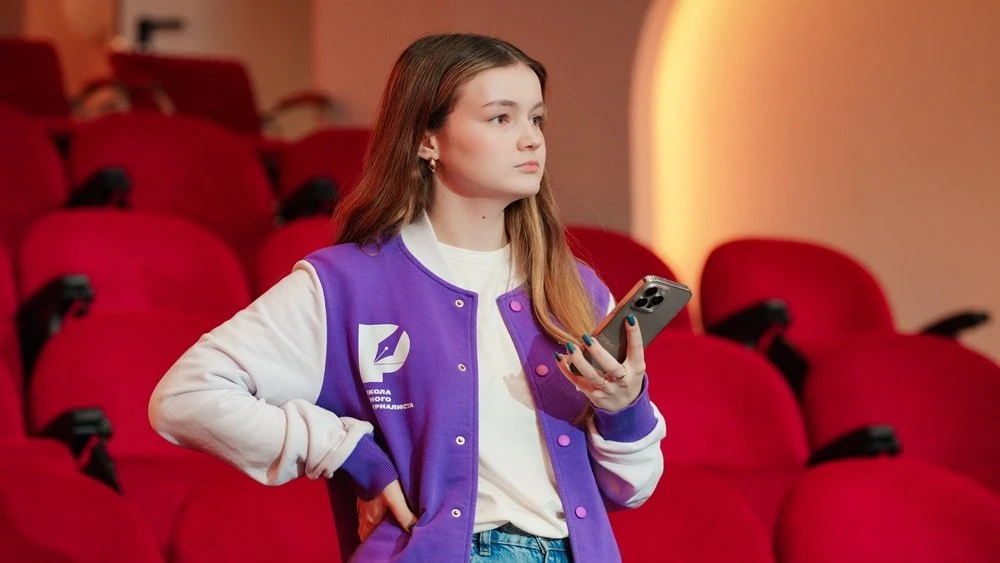
The Young Journalists School is an original project spanning multiple formats, run by the National Centre RUSSIA together with the Ministry of Education of the Russian Federation and the Movement of the First for school and college students aged 12–17. The School aims to help young people gain practical media skills, build a portfolio and perhaps choose journalism as their future profession. Graduates of the project's first season have already formed a youth media community at the National Centre RUSSIA. They continue to stay together, work on joint initiatives, share experience and cover real events at the venue.
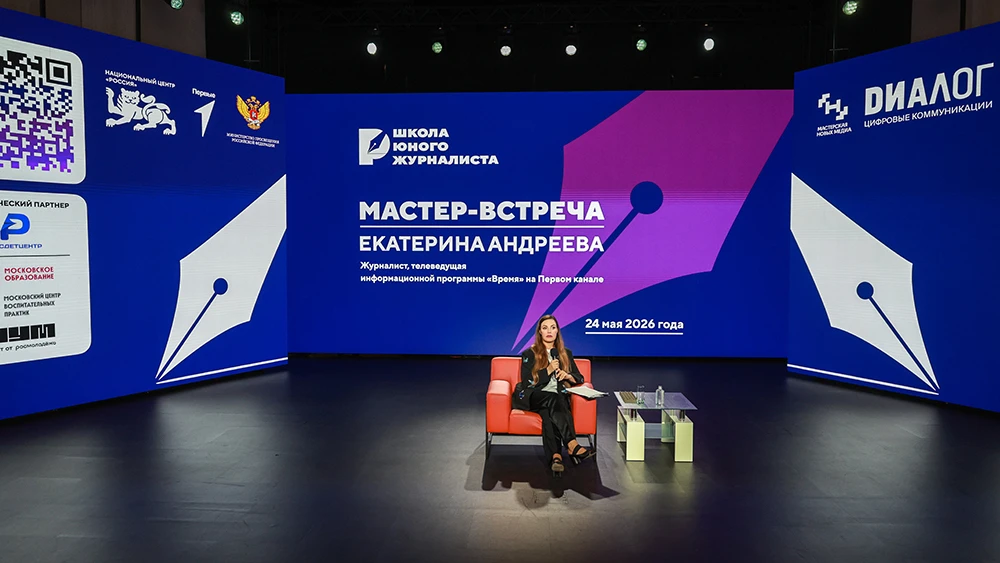
The National Centre RUSSIA is continuing to accept applications for the second season of the Young Journalists School.
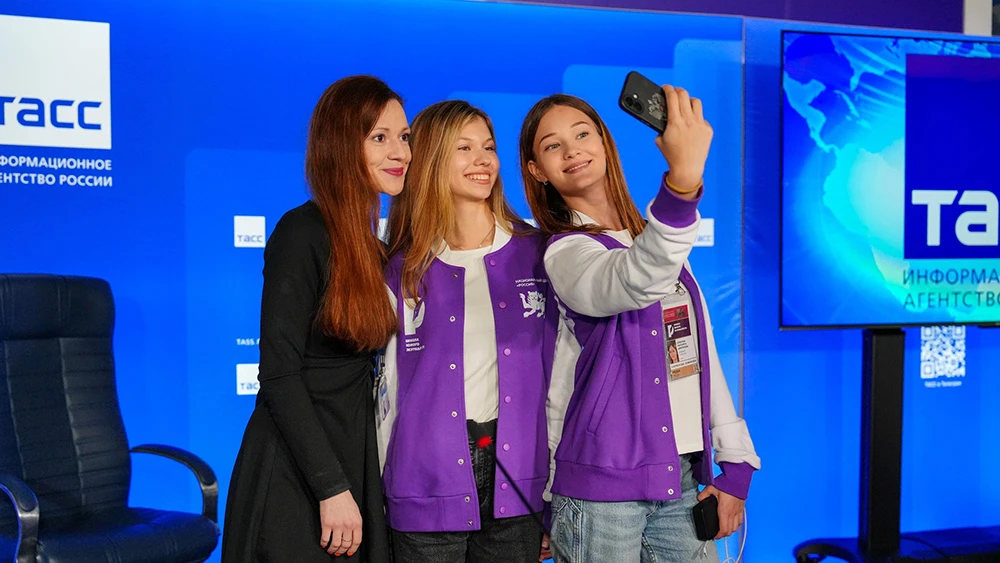
The Young Journalists School, a major original project of the National Centre RUSSIA, welcomes school and college students aged 12 to 17 from across the country.
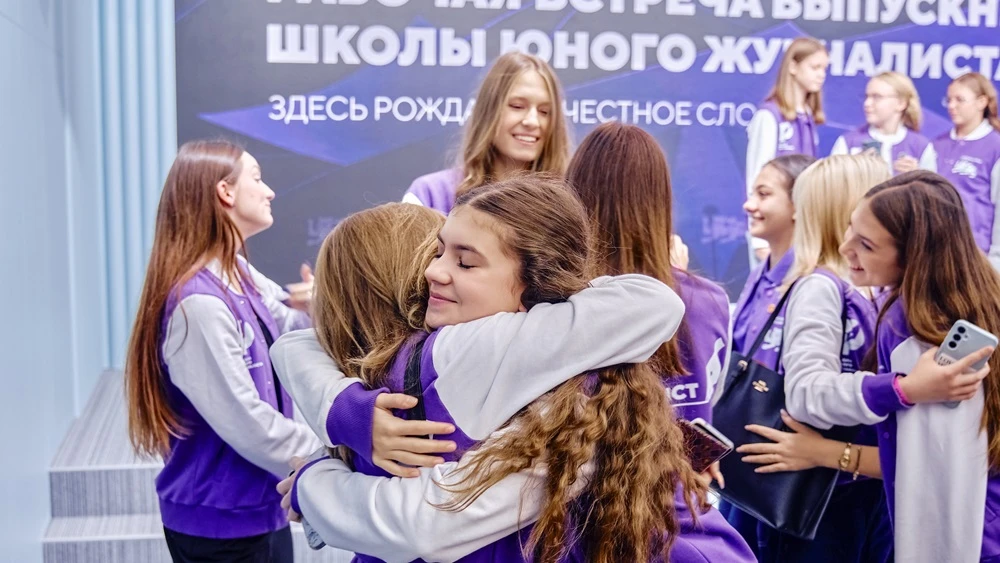
The first intake of the Young Journalists School marked the beginning of a large professional community.


