Day of Unity of the Peoples of Belarus and Russia: shared past and joint projects for the future
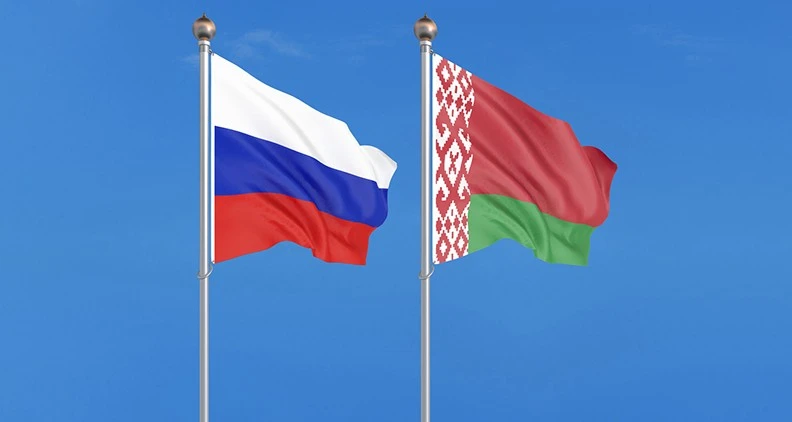
On 2 April, Russia and Belarus celebrate the Day of Unity of the Peoples — a date that reflects not only signed agreements, but also how closely the lives of people on both sides of the border are intertwined. A shared history, similar family memories of the war and post-war years, linguistic closeness, and joint scientific and cultural initiatives all turn the union of the two countries into a living reality rather than merely a political construct.
Officially, the holiday dates back to 2 April 1996, when the Treaty on the Formation of the Community of Russia and Belarus was signed in Moscow. A year later, the two countries concluded the Treaty "On the Union of Belarus and Russia", and on 8 December 1999 — the Treaty on the Establishment of the Union State and the programme of its implementation. Since 2000, following the exchange of instruments of ratification, the union framework has become part of the everyday life of millions of people. These documents secured equal rights for Russian and Belarusian citizens in employment, leisure, healthcare, education and freedom of movement.
The goals of the Union State remain unchanged: improving the quality of life of citizens, strengthening fraternal ties and ensuring sustainable socio-economic development through the pooling of resources and competencies. The economy remains one of the key pillars of the Union State.
One notable example of joint work by scientists from both countries is the project "The Population of Belarus. An Album of Faces — A Look into the Past". This large-scale study, prepared by Belarusian and Russian specialists, presents scientific reconstructions of the appearance of 26 inhabitants of Belarusian lands from different eras — from an ancient miner who extracted flint four and a half thousand years ago to urban residents of the 13th–19th centuries from Belynichi and Nesvizh.
Preserving a shared historical memory is one of the priorities of the Union State. The project "Russia and Belarus: Pages of a Shared History" brings together historians from both countries to develop educational and methodological materials, helping school and university students to see the past as a common regional history. The cultural and educational project "Memory Train" annually gathers senior school students from Belarus, Russia and other countries for journeys to sites associated with the Great Patriotic War. The reconstruction of the memorial complex "Brest Fortress — Hero" is a major Union State project that received a Special Prize of the President of Belarus.
Another important dimension of cooperation is healthcare and the social sphere. The "Union-Biomembranes" programme brings together scientists and medical professionals working on new pharmacological substances, cell therapy technologies and methods for treating oncological and autoimmune diseases. Cooperation in disaster medicine includes the exchange of experience, technologies and specialist training.
In education and culture, cooperation is expressed through dozens of initiatives. For example, the Belarusian-Russian creative cluster, established in 2021, brings together professional education programmes, scientific and creative projects for young people. Major cultural events such as the "Slavianski Bazaar in Vitebsk" festival annually reinforce the shared cultural space.
The union of the two countries is also actively developing in the field of high technologies and space. At the Seventh Eurasian Aerospace Congress, held at the National Centre RUSSIA, representatives of Russia and Belarus discussed joint development of the space industry. As noted by Academician Pyotr Vityaz, Head of the Aerospace Activities Department of the National Academy of Sciences of Belarus, Russia and Belarus will jointly build a new Russian orbital station, develop spacecraft and implement Union State programmes.
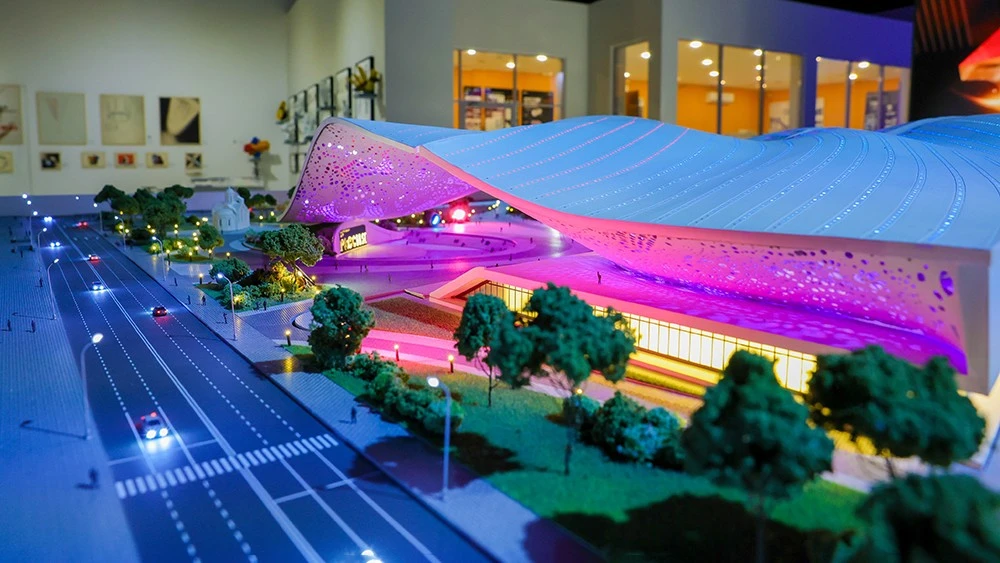
For the National Centre RUSSIA, the theme of unity between the peoples of Belarus and Russia is a story about a modern country and its partners. The venue hosts major congresses, expert discussions and cultural events involving Belarusian and Russian scientists, public figures and young professionals. Here, it is clearly demonstrated how shared history and cultural proximity are translated into joint projects in science, medicine, education, the arts and space.
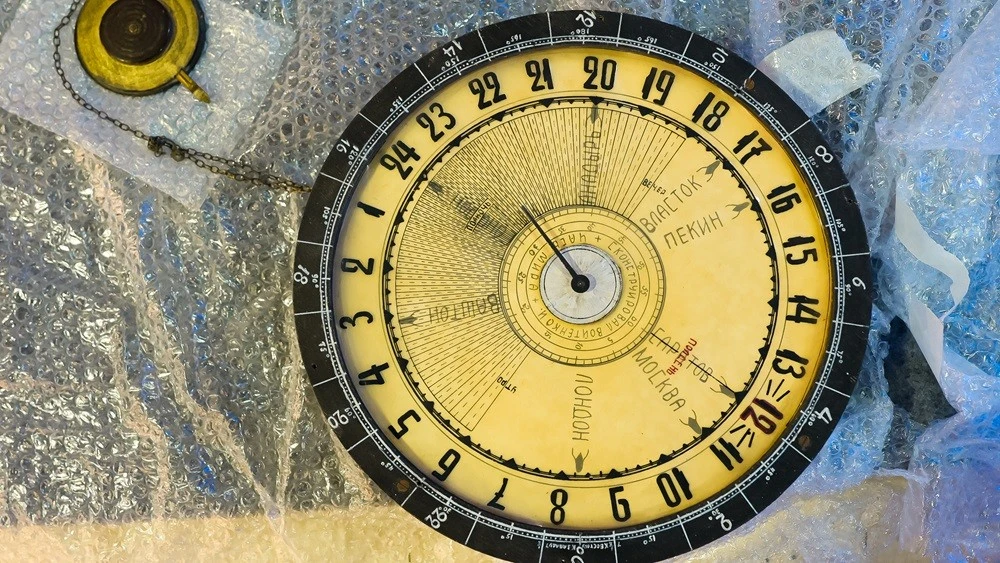
Educational instruments created by a school teacher to explain the movement of the Earth to children are now presented at the "Geography Lessons".
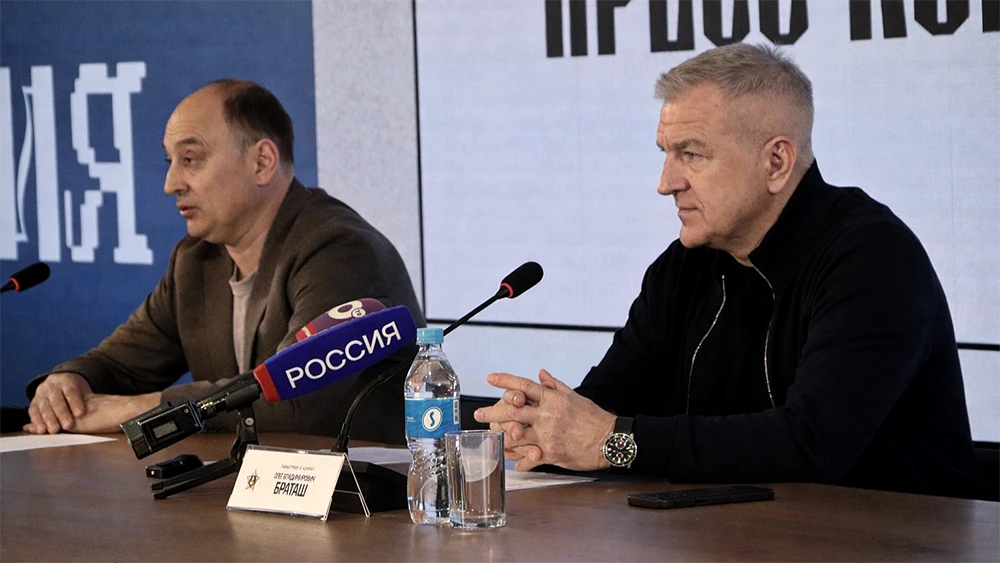
A press conference was held at the National Centre RUSSIA in Primorye with the participation of Admiral HC General Manager Viktor Gordiyuk and Head Coach Oleg Bratash.