


Geographer’s Day: loving, discovering and exploring the country at the National Centre RUSSIA
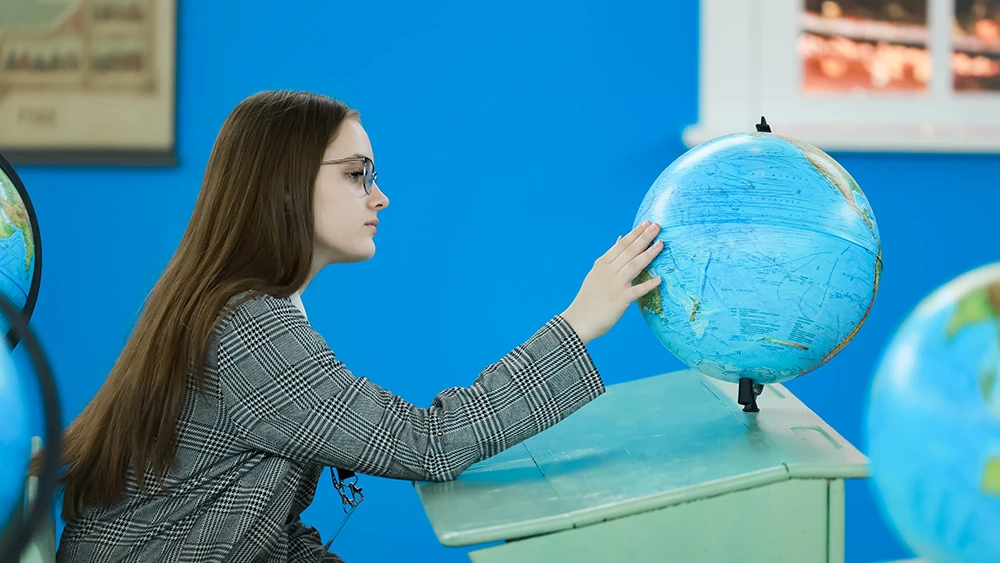
Geographer’s
Day is celebrated in Russia on 18 August. It honours those who study the
country’s vast expanse, discover new routes and help others understand the
links between history, nature and territorial development. The date holds
particular significance for the National Centre RUSSIA: here, geography is not
only a subject of study but also a way of telling the story of the country, its
past, present and future.
The date is connected with the history of the Russian Geographical Society. On
18 August 1845, Emperor Nicholas I approved a proposal to establish the
Imperial Russian Geographical Society in Saint Petersburg. Exactly 175 years
later, on 18 August 2020, the first Geographer’s Day was held. The choice of
date is symbolic: the history of geographical knowledge in Russia is a history
of journeys, expeditions and scientific discoveries that gradually transformed
perceptions of the country’s territory and the wider world.
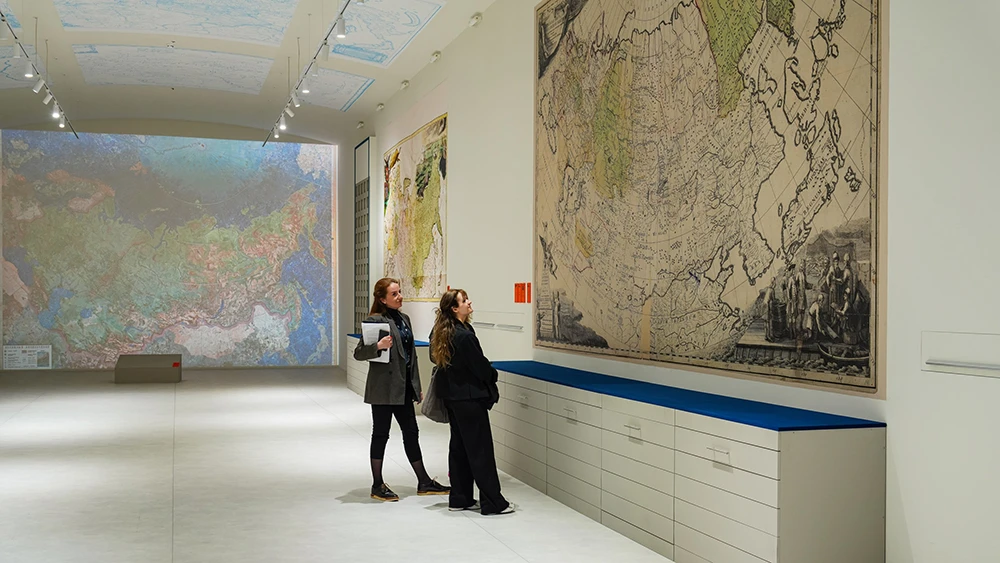
Russian explorers travelled across Siberia and the Far East, studied the Arctic
seas, charted maritime routes and embarked on expeditions to the most remote
territories. Among the most important chapters in the history of Russian
geography are the Great Northern Expedition of the 18th century, the
exploration of Kamchatka and the Far East, the expedition led by Fabian
Gottlieb von Bellingshausen and Mikhail Lazarev, during which Antarctica was
discovered in 1820, and the research conducted by Gennady Nevelskoy. Every such
expedition involved far more than maps and scientific reports. At their heart
were people, their knowledge, courage, hard work and willingness to venture
where no route had yet been charted.
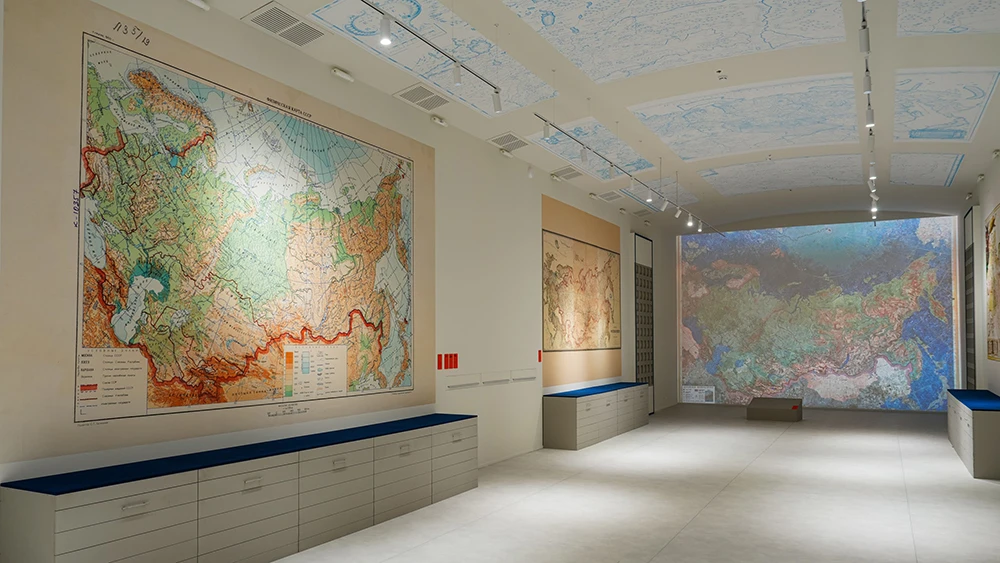
Today, geography can be studied through more than textbooks alone. At the
National Centre RUSSIA, it became the focus of the major exposition project
"Geography Lessons". Held from 3 April to 9 July 2026, the exposition
brought together unique maps, atlases, globes, archival materials and other
objects from the collections of the Russian State Library, the Russian Geographical
Society, the archives of the Russian Ministry of Defence, leading universities
and research centres. Many of the exhibits had never previously left their
repositories.
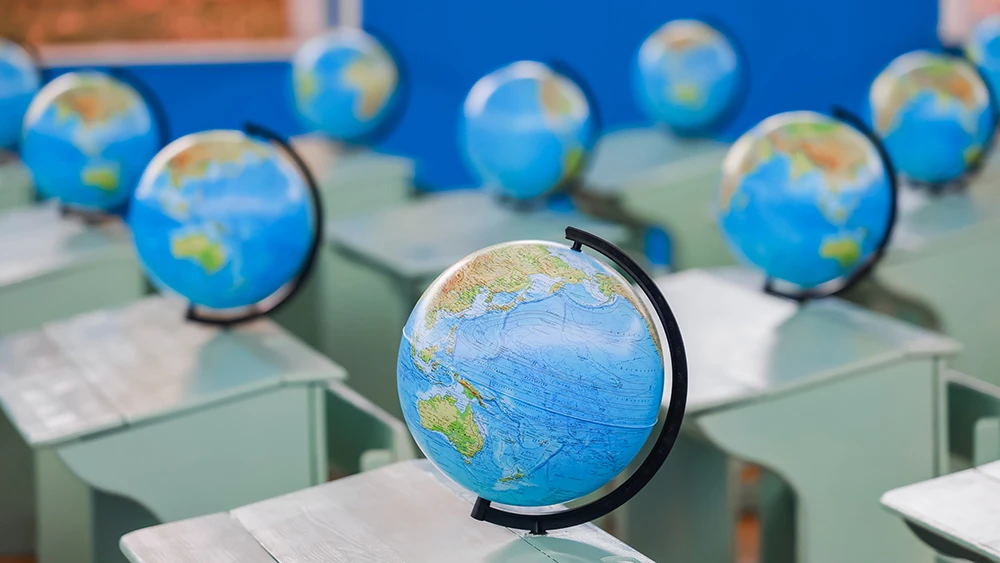
Geography helps us understand more than where a particular place is located. It explains why cities emerge in certain locations, how natural conditions influence the economy, how transport links regions and why the development of such a vast country is impossible without an understanding of its territory. This is why "Geography Lessons" was designed not as a conventional historical exposition, but as an educational space hosting themed lectures and workshops.
In addition, the Forum of Geography Teachers and Students of Specialist
Universities was held at the National Centre RUSSIA in June 2026. It brought
together more than 800 participants from all of the country’s federal
districts. The discussions focused on modern textbooks, digital technologies,
expedition work and ways to make geography more engaging for schoolchildren.
Geographer’s Day is a reminder that Russia’s territory is not merely a vast
area on a map. It encompasses thousands of kilometres of roads and railway
lines, Arctic expanses and Far Eastern shores, mountains and plains, rivers and
seas, cities and small settlements. Most importantly, it is home to the people
who live and work across this territory.

On Monday, 21 September, the National Centre RUSSIA will hold a scheduled maintenance day.

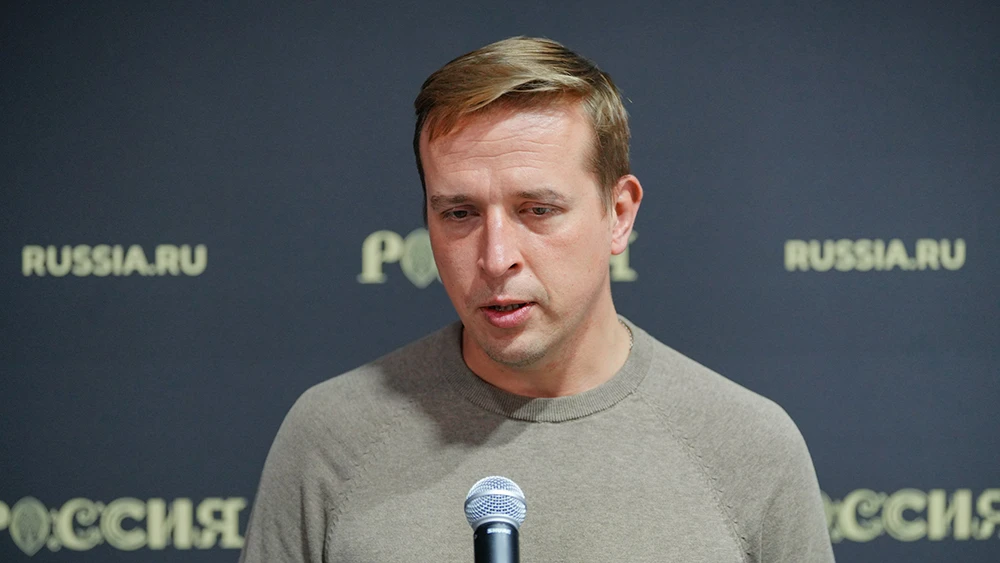
Vasily Novikov at the National Centre RUSSIA Lecture Hall's original educational event "Myths and Facts about Rus', Vikings and Slavs".
Anna Karenina remains one of the most complex and contradictory characters in Leo Tolstoy's work.


