


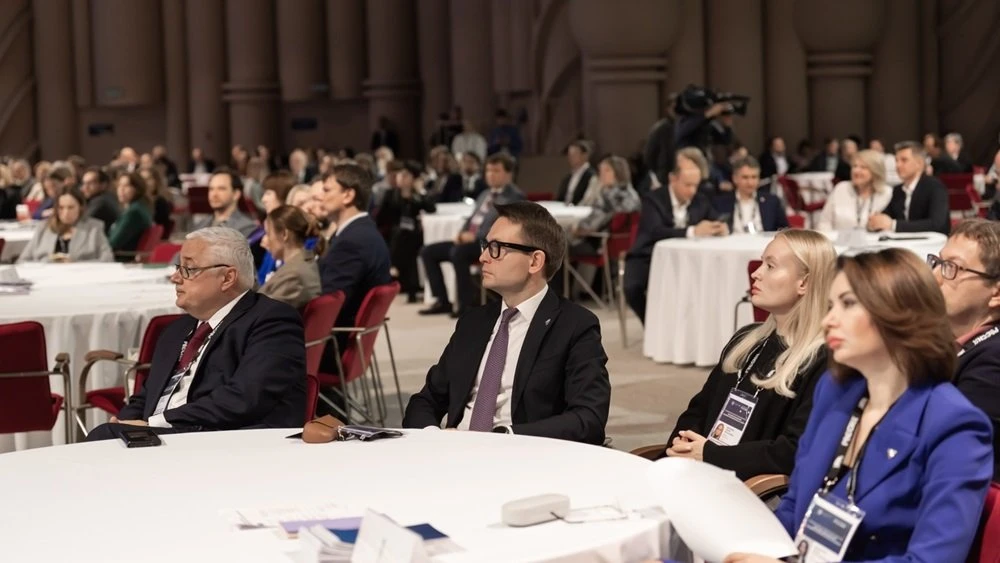
Dmitry Chernyshenko launched the open expert dialogue "Higher Education in a New Technological Era" at the National Centre RUSSIA
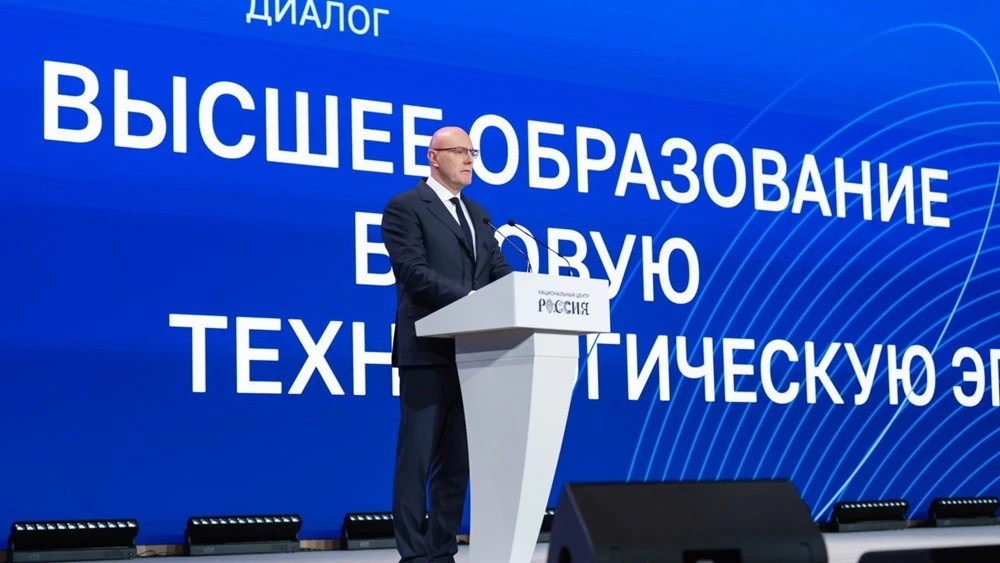
The Deputy Prime Minister of the Russian Federation, Dmitry
Chernyshenko, and the Minister of Science and Higher Education, Valery Falkov,
launched the open expert dialogue "Higher Education in a New Technological
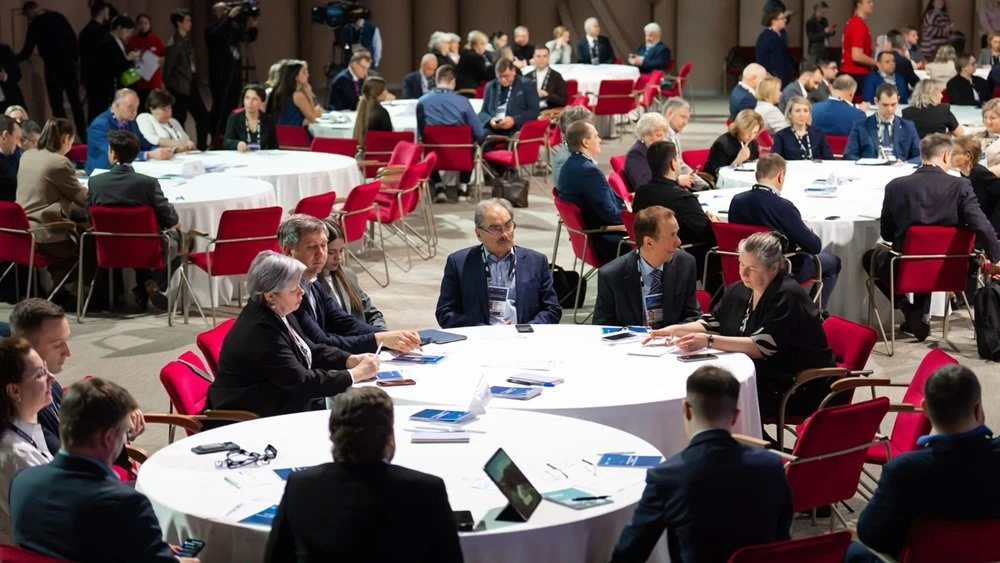
Era". Over three days at the National Centre RUSSIA, representatives of
federal ministries, the Russian Academy of Sciences, the academic and
professional communities, and business will develop approaches to updating the
higher education model, taking into account technological trends, demographic
developments, and changes in the labour market.
Dmitry Chernyshenko outlined a number of key challenges
being addressed by the Government of Russia: achieving technological
leadership, combining the best practices of Soviet education with the
experience of recent decades, and training a new generation of engineers.
"Achieving Russia’s technological leadership is a
national goal set by our President, Vladimir Vladimirovich Putin. Universities
play a crucial role here, as they train the workforce for the economy. By 2032,
Russia will need 4.5 million specialists with higher education. These figures
come from the workforce forecast of the national project 'Personnel', overseen
in the Government by Tatyana Golikova. It is important to focus not only on the
number of such specialists, but also on the quality of their training.
Therefore, I expect that, together with the business community, educational
standards will be reviewed and new formats of the educational process will be
defined," said the Deputy Prime Minister.
He added that at the same time the higher education system
must remain flexible and respond promptly to changes and the demands of
socio-economic development. It is necessary to train not just executors, but
creative, proactive specialists capable of developing their own technologies
and solutions.
"The need to combine the best practices of Soviet
education with the experience of recent decades was highlighted by our
President, Vladimir Vladimirovich, in his Address to the Federal Assembly. This
launched a pilot project to introduce a new model of higher education in six
universities. By presidential decree, the pilot has been extended until 2030,
and the list of participants has been expanded to 17 institutions from
different sectors. As the next stage begins, it is important to take into
account feedback, accumulated experience, and to scale the best
practices," Dmitry Chernyshenko said.
Regarding the training of a new generation of engineers, the
Deputy Prime Minister noted that the head of state, in Decree No. 529,
identified seven priority areas and 28 key high-tech technologies. National
projects on technological leadership are aimed, among other things, at their
development and implementation. Graduates must possess all the skills required
to work with advanced solutions being introduced in industry.
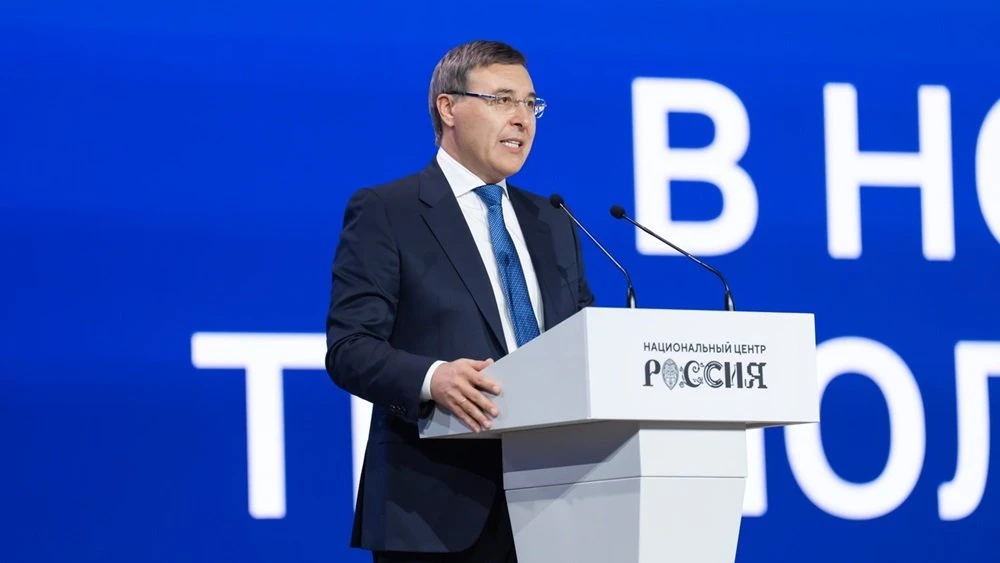
Minister of Science and Higher Education Valery Falkov
emphasised that President of Russia Vladimir Putin has identified as a key task
for business, the state, and the education system the need to change the entire
paradigm of workforce training.
"I would like to draw the attention of all colleagues
to the importance of the task before us. This is not about mechanically
extending the duration of study, abandoning certain concepts, merging
specialisations, or rearranging disciplines within curricula. Given the scale
of the challenges, we need to rethink the concept of higher education in all
its key aspects," the minister stressed.
Valery Falkov noted that the goal of the expert dialogue is
to look at the current system of higher education not from within, but from the
outside — through the eyes of those who see changes in the economy,
demographics, technology, and international relations, and who understand the
nature of technological development and labour market transformation. The task
is not to predict the future, but to create it together through an open expert
discussion.
The outcome of the three-day work is expected to be a
programme document defining criteria for identifying fields of study and
principles for shaping their list within the new model of higher education,
taking into account technological and demographic challenges and the new
situation in the labour market. The experts’ proposals will be reflected in a
report to the Prime Minister, Mikhail Mishustin, during two strategy sessions
in May: on the development of engineering universities and technical colleges,
and on improving the governance system of scientific and technological
development.
A report titled "Fundamental Changes in the Global
Economy and Global Architecture" was also delivered by the Deputy Chief of
Staff of the Presidential Executive Office of Russia, Maxim Oreshkin, while the
Minister of Labour, Anton Kotyakov, presented a report titled "Workforce
Demand Forecast: How the Demand for Specialists is Changing".
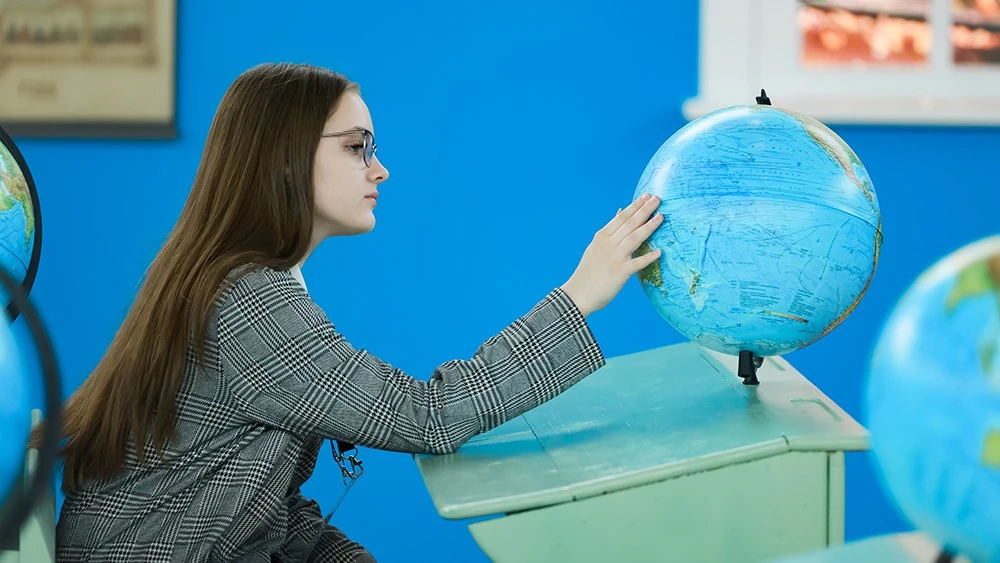
At the National Centre RUSSIA, geography goes beyond the textbook. The exposition "Geography Lessons" immerses visitors in the atmosphere of school years.
From 27 to 29 April, the II Open Dialogue "The Future of the World. A New Platform for Global Growth" will take place at the National Centre RUSSIA.
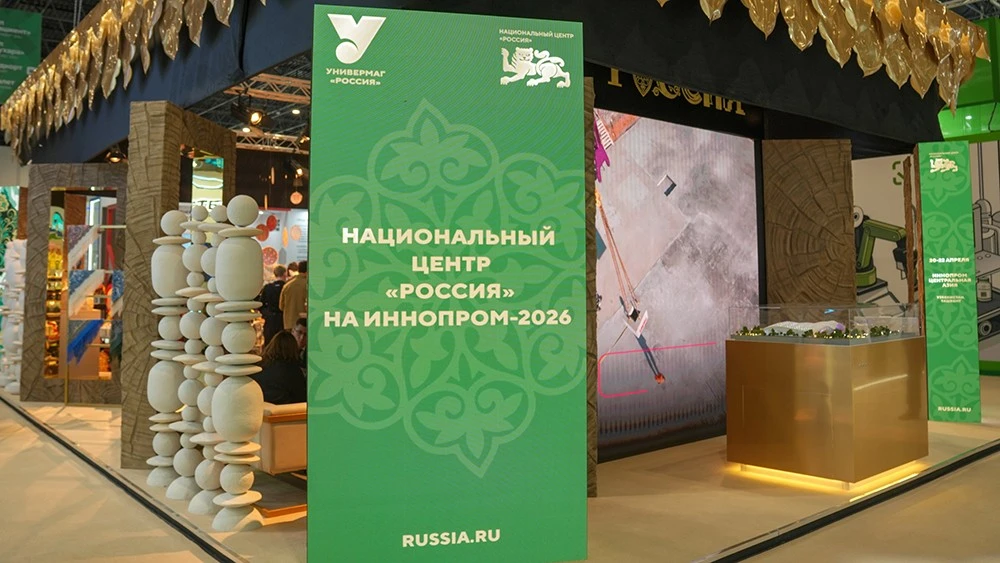
"INNOPROM. Central Asia" is an international industrial trade fair aimed at developing trade and industrial cooperation.


