


Fact-checking at the Young Journalists School: how teenagers learn to verify information
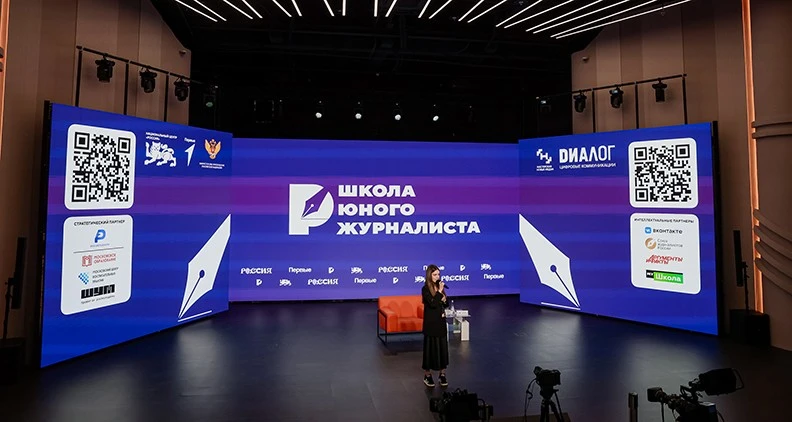
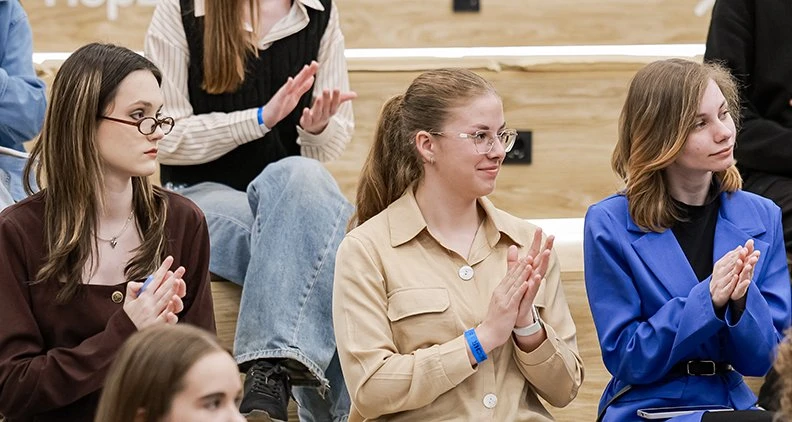
Fake news can damage a journalist’s reputation, while rigorous fact-checking helps build audience trust. Participants of the Young Journalists School learned why it is essential for professionals to distinguish truth from fiction and to avoid spreading inaccurate information themselves. During a session dedicated to fact-checking, the students were taught how to "spot" misinformation in the media and resist manipulation.
The programme was divided into two age groups: 12–14 and 15–17. This format made it possible to adapt both the material and the tasks to the participants’ level of preparation and interests. The younger group (12–14) worked with Galina Silantyeva, lead producer at the Moscow Media Joint Editorial Office. In an accessible format, the students were introduced to basic concepts: what fact-checking is and why it matters for a journalist, the different types of information, and how sources differ. Using examples, they discussed why one should not blindly trust the first information found online and how to seek confirmation from independent sources.
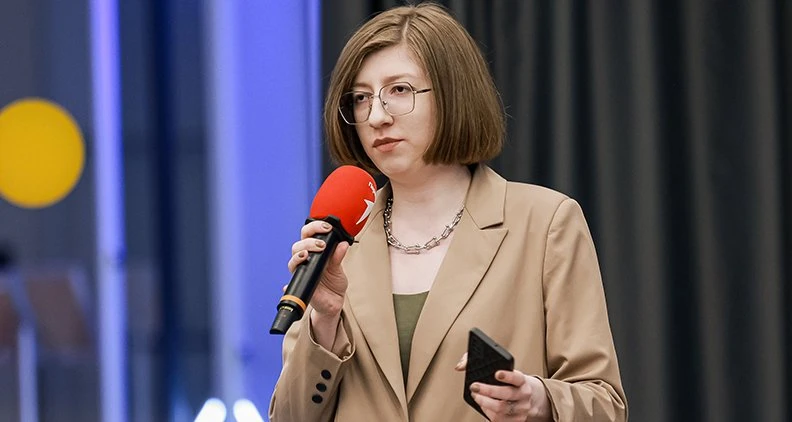
The older group (15–17) worked under the guidance of journalist Yana Shevchenko, an editor of the Izbornik project. The session was co-led by her colleague Polina Menshova, a journalist at Naked Science, a lecturer at the Higher School of Economics, and editor-in-chief of the Izbornik project. The teenagers examined the algorithm for verifying information in detail, learned to ask the right questions and work with sources. They also discussed common mistakes and deliberate distortions that journalists encounter.
"Fact-checking is a professional term, but in essence we all practise it in everyday life, especially school and university students. The difference is that a journalist must be able to do it systematically and take responsibility for every published word," said Yana Shevchenko.
The experts explained how fake news websites operate, why time pressure and information overload make verification more difficult, and the risks of blindly trusting "virtual assistants".
"Fact-checking not only helps avoid becoming a victim of propaganda, but also prevents more serious consequences. For example, situations where the dissemination of unverified information may lead to serious legal repercussions," said Polina Menshova.
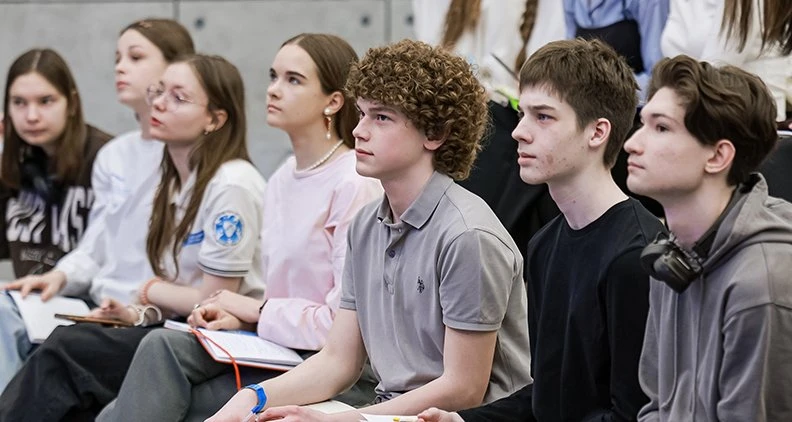
In the practical part, both groups worked with real cases from Russian media. Participants were given news reports, publications and excerpts from broadcasts in which they had to identify weaknesses: unverified facts, inaccurate wording, manipulative headlines and misleading visuals. The students attempted to verify the facts independently using open sources, compare data and formulate conclusions. They also learned why, in some cases, it is necessary to "step away from the computer" — to consult experts, refer to primary sources and work with offline materials.
According to the experts, even professionals are not immune to mistakes. Making an inaccuracy is normal — what matters is responding to it quickly and correctly.
"There is so much new information — it feels overwhelming. I like that we analyse real examples and understand how it works in practice. I think we will meet the Izbornik team again and learn even more," shared Anastasia Shurova, a participant of the Young Journalists School.
Anna Filimoshina noted that the topic of fake news is familiar to her not only from the internet: "Fake information exists not only in news and social media, but also in everyday rumours — at school and in communication. After the lecture, it became clearer where and how to verify information, especially when it comes to neural networks and ‘attention-grabbing’ headlines."
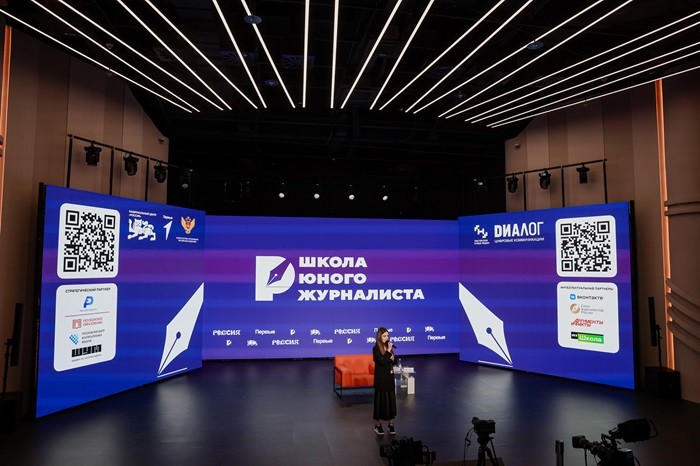
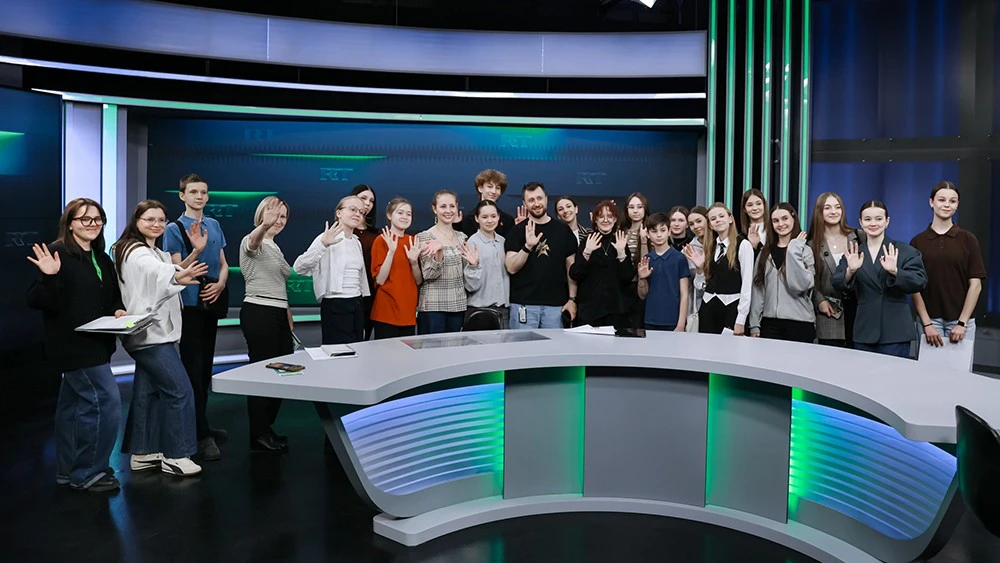
The session was part of the programme of the Young Journalists School at the National Centre RUSSIA. The aim of the project is to help teenagers master the basics of media professions, learn to work responsibly with information, and develop a conscious approach to what they read, watch and share.
Event photobank

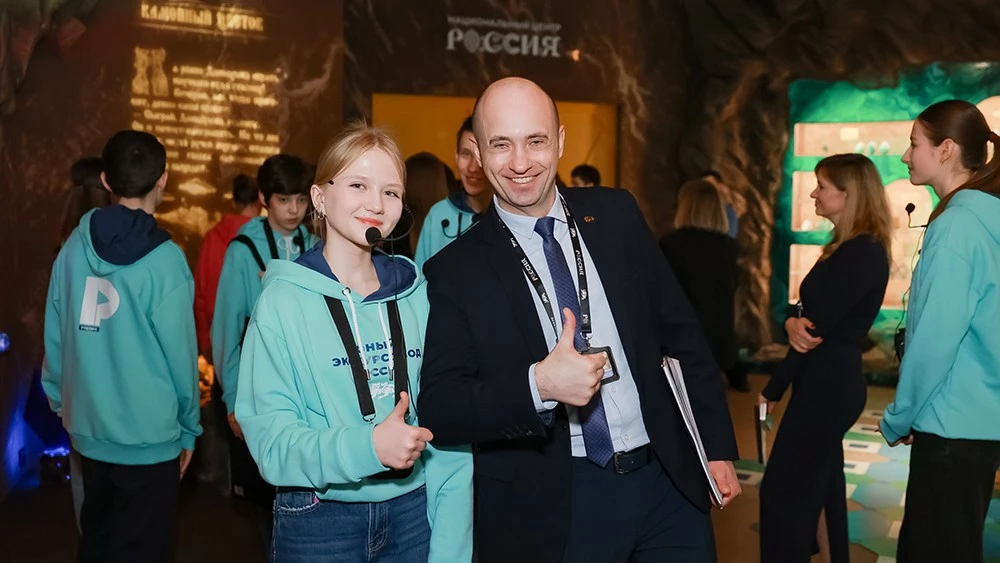
Two original youth projects of the National Centre RUSSIA came together on 28 March at the exposition "Journey Across Russia".
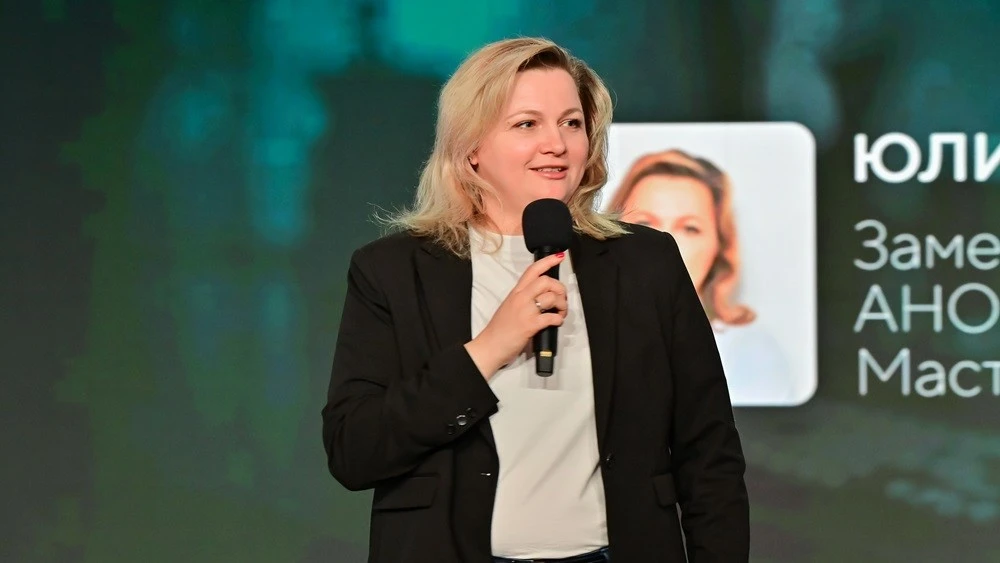
Media today do not simply report on the world — they change it, shaping a new reality.


