


Geography of heroic feats: guests of the National Centre RUSSIA learned how people, maps and nature protect the country
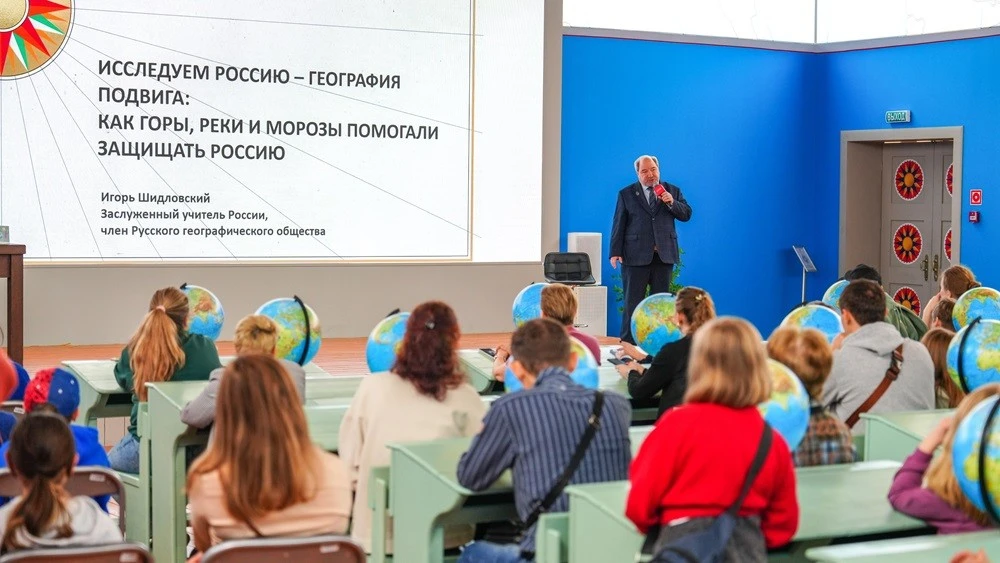
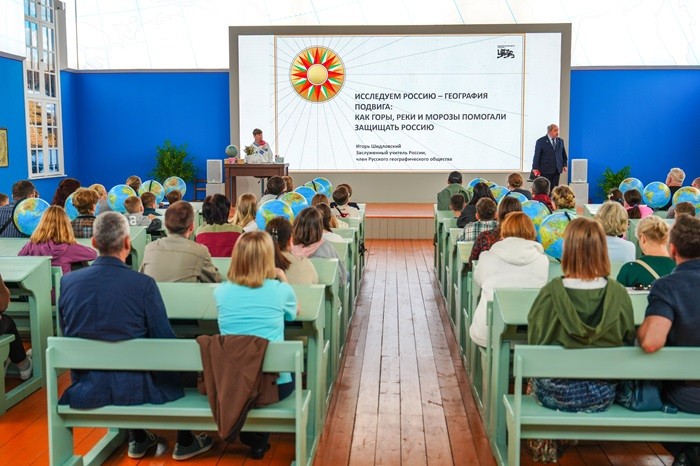
Frost and swamps as allies in war, the "Road of Life" across the ice of Lake Ladoga, the first Russian voyages around the world and diplomacy with the peoples of distant lands all became part of a conversation about how geography influences the fate of the country. The National Centre RUSSIA hosted a meeting of the "Exploring Russia" project, "Geography of Heroic Feats: How Mountains, Rivers and Frosts Helped Defend Russia".
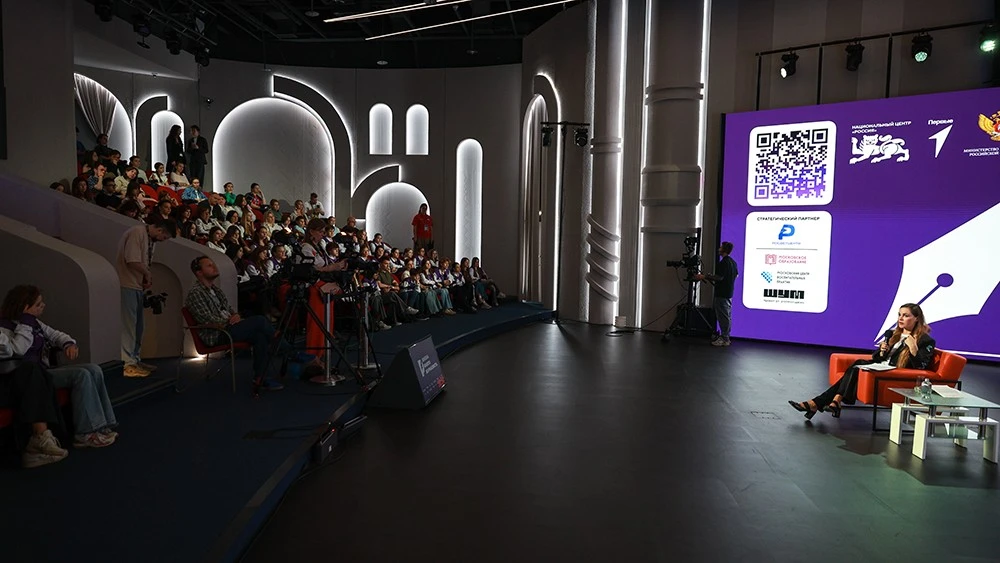
The event was hosted by TV and radio presenter Dmitry Morozov, the "male voice" of the National Centre RUSSIA. The guest was Igor Shidlovsky, Honoured Teacher of the Russian Federation, journalist, traveller and guide.
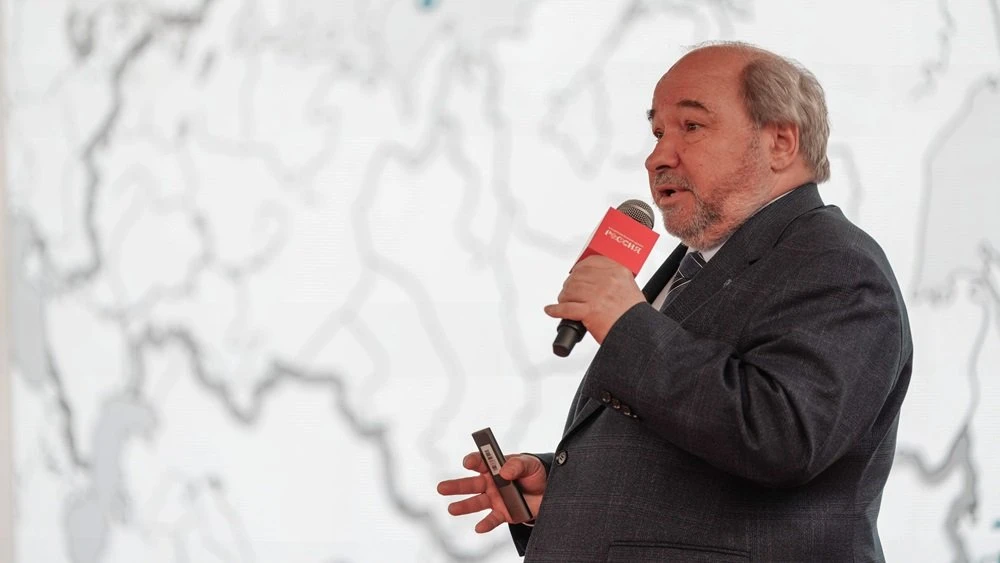
"A heroic feat is an act performed by a person in difficult conditions for the sake of others. In this sense, almost all our major geographical discoveries were heroic feats. People ventured into the unknown without accurate maps, through swamps, taiga and ice, faced a harsh climate and a lack of understanding, but continued their journey in order to open these lands for the country," Igor Shidlovsky said.
Using the examples of Semyon Dezhnev, Vitus Bering, polar expeditions and explorers of Russia’s southern frontiers, the expert showed how geography shaped the future of the state. The explorers not only added new outlines to the map, but also established contact with local peoples and learned to live in peace and respect on a shared territory. He recalled that as early as the 17th century, while settling a conflict between neighbouring tribes, Dezhnev used a phrase that sounds almost like a modern formula of good neighbourliness: "Let us live in friendship."
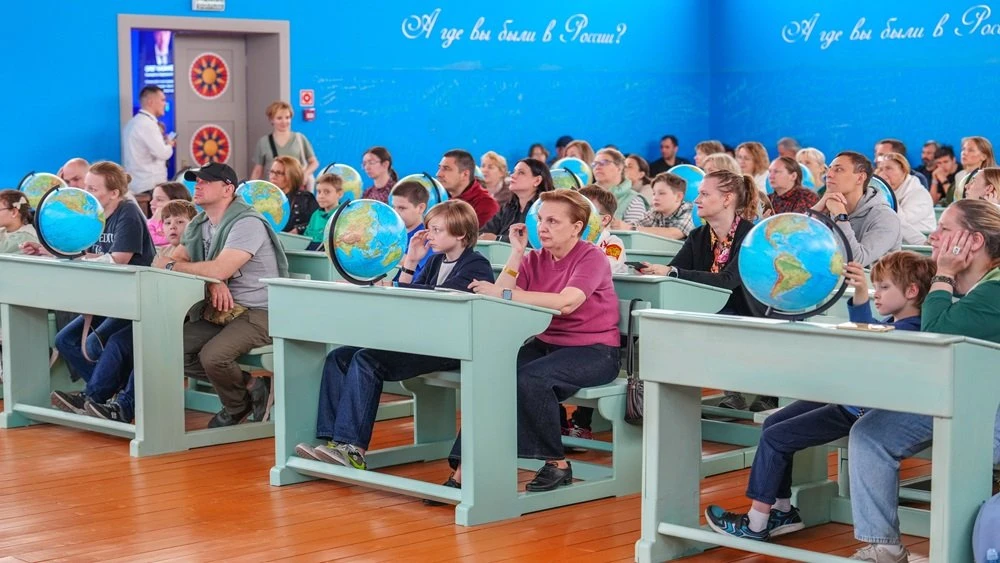
The conversation then moved from the history of discoveries to the defence of the country. According to the expert, rivers, swamps, forests, mountains and frosts repeatedly helped Russia at critical moments, from medieval battles to the wars of the modern era. However, as Igor Shidlovsky noted, it would be wrong to believe that nature "defeated" the enemy by itself: "Rivers, lakes, frost, swamps and everything else helped. That is the crucial word. They did not win — they helped. They helped where there was courage, knowledge and an understanding of how to use nature to our advantage."
Guests also learned about the role of geographers and topographers during the Great Patriotic War. It was they who created and constantly updated the maps used to plan operations, lay routes and choose sites for crossings and defence. The expert also cited the example of the "Road of Life" across the ice of Lake Ladoga: without the calculations of geographers, hydrologists and ice reconnaissance specialists — the thickness of the ice, cracks, and the dates when movement could begin and had to end — the legendary route might never have appeared.
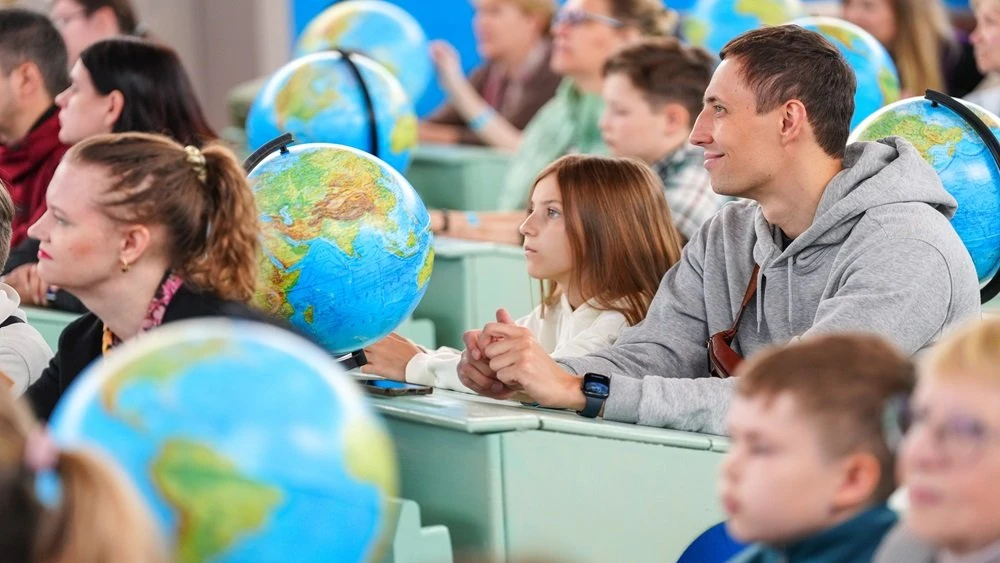
"Yes, we used the ice on Lake Ladoga. But to do that, it was necessary to understand where and how to use it, when to start and when to finish," the speaker emphasised.
Igor Shidlovsky recalled that cartographers, meteorologists and geologists always worked in close cooperation with the military, engineers and doctors. According to him, both in peacetime and during wars, a geographer’s heroic feat lies not only in personal courage, but also in the ability to unite knowledge for the sake of the country’s security and development.
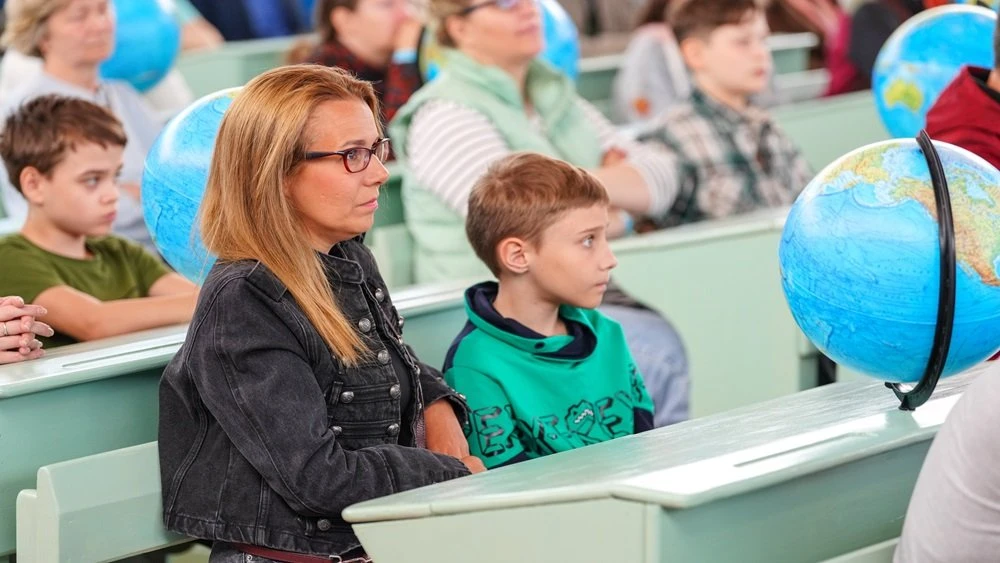
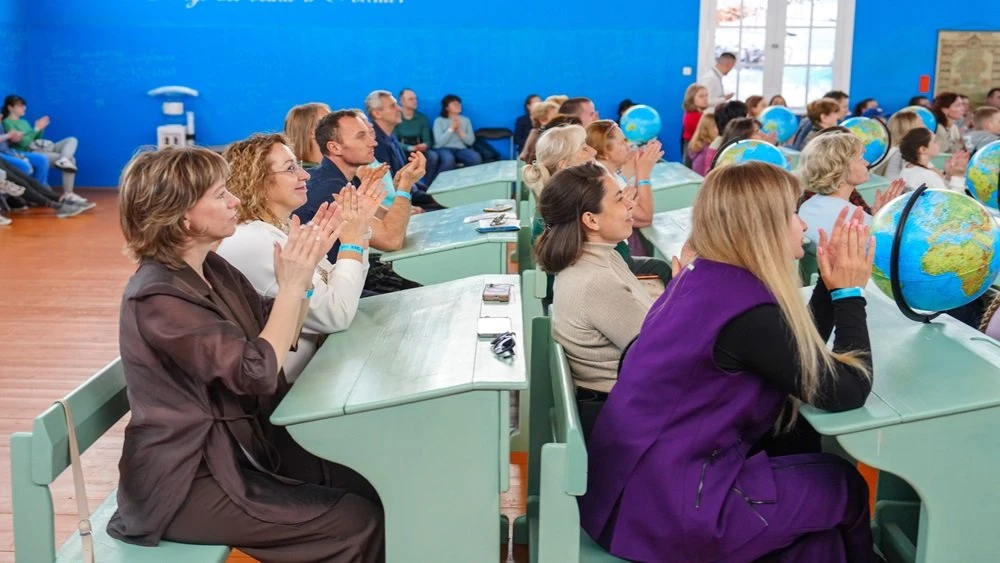
At the end of the meeting, guests took part in a quiz based on the lecture: children and adults eagerly recalled who first passed through the strait later named after Bering, what SP-1 was, and why the Diomede Islands are jokingly called "Yesterday" and "Tomorrow". Participants actively raised their hands and asked questions about modern expeditions, the work of polar explorers and whether there is still room for heroic feats today.
"Heroic feats have not disappeared. They have simply become quieter and more professional, but they still require knowledge, character and love for one’s country," the expert concluded.
The "Exploring Russia" project is timed to coincide with the "Geography Lessons" exposition and presents the country as a space of discoveries and heroic feats, from the first explorers to modern researchers. The project’s events can be attended free of charge, with the schedule published in the "Events" section on the National Centre RUSSIA website.
Event photobank


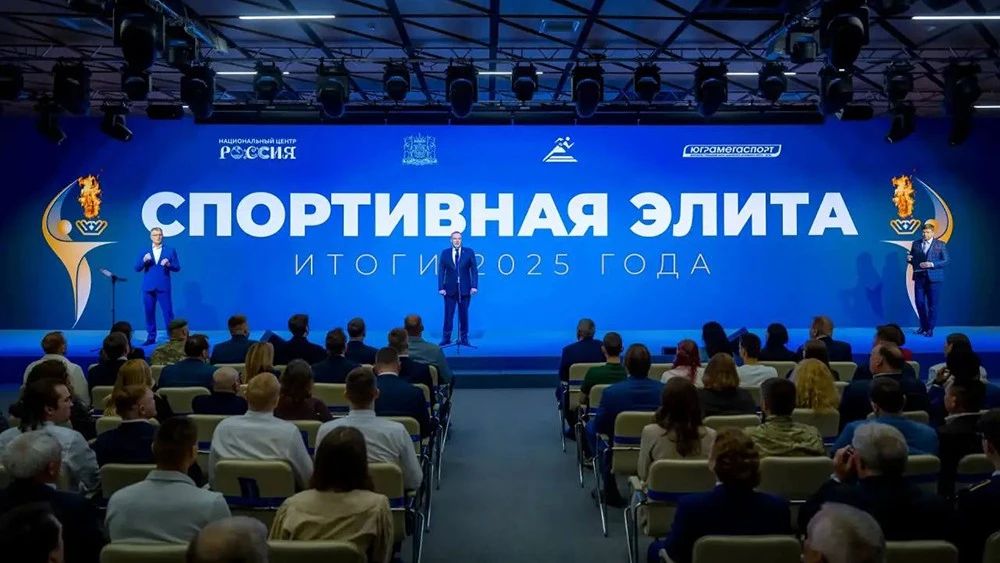
The 30th anniversary ceremony honouring the winners of the "Sports Elite of the Year" contest for 2025 was held at the National Centre RUSSIA in Yugra.
TV presenter and journalist Yekaterina Andreyeva met with participants of the "Young Journalists School" project at the National Centre RUSSIA.


