Geography in dolls: traditions of the country from Moscow to Buryatia at the Department Store RUSSIA
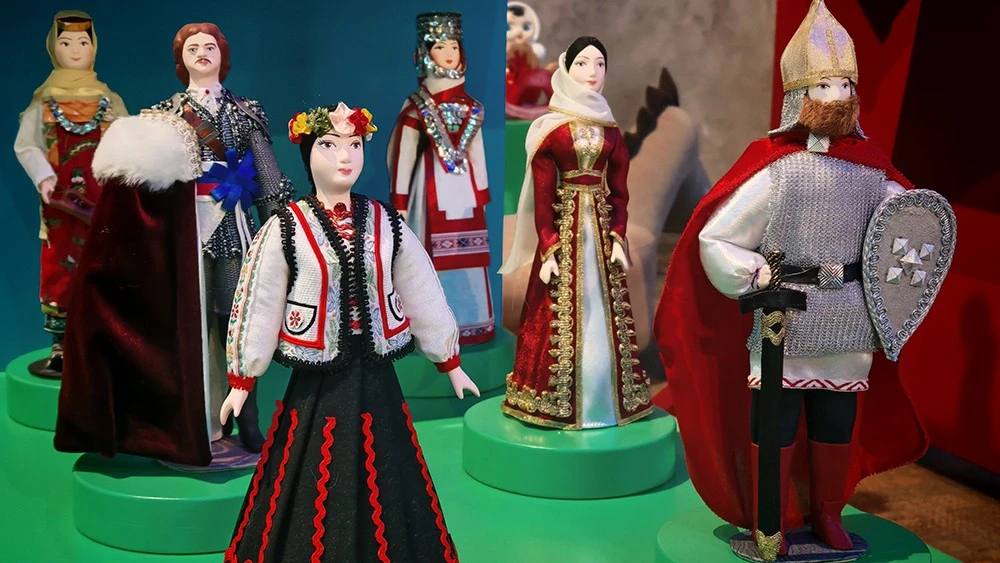
The Department Store of the National Centre RUSSIA presents
a collection of dolls and clay toys that "draw" a map of the country
— from the Lipetsk Region and Kirov to Moscow, Saint Petersburg, Kuzbass and
the Republic of Buryatia. Exploring traditional doll-making becomes a
conceptual continuation of the exposition "Geography Lessons". It is
a way of discovering Russia not through maps and atlases, but through folk
crafts and national traditions.
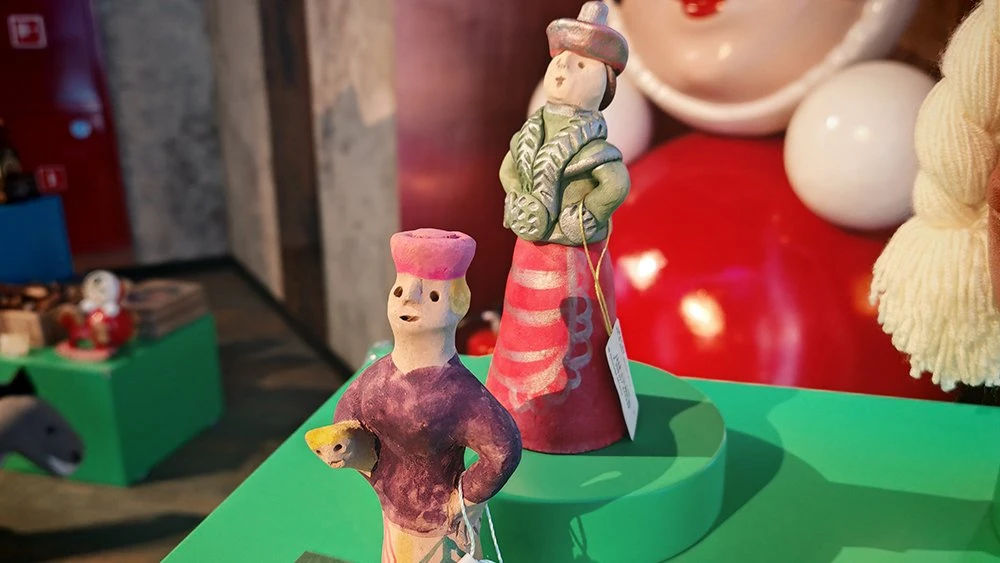
From the Lipetsk Region, Romanov clay whistle toys have
arrived at the Department Store. The "Romanov Toy" craft originated
in the 17th century near the village of Romanovo and is now recognised as part
of Russia’s intangible cultural heritage. Each figure is handmade from white
clay, goes through a multi-stage drying process and kiln firing, and is then
decorated with incisions, engraving and painting in two or three colours. No
two toys are alike — each is a unique work by a master.
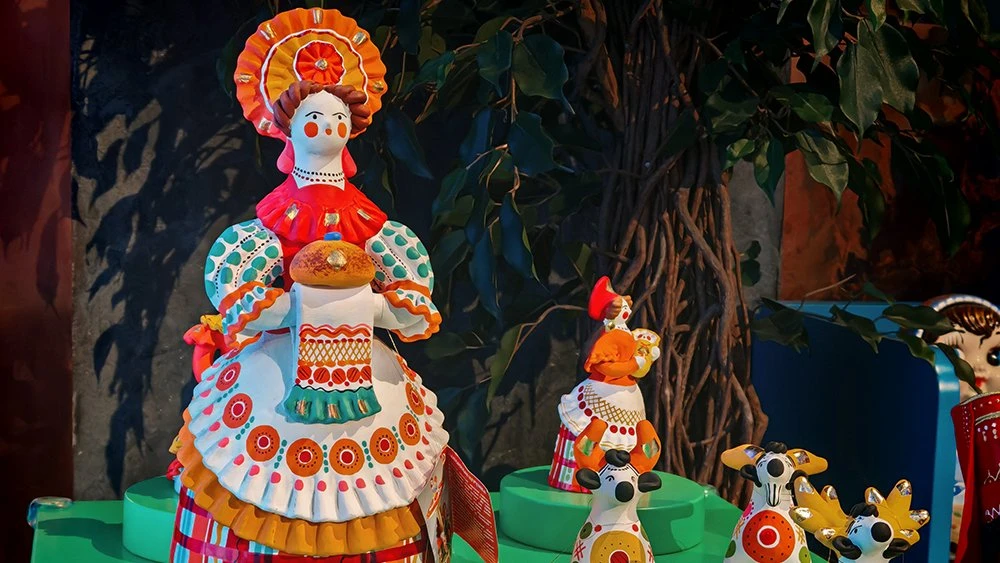
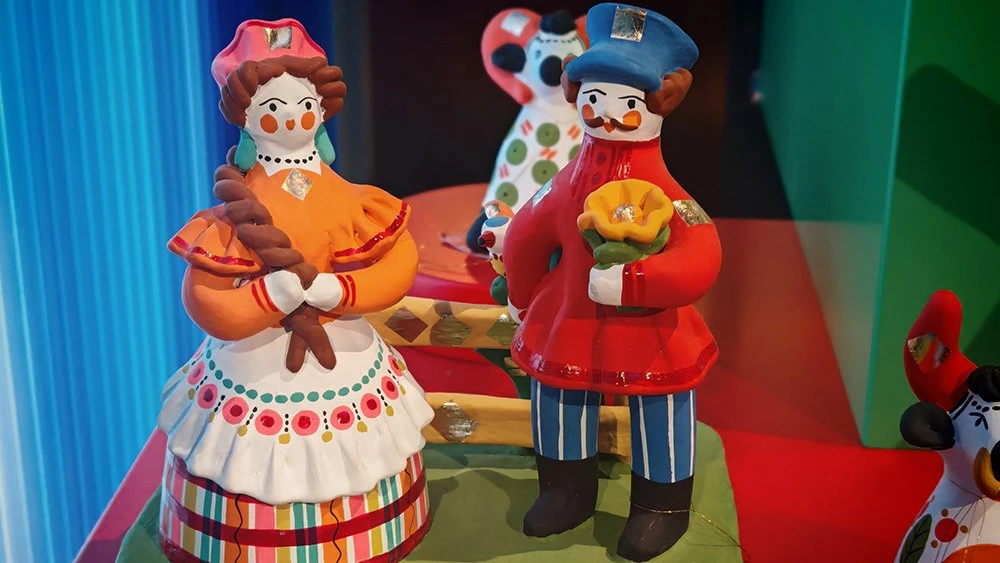
Another well-known folk craft is the Dymkovo toy from Kirov.
Bright red clay mixed with river sand, several days of drying, firing,
whitening and painting in vivid colours give rise to figures of elegant ladies
in full skirts, water carriers with shoulder yokes, riders, birds and animals.
Simple geometric patterns and golden accents make Dymkovo characters instantly
recognisable. These toys have long become a symbol of the Vyatka region and are
widely used in children’s creativity — visitors can explore them more closely
at the National Centre RUSSIA.
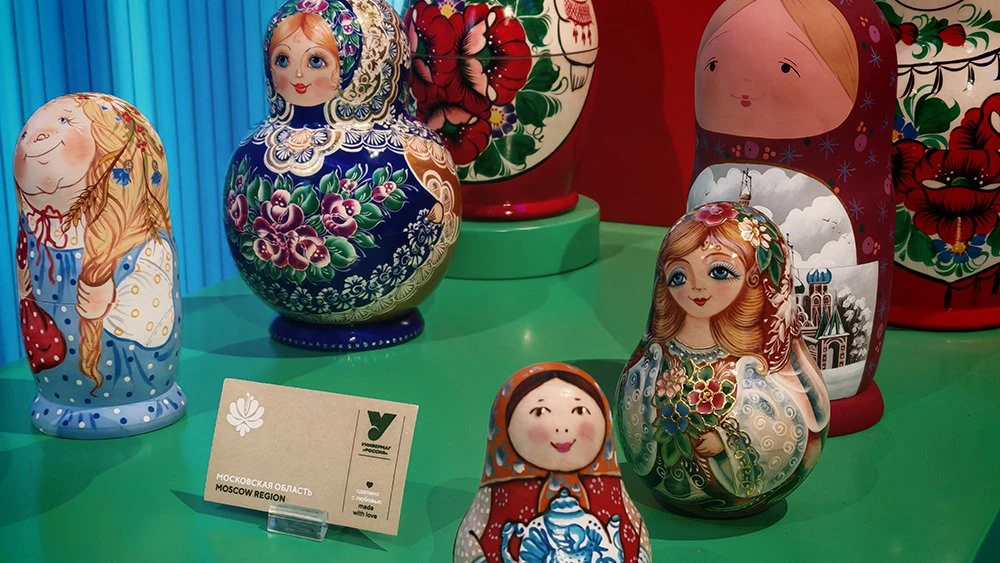
The Moscow tradition is embodied in matryoshka dolls. The
display features figures that continue the line established at the end of the
19th century in the "Children’s Education" workshop, where artist
Sergei Malyutin and woodturner Vasily Zvyozdochkin created the first example of
this folk craft. The blanks are still turned from linden wood, polished, dried,
painted and varnished. Whether depicting traditional girls in sarafans,
fairy-tale characters or themed series, each doll acquires its own character
through painting. The nested structure symbolises family hierarchy and the idea
of continuity.
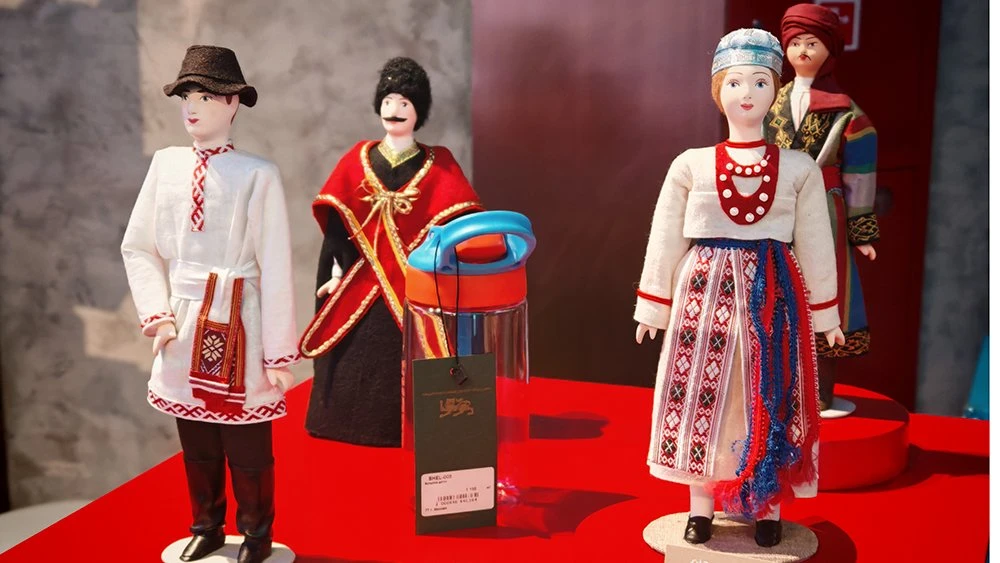
Author-made porcelain dolls from Saint Petersburg are
created entirely by the craftsmen of the enterprise. From casting and firing
the parts at temperatures above 1200 °C to hand-painting the faces and
tailoring the costumes. The collection includes characters in national costumes
of the peoples of Russia, military uniforms, historical outfits from different
eras and images of fairy-tale heroes. The enterprise is included in the federal
register of folk arts and crafts and brings together several professions —
sculptors, painters, designers and tailors.
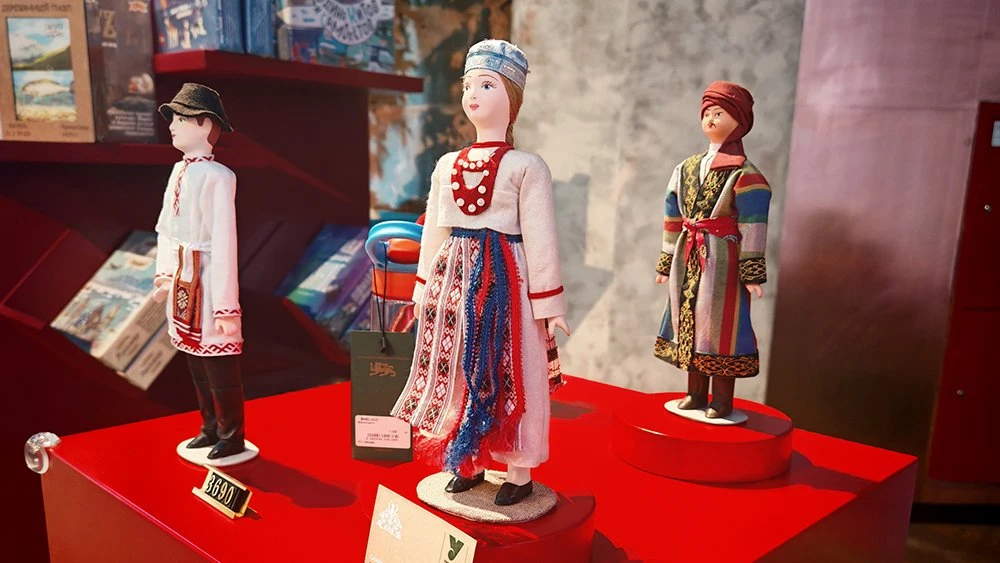
The geography continues in the Kemerovo Region — Kuzbass.
Textile dolls are produced here using artificial fur and traditional
decorations. Their creator, Natalia Shelbogasheva, carefully works on clothing
and accessories: the costumes can be removed, and the details reflect the
Siberian climate and local customs.
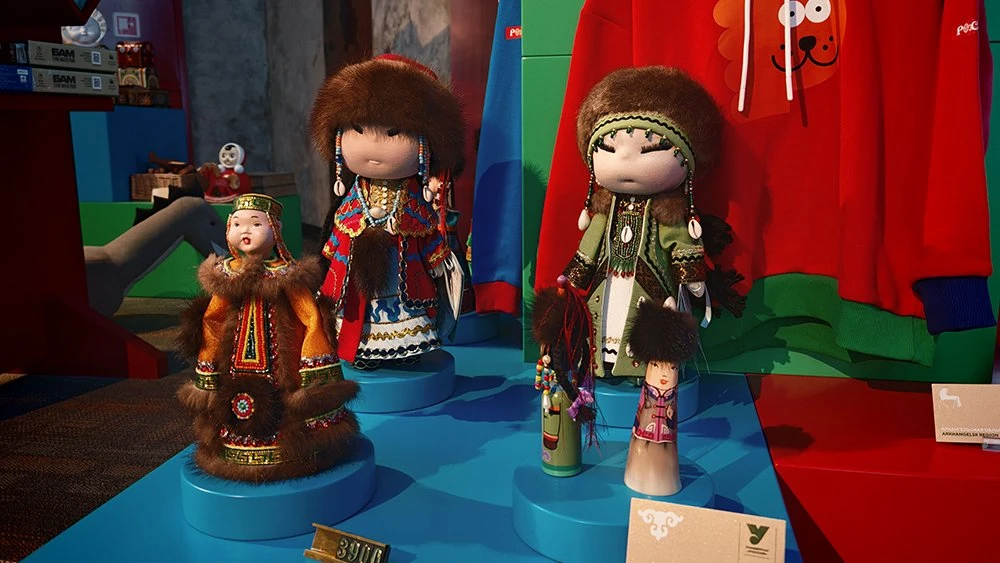
Buryat dolls in national costumes reflect the nomadic way of
life and the harsh climate of the Baikal region. The costumes feature elements
of traditional Buryat attire — a conical hat with fur trim, the
"enger" chest piece with coloured stripes, and motifs connected with
Mongolian culture.
Together, these dolls and toys turn the Department Store
RUSSIA stand into a small "map" of folk crafts. Each point represents
its own region, language, costume and a unique way of telling a story about
people through toys.
The Department Store continues the narrative of the
exposition "Geography Lessons". While the halls of the National
Centre RUSSIA show how borders and routes have changed on maps, here visitors
can see how the country’s geography is reflected in doll imagery created by
craftsmen from Moscow to the Republic of Buryatia.
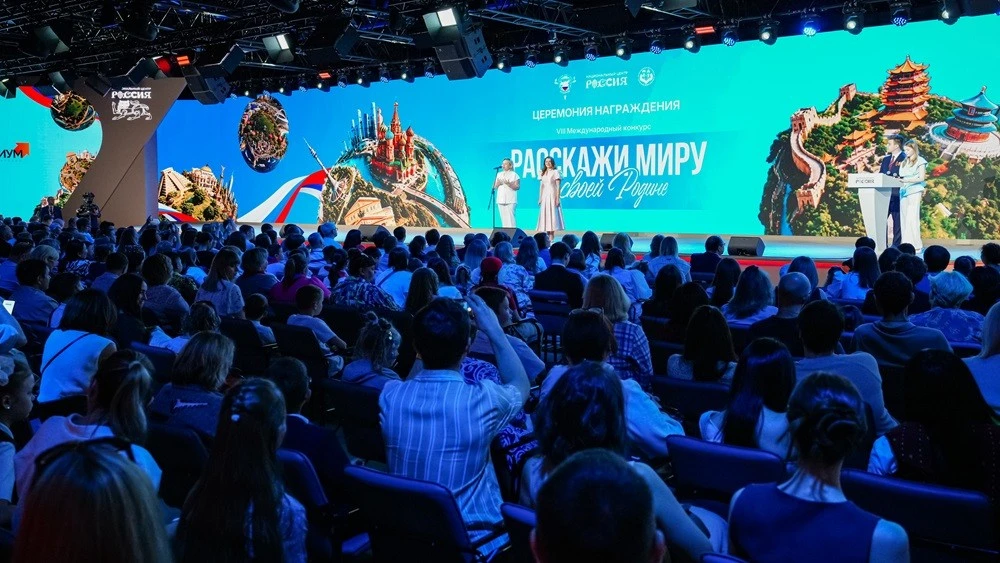
The contest gave young talents an opportunity to share interesting facts from the history and culture of their small homeland.
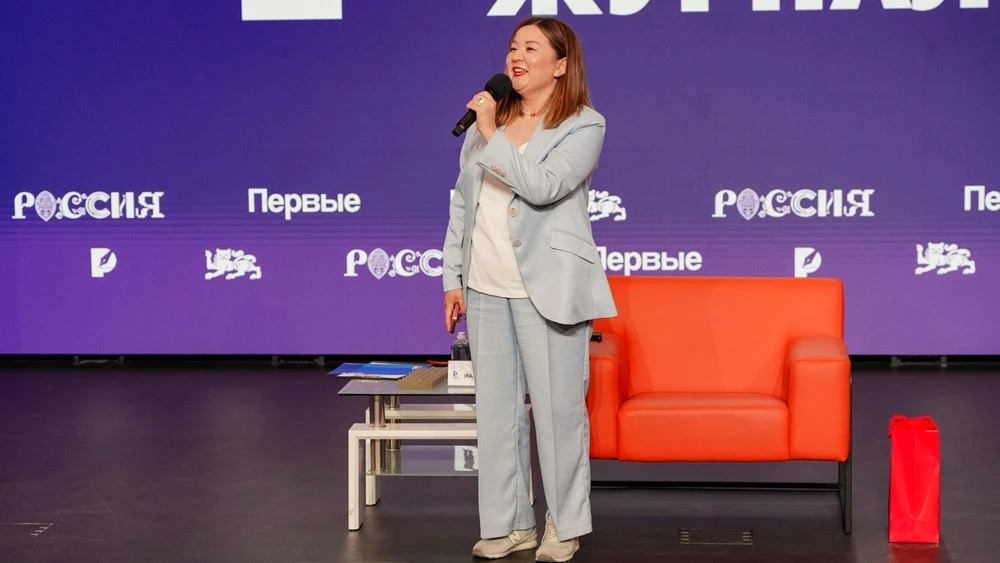
The participants discussed how content plans work in new media, which formats help retain an audience and how platform algorithms operate.