


State as a digital service: experts at the National Centre RUSSIA discussed the limits of government and business involvement in the digital sphere
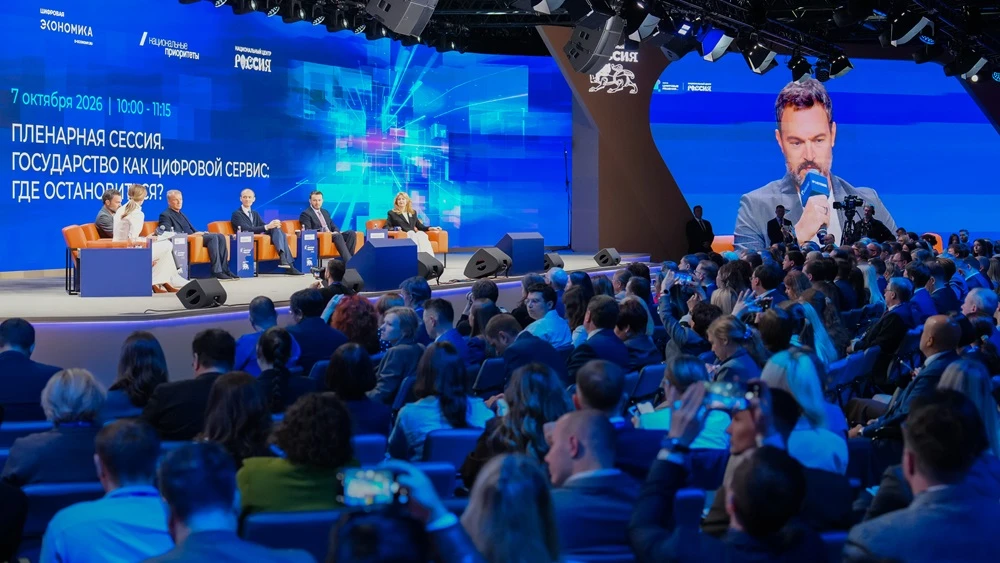
Today, government digital services are increasingly comparable to commercial solutions in terms of speed, convenience and the range of options they offer. However, the role of the state in the digital economy is not limited to providing services: it builds infrastructure, develops identification and payment systems, provides data and creates the conditions for new digital products to emerge. The plenary session "The State as a Digital Service: Where Should It Stop?" was held at the National Centre RUSSIA on 7 October as part of the "Digital Solutions 2026" forum. The participants included the Deputy Prime Minister and Chief of the Government Staff of the Russian Federation, Dmitry Grigorenko; the Deputy Chief of Staff of the Presidential Executive Office of Russia, Maxim Oreshkin; the President and Chairman of the Executive Board of Sberbank PJSC, German Gref; the CEO of MTS PJSC, Inessa Galaktionova; and the co-founder of the Cyberus Foundation and Positive Technologies, Yury Maksimov.
The experts discussed how the role of the state in the digital economy is changing, where the boundary between government and commercial services lies, and what model should govern interaction between the state, businesses and citizens in the digital environment.
"We began introducing artificial intelligence technologies at the Government Staff a year ago. We use only Russian AI solutions. We chose Sber and Yandex. We have developed around 40 high-quality standalone services. In terms of results, wherever we have introduced artificial intelligence within the Government Staff, we have seen double-digit efficiency gains. At the very least, this means reduced labour costs and faster, simpler processes," said the Deputy Prime Minister and Chief of the Government Staff of the Russian Federation, Dmitry Grigorenko.
The participants devoted particular attention to digital platforms as one of the key elements of the modern economy. Marketplaces, aggregators, classified advertising platforms and online banks have already become part of everyday life for millions of people, while government platforms create a unified digital environment where citizens can access services and interact with the state.
"The Presidential Executive Office uses everything available to it, but the most important thing is not to lose sight of the context or the individual behind the numbers, letters, images, reports and artificial intelligence. It is far more important simply to walk down the street, visit a shop, use public transport and talk to people. This is far more useful, understandable and appropriate than simply working with digital devices. Technology helps us become even better. The best results are achieved when the state and businesses complement one another. Sometimes the state steps aside, while at other times businesses begin to monopolise things and restrict access. This balance is therefore always being sought for the benefit of citizens," noted the Deputy Chief of Staff of the Presidential Executive Office of Russia, Maxim Oreshkin.
During the session, the experts also discussed competition and interaction between government and commercial digital solutions. An important part of the discussion focused on what infrastructure should be created at the state level so that businesses can use it to develop new products and services.
"When we talk about public services, we are still talking primarily about the machinery of government. When it comes to the efficiency of the state as a whole, it is, of course, always a function of business efficiency. No state anywhere in the world, at any point in its history, has ever been able to match the commercial sector in terms of efficiency. The faster a state adopts innovations, the more advanced it becomes. In general, our state adapts fairly quickly, including to the digital world. It uses the latest technologies," said the President and Chairman of the Executive Board of Sberbank PJSC, German Gref.
The experts also focused on workforce issues. The development of the platform economy is changing the requirements placed on specialists and the structure of employment, while simultaneously creating new ways of working. The experts shared examples from their own experience of how the digitalisation of processes is reshaping the entire structure of large-scale management systems in business and government.
A livestream of the session is available on the website and social media accounts of the National Centre RUSSIA. The plenary session formed part of the business programme on the second day of the "Digital Solutions 2026" forum, which focused on digital platforms and services. The day will conclude with the "Digital Solutions" National IT Award ceremony. This year, the award received almost 1,500 applications from 932 companies. Awards will be presented to 14 laureates selected by the expert council from among representatives of government, IT businesses and industry associations. The awards will be presented by the Deputy Prime Minister of the Russian Federation, Dmitry Grigorenko, and the Minister of Digital Development, Communications and Mass Media of the Russian Federation, Maksut Shadayev.
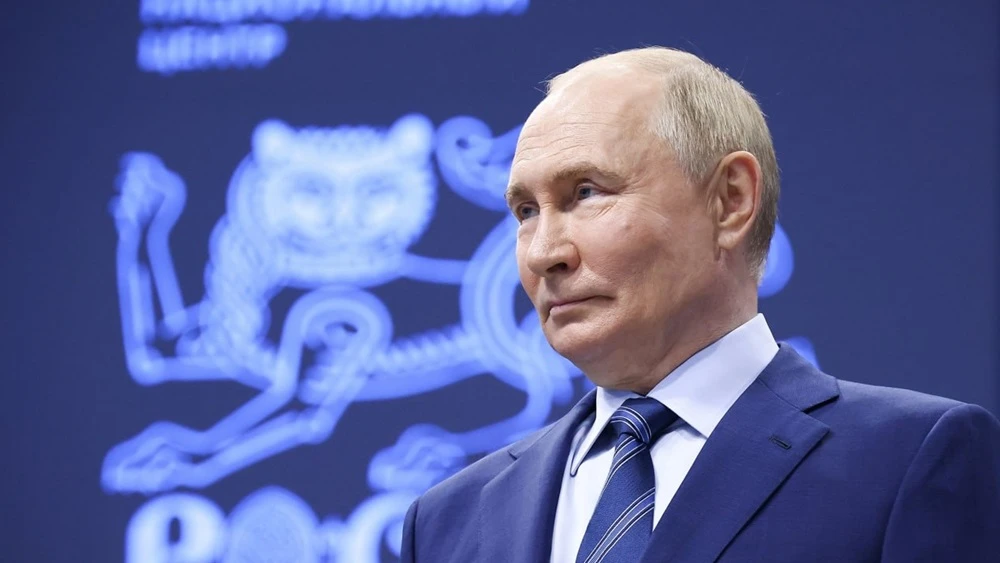
Today, 7 October, the National Centre RUSSIA is pleased to congratulate the leader of our country on his birthday.
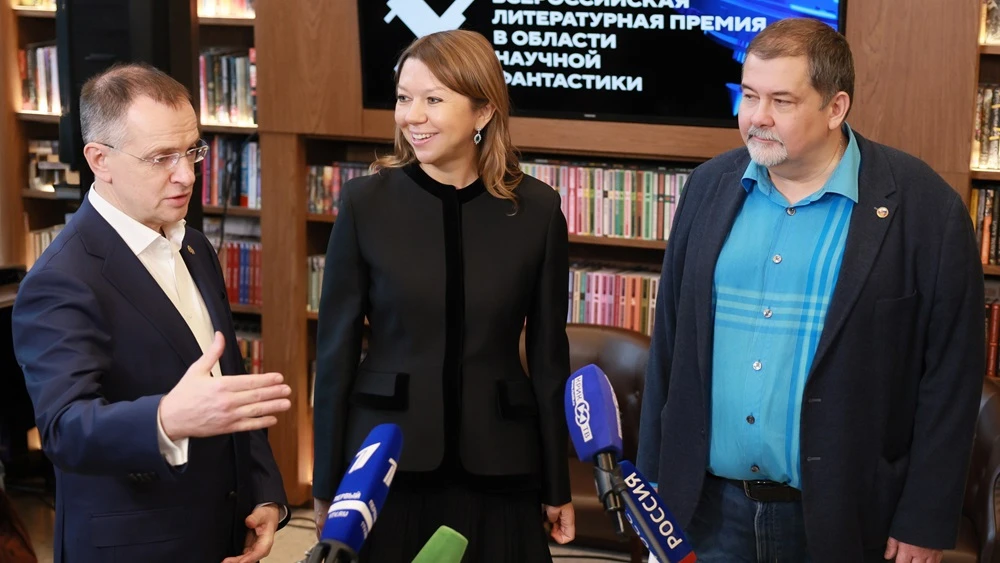
The agreement between the Union of Writers of Russia and the National Centre RUSSIA establishes long-term cooperation aimed at developing Russian literature.
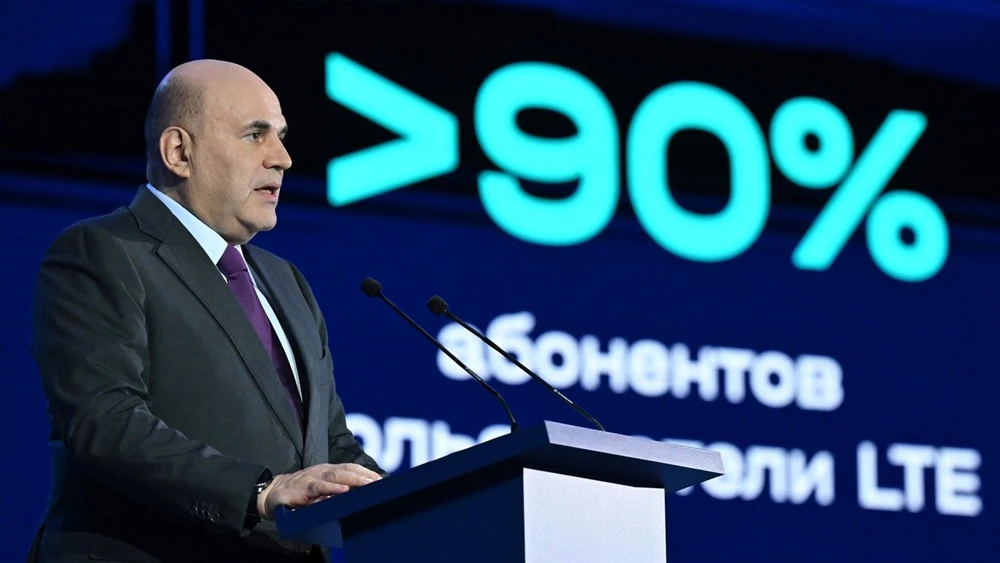
The first "Digital Solutions" IT Forum was held at the National Centre RUSSIA from 12 to 15 November 2025. It attracted more than 15,000 visitors.


