


Speaking to be heard: a public speaking lesson held at the Young Journalists School
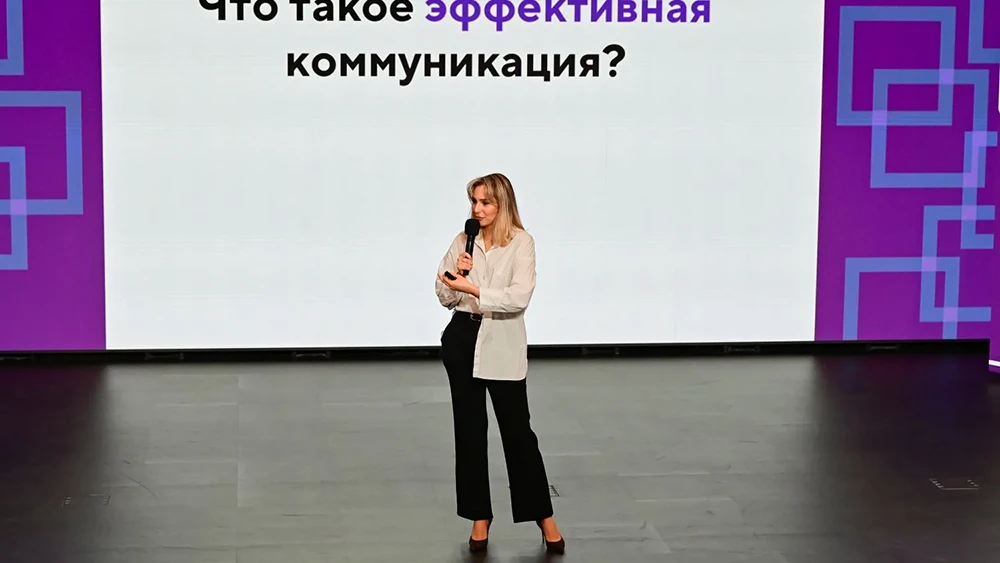
What is the secret of successful speakers, how can one overcome the fear of the camera and speak confidently in front of an audience? These questions were discussed at the National Centre RUSSIA during a session of the Young Journalists School. The lesson titled "Public Speaking: Voice, Non-Verbal Communication, Working with Text" was led by media educator and programme coordination expert for the Young Journalists School project, Sofia Kovalevich. The students learned that eloquent speech is not a "gift for the chosen few" but a skill that can be developed step by step.
"Journalism is about much more than just text. Personal communication is equally important: when filming a report, conducting interviews, or speaking with protagonists and audiences. A journalist must be able to ensure that they are not only heard but also understood. I am convinced that people are not born as speakers — they become them. This skill has its own path: theory, practice, and regular exercises. It is important to approach it thoughtfully — and the results, including those of our students, will become noticeable very soon," emphasised Sofia Kovalevich.
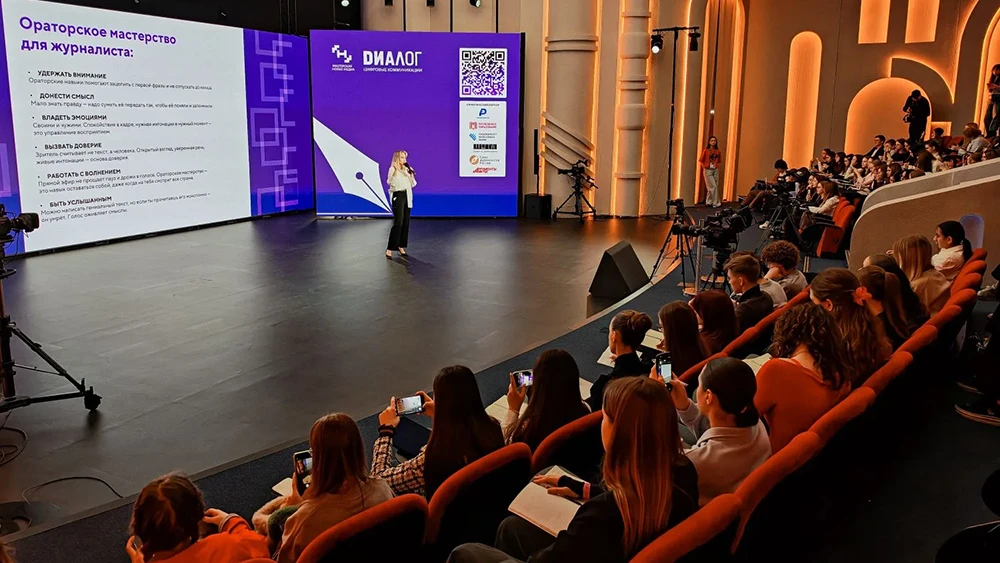
During the lesson, the teenagers discussed the difference between effective communication and an ordinary conversation. According to the educator, a professional’s speech should convey meaning, inspire trust, hold attention, and lead to a specific result. A separate part of the session was devoted to fears: the fear of forgetting the text, of "looking awkward" on camera, or of receiving criticism. Sofia Kovalevich explained that nervousness before speaking is natural even for experienced speakers and suggested exercises that help overcome tension.
The practical part of the lesson became one of the most engaging moments. The students practised maintaining posture, taking the correct position on stage, moving naturally, and using gestures effectively. To train articulation, they read tongue twisters at speed.
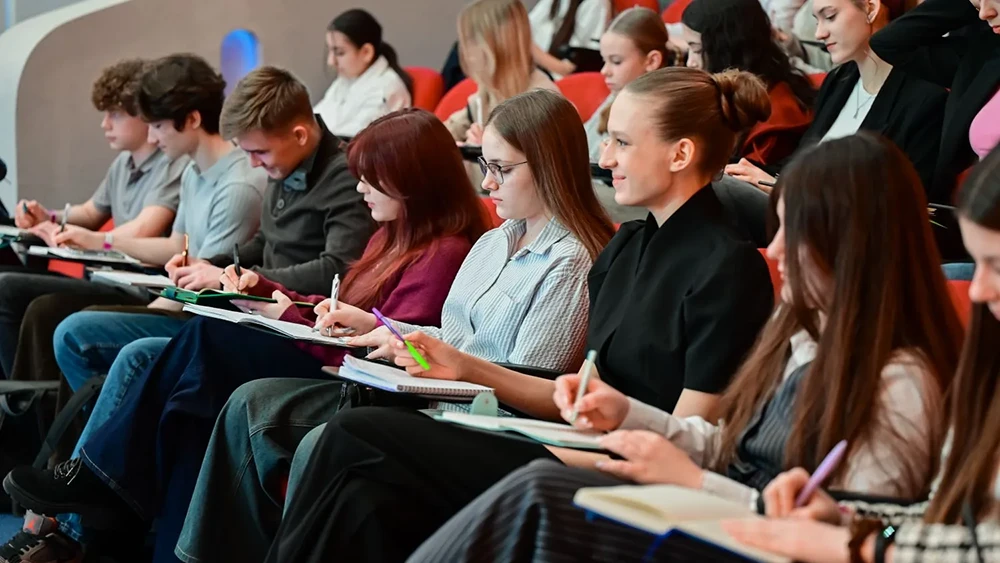
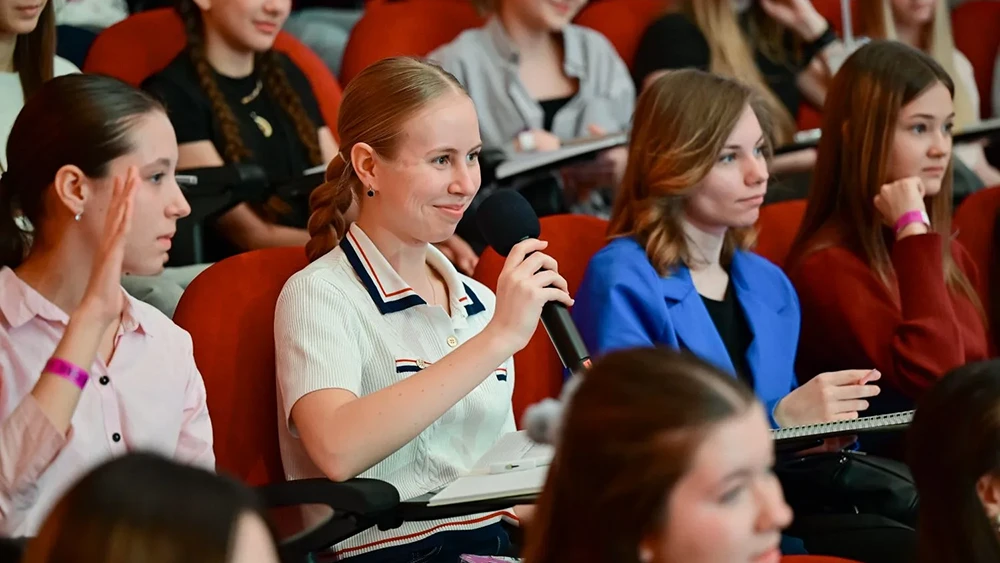
The participants noted that the format of live interaction and practice helped them feel progress already during the first lesson. Margarita Shuvalova from the Leninsky district of the Moscow region said she had long hesitated to speak during the sessions: "I was afraid I might say something wrong, so during several previous classes I was too shy to come forward. But today I finally decided to try — and I liked the practical part the most. I was able to express myself! It was exciting, but no longer as frightening as before," the student noted.
Anastasia Rubtsova said her interest in journalism appeared in childhood: "When I was six, I realised that this was what I wanted to do, and I dream of entering the Faculty of Journalism at Lomonosov Moscow State University. That is why I take part in different training programmes, including this one — to develop my skills. Today it was very interesting to learn how to look confident on camera, what to do if you forget the text, whether improvisation is necessary, and how to gesture correctly. I also understood my fears better today and saw how they can be addressed."
At the end of the lesson, the students were invited to start creating real media content. Participants will be able to write texts and posts, prepare questions for speakers, film and edit videos, and take photographs for social media. In the near future, the editorial team’s first joint project is planned — preparing materials about new events of the programme. This will allow the young participants to build their own portfolios and gain real experience that will become the first step toward a future career in journalism and media.
The Young Journalists School project is organised by the National Centre RUSSIA together with the Movement of the First, with the support of the Ministry of Education of Russia. Programme partners of the project are the ANO "Dialogue" and the New Media Workshop. The strategic partner is the Russian Children and Youth Centre.
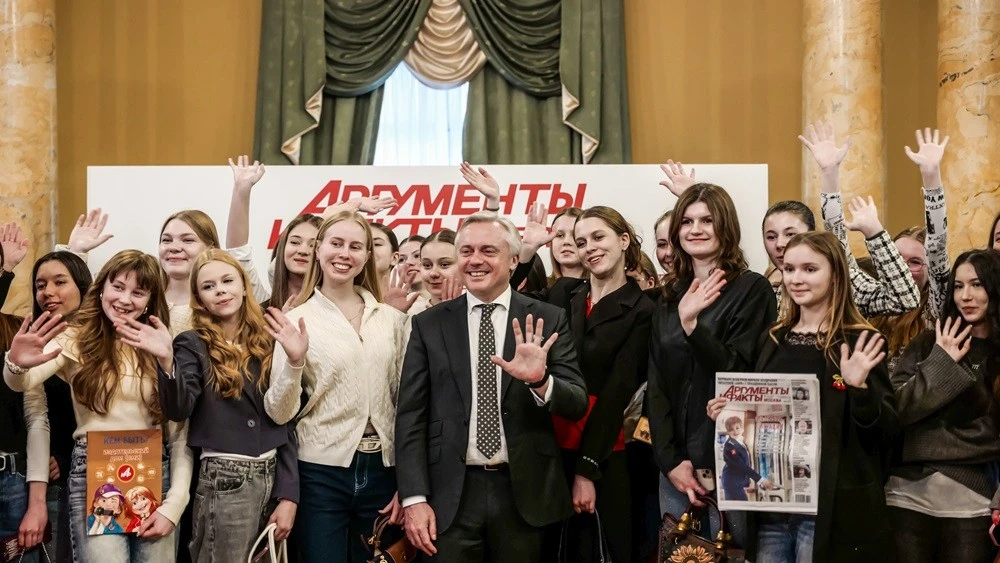
The group visited a historic mansion on Myasnitskaya Street — the headquarters of the publishing house Argumenty i Fakty (Arguments and Facts).
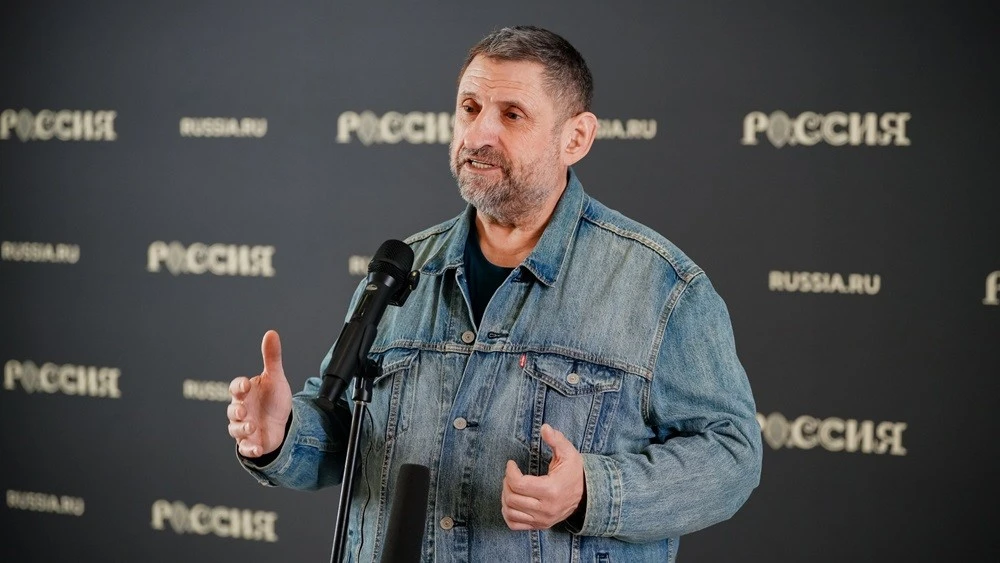
The guest shared several pieces of advice that will be useful in their future profession.
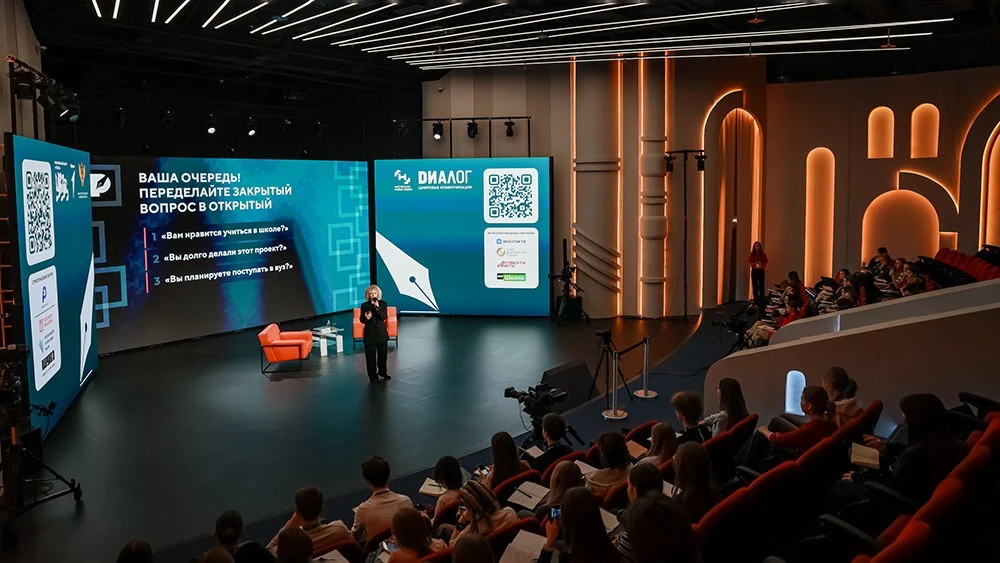
An interview is not just a friendly conversation, but a structured exchange with a clear purpose.


