


AI as a personal tutor: neuroscientist Vladimir Alipov on the opportunities and risks of technology in education
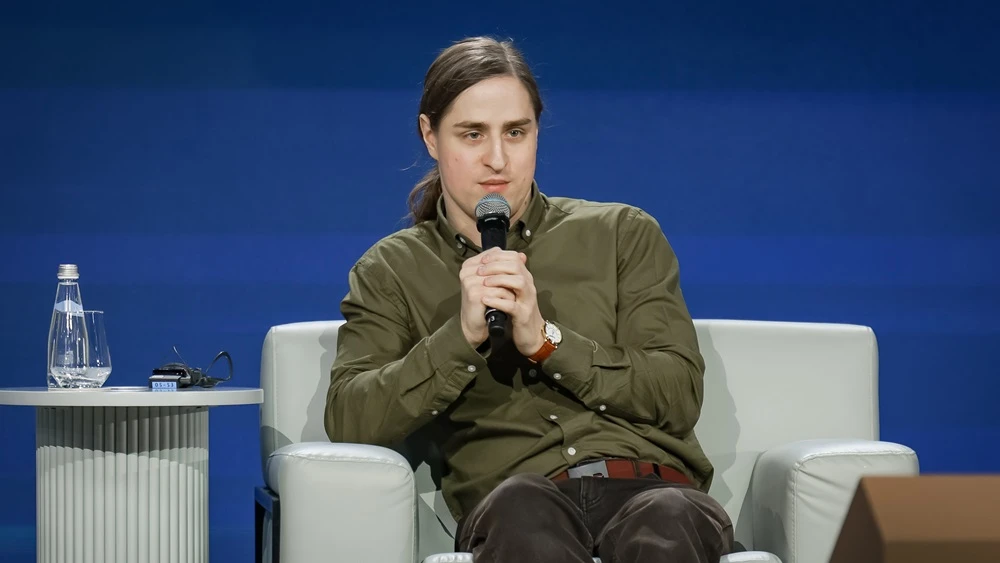
Artificial intelligence can become a personal assistant for every student while also taking some routine tasks off teachers' hands — from preparing materials to creating video and audio content. However, the impact of constant interaction with AI on the development of children's thinking requires further study. Vladimir Alipov, a physician, neuroscientist and lecturer at the Natalia Bekhtereva Training Centre, spoke about this at the "Thinking Human" section of the Open Lecture Hall "Inventing the Future: Limits of the Human" at the National Centre RUSSIA.
According to the expert, even the most experienced teacher cannot devote the same amount of time to every student: people perceive information differently and learn at their own pace. In this situation, AI can become a personal tutor, helping students understand topics they find difficult. For educators, the technology offers an opportunity to delegate routine processes and create educational content more quickly. At the same time, Vladimir Alipov stressed the importance of studying the effects of early and continuous interaction between children and language models.
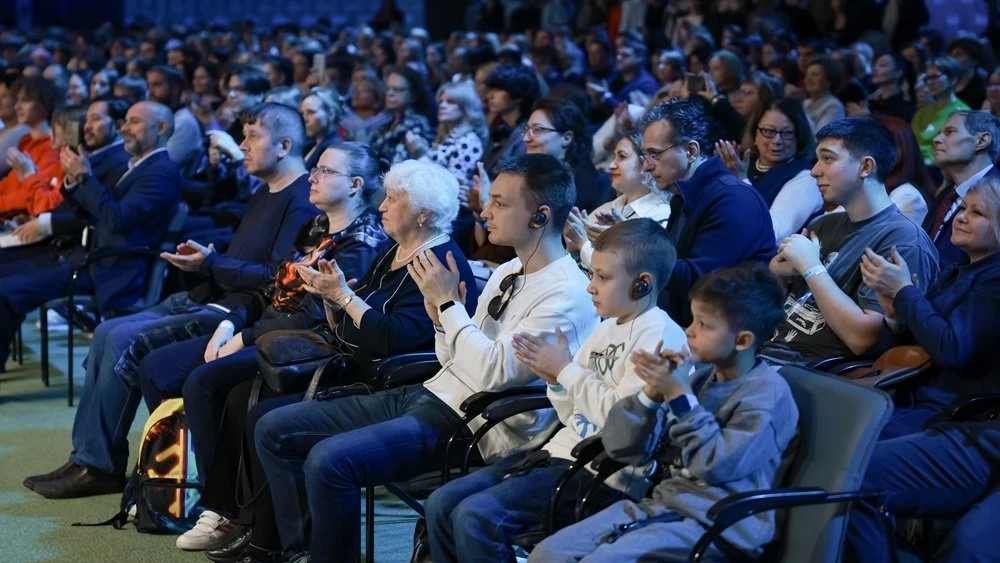
"But there is another question that would be worth studying: what will happen if a child uses AI from the very beginning of their life? Could this somehow affect the development of their thinking? If artificial intelligence makes decisions instead of them, if artificial intelligence thinks instead of them, where could this lead? We simply do not know yet. And, ideally, since this is a really important question, it needs to be studied," Vladimir Alipov said.
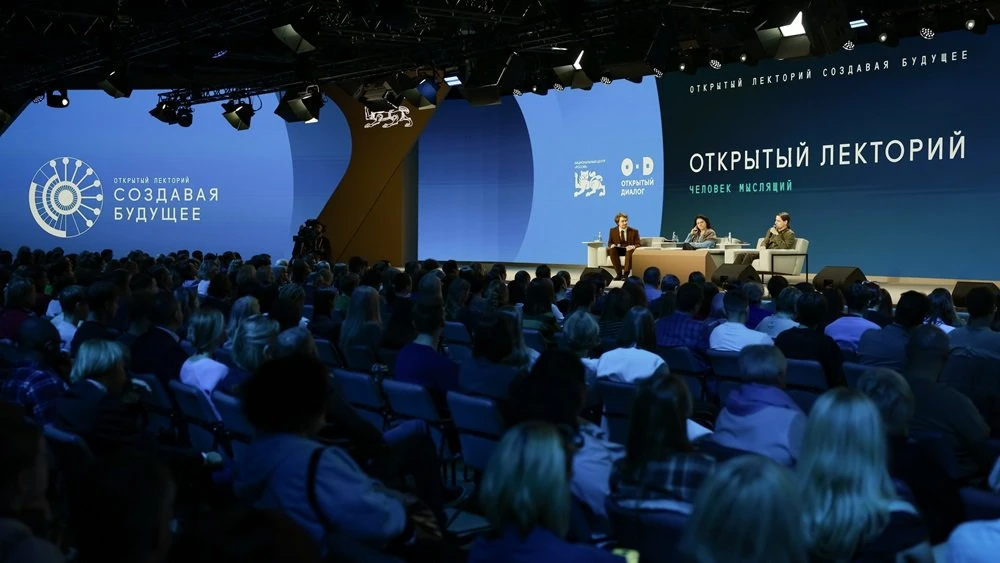
The expert also suggested considering the future of closer integration between humans and technology — for example, through the use of brain-computer interfaces capable of transmitting information directly to the brain. According to him, it is currently impossible to say definitively whether this could lead to the emergence of "human 2.0" or create new risks to cognitive health.
Vladimir Alipov stressed that he views the development of AI with optimism: like any other tool, the technology can be beneficial or harmful depending on how responsibly people understand and use its capabilities.
Event photobank
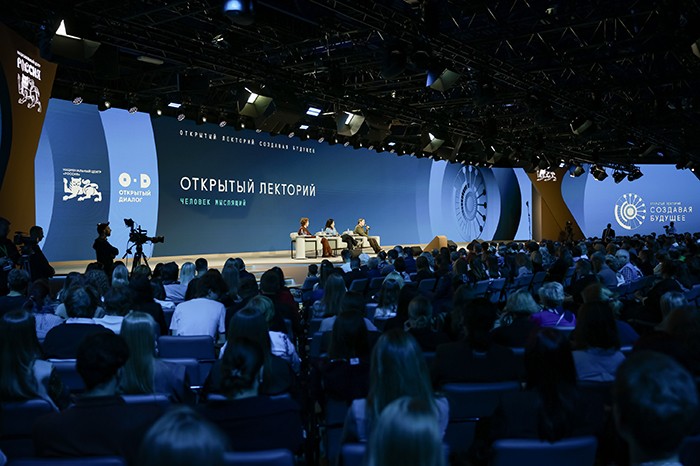

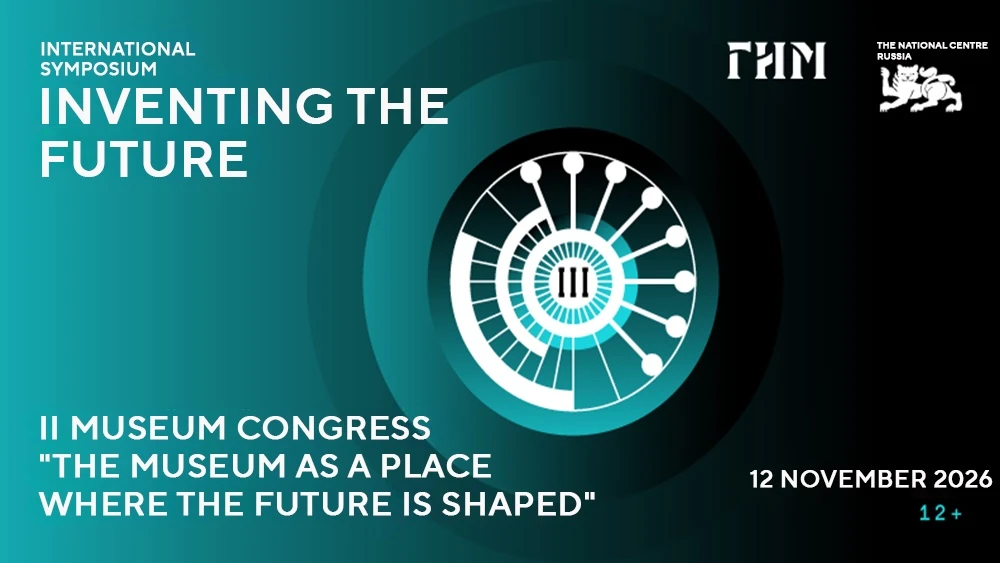
The event will take place on 12 November 2026 as part of the III International Symposium "Inventing the Future" at the National Centre RUSSIA.
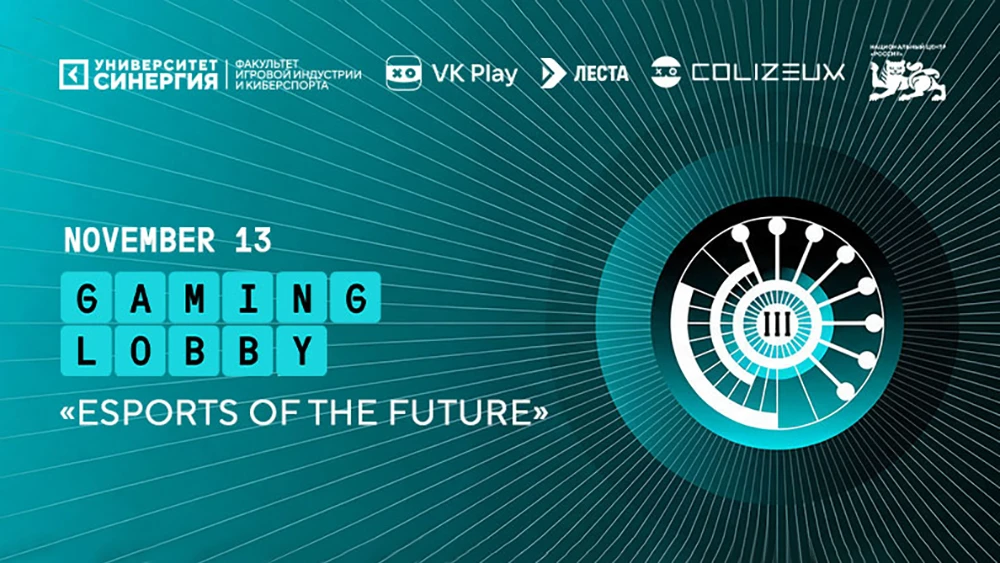
On 13 November, a special project — the gaming lobby "The Rink of the Future" — will be held during the International Symposium "Inventing the Future" at the National Centre RUSSIA.
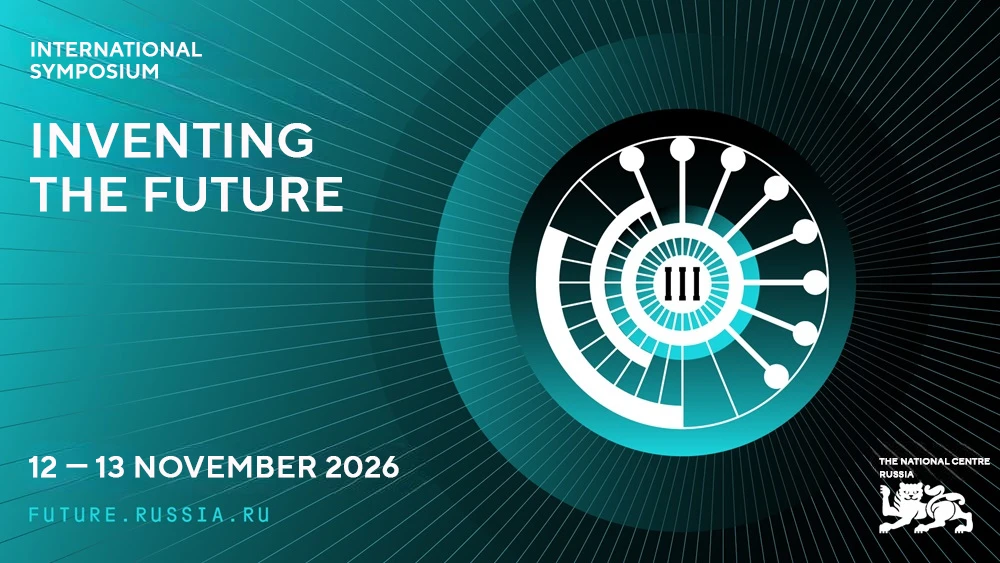
The programme of the III International Symposium "Inventing the Future" will include three thematic tracks: "People and Values," "Progress," and "Culture and Art."


