


Young journalists learn how to create a longread that captivates the reader
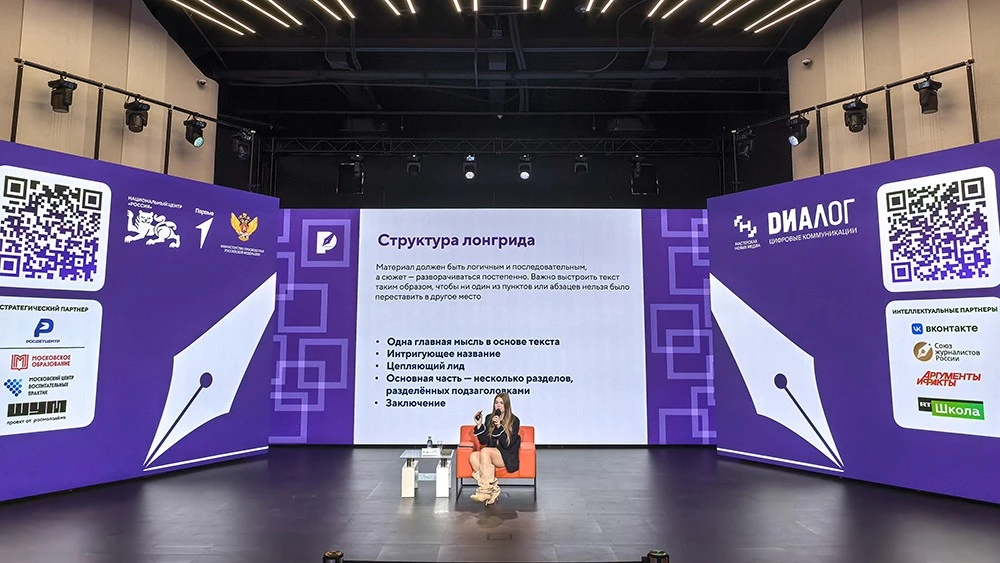
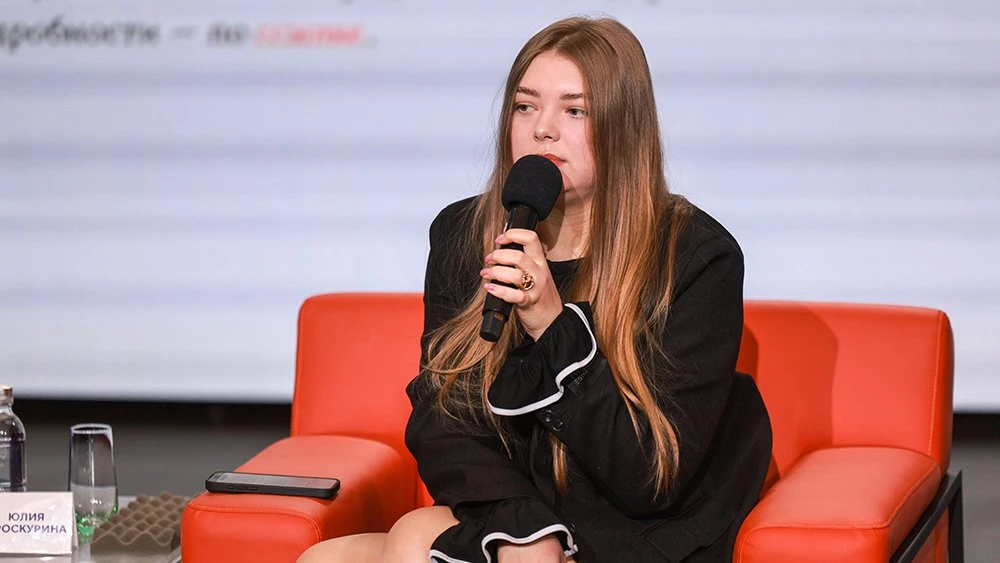
A longread is not just a "big article with pictures" but a full-fledged multimedia project. It helps to reveal complex topics easily and tell exciting stories. Participants of the Young Journalists School at the National Centre RUSSIA learned this during a session led by Yulia Proskurina, Press Secretary of the Directorate of Programmes and Projects of the Russian Union of Youth in Moscow and Project Promotion Manager at the Russian society Znanie.
At the beginning of the session, the children and the expert explored what a multimedia project is. Yulia Proskurina reminded them that it is not just text, but a product that combines various formats — video, audio, photographs, infographics, quotes, and interactive elements.
"When a person receives several signals at once — text, images, sound, and interactive elements — they become more interested in exploring the material. The task of a multimedia project author is not just to convey information, but to direct the attention, emotions, and the journey of both the hero and the reader. A longread is a way to tell a story so that one wants to immerse themselves in it," Yulia Proskurina explained.
According to the expert, the most important thing in such a long format is a deep study of the topic and a well-thought-out structure: from a catchy introduction and logical subheadings to a clear finale. The students analysed several types of long-form articles. Using materials from Russian media as examples, Yulia Proskurina showed how reportage longreads with an effect of presence, reconstructions of historical events, portraits of people, and commercial projects created to promote products and initiatives work.
The participants also learned how the internal "architecture" of a longread is built, why the material must unfold consistently, and why it is necessary to divide the text into meaningful sections and leave "air" between blocks. Using examples, they analysed how multimedia and interactive elements make a long text dynamic and understandable. At the same time, Yulia Proskurina warned the young reporters against overloading an article with information.
"The main secret of a longread is that it does not equal 'all genres at once'. If you stuff one piece of material with music, video, photos, quotes, graphs, and polls all at once, the reader’s eyes simply wander. They don’t understand where to look and close the page. It is better to choose a few appropriate tools and use them intentionally," the expert emphasised.
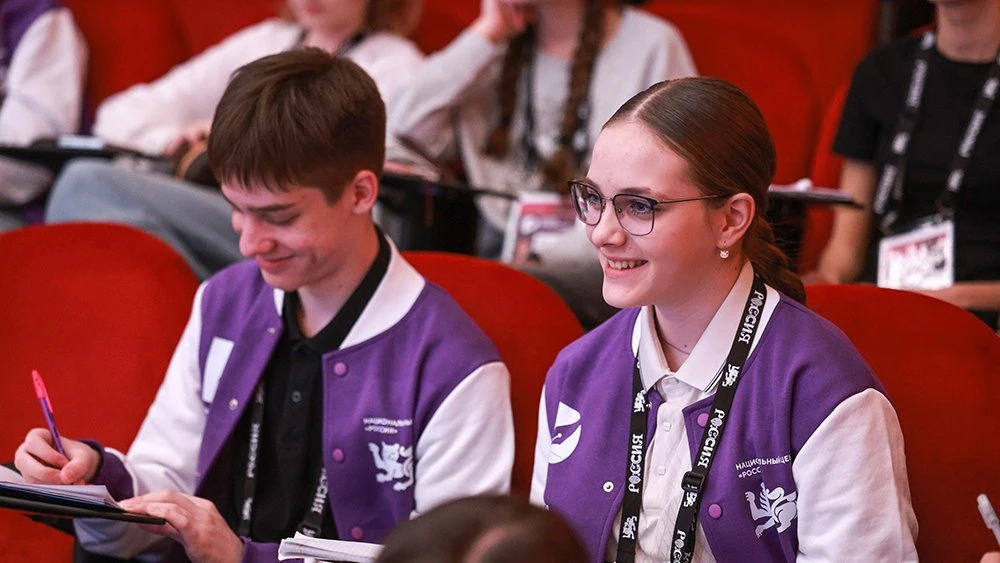
In the practical part of the session, participants analysed real longreads: noting successful techniques and shortcomings, and debating navigation, text volume, and the use of illustrations and infographics. The schoolchildren noted how tables of contents with section links, interactive elements, and "Q&A" blocks help, and where, conversely, there was too much text or analysis without "entry points" for the reader.
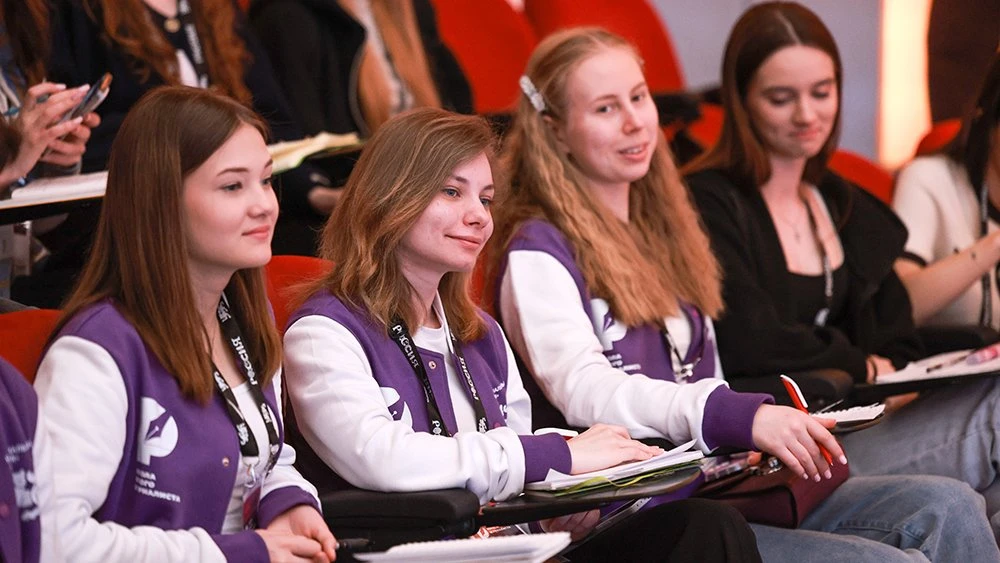
Then, the children split into teams and came up with concepts for their own materials. They chose topics close to them, discussed the target audience, formats, and the emotions the project should evoke. One of the teams proposed creating an article about the Young Journalists School: including interviews with participants and teachers, as well as photos and videos from the sessions to show the project's atmosphere and inspire future schoolchildren to apply for the next intake.
At the conclusion of the meeting, Yulia Proskurina advised the participants to develop their "visual experience": saving examples of successful materials and returning to them for inspiration, while also closely following how major media outlets work.
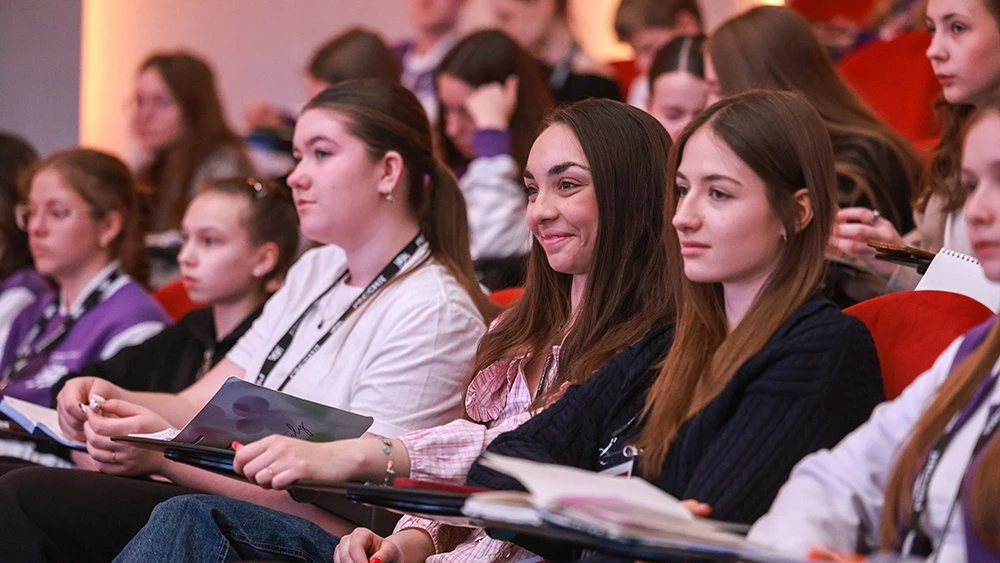
The Young Journalists School project is organised by the National Centre RUSSIA and the Movement of the First with the support of the Ministry of Education of Russia. The project’s programme partners are ANO "Dialogue" and the New Media Workshop. The strategic partner is the Russian Children and Youth Centre.
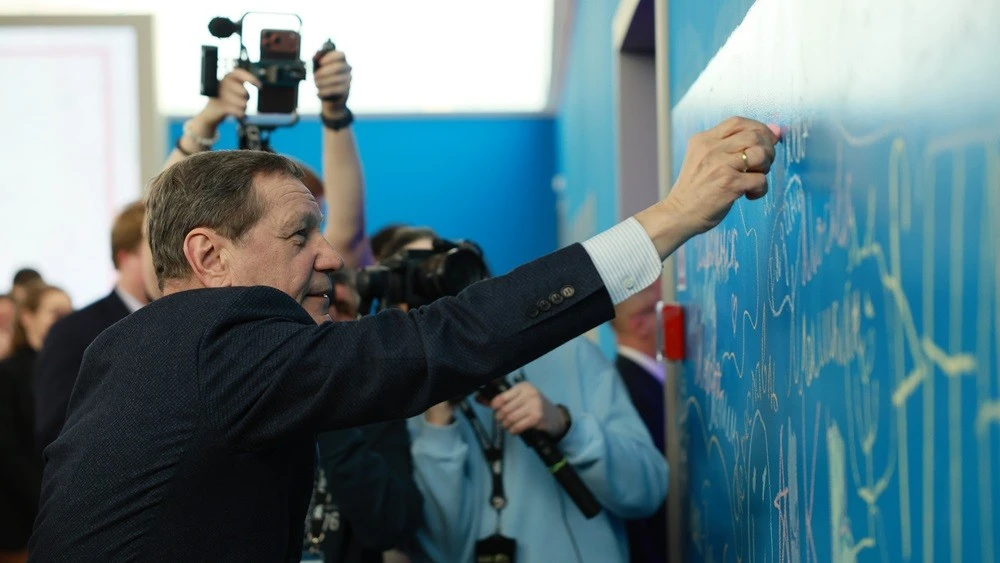
The National Centre RUSSIA hosted the opening ceremony of the exposition "Geography Lessons".
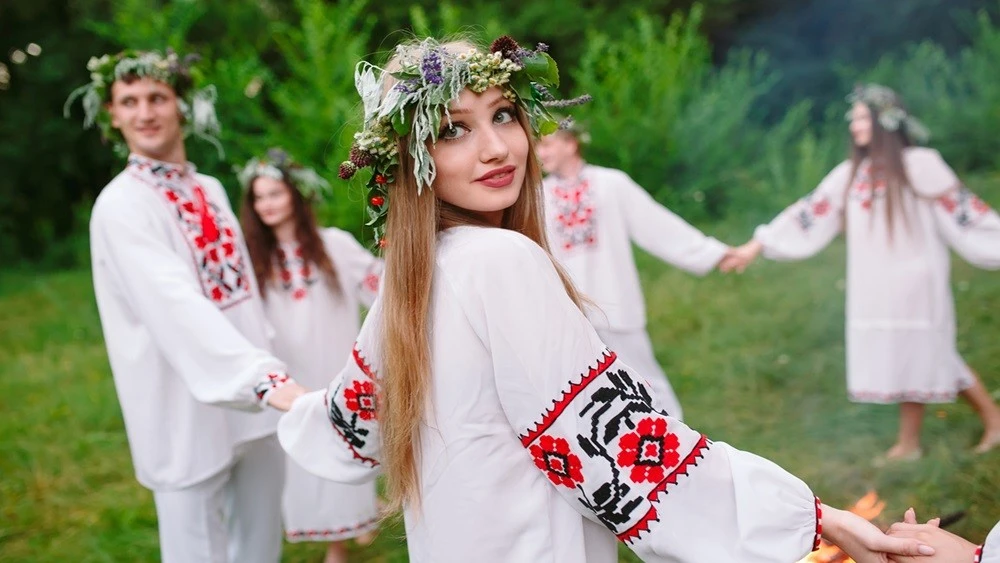
The National Centre RUSSIA invites everyone across the country to come together in a khorovod (traditional circle dance).
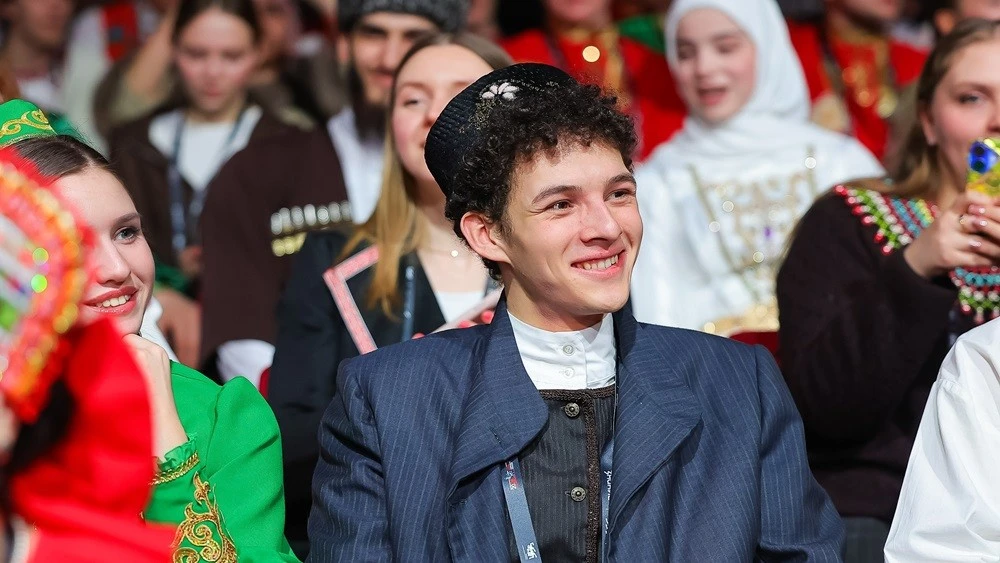
From 27 to 29 April, the National Centre RUSSIA will host the main international event of the spring — the Open Dialogue "The Future of the World.


