

How Russia created a payment system trusted by millions: experts share at the National Centre RUSSIA
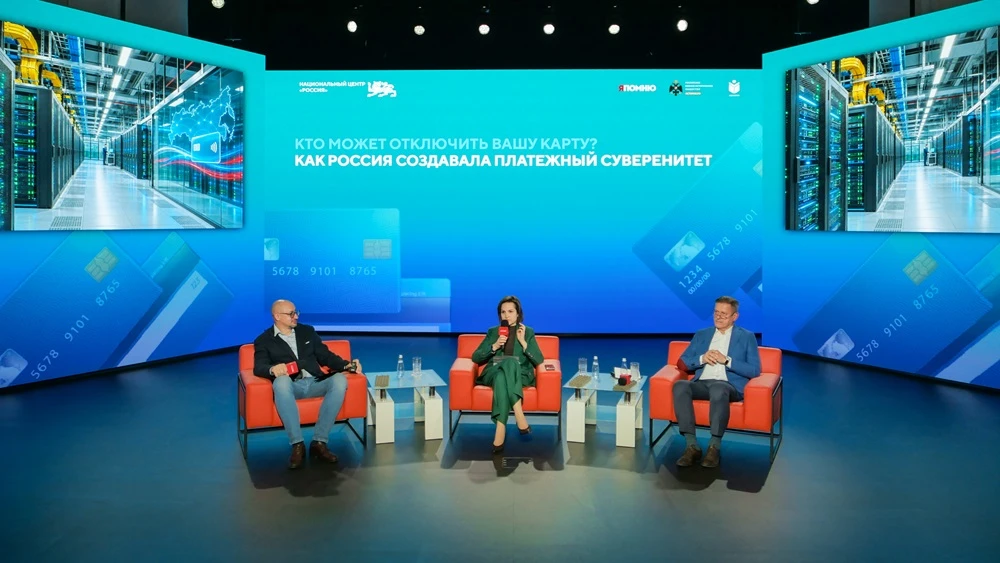
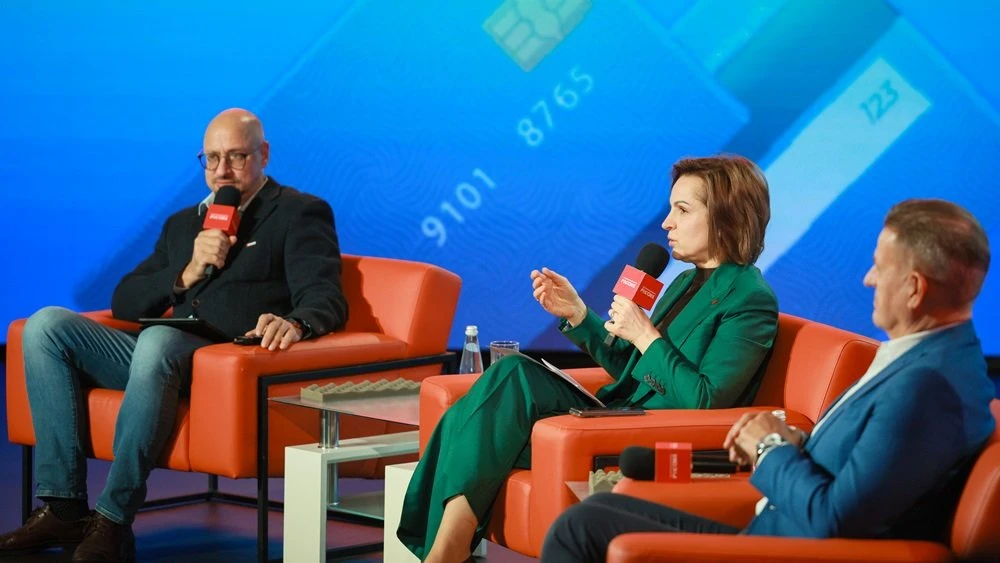
How did Russia build an entire payment infrastructure from scratch, earn the trust of millions of people and reach a level that colleagues abroad now envy? These questions were discussed on 10 November at the National Centre RUSSIA at the Lecture Hall "Who Can Deactivate Your Bank Card? How Russia Built Its Payment Sovereignty". The creators of the national payment system explained what happens behind the few seconds it takes to pay by card, how the Mir payment system acquired unique non-financial services, and why the digital rouble is not intended to replace the familiar plastic card.
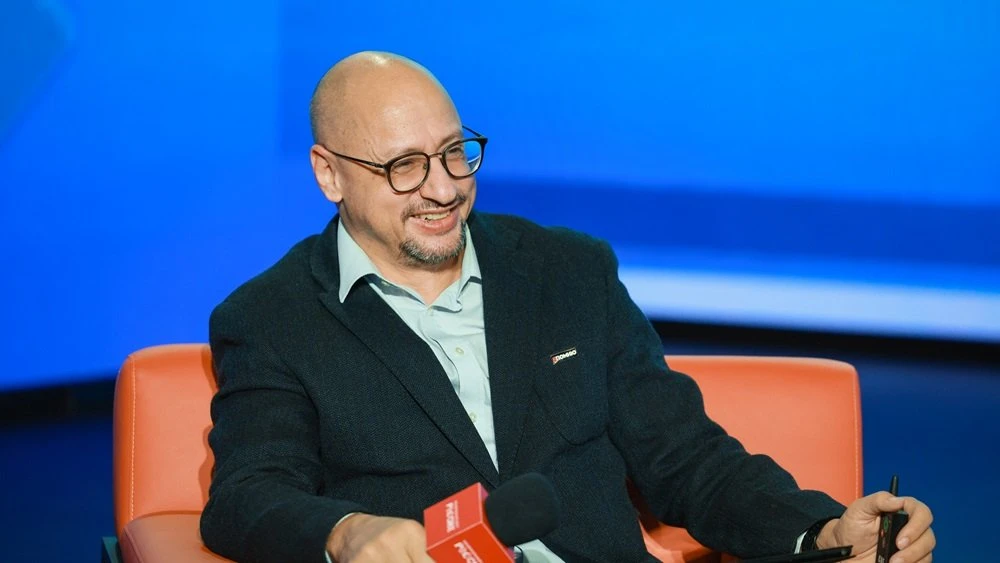
The session was hosted by Artyom Drabkin, Director of the "I Remember" Foundation and a member of the Academic Council of the Russian Military Historical Society. He noted that the history of building Russia's national payment infrastructure should be discussed not only as a financial or technological subject, but also as part of the country's contemporary history.
"I believe this was an extraordinary feat of work, accomplished in almost extreme conditions: under sanctions pressure and domestic pressure, because many players wanted to bring the Russian payment system under their control. In this situation, the people who took the initiative put their reputations and careers on the line. They assembled a dream team and, in just a few months, carried out an enormous amount of work to establish sovereignty over the Russian platform," Artyom Drabkin said.
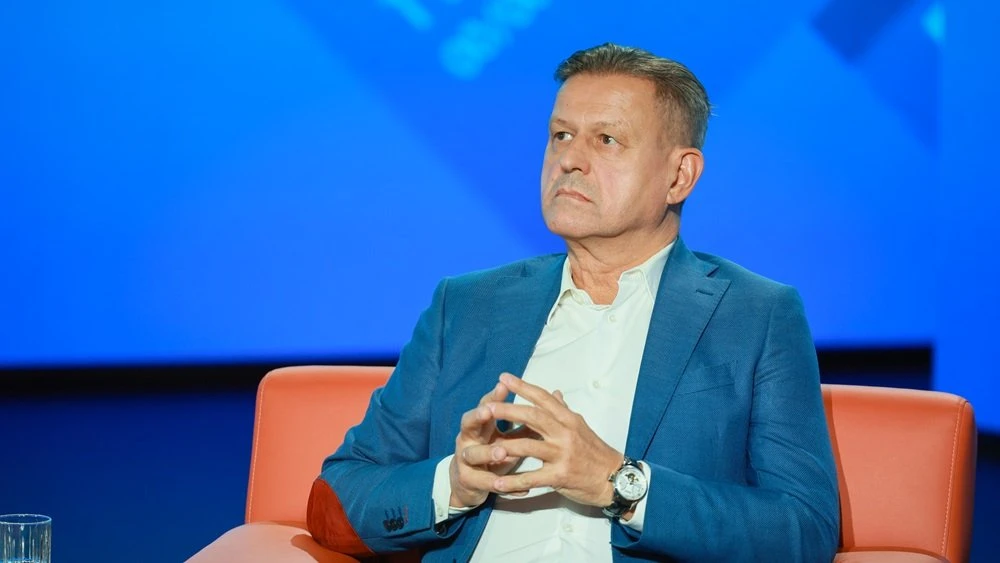
Vladimir Komlev, the first Director General of National Payment Card System JSC (2014–2023) and one of the creators of Russia's Mir national payment system, emphasised that establishing a national payment system involved far more than a single technological development. It required a comprehensive effort, from amending legislation to building a technological platform, creating rules for the country's own payment system and ensuring that transactions made with international payment cards were processed within Russia.
"A tremendous amount of work was done, and trying to count the individual steps would be a thankless task. There were hundreds of thousands, even millions of them. But the main areas of work were clear: from legislation to specific technologies, and then implementing everything we had developed on the market together with our partners, banks and retail and service businesses. Perhaps the hardest part was making sure that, when the Mir card was introduced, people across the country could see that it was just as convenient, reliable and seamless as the cards they were used to," Vladimir Komlev noted.
He explained that the main objective was to preserve people's familiar way of life. This required a sense of continuity: people needed to see that their familiar payment instrument continued to work as before, even under sanctions. The speaker acknowledged that developing the technology was easier than earning people's trust. That trust was built through the payment system's everyday operation, uninterrupted transactions and the seamless use of the card with customers' regular banks.
Vladimir Komlev added that, once this trust had been established, the payment system began to develop by leaps and bounds. The Faster Payments System, electronic certificates, transfers to credit accounts and other services were introduced. Some did not become widely used, but, as the speaker pointed out, they were extremely important for the state, low-income groups and socially vulnerable citizens.
Asked what sets the Russian payment system apart from its foreign counterparts, he highlighted two fundamental factors. First, it was created in Russia. Second, the country's banking sector had reached an entirely new level of development.
"I have had many opportunities to communicate with colleagues abroad. We helped many of them build similar systems: first card payment systems, then instant transfer systems and QR-code payment systems. Those who cut us off from the services we had been using can envy us now. As for those who continued to cooperate with us, I believe that this cooperation has been extremely useful in developing their own payment systems," the expert stressed.
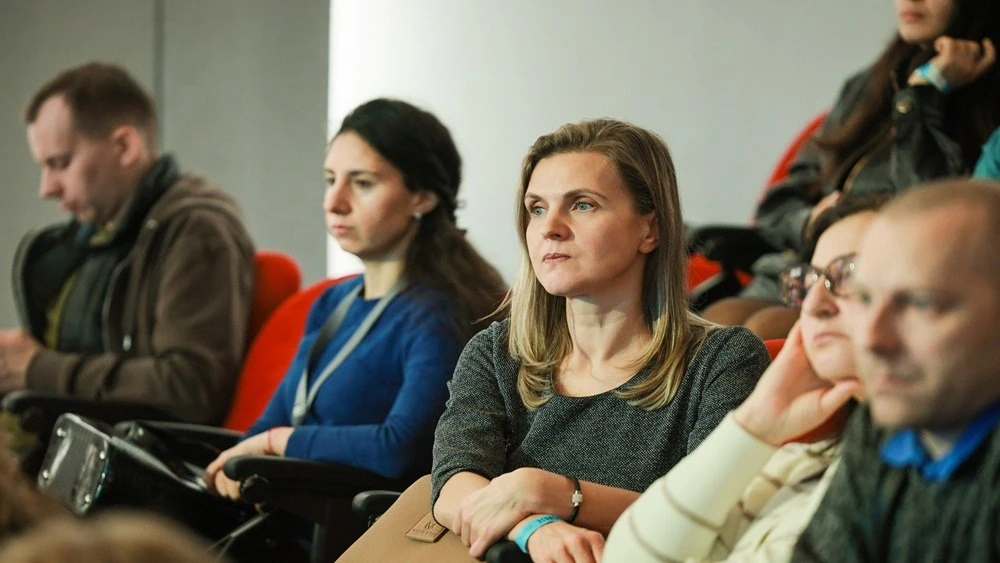
During the Lecture Hall discussion, guests also learned what happens in the first few seconds after a card is tapped against a payment terminal. The chip has no power source of its own: NFC contactless technology generates an electromagnetic field that powers the chip and initiates the exchange of data. The card and terminal then begin a dialogue: each verifies the other's identity, confirming that it is genuine and that the terminal supports the relevant payment system. Only after both sides have authenticated each other and the encryption has been checked does the transaction begin.
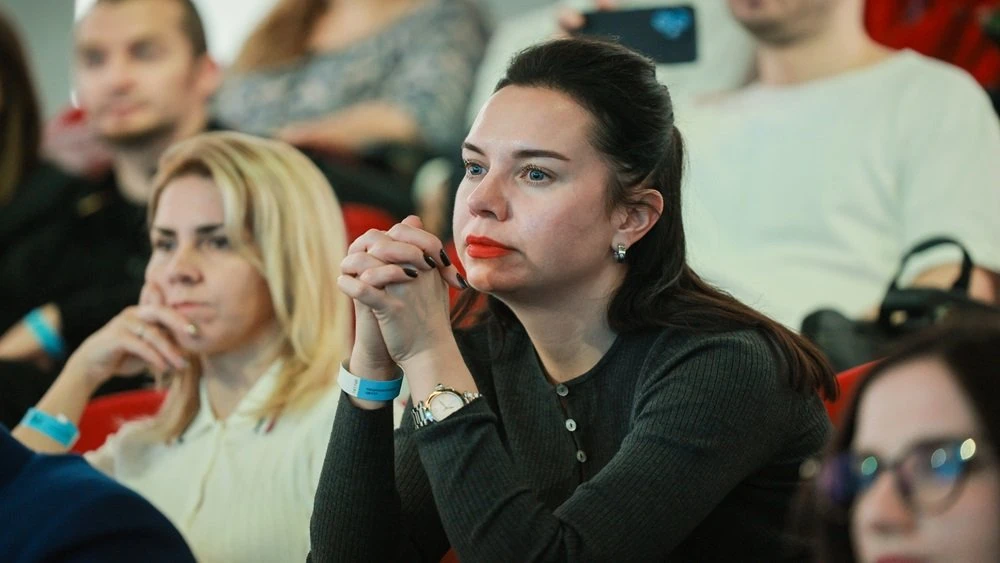
"Those two seconds involve a kind of magic. Imagine that around 2,500 to 3,000 such transactions take place every second in Russia, all being processed simultaneously. Dozens of messages fly between banks through processing centres, and the entire system has to keep working," Vladimir Komlev explained.
He said that such a system cannot afford to fail: even one second of downtime can generate thousands of complaints from customers unable to pay for purchases or withdraw cash from ATMs. Reproducing a system of such technological complexity, he emphasised, is an art in itself.
Alla Bakina, Director of the National Payment System Department of the Bank of Russia, explained the challenges the state faced in 2014. Russia needed to create its own bank card and ensure that domestic payments could not be switched off by a decision made abroad. According to her, the Central Bank had begun preparing for this in advance. A comprehensive law on the national payment system had been adopted in 2011, and the regulator had recognised the risk that international payment systems could affect almost the entire retail payments market in the event of a threat. At the time, however, few took this risk seriously, and there was no consensus in the market on either the need for a domestic card or what it should be based on.
But when services for a number of cards were suspended in 2014, decisions had to be made very quickly: first, a presidential decree was issued, followed by rapid amendments to the law. The task went far beyond issuing a new plastic card. It was necessary to ensure financial sovereignty, help the affected banks and their customers, and prevent the same situation from happening to others.
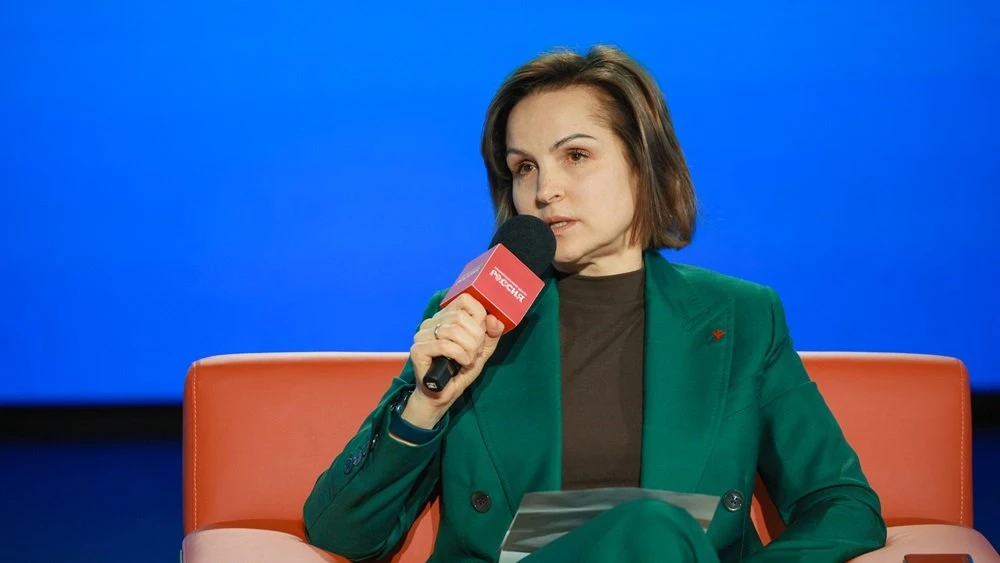
"More than 95% of the cards people held were issued by international payment systems. At the same time, we did not want to lose the level of financial market development that had already been achieved. We wanted to build on existing experience, knowledge and technology, continue developing them and create new products and services, and we wanted competition to stay. Competition is essential, because it is the consumer who ultimately benefits from it," Alla Bakina explained.
She clarified that the solution involved two steps: establishing infrastructure to process transactions made with international payment cards within Russia, and issuing a domestic payment instrument to ensure independence from external decisions.
"What makes our Mir card unique? It also incorporates non-financial services. These include social cards, resident cards, travel passes, student cards and much more. It is a truly unique product. We have made a real leap into the future, secured leading positions and continue to maintain them. This fills us with pride and a sense of responsibility, as well as a very special feeling. I cannot think of any other examples in the world quite like what has been achieved in Russia," Alla Bakina stressed.
She also noted that full independence had been built into both the hardware and the software. All the software had been developed by Russian specialists from the outset, making this a key element of the system's architecture.
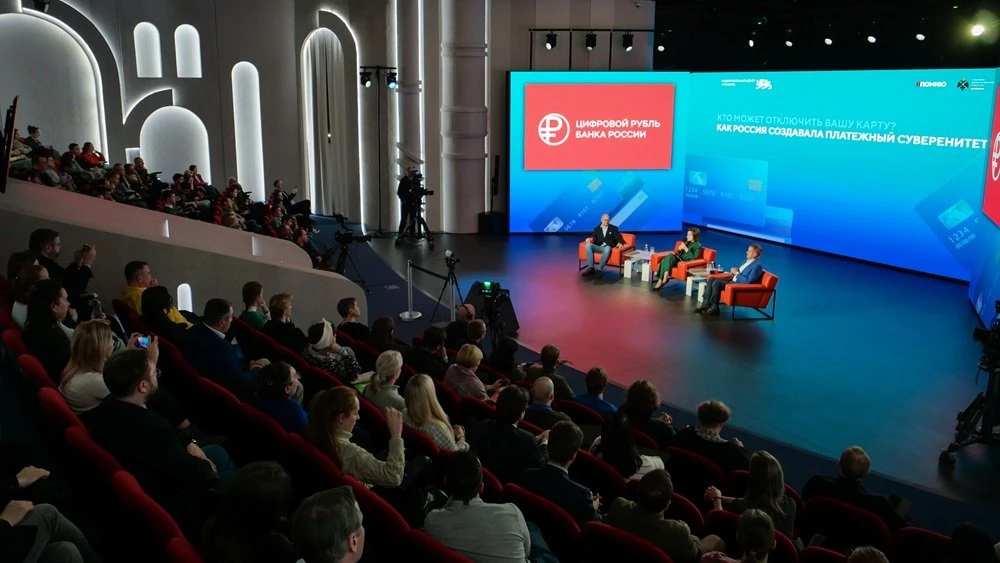
At the same time, Alla Bakina explained that there were no plans to replace plastic cards with the digital rouble. The market already offers a wide range of payment instruments, and a bank card is just one possible form factor. "A card can be physical or virtual, stored on a phone. Many market participants issue cards in the form of rings, bracelets and key fobs. Who knows what form they will take in the future? Technology, imagination and consumer demand will show us."
The speaker also noted that, alongside bank cards, the Faster Payments System and QR-code payments were continuing to develop. Since September this year, the digital rouble has moved beyond its pilot stage into broader use, with its rollout taking place in stages.
She also addressed the other side of making payments easier: security. In addition to technical tricks, fraudsters are increasingly using social engineering, manipulating people into transferring money themselves under psychological pressure. Such cases can be difficult to prove from a legal standpoint. That is why, Alla Bakina stressed, it is important to improve financial literacy and foster "cyber hygiene": people should be cautious about information from unverified sources and remember that legitimate authorities do not give instructions over the phone.
During the question-and-answer session, guests discussed the digital rouble. It is a form of Russia's national currency held not in a commercial bank but in a separate account on the Bank of Russia's platform. In effect, the account is held directly with the regulator, which is responsible to the account holder for the security of their funds, rather than a commercial bank. This arrangement has several key advantages: people can access their digital rouble accounts through any commercial bank where they hold a regular account. So, if one bank's app is unavailable, they can use another. All digital rouble transactions for individuals are free of charge, regardless of the amount or number of transfers.
The event was organised in partnership with the Russian Military Historical Society and the "I Remember" Foundation.
Event photobank

The award ceremony will take place from 2 to 5 December at the National Centre RUSSIA under the motto "Everyone can change the world around them".
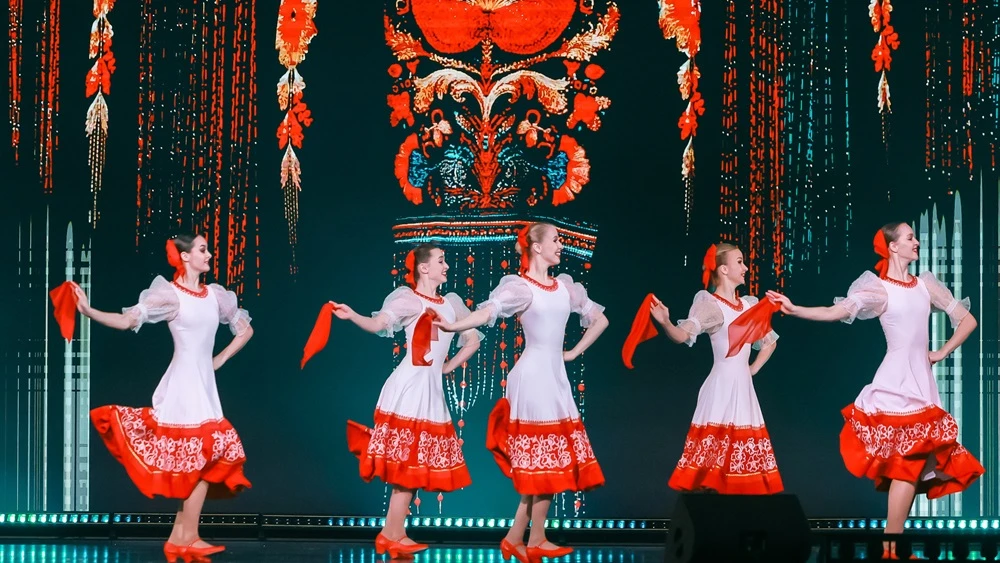
The music and dance parable "Khorovod. The Energy of Unity" will take place on 10, 11, and 12 November at the National Centre RUSSIA.