How Russian embroidery protects newlyweds and how a Mari headdress serves as a bride's passport: participants of the wedding festival share their traditions
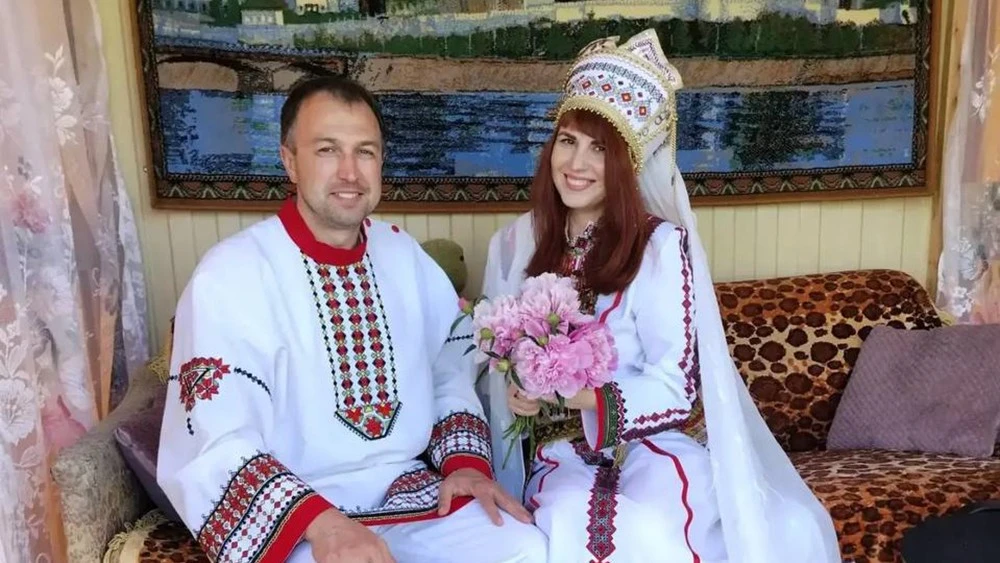
Russian sarafans, Yakut khaladais, Belarusian embroidery and Mordovian necklaces — the wedding ceremony at the III All-Russian Wedding Festival promises to become a true parade of cultures. Participants in the wedding festival have chosen either exact replicas of traditional costumes or individual elements inspired by ethnic styles for their wedding attire. Ahead of the important event, the couples shared stories about continuity between generations, unity and love.
Ivan Shirmankin and Irina Slesareva from the Republic of Mordovia will marry wearing traditional Erzya costumes. Over her white shirt, the bride will wear a necklace along with numerous chains and bells. Equally important elements of her outfit are the pulai waist ornament — without which a Mordovian woman traditionally could not appear in the presence of men — and the apron called "ikelga patsya". It is tied low around the waist to cover the hem of the shirt. The groom will wear the traditional shirt called "panar" and "ponkst" trousers.
Another Volga region will be represented at the festival by a couple from the Republic of Mari El from the Republic of Mari El — Dmitry Kazantsev and Marina Semyonova. Marina's status as a bride will allow her to wear a traditional Mari wedding headdress known as a takya. As a rule, takyas were covered with fabric and richly decorated with coins, beadwork and strings of beads. The most remarkable feature of Mari wedding costumes, however, is the embroidery.
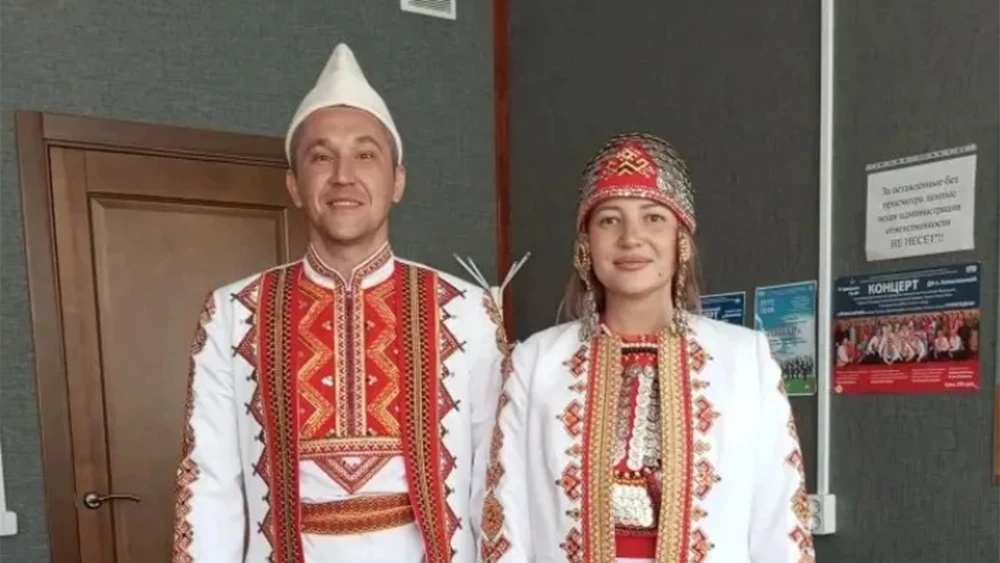
"The Mari costume is not simply beautiful — it is both a family 'passport' and protection against evil spirits. The Mari people believed embroidery served a protective purpose, which is why it was placed on the most vulnerable parts of the body. On the shoulders and chest — to protect the soul and life force. On the hem of a dress or shirt — to prevent illness and evil spirits from entering from below. On sleeves and cuffs — to give strength to the hands. Richly decorated belts served as powerful 'guardians of destiny'," Dmitry and Marina explain.
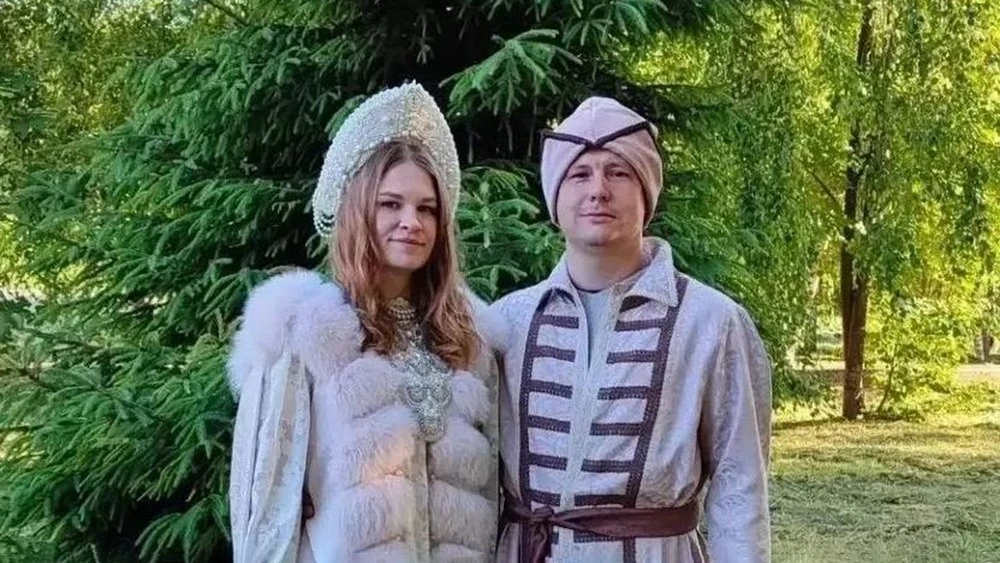
The history and culture of central Russia are equally inspiring to couples in love. Roman Bryzgalov and Yelena Denisova from the Kostroma Region will appear in the attire of boyars from pre-Petrine Russia. Yelena will wear a long lace shirt with an Arctic fox fur cape and a shoulder ornament lavishly decorated with beads, bugle beads and stones. The crowning element of the outfit will be the kokoshnik — its rigid frame allows it to maintain its striking shape, while decoration with pearls, beads and seed beads gives it a special luxurious and fairy-tale shining. Roman's wedding attire reflects true boyar grandeur: a light-coloured caftan made from suiting fabric with an ornamental monogram pattern is finished with braid and buttons that echo the design of the garment itself. The look is completed by a shirt, trousers, belt and hat — all elements are executed in a unified style and subtly complement the bride's richly decorated attire.
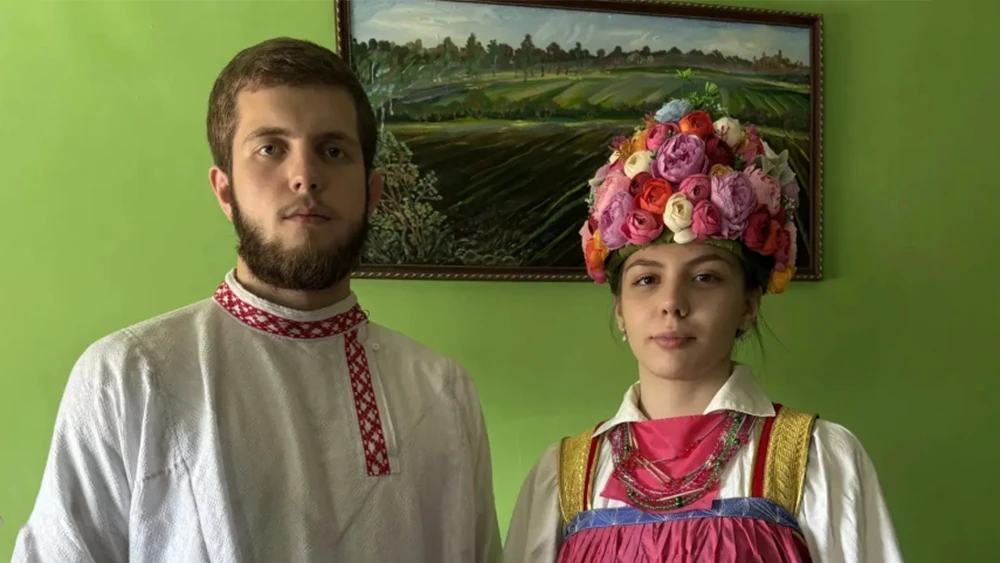
Daniil Klimov and Sofia Gvozdilina from the Kursk Region proudly note that this year the festive costume of the village of Ilek in the Belovsky District of the Kursk Region was included in the Federal State Register of Objects of Intangible Ethnocultural Heritage of Russia. The black wedge-shaped sarafan is complemented by a silk apron and a high-collared shirt. Around the neck are jingling coin necklaces and numerous strands of beads. The principal decoration of the groom's costume is the red woven flowing patterns adorning his shirt.
Maxim Petrov and Daria Blestkina from the Moscow Region have made embroidery the central feature of their wedding outfits: diamonds symbolise fertility, cultivated fields, motherhood and prosperity; crosses serve as powerful amulets protecting the wearer against evil forces; zigzags and stepped lines symbolise water and rain essential for harvests; triangles represent fire, the sun and masculine energy; rings and circles symbolise eternity, the cycle of life and the unity of the family line.
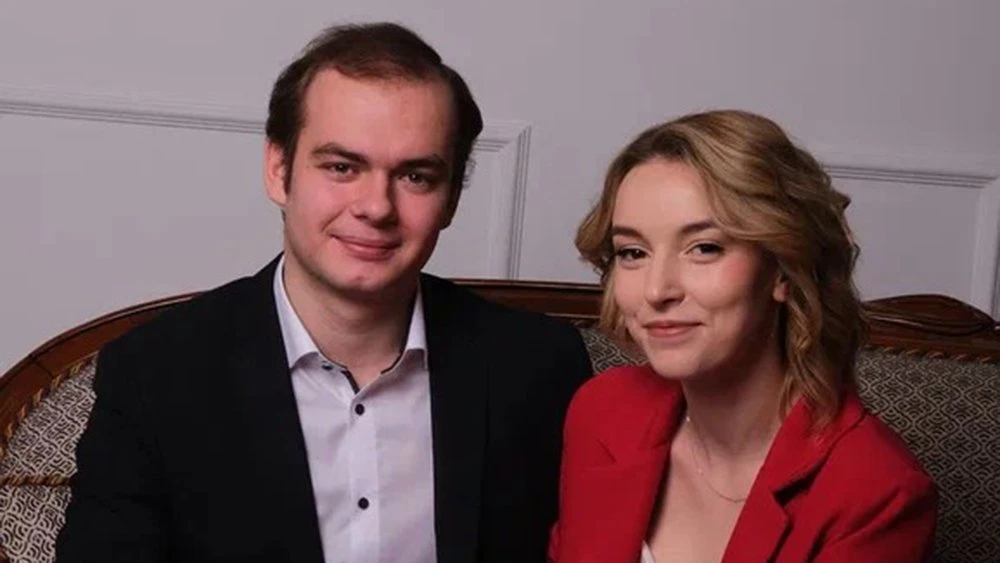
The future newlyweds emphasise that the ornamentation is placed on collars, cuffs, hems and belts to protect the most vulnerable parts of the body.
"The III All-Russian Wedding Festival 'Russia. Uniting Hearts' is about the connection between generations. Our costumes are made using authentic techniques, demonstrating our deep respect for our roots. We want to show that modern Russia draws its strength precisely from its diversity and the memory of its ancestors. By choosing traditional cuts and patterns, we are saying: 'We remember who we are and we are proud of it, sharing our culture with our brothers and sisters at the festival'," say Maxim and Daria.
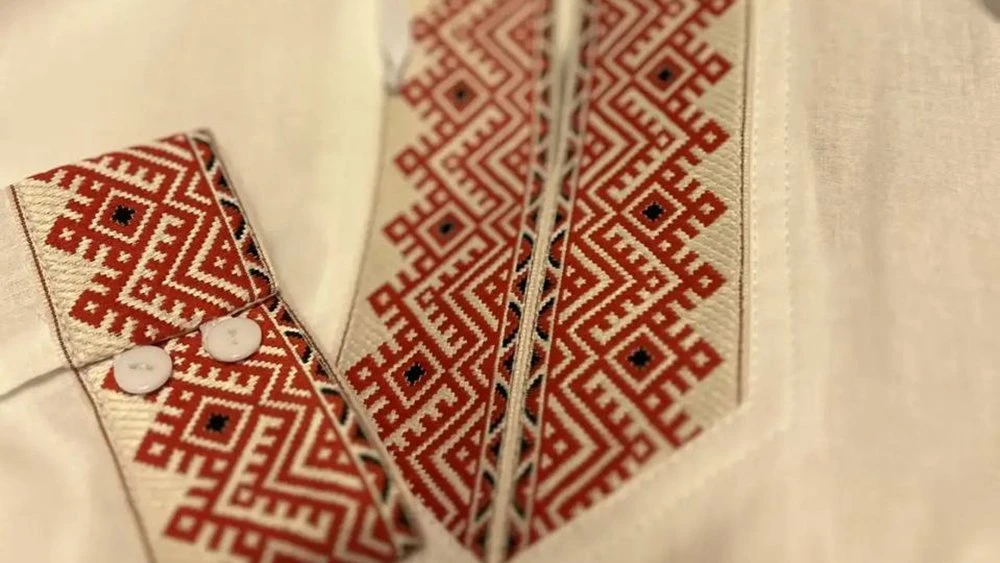
Vyacheslav Dronov and Anastasia Isakova from the Kaluga Region have invested their costumes with a profound love for their native land. Their outfits are made in two colours: white — because "after all, it is a wedding" — and red, a colour long associated with beauty, joy, love and the fullness of life.
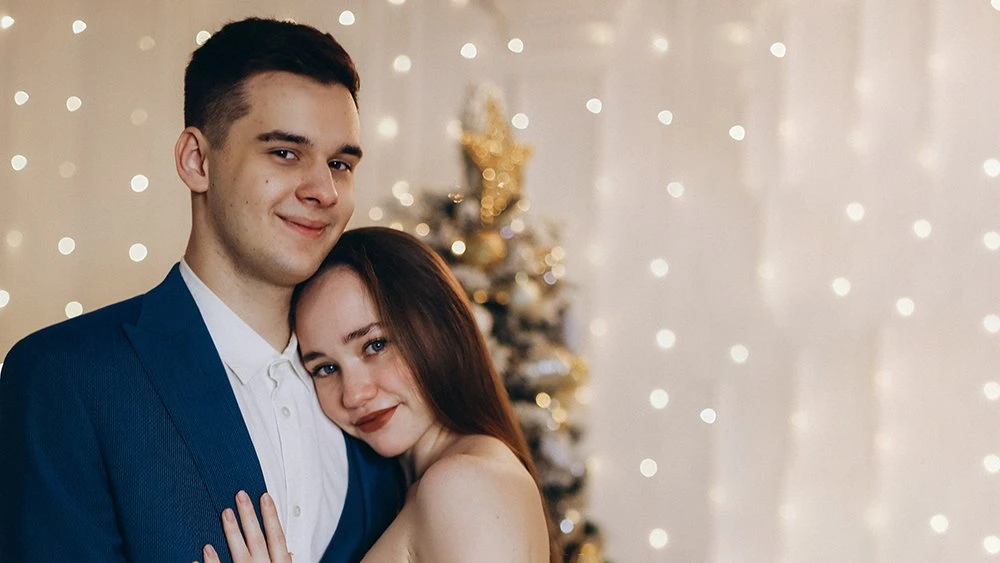
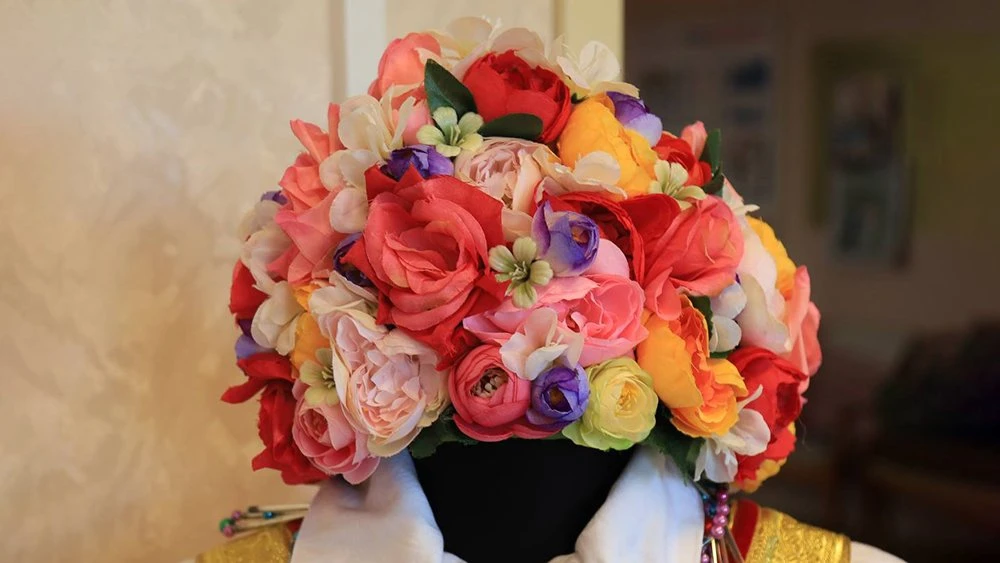
"Unmarried girls traditionally wore a single braid, usually decorated with ribbons. My braid will be adorned with a red ribbon, and I will wear a flower wreath on my head," says Anastasia.
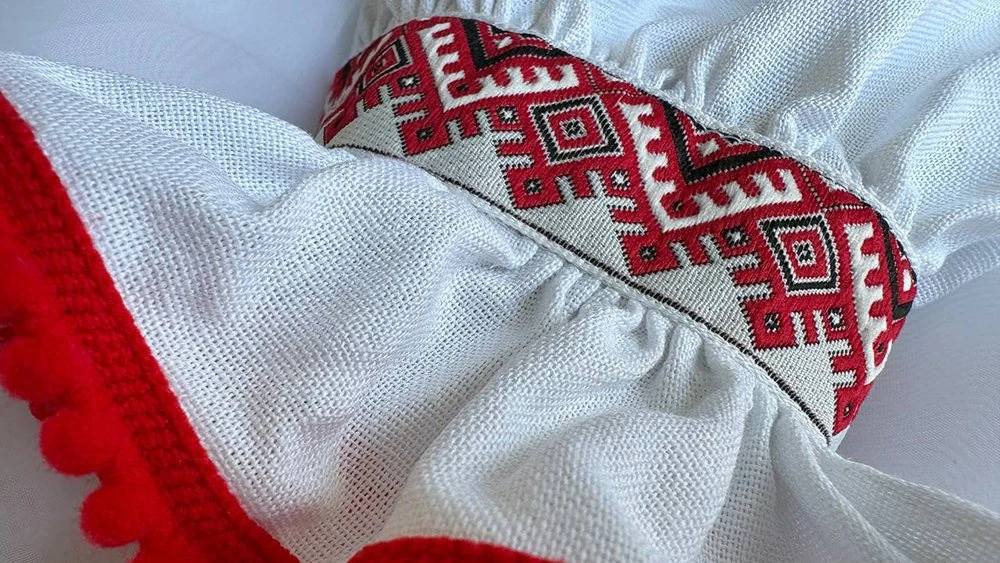
The wedding costumes of Mikhail Darbasov and Yelizaveta Nikolayeva from Yakutia (the Republic of Sakha) have been created with exceptional craftsmanship and deep respect for the region's ancient traditions. The bride has chosen a khaladai dress that carefully preserves national traditions. Her hairstyle will be adorned with an elegant bastynga headpiece with long chains, while her chest will be decorated with the richly ornamented ilin kebiser breast ornament.
"Jewellery served not only a decorative purpose but also functioned as an amulet, protecting its wearer from evil spirits (abaasy) and attracting wealth, fertility and good health. The ornaments and forms carried deep meanings: the lyre-shaped motif symbolised femininity and fertility, deer motifs were associated with the spirit of the forest, and Siberian cranes were considered symbols of happiness and longevity," explains Yelizaveta.
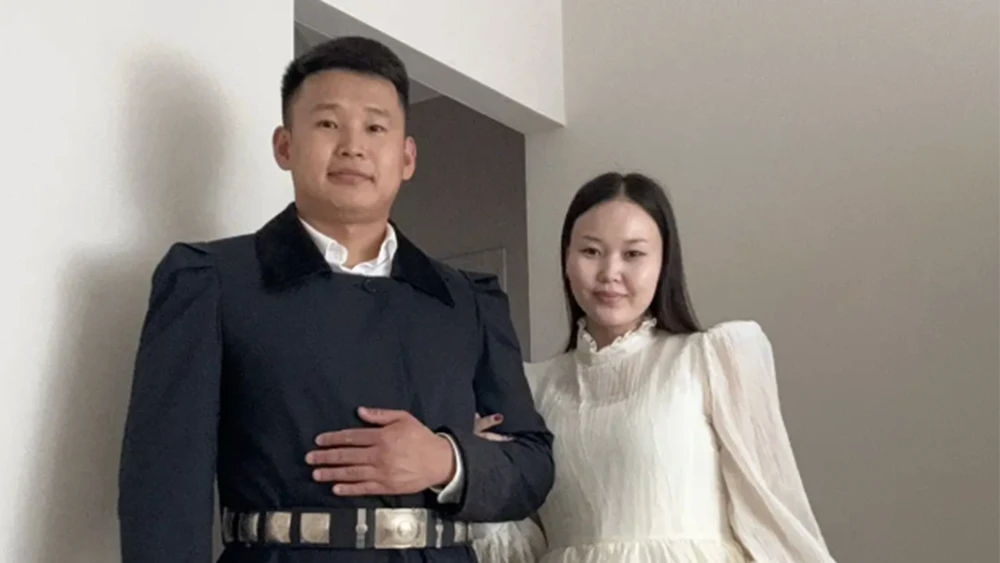
Mikhail's kamzol is a stylised interpretation of traditional men's attire. It is complemented by summer torbaza boots featuring national patterns embroidered with beads.
Yegor Rusak and Yekaterina Kovalyova proudly explain that the Belarusian white-on-white openwork embroidery technique is being prepared for inclusion on the UNESCO World Heritage List. For now, visitors will be able to admire it at the III All-Russian Wedding Festival as decoration on the costumes of the bride and groom from the Republic of Belarus.
Every pattern carries meaning: the tree symbolises the family line and future children represented by its branches, while the dove symbolises love. Yekaterina draws attention to the stars decorating the sleeves of her wedding dress.
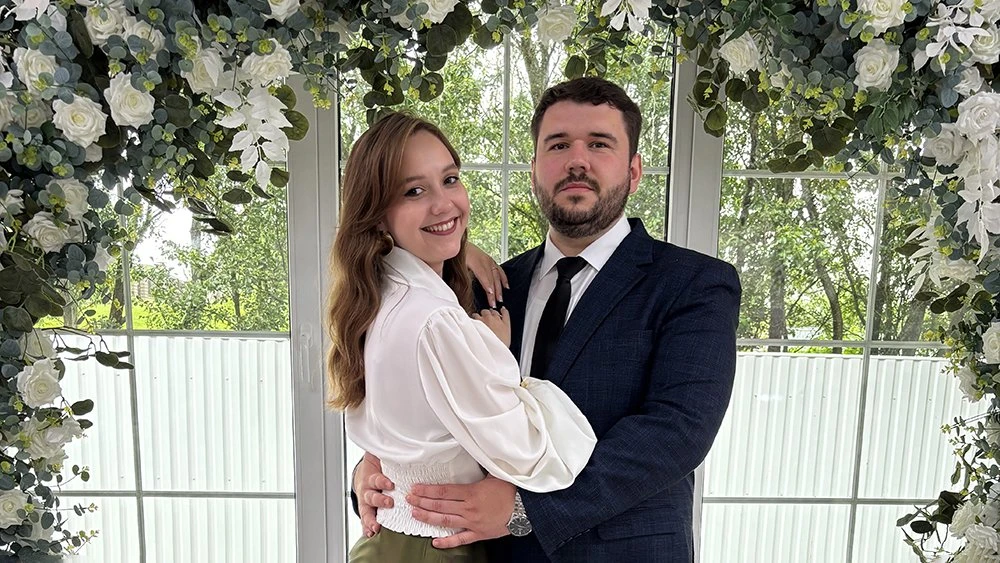
"The star pattern symbolises the person as well as the calendar — the four seasons and the eight principal annual celebrations. Such embroidery was used by those who dreamed of happiness in family life, a hardworking husband and children," says Yekaterina.
The couples dressed in national costumes will marry alongside more than 100 other couples from across Russia on the Day of Family, Love and Fidelity, 8 July, during the III All-Russian Wedding Festival "Russia. Uniting Hearts". Visitors will have an opportunity to discover the newlyweds' wedding traditions and prepare for family life through the festival's educational programme.
The programme will take place on 9 July and will be open to all interested participants. The festival will conclude with the grand performance "Khorovod. Wedding", bringing together newlyweds, their guests and other participants in the celebration.
This year, the geography of the festival is expanding: alongside Moscow, festive wedding ceremonies will also take place at National Centre RUSSIA branches in the Primorye and Krasnoyarsk Territories and in the Khanty-Mansi Autonomous Area — Yugra.
The III All-Russian Wedding Festival is organised by the National Centre RUSSIA together with the Government of Moscow and the Moscow Civil Registry Office. During the Year of Unity of the Peoples of Russia, declared by President Vladimir Putin, the festival's central theme is "United in Love" — the unity of hearts, cultures, traditions and values.
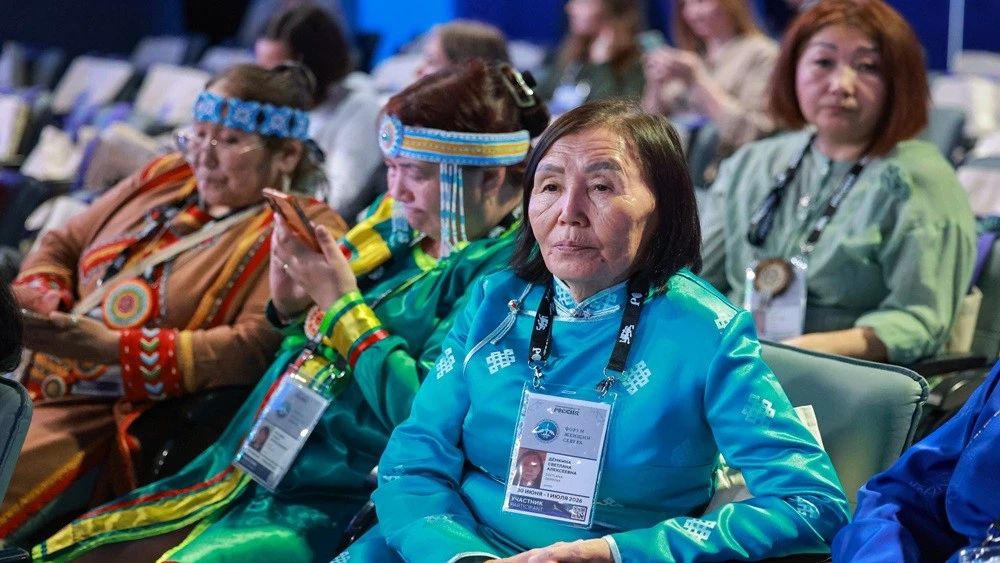
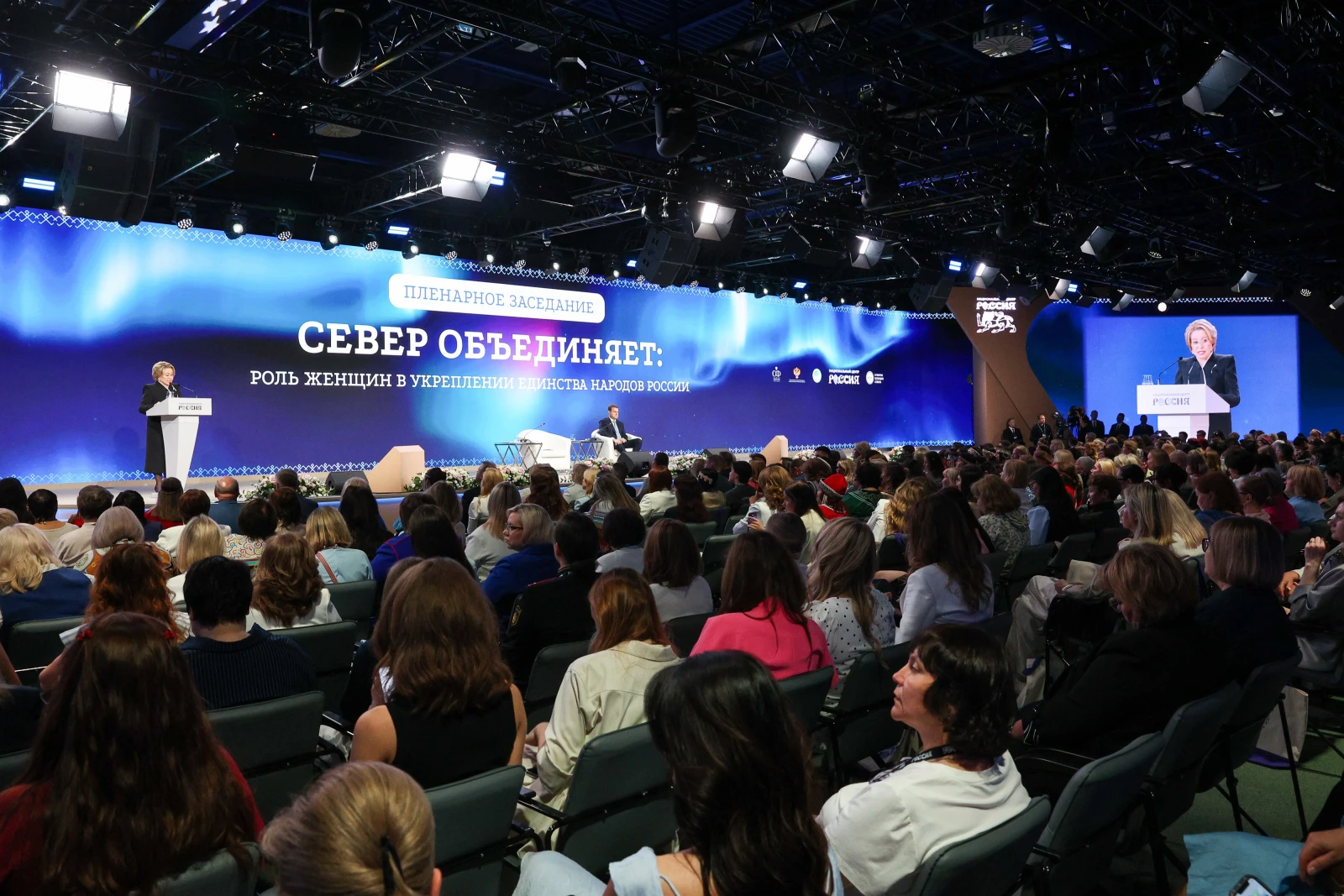
The forum has brought together more than 800 participants, including leaders of public organisations, social workers, teachers, doctors and entrepreneurs from 28 regions of the country.