How to become a cosmonaut explained at the National Centre RUSSIA in the new project "Space Odyssey"
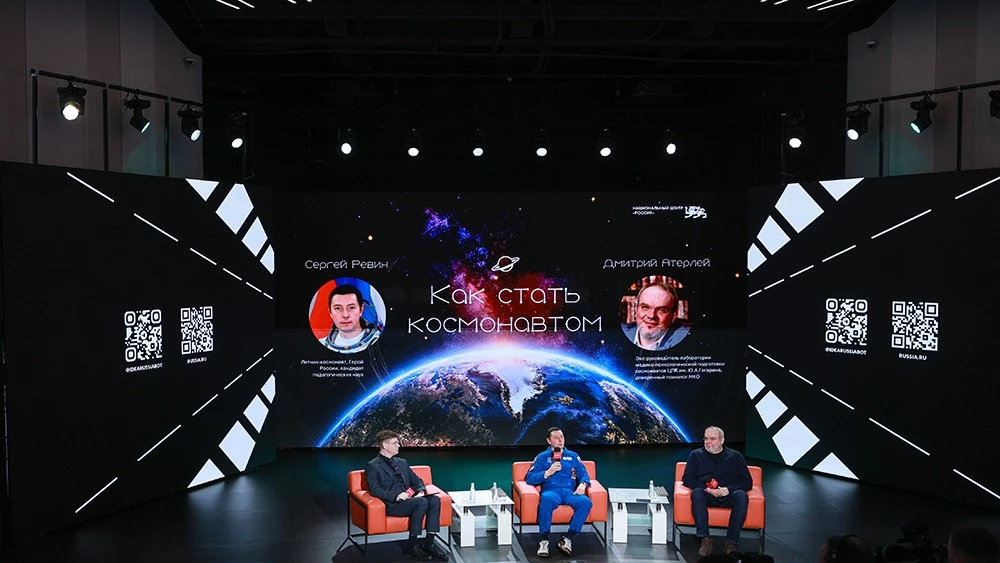
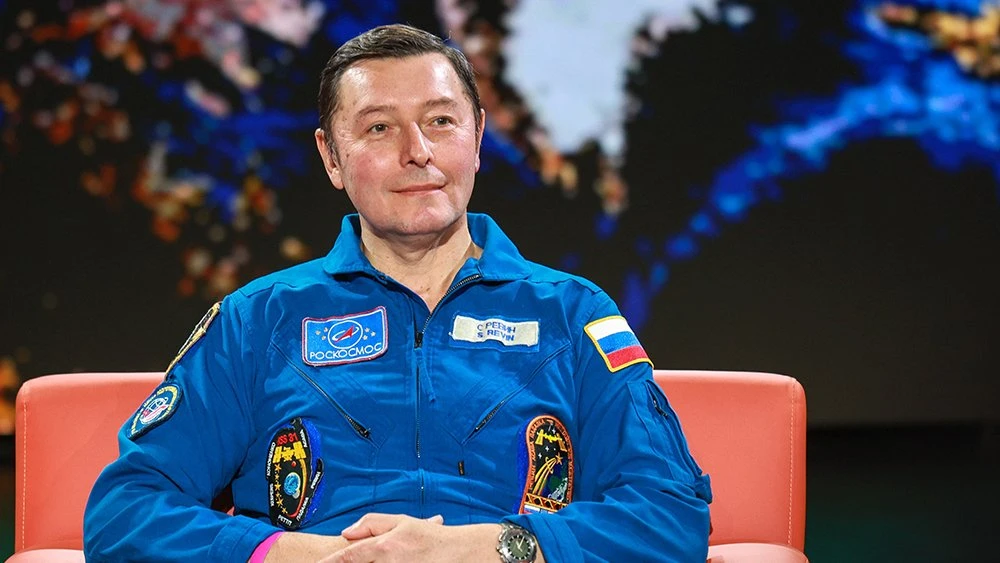
On Cosmonautics Day, 12 April, the National Centre RUSSIA launched a new educational project, "Space Odyssey", dedicated to the 65th anniversary of the first human spaceflight. The first event in the series, titled "How to Become a Cosmonaut", brought together everyone interested in the history, present, and future of crewed space exploration. The speakers were pilot-cosmonaut, Hero of Russia, Candidate of Pedagogical Sciences Sergei Revin and former head of the laboratory for medical and psychological training of cosmonauts at the Yuri Gagarin Cosmonaut Training Centre, trusted psychologist of the International Space Station Dmitry Aterley.
The experts immersed the audience in lesser-known facts about the training of Yuri Gagarin, Gherman Titov, and other members of the legendary "first six". The discussion covered not only centrifuge training and space food in tubes, but also the psychology behind their achievements: how the first explorers of space overcame fear of the unknown and what they were willing to risk to fulfil their dreams.
Sergei Revin noted that the first human spaceflight was neither accidental nor a one-off achievement. A key role was played by the Soviet scientist and rocket engineer Sergei Korolev, one of the founders of practical astronautics.
"Without what Sergei Pavlovich Korolev dreamed of in his youth — first of flights in gliders, and then to other planets, not only around the Earth but beyond — this would not have happened. And of course, the test cosmonauts of that time played a decisive role. They gave our generation the opportunity to build our dreams on the foundation of their achievements. What we are doing today — flying to orbit, working on the International Space Station — was laid down back then, 65 years ago. And we continue to dream and realise those dreams — flying and working on the ISS. Today’s young people look to us and, in turn, dream of flights to the Moon and Mars," Sergei Revin said.
He added that astronautics has long ceased to be a purely technical field, and educational projects such as "Space Odyssey" are highly important for career guidance and for inspiring the younger generation.
"Today, mixed crews fly to the International Space Station. We continue to fly with Americans, including on their spacecraft, while they fly on ours. Europeans, Japanese, and Canadians also take part. There are also space tourists. It is an international field where experience is exchanged. From a career guidance perspective, this is very promising. I would also add an educational aspect: the opportunity to shape worldview and philosophy. Russia has its own tradition — the so-called Russian cosmism. If this direction is developed further, complemented by economics, political components, and educational programmes, it can become a powerful foundation for educating young people," Sergei Revin concluded.
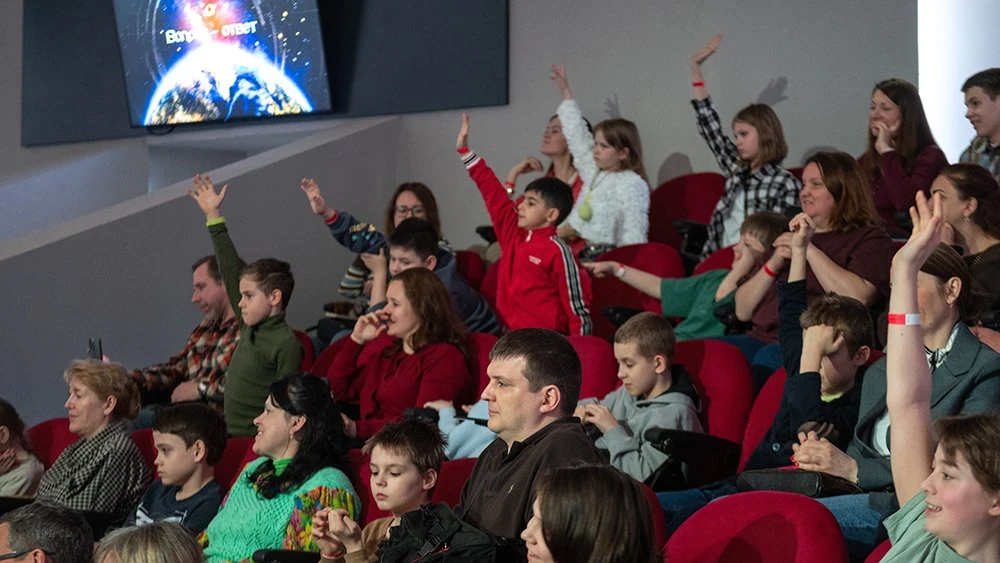
Participants also discussed how the training of spaceflight candidates has changed over the past 65 years and what qualities are required for those who dream of seeing Earth from orbit. Former head of the laboratory for medical and psychological training of cosmonauts at the Yuri Gagarin Cosmonaut Training Centre, trusted psychologist of the International Space Station Dmitry Aterley noted that excellent health today is not even half the success.
"If in the time of Yuri Gagarin the focus was on physical endurance and military training — the first group consisted only of fighter pilots — today scientific training comes to the forefront. Greater importance is given to researcher-cosmonauts and test cosmonauts: engineers, biologists," Dmitry Aterley said.
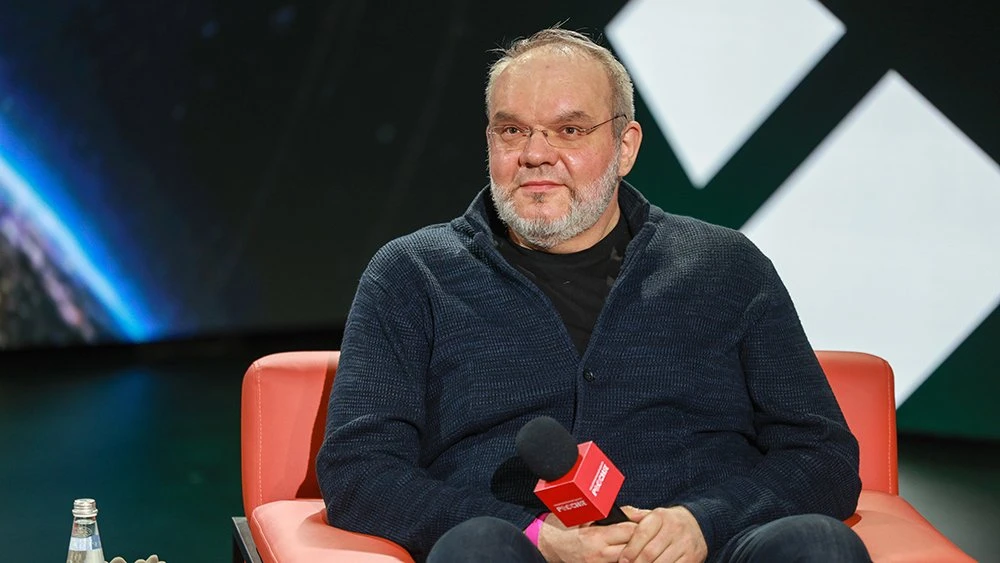
At the same time, according to the expert, intellectual endurance, psychological resilience, and the ability to work in a confined space within a multinational crew are essential.
"At the stage of general space training, candidates undergo tests of psychological stability under conditions of continuous activity. This experiment lasts 98 hours, and all those who go on long-duration missions successfully complete it," Dmitry Aterley added.
The expert also emphasised that "Space Odyssey" is an important project for promoting the field: "It is important to show that the possibility of flying into space exists. The project can serve as a guide in terms of social and educational mobility, helping people understand that this dream is entirely real. It can become not just a childhood fantasy, but a true life path."
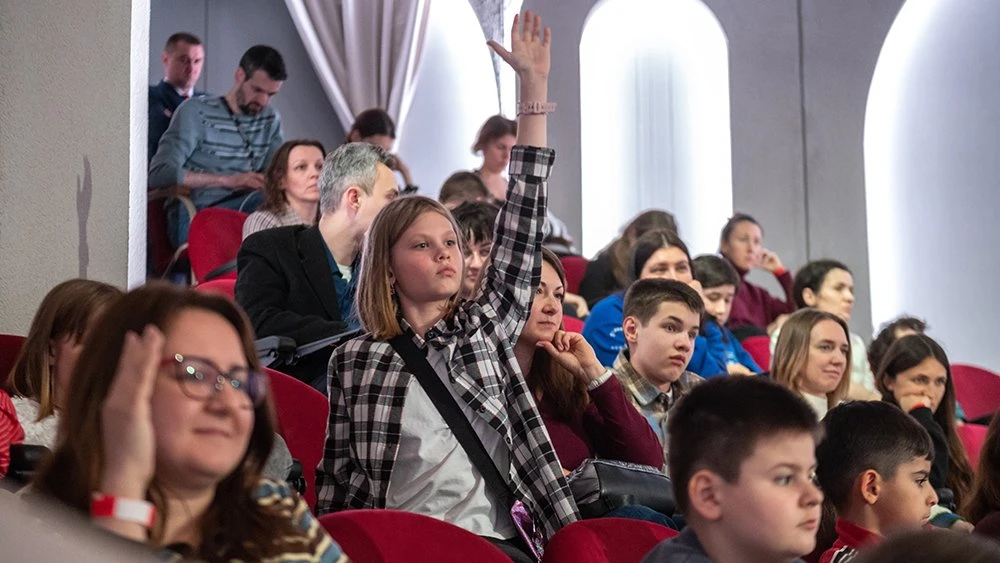
Participants reflected on the prospects of crewed space exploration and space tourism, discussed whether humanities specialists — bloggers, artists, teachers — are needed in orbit, and considered the possibility of life beyond Earth. Throughout the event, experts answered questions from both adults and young space enthusiasts.
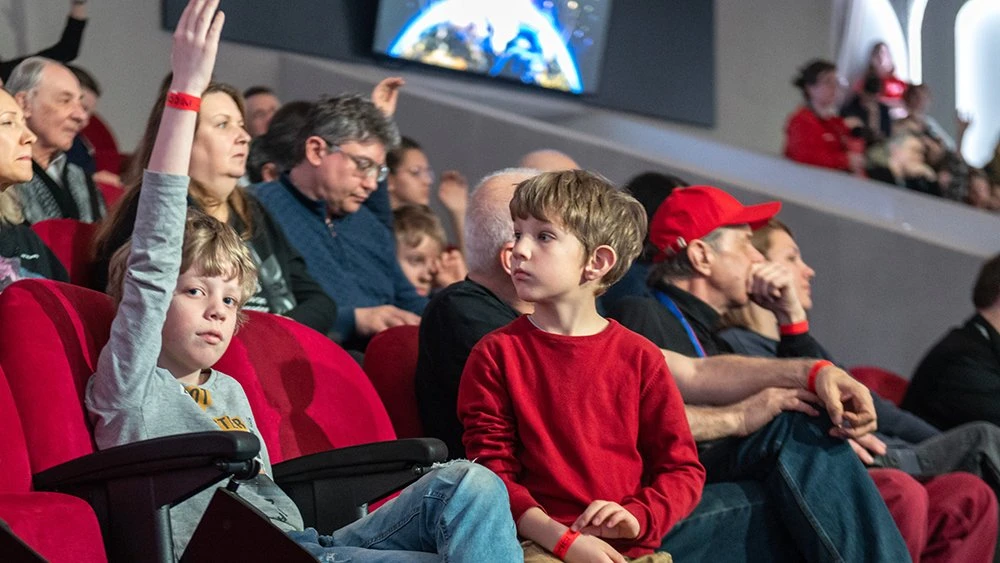
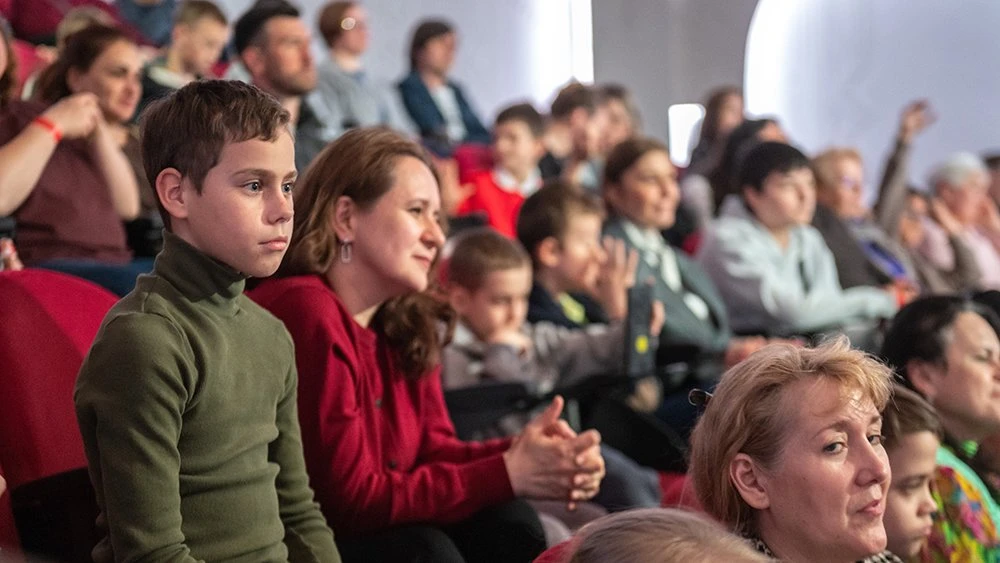
Children asked whether the food on the International Space Station is tasty, whether it is possible to scratch one’s nose inside a spacesuit, whether it is comfortable to sleep in zero gravity, what dreams are like in space, how water is consumed, how daily life is organised, and what unexpected difficulties arise during long missions. The most common question was: "How to become a cosmonaut?"
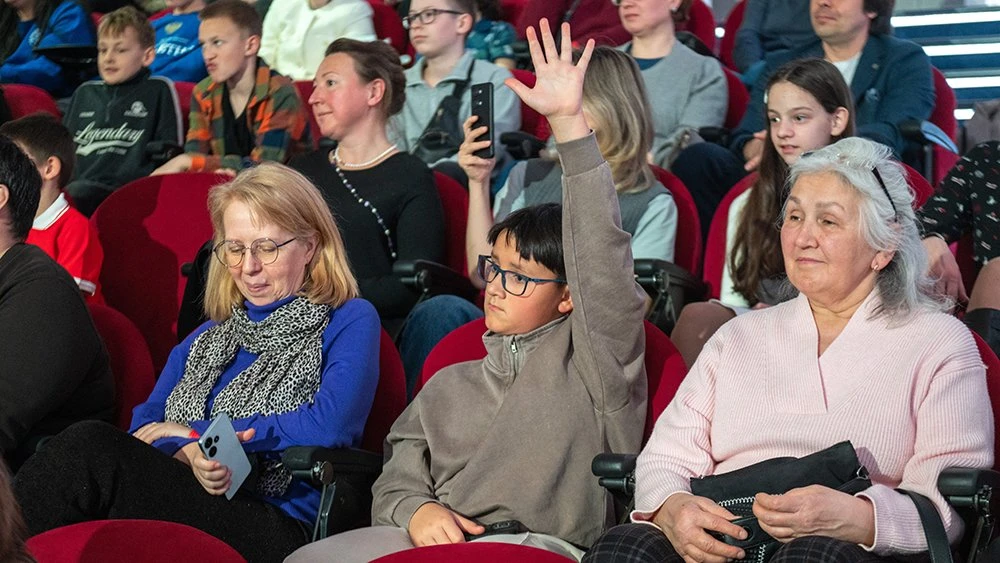
"Space Odyssey" is a new original educational project of the National Centre RUSSIA, which will include meetings with cosmonauts, experts, and professionals from the space industry. The lecture series is dedicated to the anniversary of Yuri Gagarin’s flight into space. More than 160 people attended the first event. Three thematic events will be held over the course of the year. The project aims to spark interest in astronautics as a source of national pride and an important field for personal fulfilment. Space is closer than it seems. It begins with a dream, bold ideas, and a willingness to learn.
Event photobank


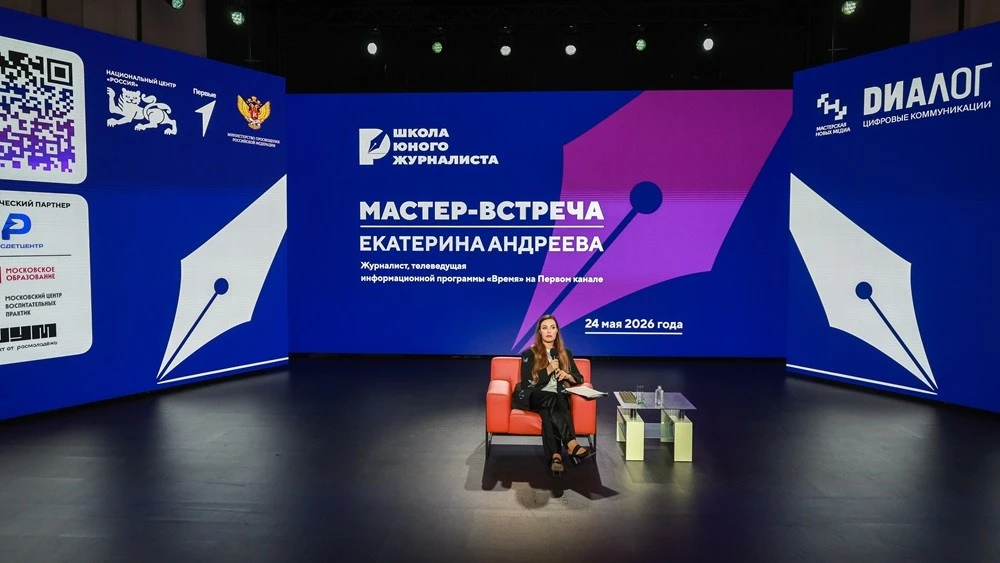
The expert shared with the students not only professional secrets, but also her personal success story.
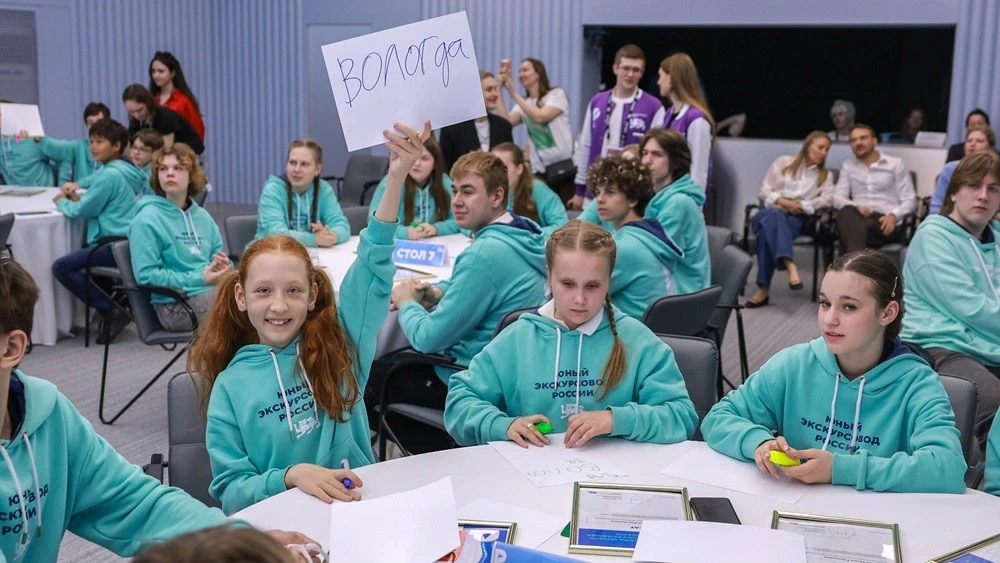
The results of the 2025-2026 season of the Young Tour Guides School of Russia project were summed up at the National Centre RUSSIA.