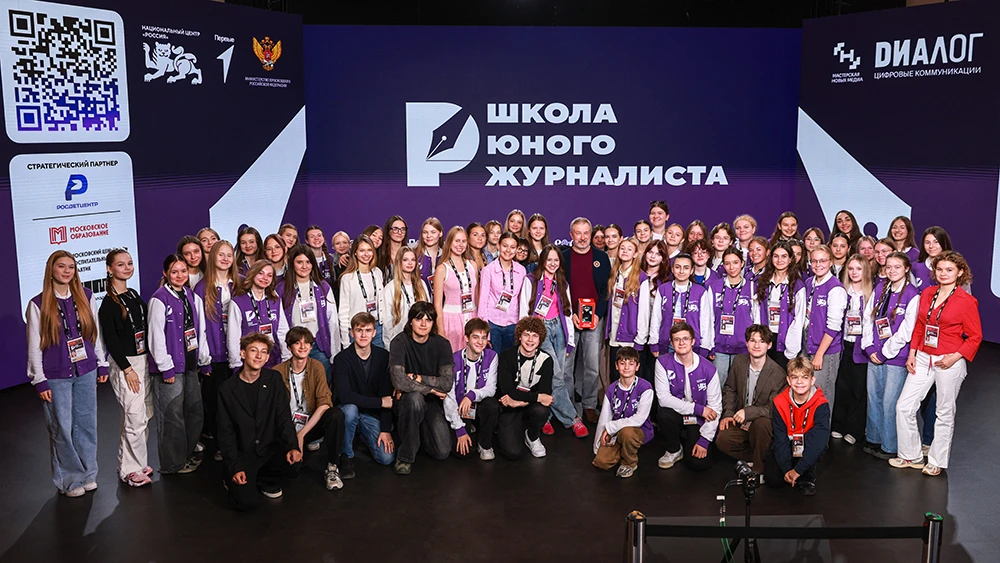


Young journalists at the National Centre RUSSIA learn how to choose a genre and avoid falling for provocations

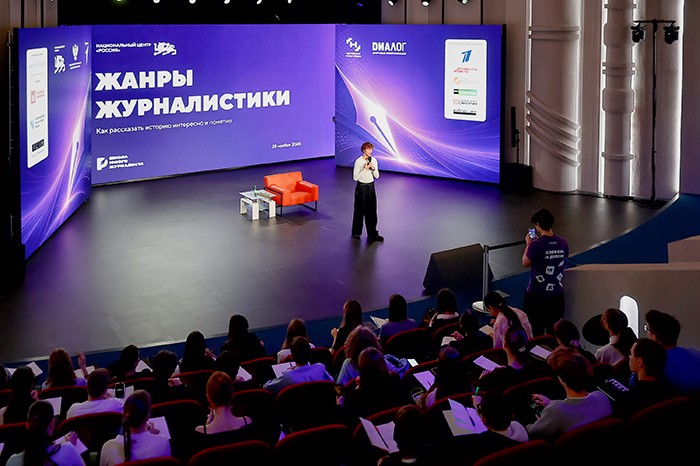
Another class in the second season of the original "Young Journalists School" project was held at the National Centre RUSSIA on 28 November. Emil Mirsayev, a correspondent for Russia 24 and creator of RBC's "Business Vector" programme, gave a lecture on "Genres of Journalism" to participants in the in-person programme and graduates of the first season.
The class focused on journalistic genres and their role in shaping the stories journalists tell. The media educator showed why it is important to distinguish between editorial formats and follow their conventions: using a trip to the cinema as an example, Emil Mirsayev explained how the way information is presented relates to what the audience expects.
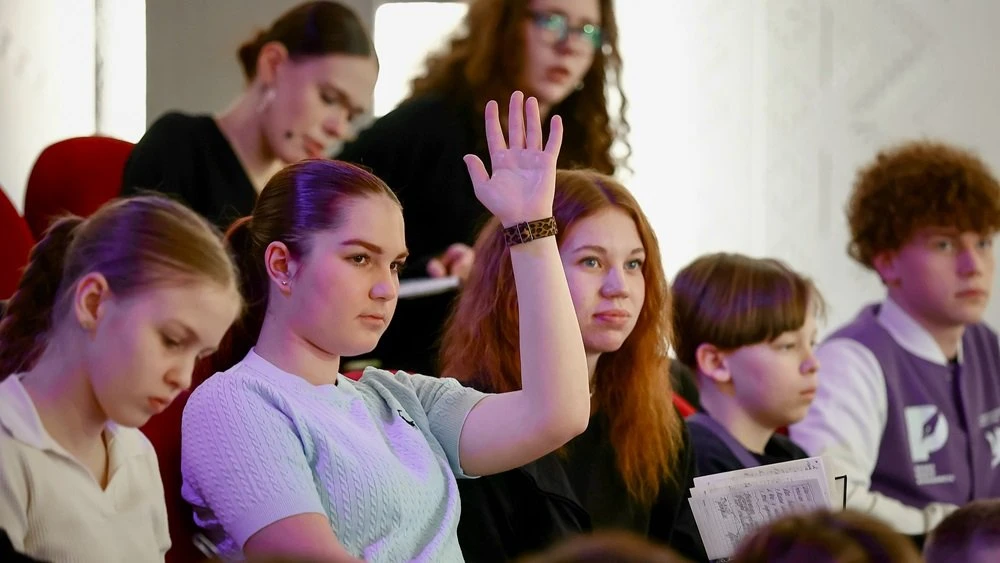
"Say you decide to go to the cinema with your friends after the lecture. How do you want the film to make you feel? If you want a laugh, you go to see a comedy, and if you're in the mood for romance, you choose a melodrama that will give you the experience you're looking for. The same applies to the media: you need to understand what kind of content you're consuming and what genre it belongs to. If you work in journalism, you need to know the conventions of each genre and stick to them. After all, if you go to the cinema for a laugh and end up watching a sombre story, that kind of departure from the rules looks silly — unless, of course, the filmmaker did it deliberately," said Emil Mirsayev, drawing the parallel.
During the class, the young people were introduced to three main groups of journalistic genres — news reporting, analysis and literary journalism. The pupils also learnt what professional terms mean and explored the difference between a genre and a format, then practised identifying the genre of a piece and picking out its key points.
Emil Mirsayev stressed that what matters to the audience and what the story has to say should always be at the heart of any piece. He encouraged the pupils to try their hand at different genres of journalism so that, in time, they could decide which direction they wanted to pursue.
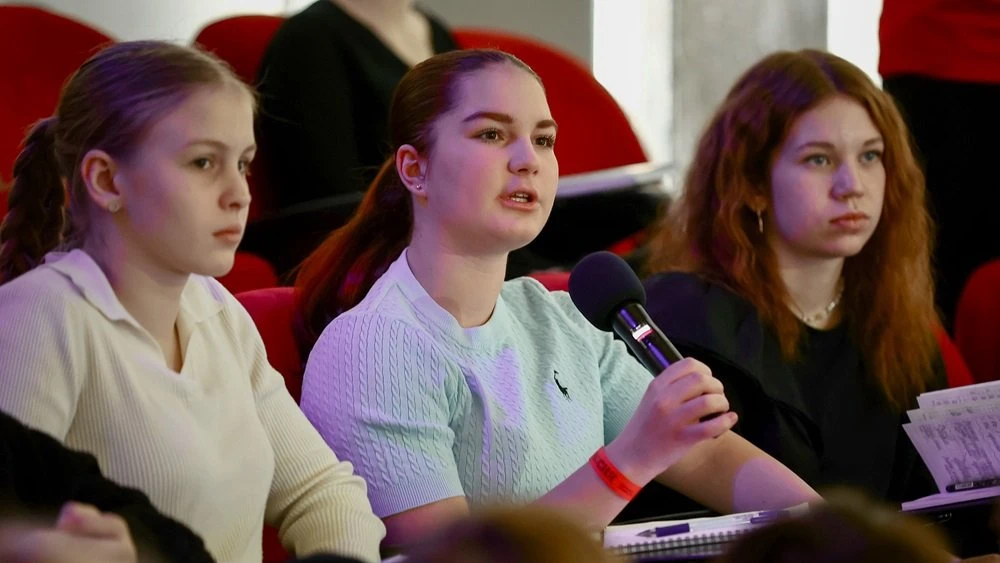
The class also focused on developing critical thinking, a skill that matters in journalism and in everyday life. Emil Mirsayev drew on his own experience: he said that learning to think critically had changed even his everyday conversations.
"Critical thinking is incredibly important. I learnt to do it in the first year of my internship, and it changed more than the way I worked: even my conversations with my mum became quite different. When she told me something, I'd come back with, for example, 'What makes you think it's green rather than red? Who told you that?' And so on. So always pay attention to who's saying what and why, so you don't fall for propaganda tricks," the media educator told the pupils.
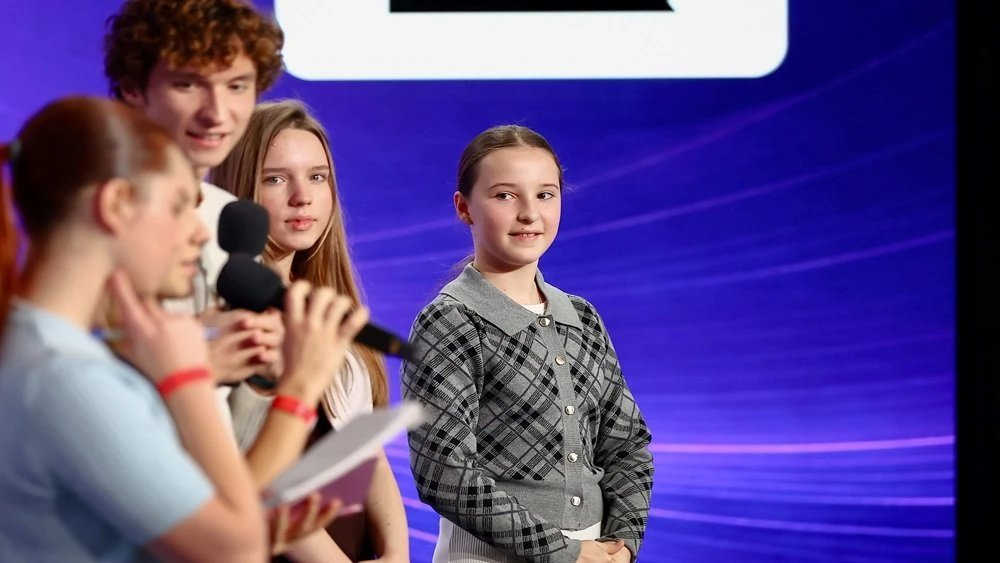
The journalist used a specific example to show how even a neutral fact can take on different meanings depending on how it is presented. It was a straightforward news story: two streets flooded after a downpour, and municipal crews spent three hours pumping out the water.
"If you've worked as a city reporter for a few years, you know how much water there usually is and how quickly it's cleared. If it really is a long, labour-intensive job, you could praise the municipal crews in your news report by saying they cleared the water in just three hours. But if it was only 'a couple of drops of rain', so to speak, those same three hours can look quite different — they might point to a shortage of equipment or poor organisation. So you should always draw on past experience to avoid taking superficial interpretations at face value," explained Emil Mirsayev.
At the end of the lecture, the media educator returned to the question of journalistic responsibility: "Facts always come first, and what you say matters more than how you say it. And always remember that a journalist is accountable to society, to their listeners and to themselves for what they do."
The "Young Journalists School" project is run by the National Centre RUSSIA in partnership with the Ministry of Education of the Russian Federation and the Movement of the First. The Russian Centre for Children and Youth is the programme's strategic partner. The initiative's main aim is to support a new generation of bold, honest and talented media professionals who can shape the public agenda for Russia's future.
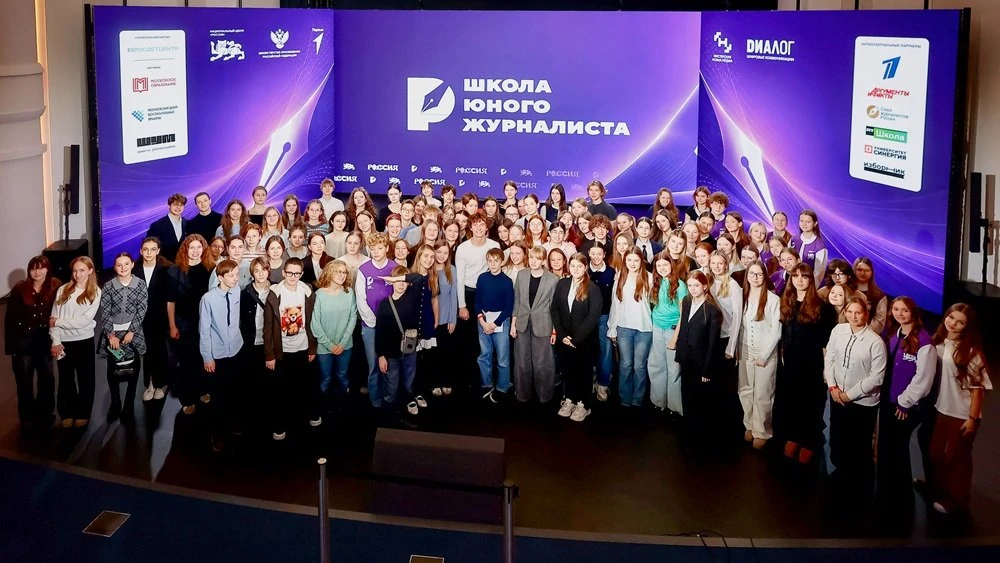
More than 400 young people from Moscow, the Moscow Region, the branches of the National Centre and other regions of Russia are taking part in the school's second season. A total of 133 aspiring media professionals from 56 Russian regions were selected for the online module. Over several months, participants will learn the craft of journalism, from the basics of writing and working across genres to producing multimedia content and gaining practical experience in a real media environment. After completing the programme, graduates stay connected to the project: they remain part of the National Centre RUSSIA team, take part in its initiatives and help develop the project.
Event photobank

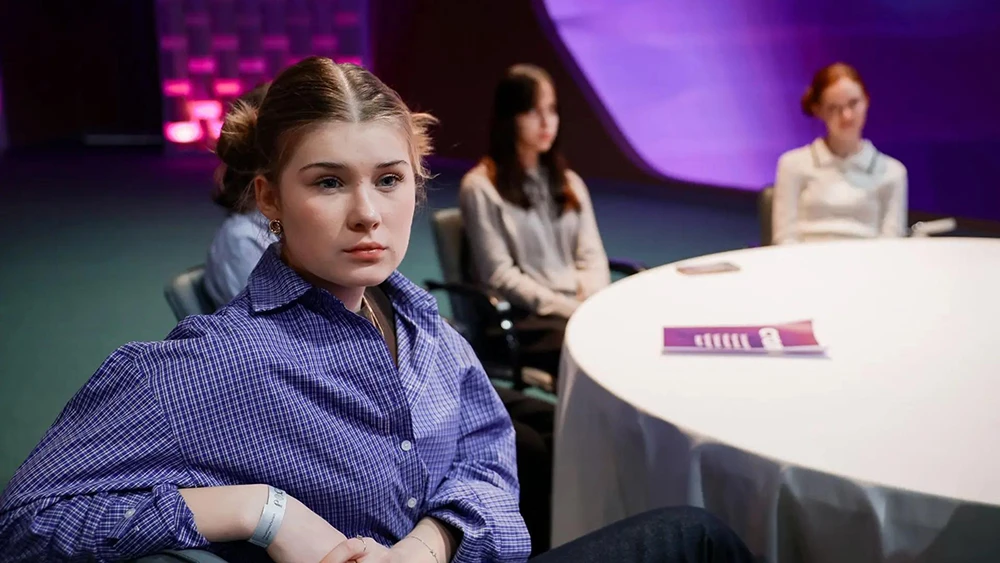
Training for the second season of the original project "Young Journalists School" began on 17 November at the National Centre RUSSIA.
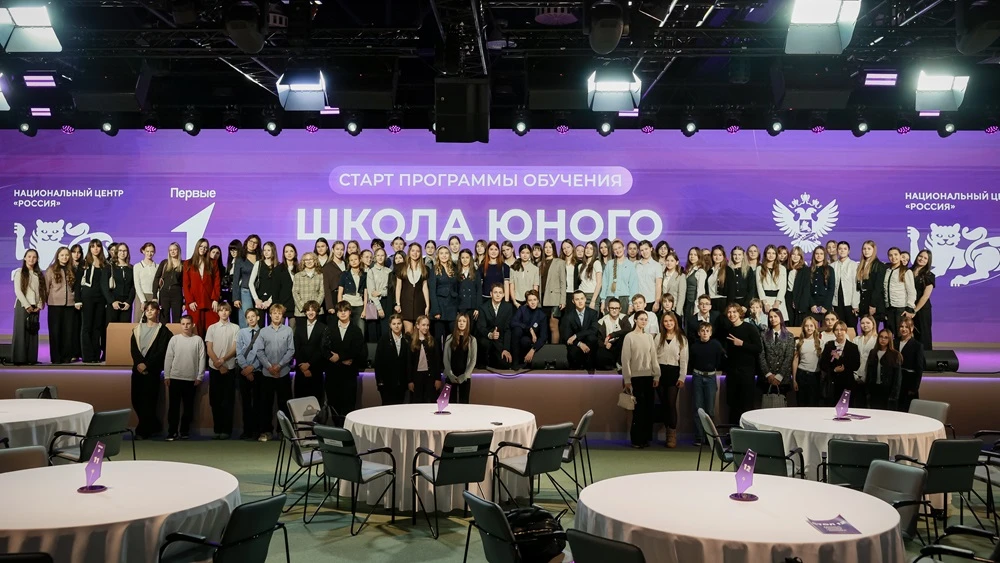
The educational programme consists of several modules: Practical Training, "The Word", an online module, Professional Development, Motivation and Masterclasses.