


Russia’s storehouse: guests of the National Centre RUSSIA learned what treasures the country’s subsoil conceals
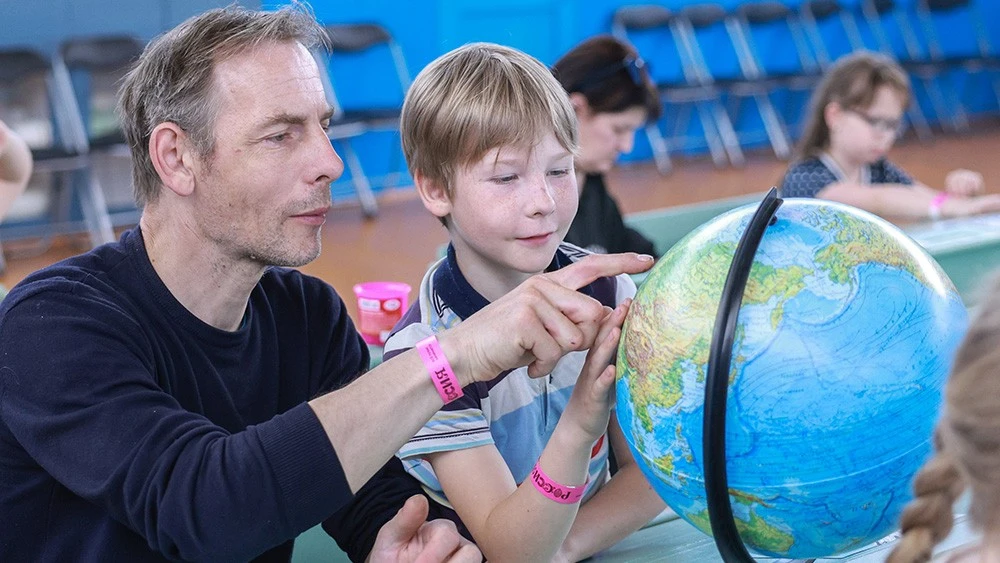
The treasures of our country are not only gold, diamonds and oil. They also include rare earth metals, without which modern life is impossible to imagine, and natural resources that serve millions of people every day. Alexandra Leman, Associate Professor at the Faculty of Geography and Geoinformation Technology at HSE University, spoke about this at the lecture "Russia’s Storehouse: How Treasures Are Extracted" at the National Centre RUSSIA. The meeting was held as part of the original cultural and educational project "Exploring Russia", timed to coincide with the "Geography Lessons" exposition.
At the beginning of the talk, the speaker invited the participants to formulate for themselves what they imagine when they hear the expression "Russia’s storehouse". Guests named diamonds, ore, salt and even forests. Alexandra Leman agreed with these answers, but added that in this context treasures mean not only precious stones and metals, but also energy resources, ores, construction materials and rare earth elements, without which modern technologies would be impossible. Using an ordinary smartphone as an example, she showed how many "treasures" are hidden in one device: glass, an aluminium case, silicon, rare earth metals and lithium in the battery.
"Our smartphone is a small showcase of the subsoil. Dozens of deposits have come together here: metal from some regions, rare elements from others, and energy from oil and gas, which was needed to extract and process all of this. Even lithium, which is used in batteries, can be obtained not only from hard rocks, but also from water — from associated waters that rise together with oil and gas," Alexandra Leman said.
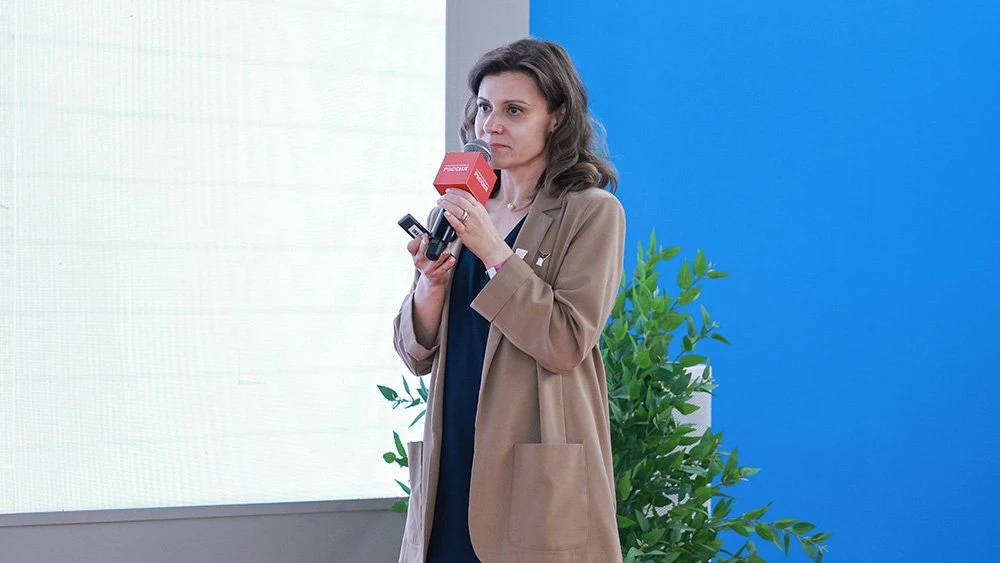
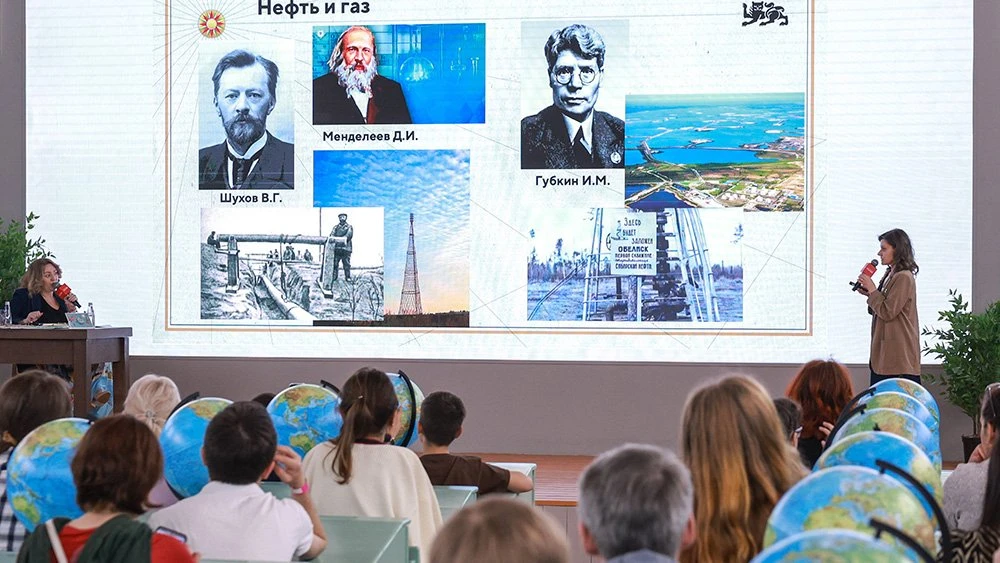
The expert also spoke about the geography of mineral resources. On maps, guests saw where Russia’s coal basins, oil and gas provinces, ore and precious stone mining areas are concentrated, as well as how offshore deposits and the Arctic shelf are gradually becoming part of this picture. She recalled that salt and furs were originally considered treasures in Russia, while ideas about the wealth of the subsoil developed hand in hand with scientific progress and engineering discoveries, from the first industrial developments in the Urals to Vladimir Shukhov’s oil pipelines and Ivan Gubkin’s research.
The audience was particularly interested in the discussion about why the country needs oil, gas and coal, and what is made from them besides fuel.
"We most often think of gas when we light a burner or talk about heating. But in fact, both oil and gas are not only energy. They are used to create a huge number of things we are familiar with: from plastic parts in equipment and furniture to packaging, paints and varnishes, and elements of clothing. From gas, as from oil, it is possible to obtain solid materials and make tableware, packaging and the very bags we rarely think about," Alexandra Leman explained.
The expert showed how the search for treasures and their extraction are connected. Guests learned about three main extraction methods — through wells, open pits and mines — as well as geophysical methods that make it possible to "look" deep into the Earth using seismic surveys and electromagnetic fields, and how the long chain from geological exploration to raw material processing works. According to Alexandra Leman, IT specialists are now being added to the industry’s classic professions, helping to combine data into digital models, manage processes in real time and improve production safety.
Concluding the lecture, the speaker emphasised that every step towards the subsoil must be accompanied by carefully planned measures to protect the environment and restore territories after extraction is completed.
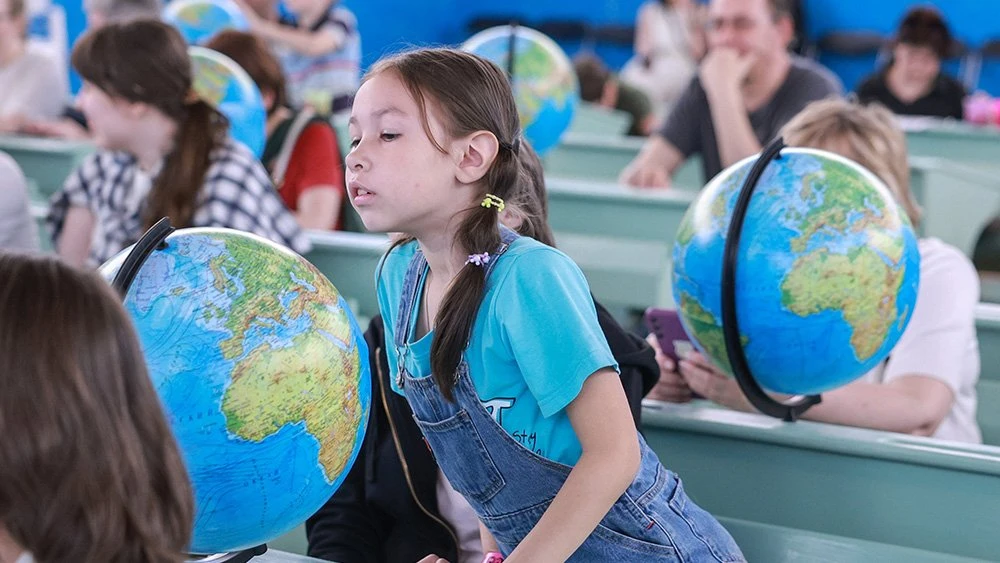
"It is important for us to remember that Russia’s treasures are not only what we extract from the subsoil, but nature itself. And the profession of a treasure hunter today is inevitably linked to caring for the environment. We cannot give up resources, but we can and must ensure that what remains after us is not scars on the landscape, but places people want to return to," Alexandra Leman emphasised.
The "Exploring Russia" project is timed to coincide with the "Geography Lessons" exposition and presents the country as a territory of natural wealth, advanced technologies and responsible care for the environment. Visitors can attend the project’s events free of charge; the schedule is published in the "Events" section on the website of the National Centre RUSSIA.
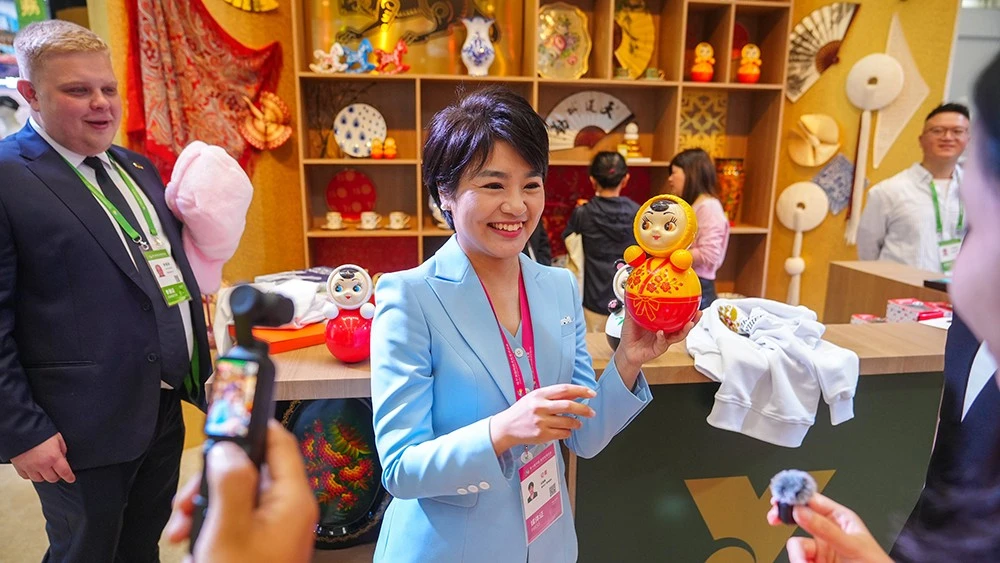
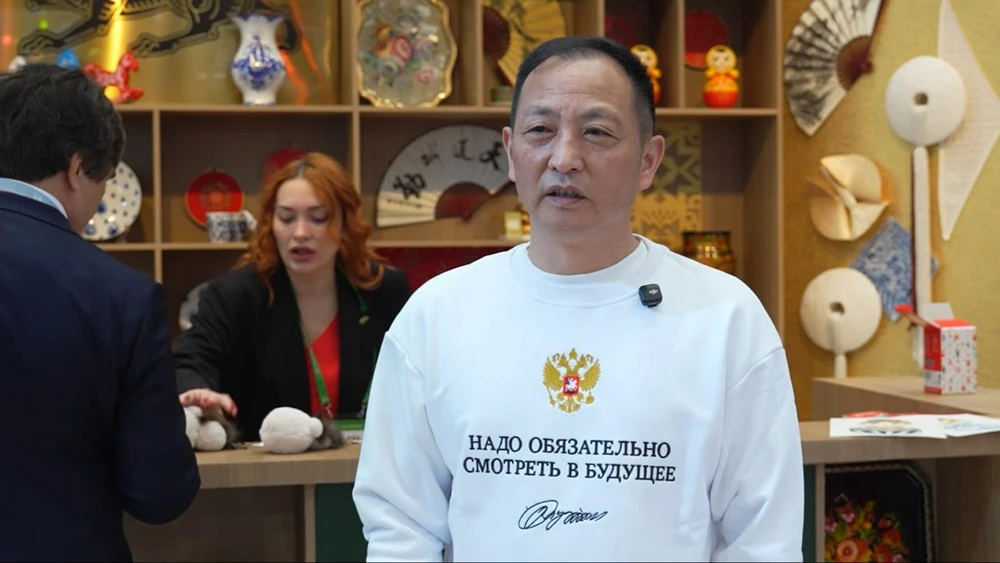
The 10th Russia-China EXPO has opened in Harbin, and the Department Store stand, the flagship project of the National Centre RUSSIA, attracted visitors’ attention from its very first hours of operation.


