


Costume as a means of communication: the hidden properties of clothing explored at the III All-Russian Wedding Festival
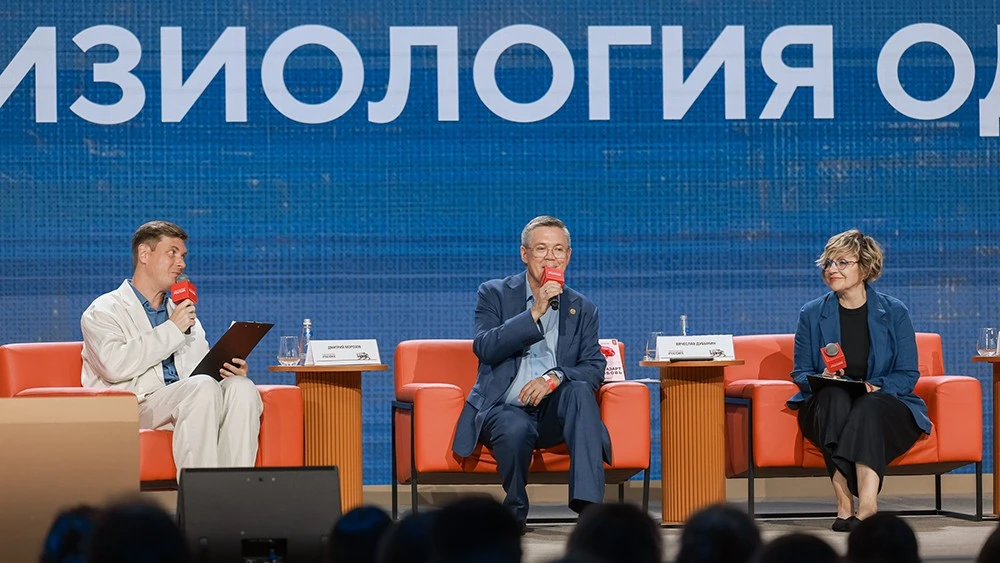
Fashion and
physiology, science and centuries-old rituals came together during the
educational programme of the III All-Russian Wedding Festival "Russia.
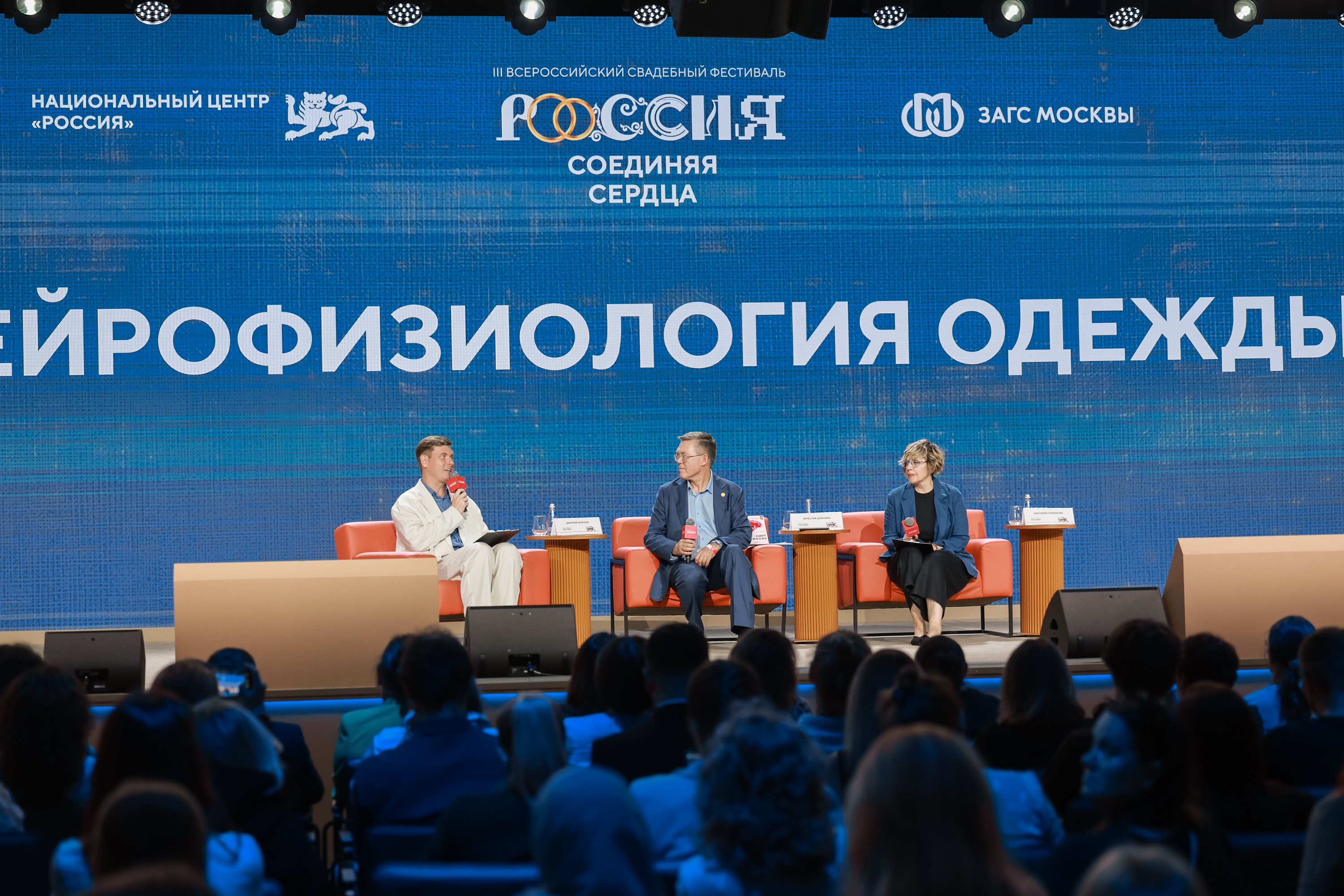
Uniting Hearts". Experts at the session "The Neurophysiology of
Clothing", neurophysiologist Vyacheslav Dubynin and costume designer
Viktoria Sevryukova, showed that clothing — both festive and everyday — is not
merely made of fabric, but is also a means of communication, a cultural code
and a powerful tool that affects the brain and can even programme the future.
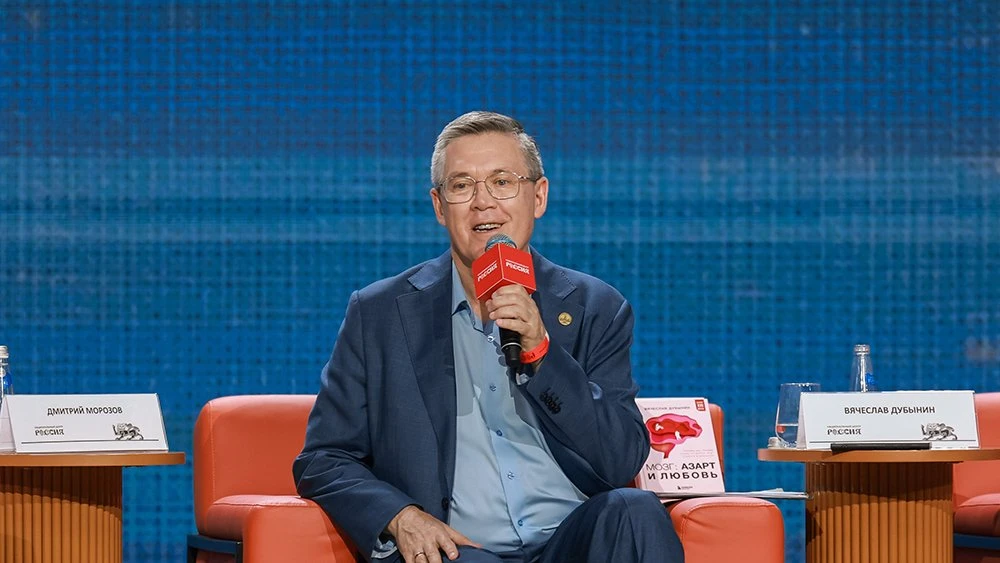
Vyacheslav
Dubynin, a neurophysiologist, Doctor of Biological Sciences and Professor at
the Faculty of Biology of Lomonosov Moscow State University, suggested looking
at clothing as an interface connecting our nervous system with the outside
world. According to him, fabric and cut influence our thoughts, behaviour and
even biochemical processes in the body.
"Clothing is an 'interface' for our brain, connecting
our nervous system and psyche with the outside world. Interface literally means
a means of interaction: it may sound like a modern computer term, but it is
remarkably accurate. Clothing carries a great many meanings. There is a reason
people say we judge others by their clothes: first of all, we try to understand
who this person is and why they are dressed this way," Vyacheslav Dubynin
explained.
The
neurophysiologist added that clothing not only tells others about us, but can
also change us. He gave the example of children who, when dressed as astronauts
or doctors, are effectively programming their brains to choose a future
profession.
"When
a child puts on an astronaut or doctor's costume, they are planning their
future. By putting on certain clothes, we help our brain shape our future
behaviour, and later, when opportunities arise, that is where we go. Clothing
therefore becomes a kind of telescope, a spyglass into our future," the
expert said.
He also
touched on ritual clothing and its effect on a person's emotional and
psychological state. Different situations, according to the scientist, require
different modes of behaviour, and clothing helps people adopt the right
mindset.
"If
you put on an office suit, you are already giving yourself a certain set of
instructions. There have been physiological studies in which students sat exams
wearing clothes with different levels of formality. And this sensible increase
in alertness through clothing really works. It activates you, reduces mental
noise and helps you focus on the task. That is why, for example, attending an
online meeting in a jacket on top and, excuse me, underwear and slippers
underneath is a bad idea," Vyacheslav Dubynin concluded.
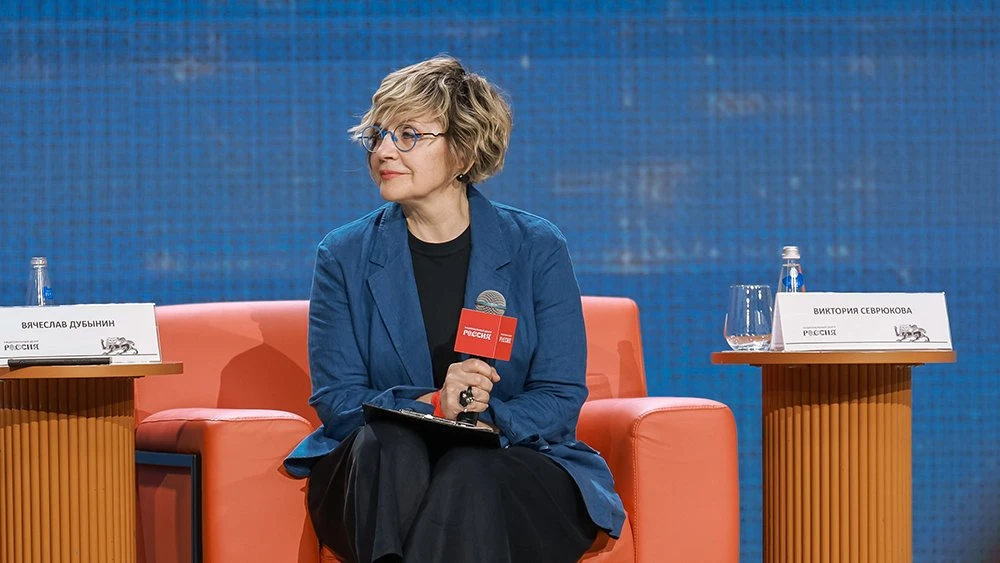
Costume
designer, Honoured Artist of the Russian Federation, two-time Golden Mask award
winner and collector Viktoria Sevryukova, in turn, emphasised the important
role of wedding attire in a person's life, comparing the wedding ritual to a
"solo performance" by the bride and groom. According to her, a
wedding is a peak moment, a transition to a new status, and clothing should
emphasise this.
"Wedding
attire is your solo appearance. It is one of the best moments of your life, and
you should be yourself. At a wedding, you are not merely a guest or participant
— you are the central figure. The groom's suit should complement the bride's
dress," Viktoria Sevryukova said.
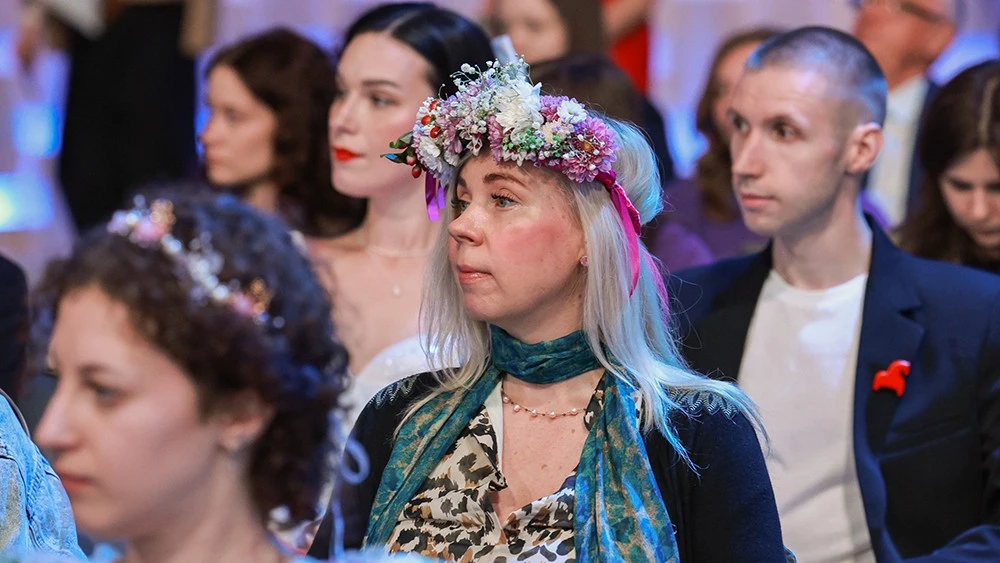
The expert
added that in ancient Russian tradition, a wedding was the central turning
point in a person's life, while elements of the bride's and groom's festive
attire not only served as protective charms, but also reflected dreams for the
future.
"All
of life before the wedding was preparation for it, and all of life afterwards
was the fulfilment of a vow. There is a reason the bride was the central figure
in this beautiful performance: she appeared entirely in red and gold, wearing a
tall headdress. Elements of the costume could also reflect what future
relatives expected from one another. For example, girls in Russian villages
began embroidering a wedding shirt for their future husband from the age of 12,
as if asking the Universe for their ideal man: buttercups for romance, acorns
for wealth and grapes for passionate love. The groom's mother, in turn,
embroidered a protective belt for her son, and through this item also seemed to
express what kind of daughter-in-law she hoped for," Viktoria Sevryukova
explained.
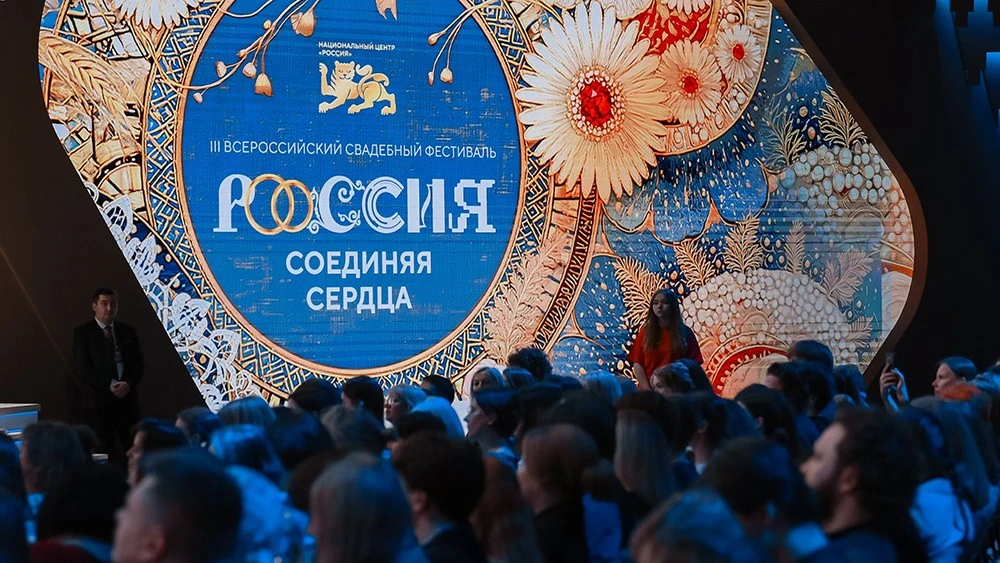
The experts
agreed that wedding attire, like other clothing, remains a code capable of
revealing more about a person than words. The wedding ritual, in turn, helps
newlyweds achieve symbolic immortality by bringing together the traditions of
the past and dreams of the future.
The III
All-Russian Wedding Festival "Russia. Uniting Hearts" is being held
at the National Centre RUSSIA on 8 and 9 July. It is organised by the National
Centre RUSSIA jointly with the Moscow Government and the Moscow Civil Registry
Office. The I All-Russian Wedding Festival was held in 2024 as part of the
International RUSSIA EXPO. The event has become annual and is held on the Day
of Family, Love and Fidelity. This year, the Year of Unity of the Peoples of
Russia has been announced as the festival's main theme.
Event photobank

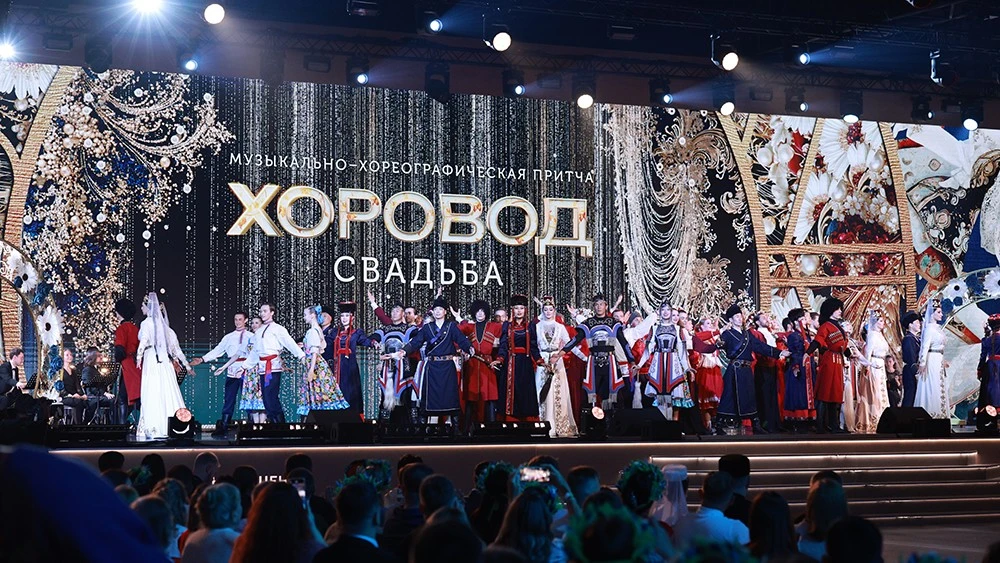
The musical and choreographic parable "Khorovod. Wedding" became the culmination of the III All-Russian Wedding Festival "Russia. Uniting Hearts".
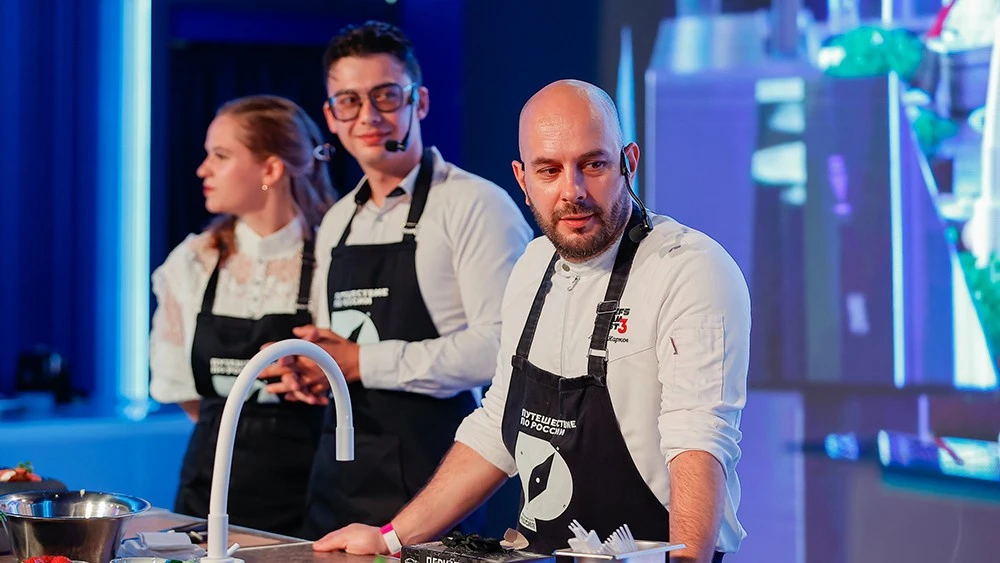
At the National Centre RUSSIA, couples took part in culinary and floristry workshops.
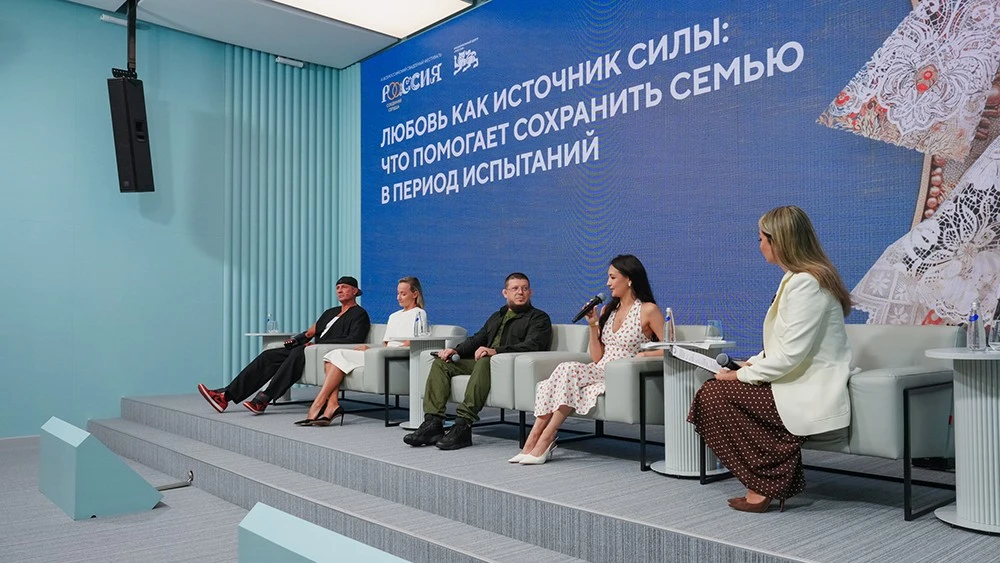
The care and attention of loved ones are what make it possible to overcome any difficulties, recover and move forward.


