Representatives of Russia’s indigenous minority peoples to marry at the III All-Russian Wedding Festival
On the Day of Family, Love and Fidelity, representatives of Russia’s indigenous minority peoples will marry at the National Centre RUSSIA. As the couples themselves note, taking part in the III All-Russian Wedding Festival "Russia. Uniting Hearts" is a wonderful opportunity to present their unique cultures, highlight the importance of ethnic traditions and demonstrate the value of every ethnic group, however small, within the united people of Russia.
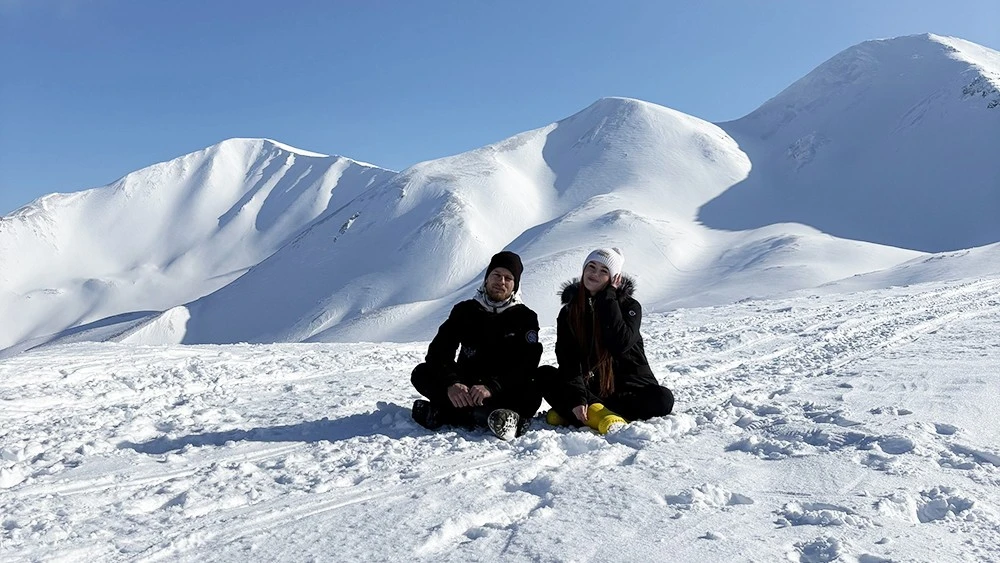
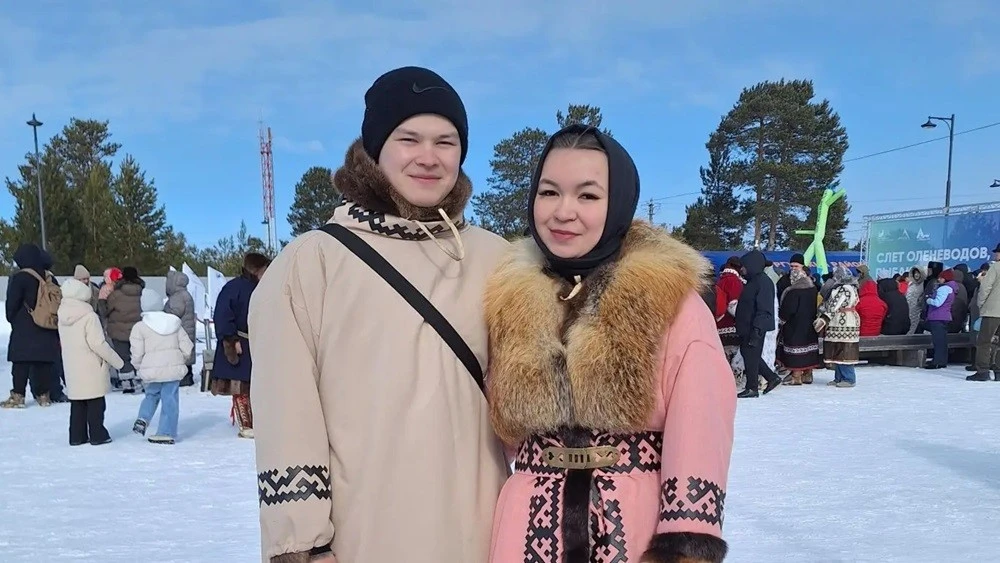
Vladimir Sopochin and Arina Kolyvanova will travel to the festival from the Surgut District of the Khanty-Mansi Autonomous Area — Yugra. They are representatives of the Khanty indigenous minority people. They met six years ago at the traditional "Oblas Boat Racing" festival, when Vladimir was 15 and Arina was 13. Both grew up in large families living on ancestral lands and maintaining their people’s traditional way of life. Vladimir’s mother is known as a distinctive craftswoman, while his grandmother is a recognised master of traditional clothing, sinew-thread making and hide dressing, and knows many Khanty songs, fairy tales and legends. Arina’s mother is skilled at sewing and embroidery, makes traditional souvenirs, prepares national dishes, gathers wild plants and, of course, shares her knowledge with her daughter. Together with their parents, the couple regularly stay at reindeer-herding camps and take part in traditional celebrations such as Reindeer Herder’s Day, Fisherman’s Day, Oblas Day and the spring festival "Crow’s Day".
"We decided to take part in the festival because we want the entire country to learn about the Khanty indigenous minority people and see our traditional wedding attire. And, of course, as a peaceful and hospitable northern people, we want to invite everyone to visit our beautiful region," Vladimir and Arina said.
Another couple from the Khanty-Mansi Autonomous Area — Yugra are Khanty representative Georgy Kunin and his fiancée Diana Plisova. They also grew up in large families that preserve Khanty traditions and family customs. Their parents instilled in them a love of nature through fishing, gathering wild plants and travelling in oblas boats. Georgy and Diana met at their friends’ wedding. Although Georgy was living in the village of Lempino at the time and Diana was in Khanty-Mansiysk, their relationship quickly developed into strong feelings. Diana decided to move in with Georgy, and the couple have now been inseparable for three years. Together, they take part in cultural events held by the indigenous minority peoples of the North, including "Crow’s Day" and "Indigenous Residents", as well as the "Northern Trail" race on reindeer-hide skis.
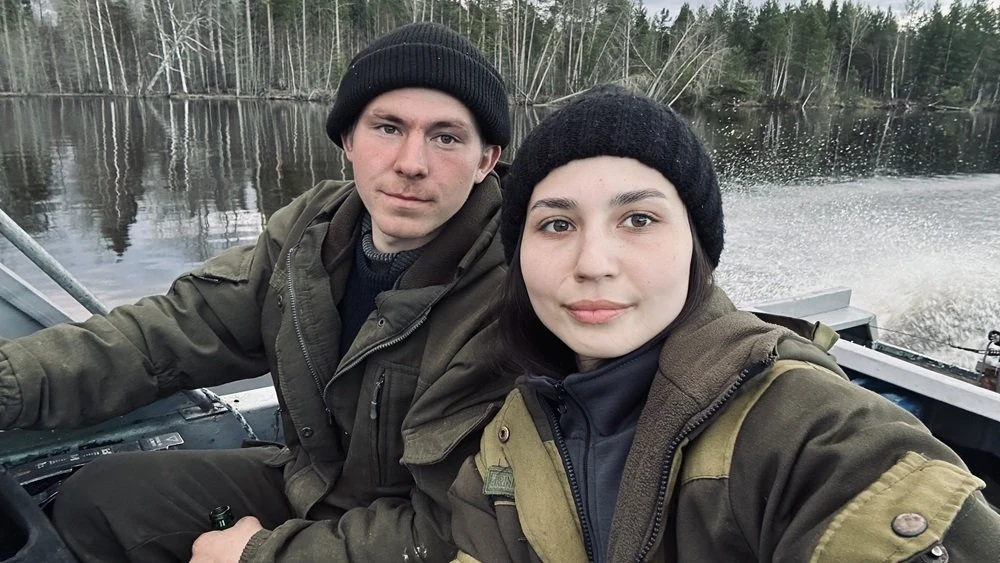
"It is our great dream to unite our lives at the III All-Russian Wedding Festival. We lead an active, traditional way of life, carefully preserve the culture of the Khanty people and want to present it at this large-scale celebration. For us, taking part in the festival is not merely a memorable event, but an opportunity to feel a sense of unity, share our love story and draw inspiration from the warmth of other families from across Russia," Georgy and Diana said.
Anton Rusmilenko, a representative of the Khanty people, will travel to the festival from the Yamal-Nenets Autonomous Area with his fiancée Viktoria Yurko. Anton’s father shares his knowledge of everyday life and ancestral traditions with him. They speak Khanty together and often discuss the importance of family ties. Viktoria comes from a Russian family and shares her beloved’s values, as both future spouses grew up in large, close-knit families and therefore understand the value of support and unity. The couple now live and work together in Salekhard and dream of having their own home where they can gather relatives and friends and raise children.
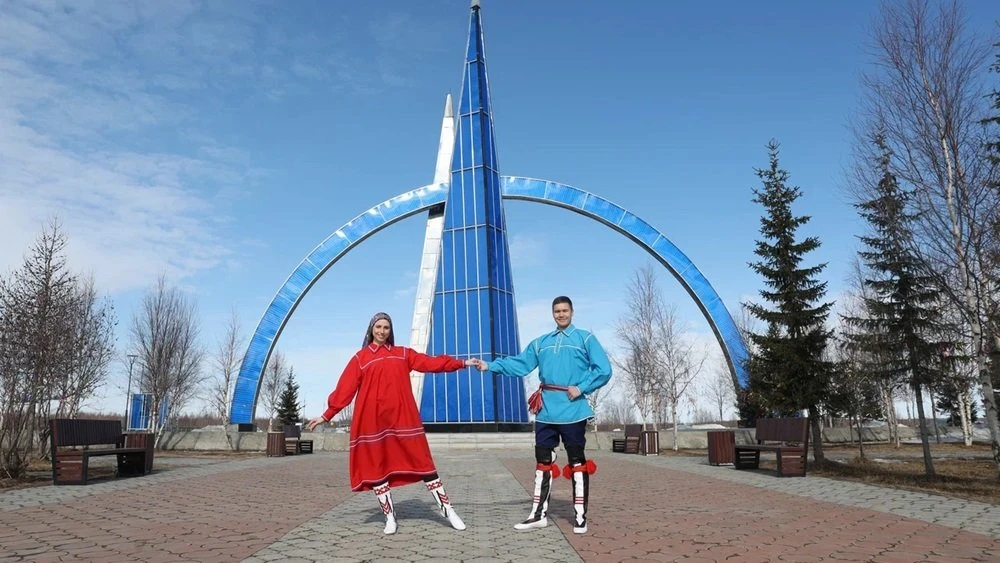
"Our families are a wonderful example of how different cultures and traditions can intertwine harmoniously to form a single whole. We treat the legacy of both families with great warmth and respect, because Khanty and Russian cultures are founded on the same principal values: a strong family and a deep connection with nature. In our future family, these traditions will not merely be preserved but will take on new meaning and enrich our life together," Anton and Viktoria said.
The couples marrying at the wedding festival also include Stepan Nizhegorodov and Alexandra Ikovav from Magadan, Koryaks from reindeer-herding families. They met at the traditional ceremonial festival "Khebdenek" in 2024. Stepan helped Alexandra erect a yaranga and prepare a camp for the "Mistress of the Yaranga" contest. They now preserve the legacy of their ancestors together. Alexandra is a member of the board of the Magadan city public organisation for indigenous minority peoples and ethnic groups of the North, while her fiancé actively supports her.
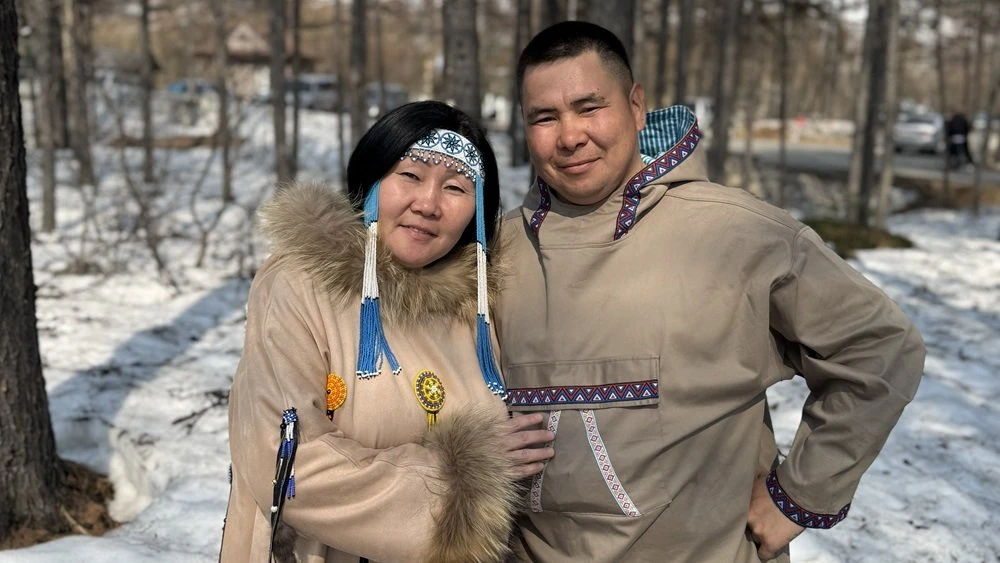
"We dream of marrying at the All-Russian Wedding Festival and bringing our unique national culture to the celebration. This is especially valuable to us during the Year of Unity of the Peoples of Russia. We honour our roots and contribute to preserving the traditions of the Koryaks and other indigenous minority peoples of the North. It is important that the entire country should know about their history and their lives today," Alexandra and Stepan shared.
Another couple from the Magadan Region are Vasily Shadrin and Alexandra Minaeva. The bride has Koryak and Evenki roots. Her father was a nomadic reindeer herder, while her mother continues this work, practises decorative and applied arts and heads a Magadan public organisation for the indigenous minority peoples of the North. Alexandra helps her mother, works as a collections curator at the Ola Local History Museum and leads the national family ensemble "Liana". Vasily supports his beloved in all her endeavours, from her work with the ensemble to her participation in the Sparks of the North Interethnic Creative Union. Together, the couple take part in traditional celebrations in the Magadan Region, go skiing and fishing, and travel around their native region.
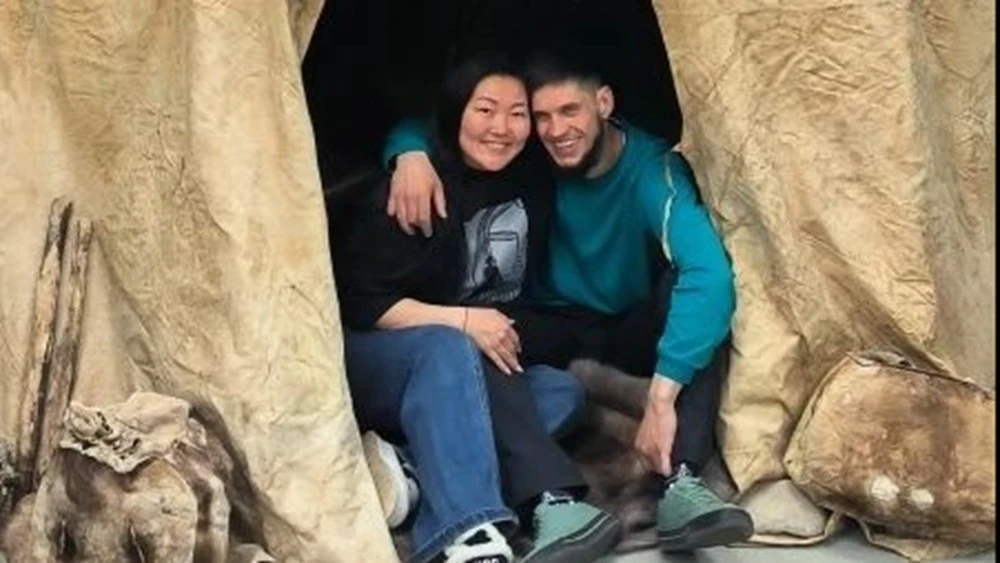
"Registering our marriage in the capital of our Motherland is a major and important event for us. It has particular significance during the Year of Unity of the Peoples of Russia. We will preserve the memory of it in our hearts and will certainly tell our children about it," Vasily and Alexandra said.
The Even indigenous minority people will be represented at the wedding festival at the National Centre RUSSIA by Mikhail Darbasov from the Republic of Sakha (Yakutia). He met his fiancée, Yelizaveta Nikolayeva, in July 2024 at a clay pigeon shooting contest where they were both serving as judges. The couple now live and work together in Surgut. Their ancestral traditions are very important to them, including family celebrations at which several generations gather around a large table. National cuisine and respect for the cultures and customs of the peoples of the North also hold particular significance for them.
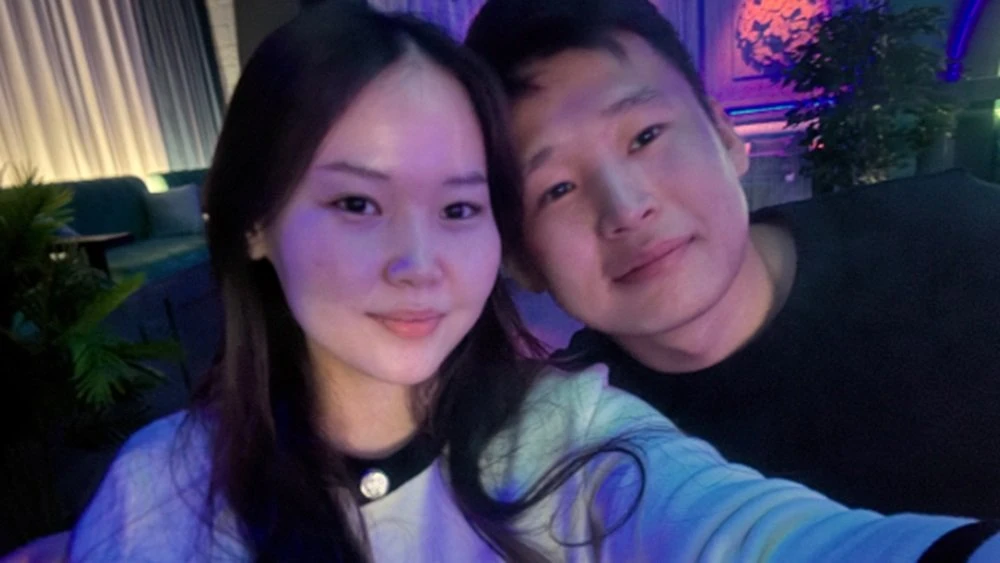
"We come from Yakutia, where families value unity, respect for elders, hospitality and warm family gatherings despite the long distances and harsh northern climate. We try to preserve these values in our young family and want to pass them on to our future children. We want to share our love story with the entire country and represent our native region with dignity," Mikhail and Yelizaveta said.
Vladislav Altaryshev from the Republic of Altai, a representative of the Teleut indigenous minority people, will marry Emilia Tanisheva. The couple live in Gorno-Altaisk. Their love story began more than four years ago at a university in Novosibirsk. Emilia was the coordinator of the Altai student association and was looking for students from her native republic. She met Vladislav at a folk-dance rehearsal. Emilia is an Altai woman and a representative of an indigenous people of the Republic of Altai. Both families preserve many ancestral traditions and celebrate traditional festivals together. The future spouses believe that their love story was destined to happen.
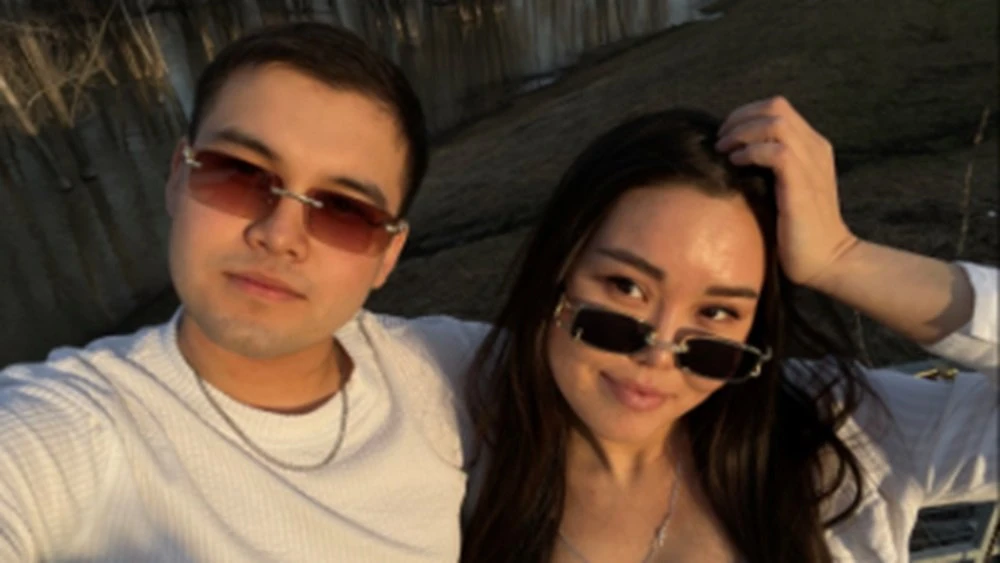
"For us, family means support, understanding, the ability to forgive and bring joy to one another, to remain together no matter what and to give a loved one what you had kept for yourself. Registering our marriage on the Day of Family, Love and Fidelity is highly symbolic and valuable to us," Vladislav and Emilia shared.
This year, the All-Russian Wedding Festival "Russia. Uniting Hearts" is becoming an international event: alongside couples from across the country, international and foreign couples will marry at the National Centre RUSSIA.
The central event on the first day of the festival at the National Centre RUSSIA will be a simultaneous wedding ceremony for couples from across the country. The celebration will also feature the passing of the flame from the all-Russian family hearth "Heart of Russia". Newlyweds will receive from couples who married at previous festivals a share of the flame brought from Murom, where the holy patrons of marriage, Peter and Fevronia, lived.
On the second day, 9 July, educational lectures, gastronomic and musical programmes, and tours of the National Centre RUSSIA expositions "Journey Across Russia" and "Geography Lessons" will be held in Moscow for the newlyweds, their guests and everyone wishing to join the celebration. Anyone who shares family values and is interested in wedding traditions can register for the educational programme of the wedding festival on the National Centre RUSSIA website. One of the key events on the second day will be the parable performance "Khorovod. Wedding", symbolising unity, strong bonds and a willingness to extend a helping hand to others. The dance will bring all participants in the event together.
The III All-Russian Wedding Festival is organised by the National Centre RUSSIA jointly with the Moscow Government and the Moscow Civil Registry Office. In the Year of Unity of the Peoples of Russia, declared by President Vladimir Putin, the festival’s central theme is "United in Love", celebrating the unity of hearts, cultures, traditions and values.
The survey was conducted from 3 to 8 June. A total of 1,712 women from across Russia took part.