


"Our voices mean our responsibility": African bloggers discuss the continent's future at the National Centre RUSSIA
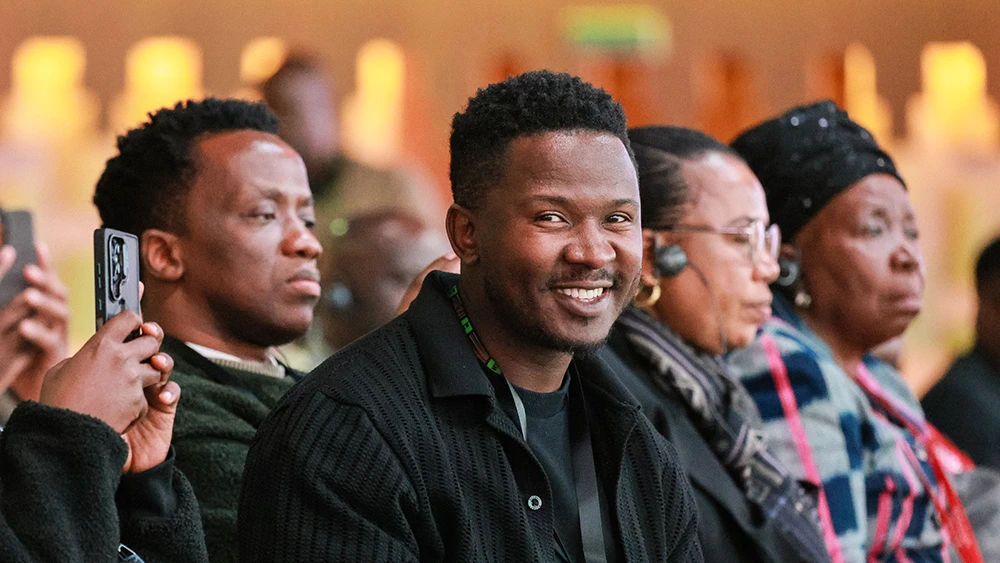
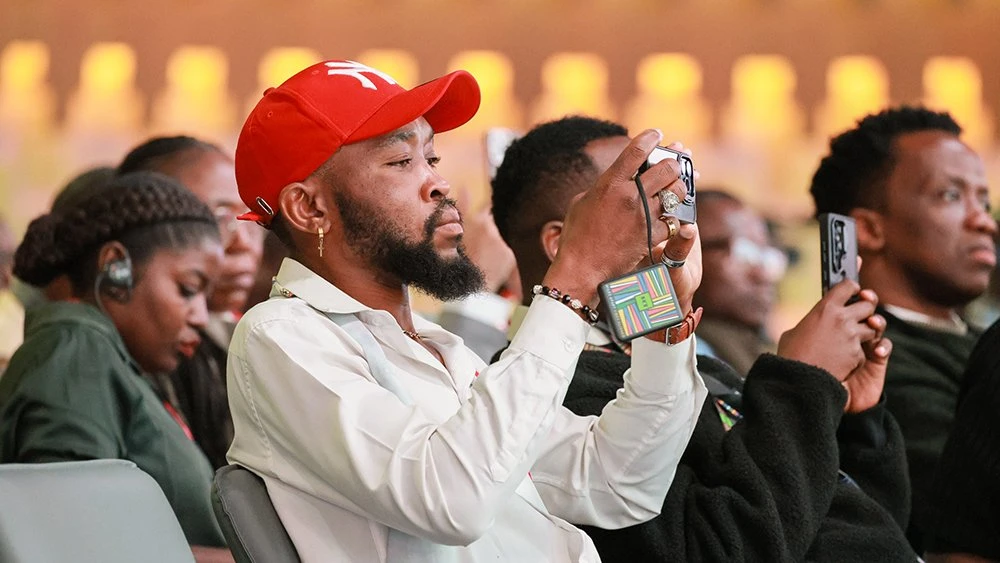
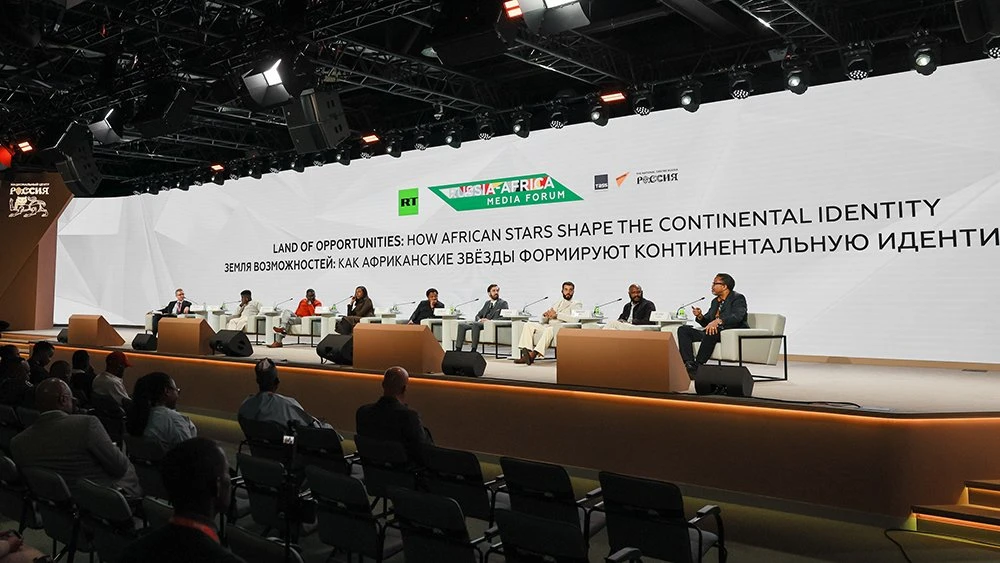
On 27 October, the second day of the Russia–Africa Media Forum, a session hosted by RT took place at the National Centre RUSSIA as part of the International Press Centre for the Eighth Summit of Heads of State and Government of the Gas Exporting Countries Forum and the Third Russia–Africa Summit. The event brought together African media personalities and bloggers with millions of followers to discuss "Land of Opportunity: How African Stars Are Shaping Continental Identity". The session explored how the image of countries and entire continents is shaped, examined the role of opinion leaders, addressed the key challenges faced by media professionals as they build their careers, and ways of communicating with audiences — including the choice of language to maintain their trust.
The discussion was moderated by Rory Suchet, a journalist and presenter for RT International's foreign news team. Setting the tone for the conversation, he noted that relations between Russia and Africa had been developing for many years, both at the diplomatic and people-to-people levels, and that genuine, strong friendship had grown between Russia and African countries over that time.
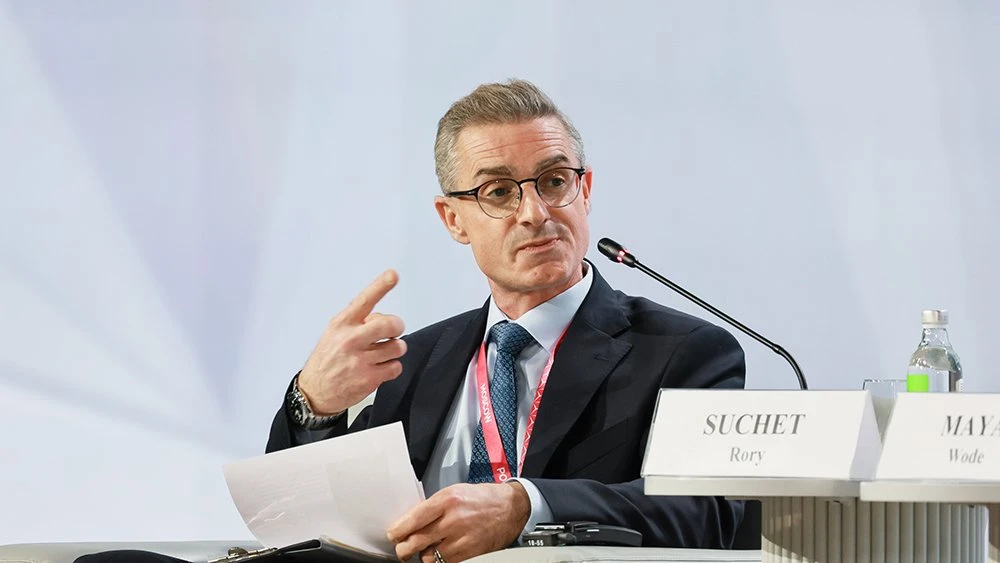
"Africa, like Russia, is a breadbasket of the world. Every day, when we publish material in the media and on social networks, we serve people and bear responsibility for their lives. With modern technology, our voices are reaching further and being heard more widely, while our partnership is growing stronger," Rory Suchet said.
Daniel Ndambuki, creator and host of the popular comedy programme The Churchill Show on Kenya's NTV TV channel, said that challenges open up new opportunities for content creators and strengthen their resolve on the road to success. Meanwhile, Berkane Houssam Eddine, founder and Director General of the Algerian media platform DZDiplomat, stressed the importance of African media reporting openly and accurately on their continent.
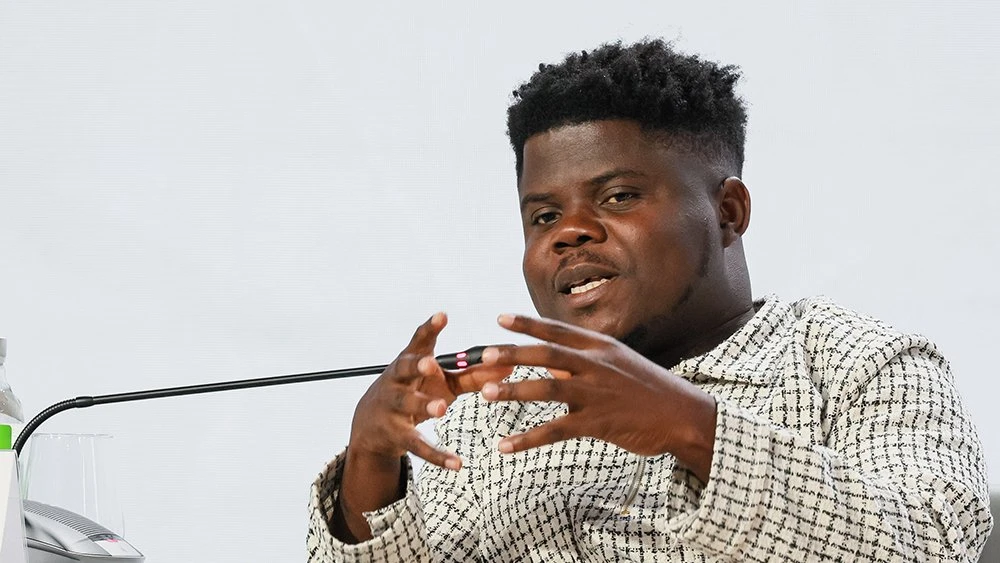
"We are in the midst of a real war of narratives. We all suffer from censorship, and our adversaries use a wide range of modern tools. That is why people of our generation must build their own platforms and tell their own stories. If you do not tell your story, someone else will tell it for you and on your behalf — and that story is unlikely to serve your interests. We usually discuss problems, but we also need to focus on solutions and present information in a way that prevents people from falling victim to Western propaganda," Berkane Houssam Eddine said.
Egyptian content creator and traveller Taher Mohamed Elhefni Ali Abdalla, known on social media as Taher Travels, spoke about how he connects with his audience. He said there were several keys to success, but one of the most important was staying consistent in one's goals.
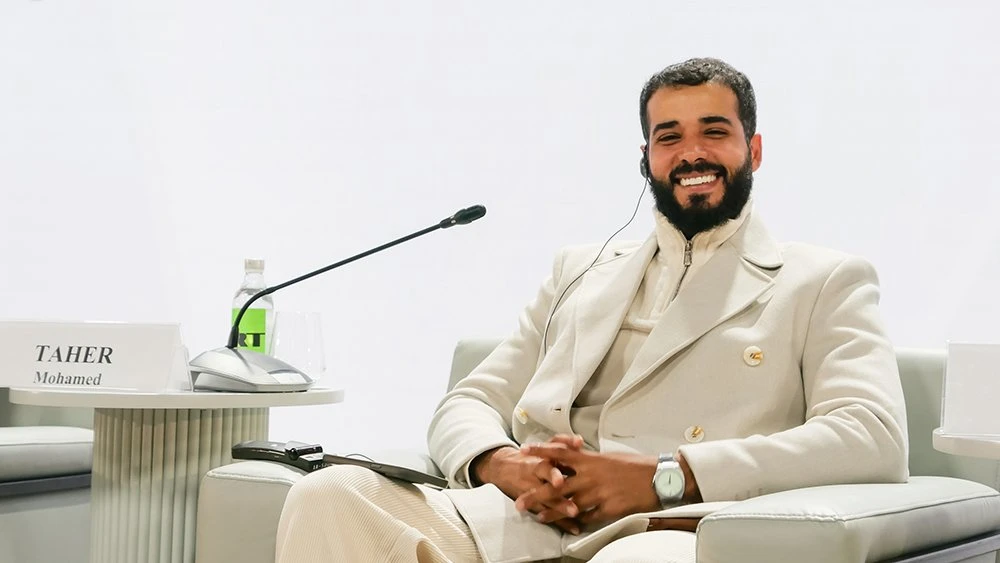
"I have been active on social media for a long time, and at times it has been very difficult, but I have never given up. It is important to stay true to your mission and make sure that with every new post your audience grows and your voice becomes more confident. Of course, you must also believe in what you say and keep up with current events so that your content remains relevant. Let us not forget that our stories really can change the world, which means we have a great responsibility towards our audiences," Taher Mohamed Elhefni Ali Abdalla said.
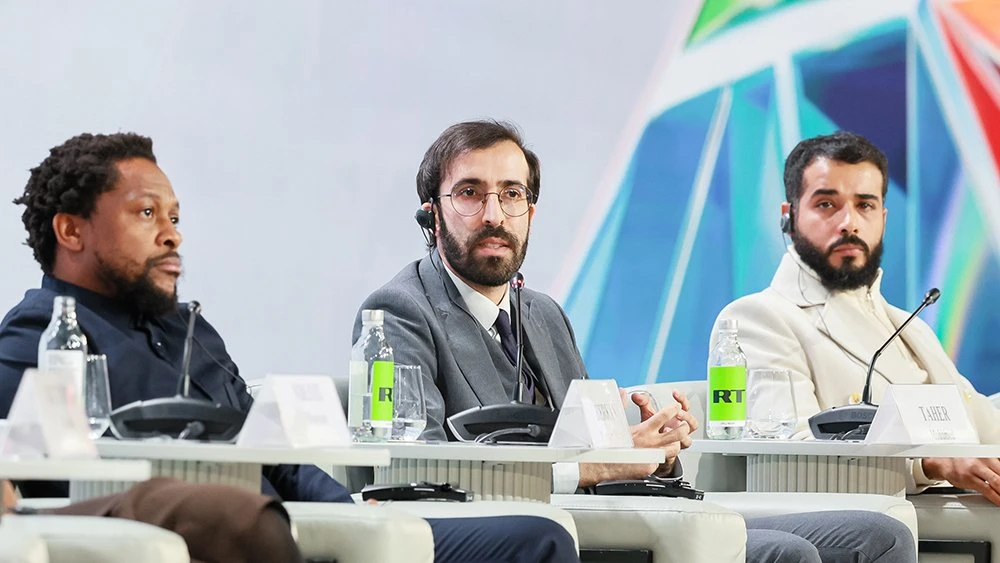
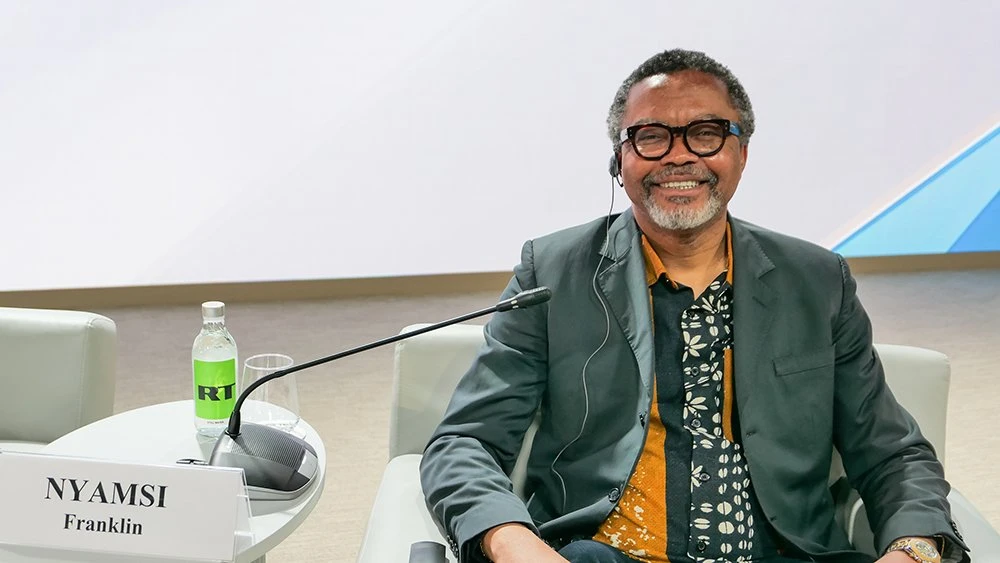
Salim Atumani Kikeke from Tanzania, one of East Africa's most popular journalists with more than 20 years of professional experience and millions of social media followers, agreed that content creators have a significant influence on their subscribers and viewers. He said that African bloggers' participation in high-level international summits played an important role: as opinion leaders, they help their followers make informed choices. Franklin Nyamsi, President of the African Institute of Freedoms in Bamako, Mali, and a professor, added that Africans, like Russians, were not seeking confrontation with other countries. Instead, he said, they sought independence — a natural right that should belong to everyone in a multipolar world.
The discussion was also joined by South African politician, radio presenter and political activist Mbuyiseni Quintin Ndlozi and Zambian blogger Masiliso Mutumba, who has millions of followers. Participants agreed on one key point: popular bloggers and other media professionals must shape the image of their own countries, sharing their traditions, culture, achievements and challenges in a language their audiences understand. They must do so sincerely and consistently to maintain public trust. This is what helps create a modern media environment in which respect for the past shapes the future and truth provides the foundation for equal dialogue with the world.
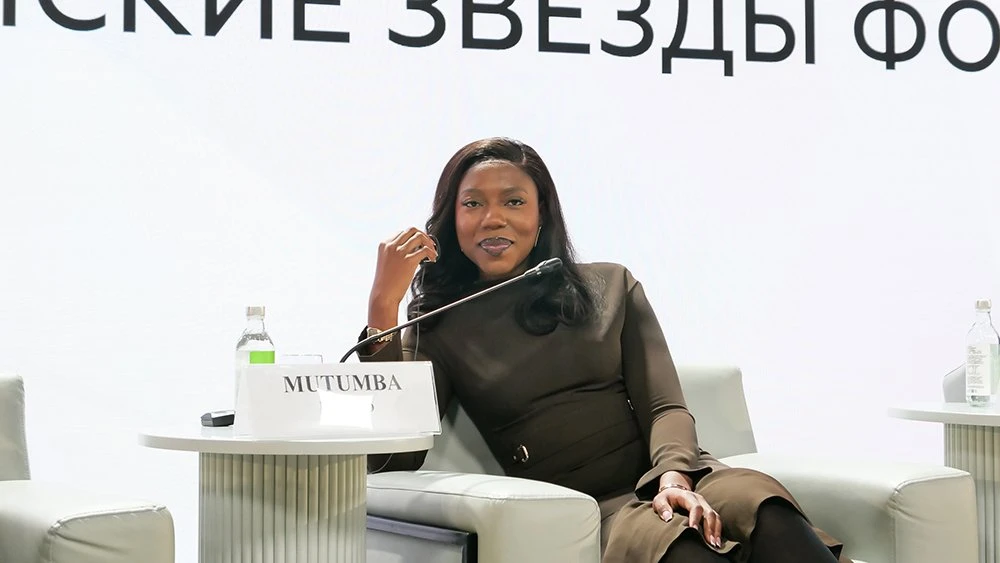
The International Press Centre for the two summits at the National Centre RUSSIA continues to operate around the clock until 30 October. Around 1,700 media representatives from 70 countries have been accredited to the summits. The large-scale Russia–Africa Media Forum, held as part of the summit of the same name, brought together more than 200 participants at the National Centre RUSSIA, including executives and journalists from leading African media outlets and media associations, bloggers with millions of followers, and descendants of prominent African leaders such as Nelson Mandela, Patrice Lumumba, Samora Machel and Gamal Abdel Nasser.
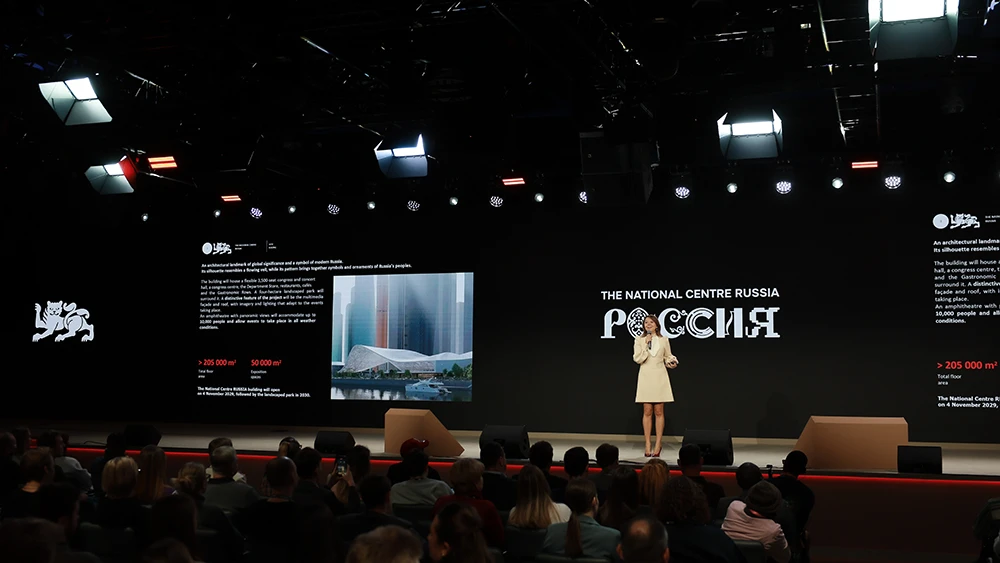
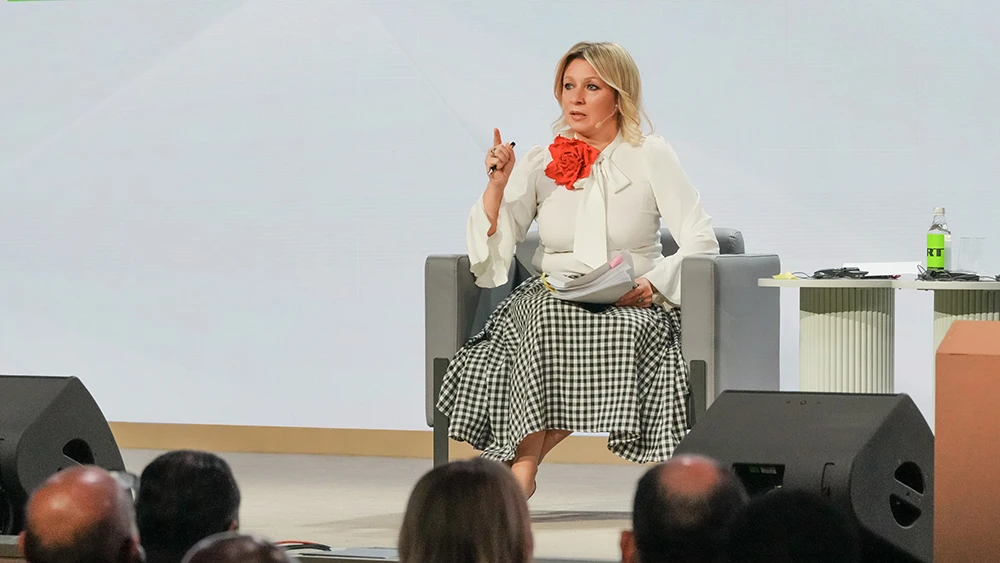
The meeting between African journalists and public figures and Maria Zakharova, Official Representative of the Ministry of Foreign Affairs of Russia, took place at the National Centre RUSSIA as part of the Russia–Africa Media Forum.
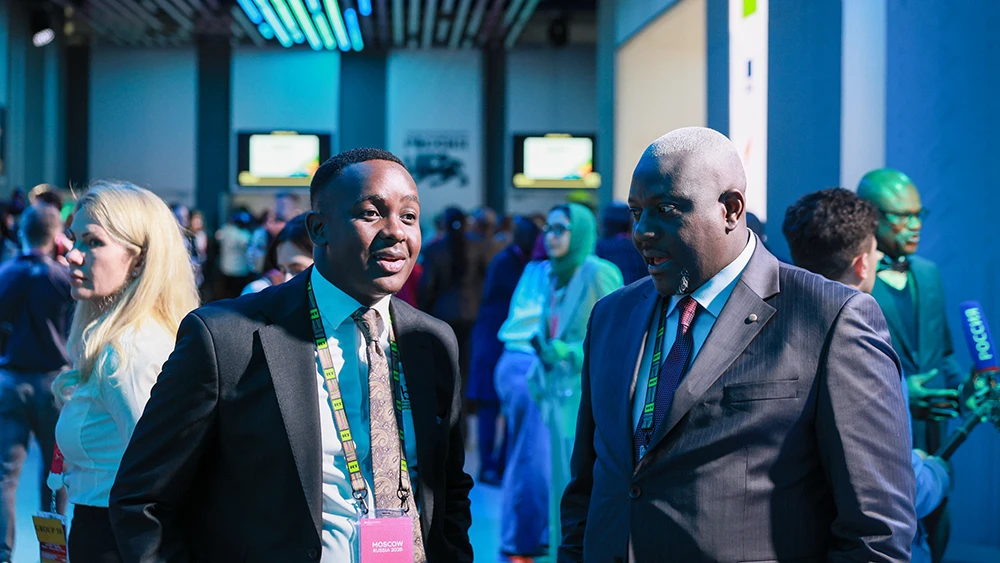
International guests spoke warmly of the National Centre RUSSIA, which served as a shared venue for the International Press Centre for the two summits and the Russia–Africa Media Forum.


