


Neuroscientist Suzana Herculano-Houzel explains how cooking changed the human brain
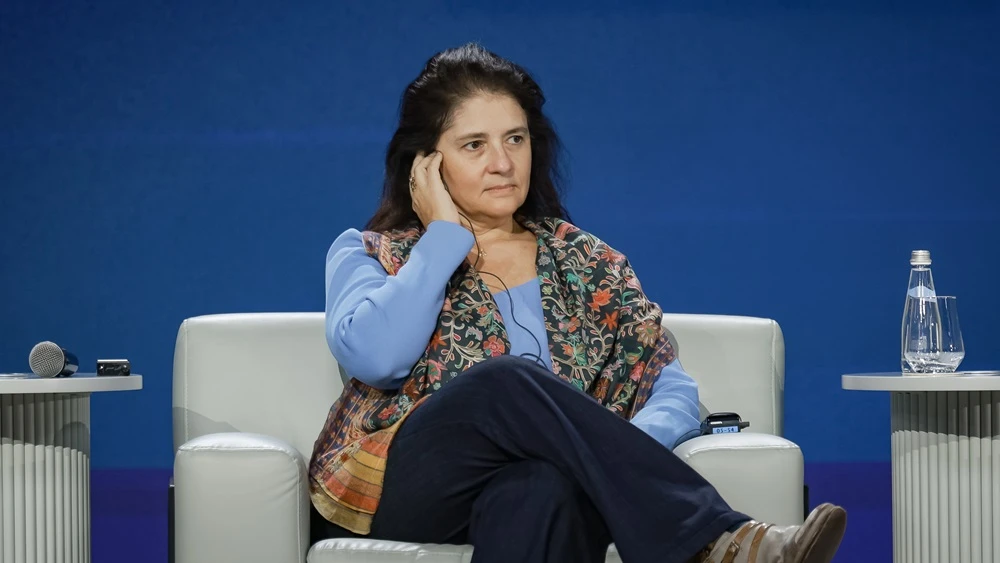
The human brain became unique not because of its size, but because of the number of neurons in its cortex, which allow us to connect information, anticipate the consequences of our actions and make decisions. This is the conclusion reached by Suzana Herculano-Houzel, Associate Professor at the Department of Psychology at Vanderbilt University. She spoke about the links between thinking, evolution and early technologies at the "Thinking Human" section of the Open Lecture Hall "Inventing the Future: Limits of the Human" at the National Centre RUSSIA.
According to the neuroscientist, thinking helps us combine past experience, our own desires and available opportunities in order to model possible future scenarios. A person first assesses possible consequences, sets a goal and plans their actions — and only then makes a decision. Therefore, intelligence cannot be measured solely by the amount of knowledge or the speed of data processing: flexibility of thought, the ability to learn from experience and find solutions in new circumstances are equally important.
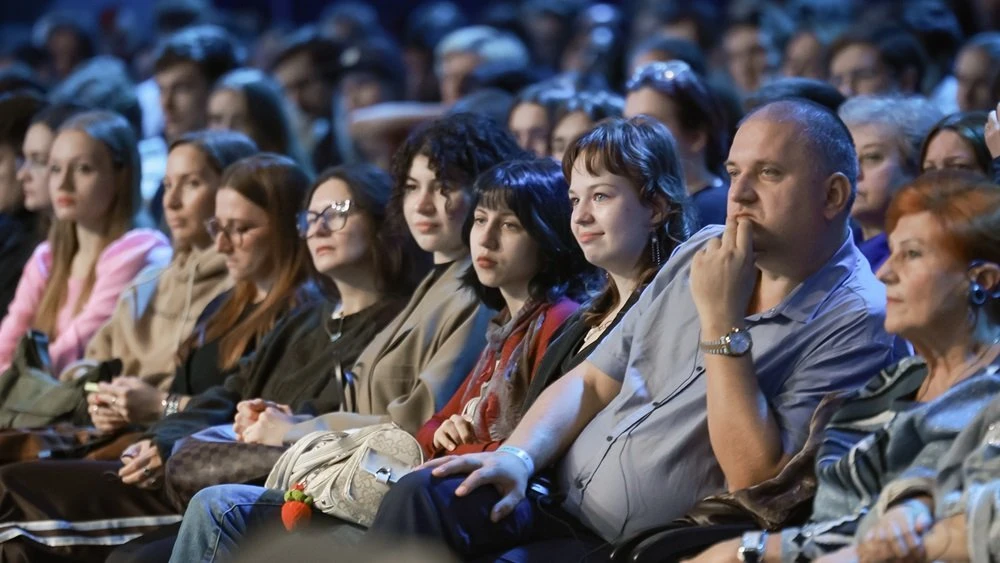
"Throughout human evolution, the brain grew, and so did the number of neurons. Today, the human cerebral cortex contains around 16 billion neurons — significantly more than the five billion found in gorillas or the 2.4 billion in whales. To a large extent, this became possible thanks to the technology of cooking food," Suzana Herculano-Houzel said.
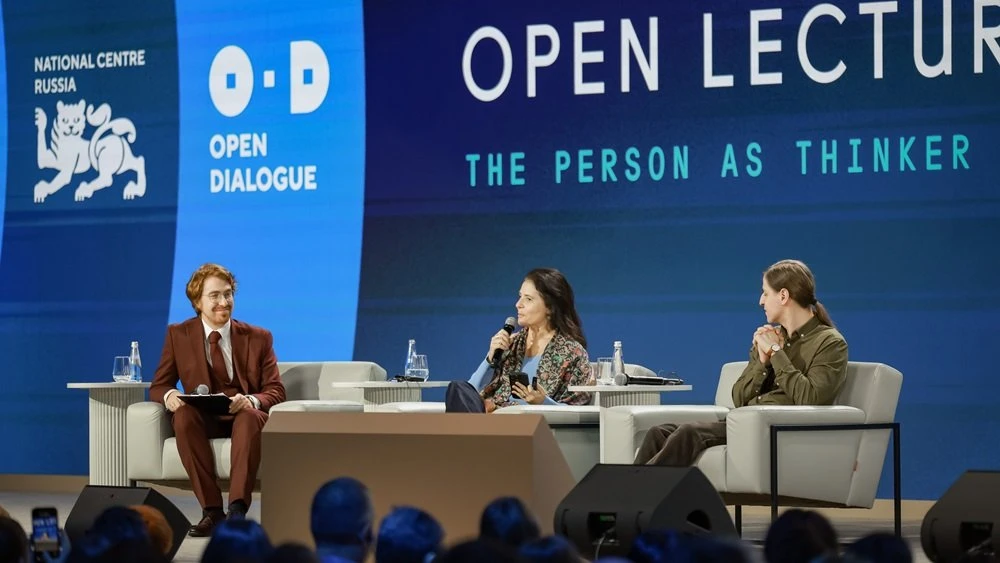
The expert explained that stone tools, and later fire, allowed our ancestors to process food in advance, obtain more energy and spend less time consuming it. This, in turn, created the conditions for the gradual development of the brain over many generations.
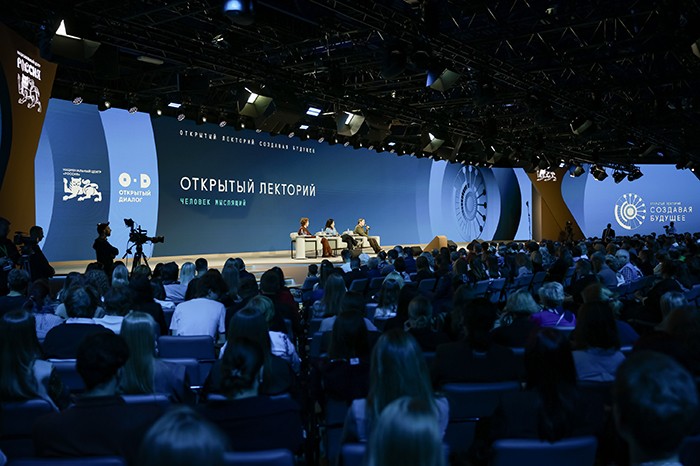
The Open Lecture Hall "Inventing the Future: Limits of the Human" brought together Russian and international experts in neuroscience, psychology, artificial intelligence and neurotechnology, and attracted more than 700 guests. Throughout the day, participants discussed how technology is changing human thinking, emotional states and capabilities. The event concluded with the interactive illusion show "A MIRACLE!", dedicated to the boundaries of perception and the human capacity for wonder.
Event photobank

The event will take place on 12 November 2026 as part of the III International Symposium "Inventing the Future" at the National Centre RUSSIA.
On 13 November, a special project — the gaming lobby "The Rink of the Future" — will be held during the International Symposium "Inventing the Future" at the National Centre RUSSIA.
The programme of the III International Symposium "Inventing the Future" will include three thematic tracks: "People and Values," "Progress," and "Culture and Art."


