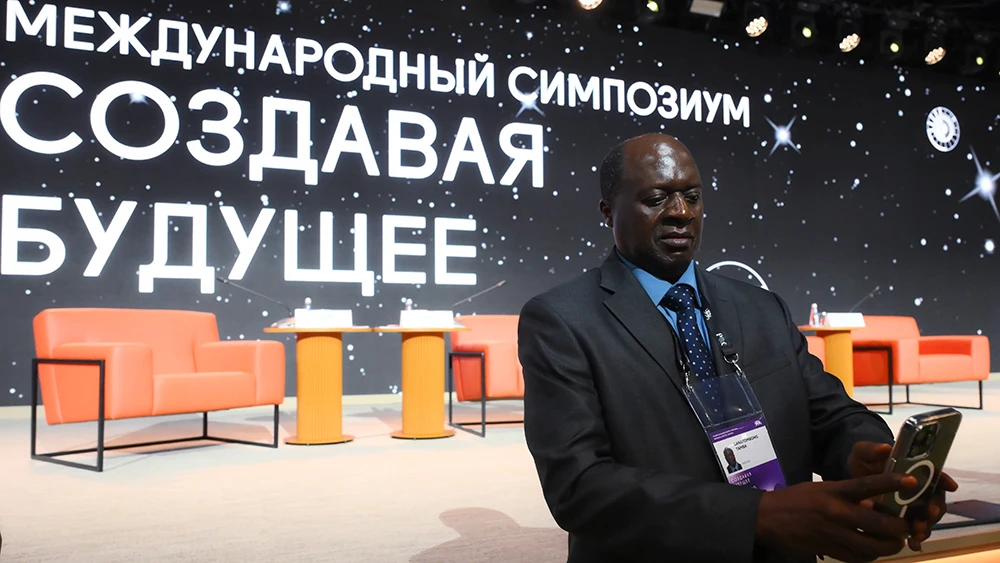


From smart prostheses to phygital sport: Yugra explored how technology will change sport
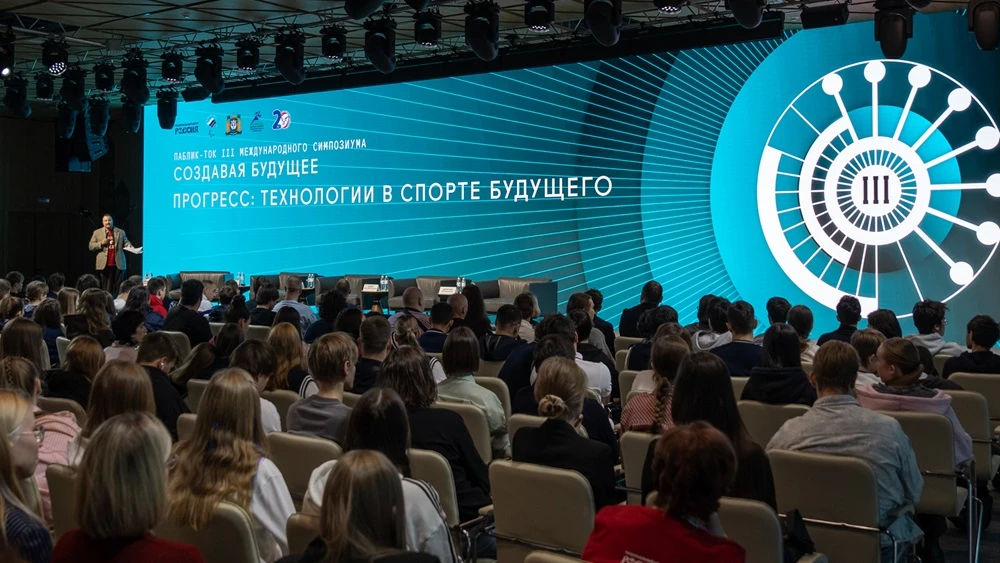
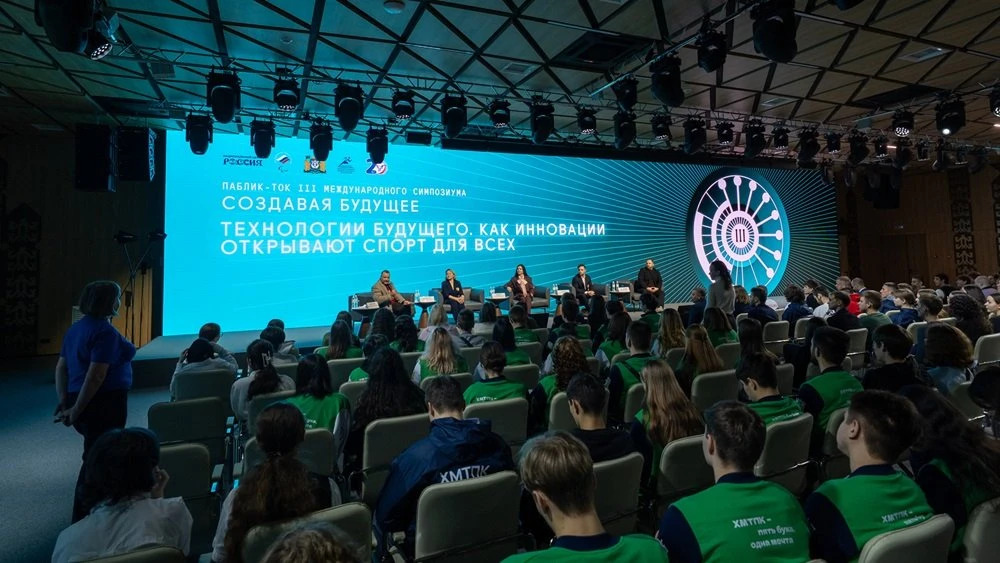
What will sport look like in a few decades? Will prostheses be able to adapt to athletes, and what role will artificial intelligence and virtual reality play in training? These were the main questions at a satellite event of the III International Symposium "Inventing the Future" at the National Centre RUSSIA in Yugra. Experts, athletes and developers discussed technologies that are already changing adaptive sport and could make it accessible to more people.
"Until recently, many people associated Yugra primarily with oil, gas and energy. But for several years now, we have been saying that the region's greatest asset is its people. Today, we have another important advantage — the ability to develop human capital through technology and innovation. The region ranks third in the country for digital transformation. Many information systems are developed right here. For example, the government education information system developed in Yugra has topped the rankings for three years in a row and is being rolled out in other regions. All this shows that the region has the conditions it needs to build technological sovereignty and introduce new solutions across different sectors," noted Yelena Mayer, Deputy Governor of Yugra.
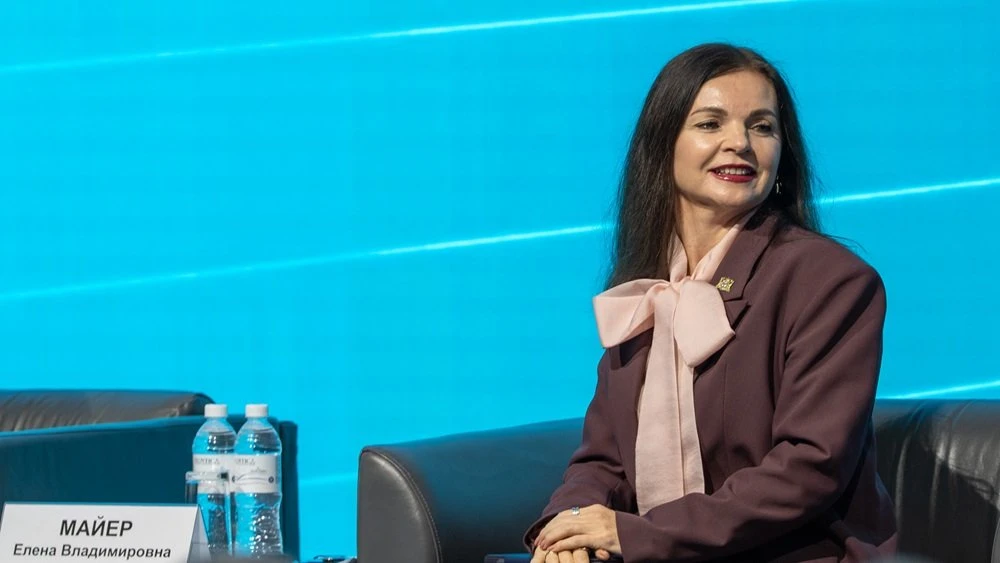
She said the autonomous area is now developing digital services for sport, adaptive phygital sport and cybathletics. In 2021, Yugra was one of the first regions in the country to introduce phygital sport for people with disabilities. In 2026, it began developing cybathletics for participants in the special military operation, using bionic prostheses, exoskeletons, powered wheelchairs and other technologies. Six prosthetics and orthotics companies operate in the region.

Over the longer term, Yugra is considering developing neural interfaces, "smart" sports infrastructure, digital training and centres for bionics and neuroprosthetics. One scenario for 2050–2070 is for the region to become a centre for the cyber-Paralympic movement.
Filipp Mohamad Shebbo Monzer, a Russian para snowboarder, Master of Sport, participant in the 2026 Winter Paralympic Games and Director General of the "Anatomics" bionics laboratory, discussed the future of prosthetics. He showed how the technology has evolved from simple designs to carbon-fibre feet and microprocessor-controlled modules, and outlined Russian developments in the field.
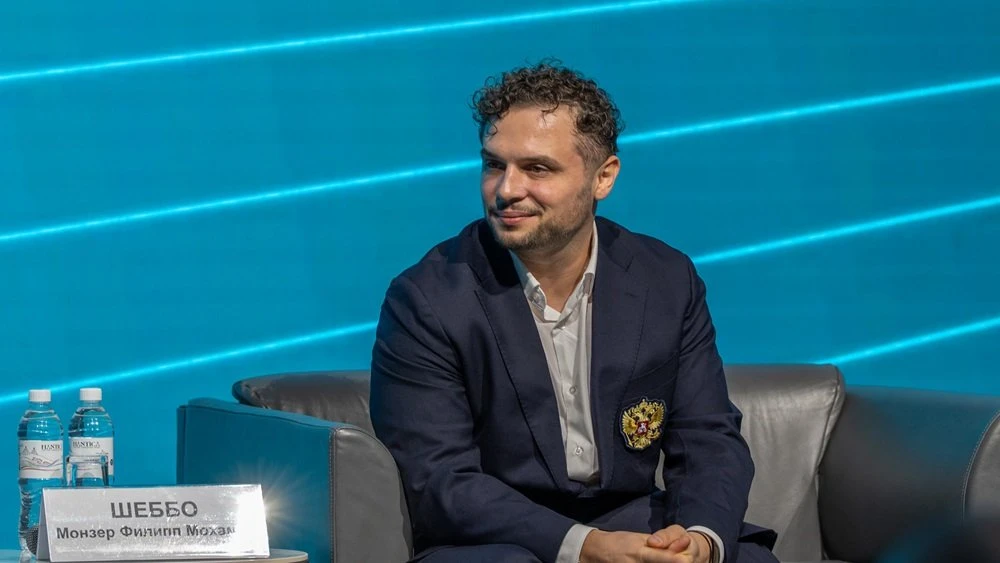
"In sport, results and precise adjustments are particularly important. That's why we're introducing telemetry and additional sensors so we can see the loads on the prosthesis and its position in real time and adjust it more precisely. The next step is a digital twin of the person — a model that takes into account the properties of their muscles and bone tissue, as well as other parameters. This will allow us to make a prosthesis more precisely suited to the athlete and help them achieve better results. In time, these technologies could be used much more widely, in everyday life as well as in sport," said Filipp Shebbo.
In his view, the next stage will involve adaptive modules that can adjust their stiffness to suit the terrain and speed, as well as active joints and sensor feedback. He stressed that the limits are now set by technology and access to it, rather than by the human body. The task now is to push those limits as far as possible for everyone.
Guzel Idrisova, Head of the Department for Scientific, Methodological, Medical and Anti-Doping Support at the Russian Paralympic Committee and Candidate of Medical Sciences, explained how technology is already changing the way Paralympic athletes prepare. Developments include new training methods, medical support, sports wheelchairs and high-tech prostheses. Bionic and neural prostheses for everyday use, for example, are advancing rapidly, while the rules of most Paralympic disciplines still limit the use of these devices in competition.
"If we use technology that is too sophisticated, a contest between athletes can become a contest between technologies. That's why we need to work together on questions of ethics and fairness in sport. At the same time, these new disciplines offer real opportunities for people to socialise and get involved in sport. Phygital sport combines digital and physical disciplines, while cybathletics showcases what bionic and neural prostheses, exoskeletons and other recent developments can do. All these disciplines are developing rapidly," noted Guzel Idrisova.
Artyom Shchepotyev, Adviser to the President of the Phygital Sports Federation, presented another scenario for the future. He said digital technology was already part of sporting culture, with esports, phygital sport, competitive programming and drone racing all developing. These formats hold particular promise for adaptive sport because the controls, pace and difficulty can be adjusted to suit each person's abilities.
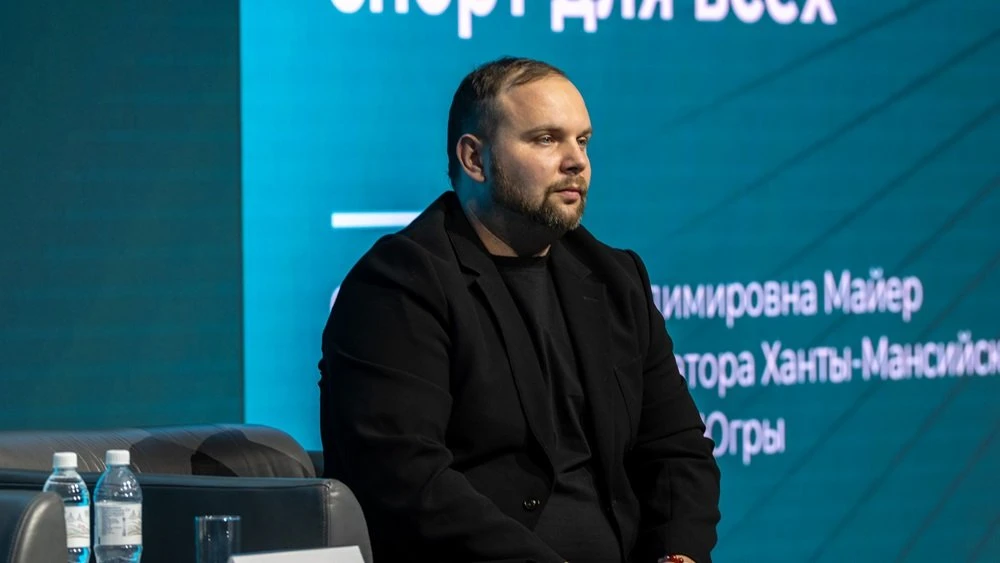
"We're doing a lot to develop this field in Yugra. Our region is home to Russia's only municipal school for digital sports. There's little point in asking whether this is the sport of the present, the past or the future, because it's all three at once. And that future is in our hands. We'll build it together. You don't have to take up esports. You can bring new technology and innovations into the sport you already do," noted Artyom Shchepotyev.
The open dialogue was moderated by Dmitry Ignatov, a Paralympian, blogger and director of the film "One Foot in Tokyo". He noted that the discussion coincided with the international competition "Winter Games for Paralympians 'We Are Together. Sport'", which Yugra is currently hosting. The discussion therefore focused on how new technologies help people train, compete and extend what they can do.
The event was held as part of the III International Symposium "Inventing the Future" organised by the National Centre RUSSIA. The Symposium will bring together more than 8,000 people from 109 countries. Its speakers will include well-known musicians, writers, bloggers, athletes and designers.
Follow the official accounts of the National Centre RUSSIA in Yugra for news on VKontakte, Odnoklassniki, MAX and Telegram.
The III International Symposium "Inventing the Future" is an original project of the National Centre RUSSIA and is being held on 12–13 November.

The event, which will bring together more than 8,000 participants from 109 countries and all regions of the Russian Federation, is being held on 12–13 November.