

From Byzantium to Scandinavia: how Rus' connected different worlds
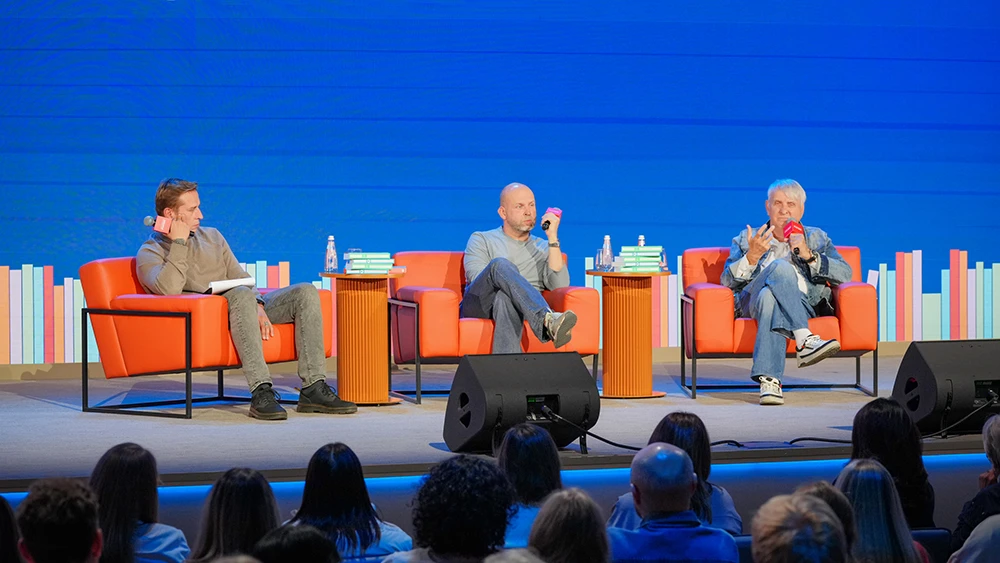
Rus' became not merely a crossroads of trade, but a true meeting place of cultures, where the finest traditions of East and West came together. How this transformed Rus' into a unique phenomenon was discussed at the National Centre RUSSIA Lecture Hall "Myths and Facts about Rus', Vikings and Slavs".
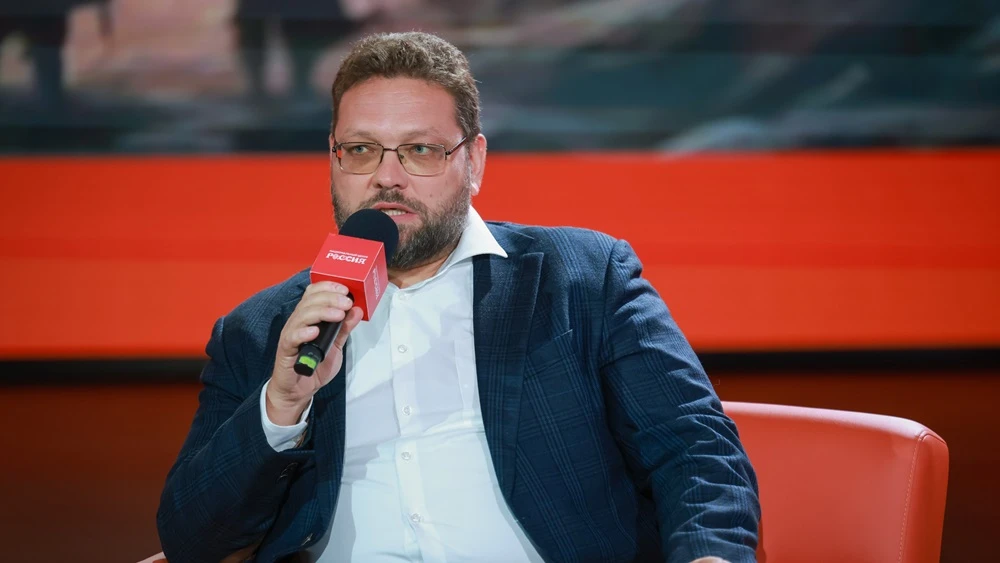
According to Vasily Novikov, Candidate of Historical Sciences and Head of the archaeological expedition of the Gnezdovo Museum-Reserve, one of the most important "pillars" of Ancient Rus' was its multi-confessional character: pagans and Christians lived side by side in the same territory, and archaeology records traces of both literally next to one another. This religious tolerance, the historian noted, facilitated effective trade and was embedded in the very foundations of the state long before the official adoption of Christianity — as early as the 9th–10th centuries. It was this openness that enabled Rus' to engage in cultural exchange and absorb a wide range of influences.
"All the very best came to Rus' from Byzantium, Syria, Scandinavia and Europe — it all mixed together, creating an absolutely remarkable, eclectic picture. When artisans reinterpreted certain pieces of jewellery, their own styles emerged. Then Christianity arrived with its stone architecture and aesthetics — yet paganism did not actually disappear at all. If you look at the church in Yuryev-Polsky, you will see these pagan echoes, these mythical beasts. It is a very interesting combination of cultures that transformed Rus' into this unique phenomenon," said Vasily Novikov.
This openness produced remarkable results: within just a few generations, Rus' evolved from scattered settlements into a fully fledged player on the international stage. According to the historian, within a single generation the young state already had representatives of different faiths, trading compounds and centres of its own, whose scale researchers can assess from discoveries made in Veliky Novgorod.
The event was held with the support of the Russian Military Historical Society and the "I Remember" Foundation. The meeting was moderated by Artyom Drabkin, Director of the "I Remember" Foundation and member of the Academic Council of the Russian Military Historical Society. Together with the speaker, he explored how the Old Russian state emerged at the crossroads of Slavic and Scandinavian traditions and which discoveries by modern scholars are helping reconstruct events that took place more than a thousand years ago.
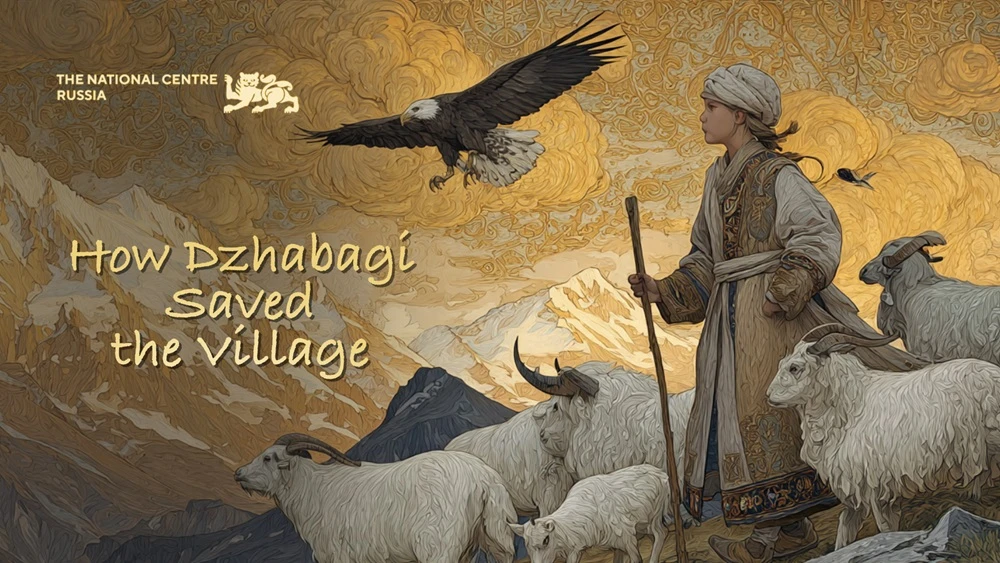
Watch the new episode "How Dzhabagi Saved the Village" on the National Centre RUSSIA.