

Remembering the heroism of peoples: Znanie.Unity marathon launches during International Week "Peoples of Russia"
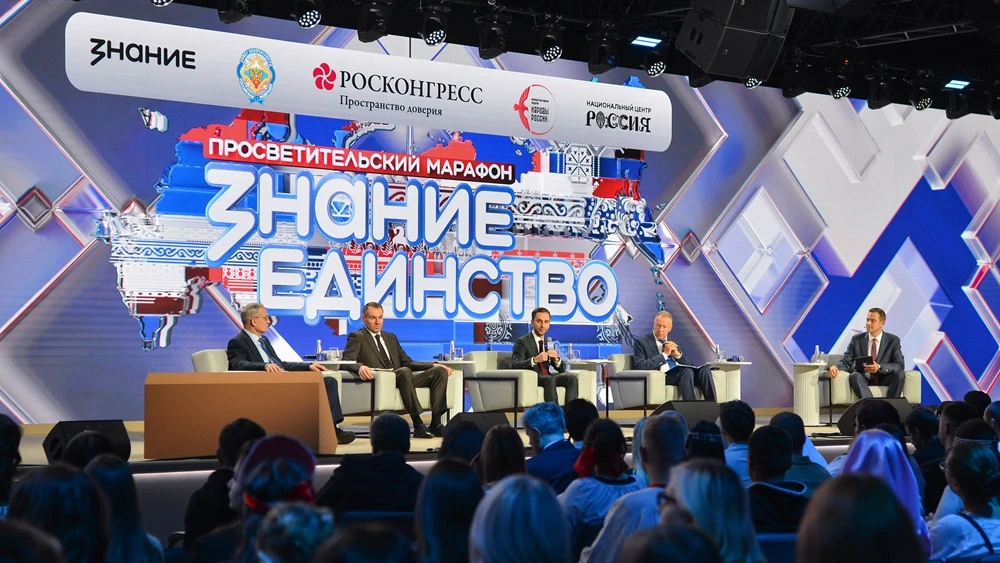
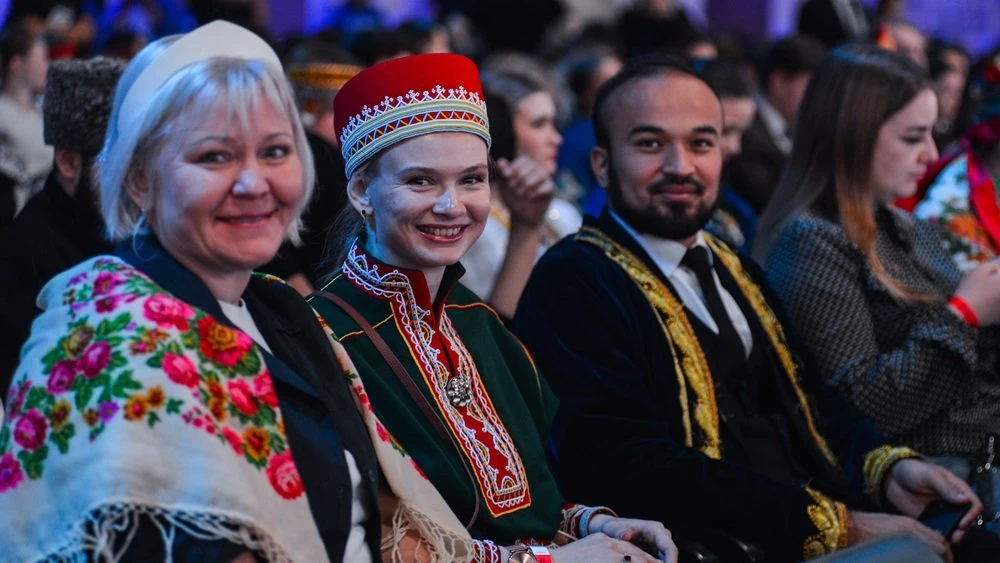
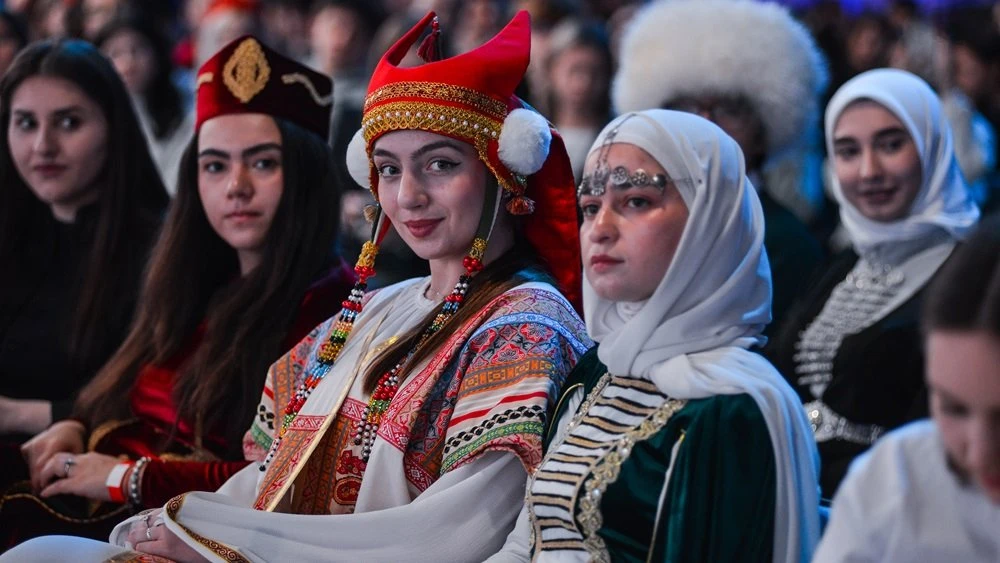
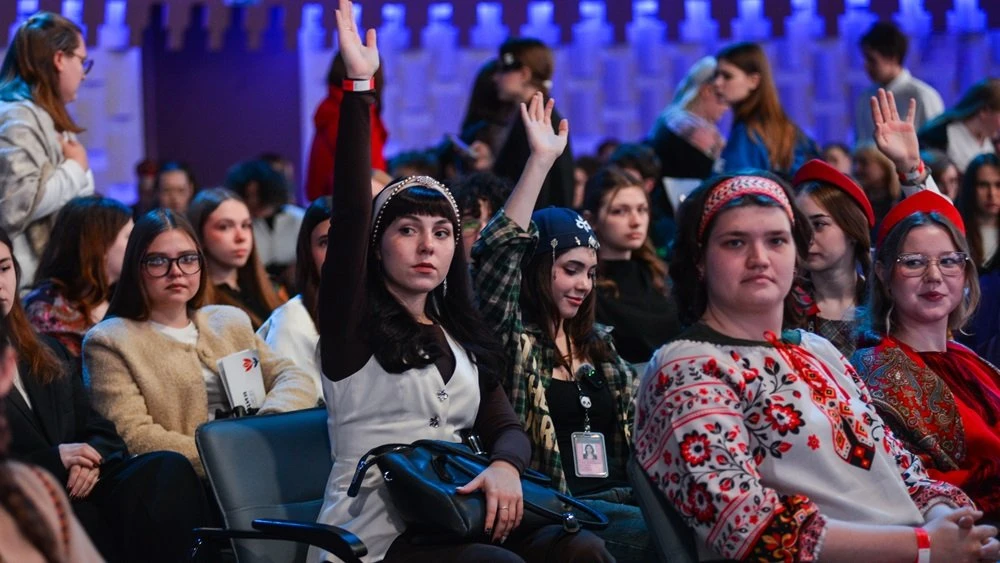
The Znanie.Unity educational marathon, organised by the Russian society Znanie with support from the Security Council Staff of the Russian Federation, opened at the National Centre RUSSIA as part of International Week "Peoples of Russia". More than 1,200 young people from different regions of the country will meet government officials, public figures, Heroes of Russia, scientists and international experts. The programme will feature open dialogues on historical memory, service to the Motherland, scientific achievements and Russia's role in the modern world.
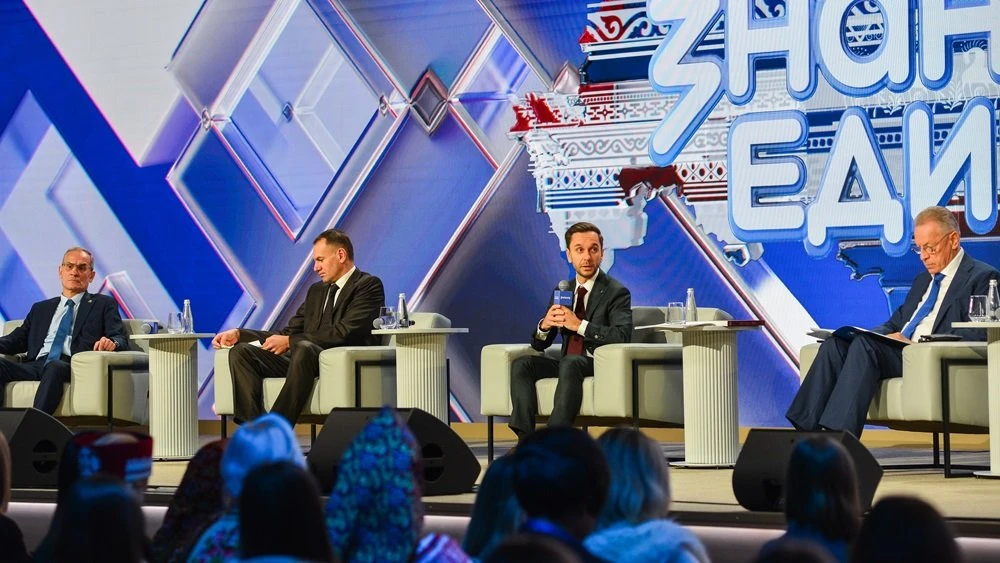
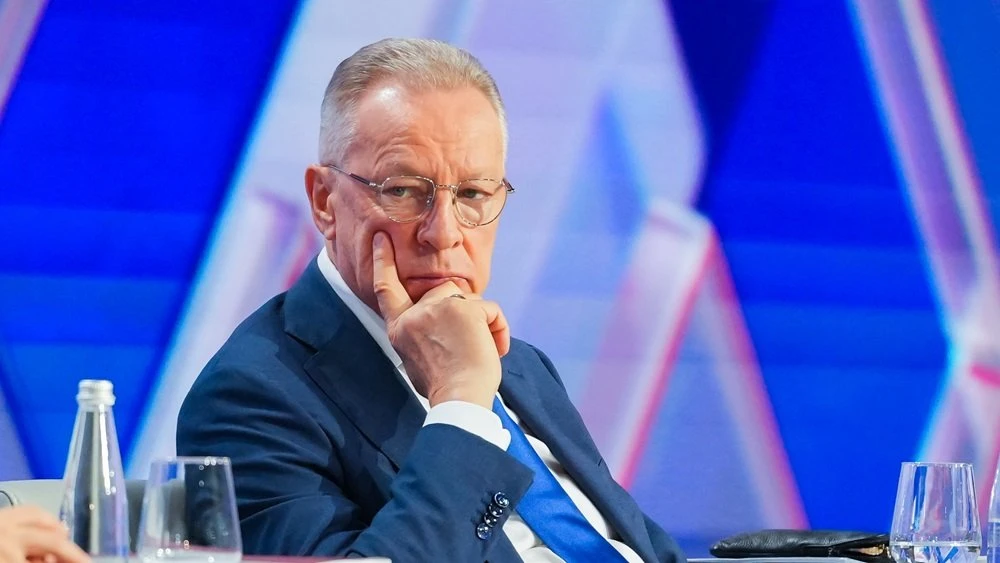
The marathon opened with the dialogue "Lessons of History in Action: Unity Tested by Time". Participants included the Deputy Secretary of the Security Council of the Russian Federation, Alexei Shevtsov; the Director General of the Russian society Znanie, Maxim Dreval; the Rector of the Russian State University for the Humanities, Andrei Loginov; and the Scientific Director of the Russian Military Historical Society, Mikhail Myagkov. They discussed the contribution of our country's peoples to Victory in the Great Patriotic War, historical examples of solidarity and ways to preserve shared memory.
The Deputy Secretary of the Security Council of the Russian Federation, Alexei Shevtsov, emphasised that preserving accounts of the Great Patriotic War is particularly important today: as the generation who experienced those events first-hand passes away, modern formats must be used to pass the memory of their heroism on to future generations. He said this work was also important in the face of attempts to distort history and downplay our country's role in defeating Nazism.
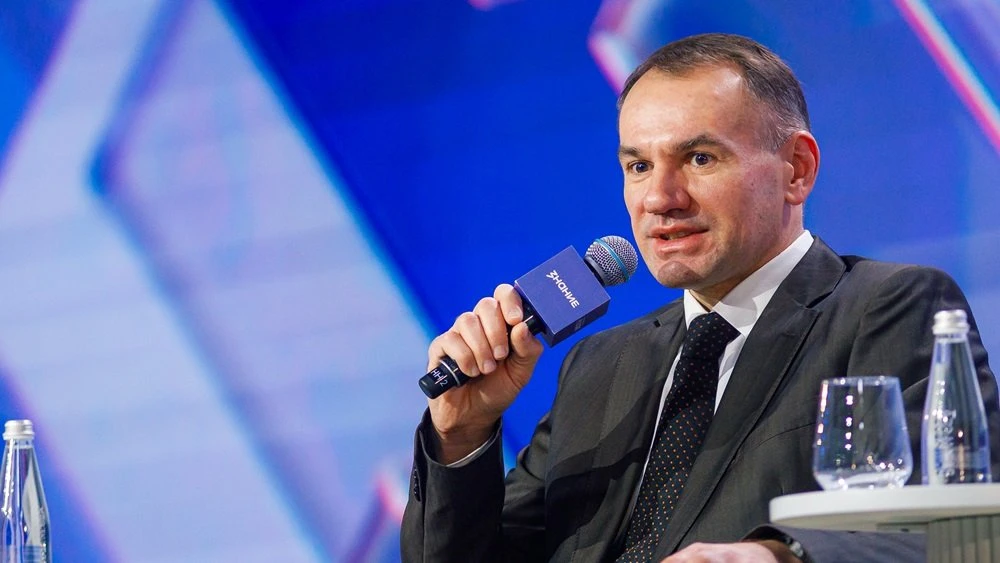
"Our task is to preserve a truthful record of the heroism of the peoples of the Soviet Union. We use various formats to do this: books, podcasts and documentaries. It is important both to collect historical materials and to make them accessible to younger generations. Protecting historical memory and preserving history are our national priorities," noted Alexei Shevtsov.
The Director General of the Russian society Znanie, Maxim Dreval, highlighted how unity had helped the country overcome severe trials over the centuries and provided the foundation for major achievements — from Victory in the Great Patriotic War to the nuclear programme and the exploration of space and the Arctic. He said maintaining this continuity was becoming the responsibility of the younger generation.
"Each generation must be better than the one before it. This means that young people must be even more united, move forward, explore new frontiers and preserve our country. The memory of the Great Victory provides a powerful foundation for strengthening the unity of peoples," said Maxim Dreval.
Continuing this theme, he presented the Russian society Znanie's educational work within the project "The Republics for the Front". A series of 11 podcasts on the Soviet republics' contribution to the shared Victory is being launched on 6 November, with four episodes released on the day of the marathon. Each podcast will be available in two languages — Russian and the national language of the respective republic. The project aims to engage young people with the history of the Great Patriotic War and show how closely connected the lives of the peoples who defended the country together are.
The Rector of the Russian State University for the Humanities, Andrei Loginov, discussed work on historical materials documenting the Soviet republics' contribution to Victory. He emphasised that archival documents and verified facts must remain the foundation of reliable historical knowledge, and that it is important to recognise the individual lives behind the vast statistics.
The scholar cited the wartime evacuation effort as one example of the peoples' shared heroism. He said it had affected around 20 million people. Industrial enterprises, equipment and specialists were relocated away from the front and welcomed by residents of the Urals, Siberia, the Volga region and the Central Asian republics. This required immense efforts both from the military and from those who kept industry running and sustained life across the country.
"Historical knowledge is built on facts supported by documents and scholarly research. But behind every fact are human lives. Evacuation, for example, was an extraordinary feat of labour, comparable in scale and significance to the heroism of our soldiers on the front line. We must study and tell the stories of these chapters of history to understand the contribution of the entire Soviet people to Victory," noted Andrei Loginov.
The Scientific Director of the Russian Military Historical Society, Mikhail Myagkov, added examples of interethnic unity from other periods of Russian history. He recalled how people of different ethnic backgrounds had joined forces to liberate Moscow from Polish-Lithuanian invaders during the Time of Troubles and fought together against Napoleon's army.
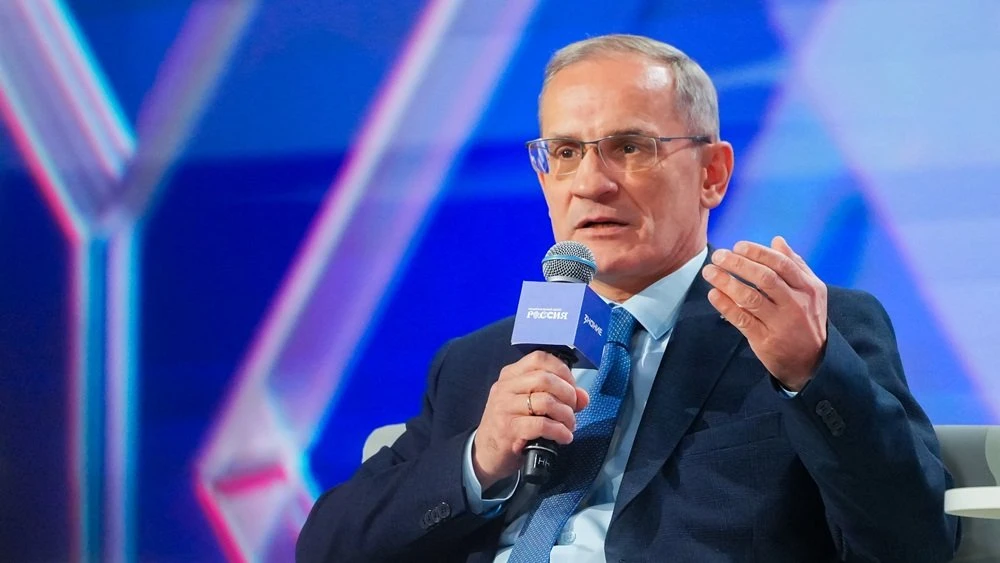
"When we talk about unity, it is important to look beyond well-known battles and names. We need to uncover the stories of people who are sometimes left out of textbooks but whose lives vividly illustrate friendship between peoples. These include heroic deeds on the front line, selfless work on the home front and children's lives saved. These are the stories that make up our shared history," emphasised Mikhail Myagkov.
International Week is held annually in accordance with Presidential Executive Order No. 382 of 1 June 2026, which declared 2026 the Year of Unity of the Peoples of Russia. Its central theme is "Solidarity Among States Through the Unity of Peoples and Traditional Values". The events of International Week are coordinated by the Security Council Staff of the Russian Federation. The Roscongress Foundation is the operator.
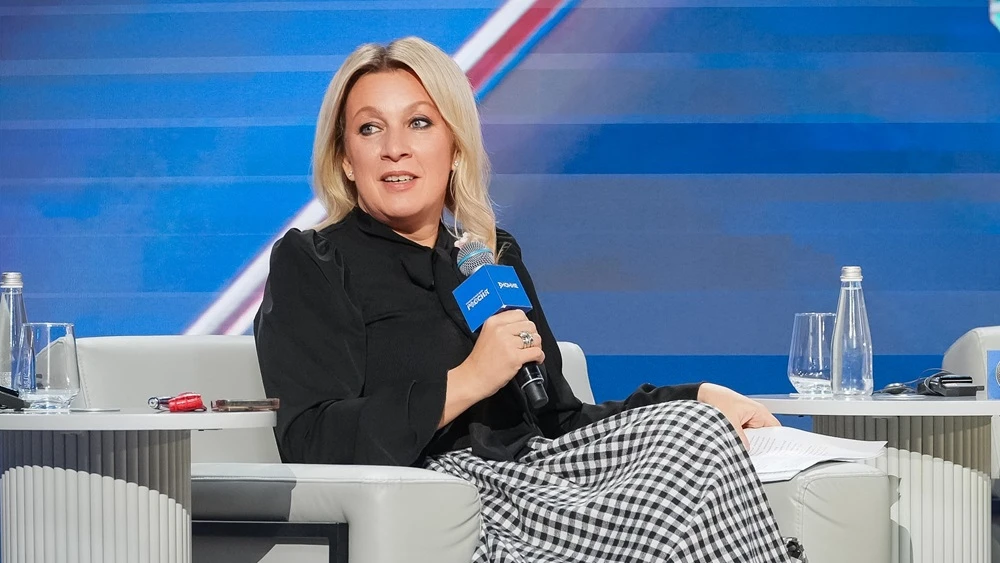
The Znanie.Unity marathon was held as part of International Week "Peoples of Russia", marking National Unity Day.
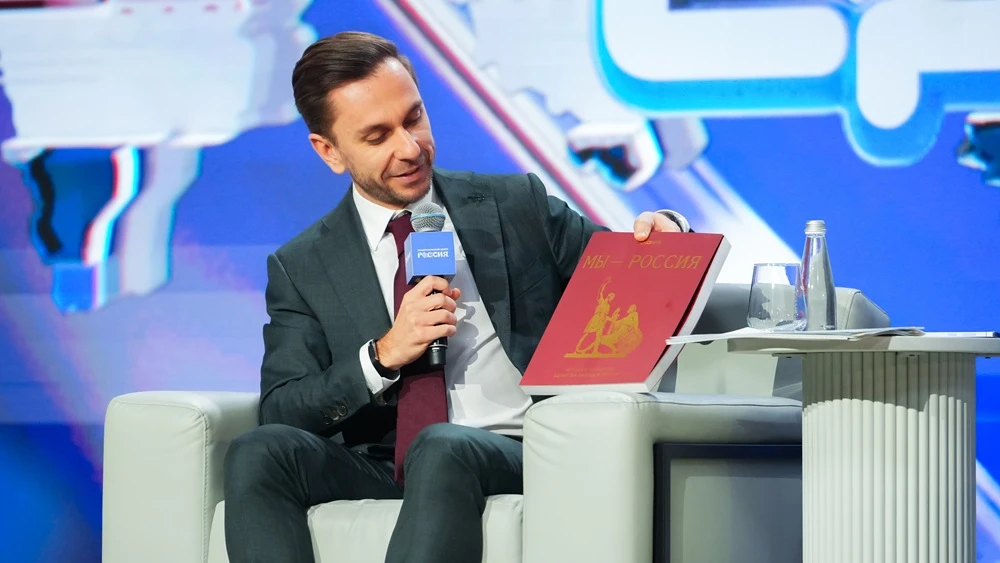
The book "We Are Russia. Origins and Horizons of Unity Among the Peoples of Russia" was presented at the National Centre RUSSIA as part of the Znanie.Unity educational marathon.
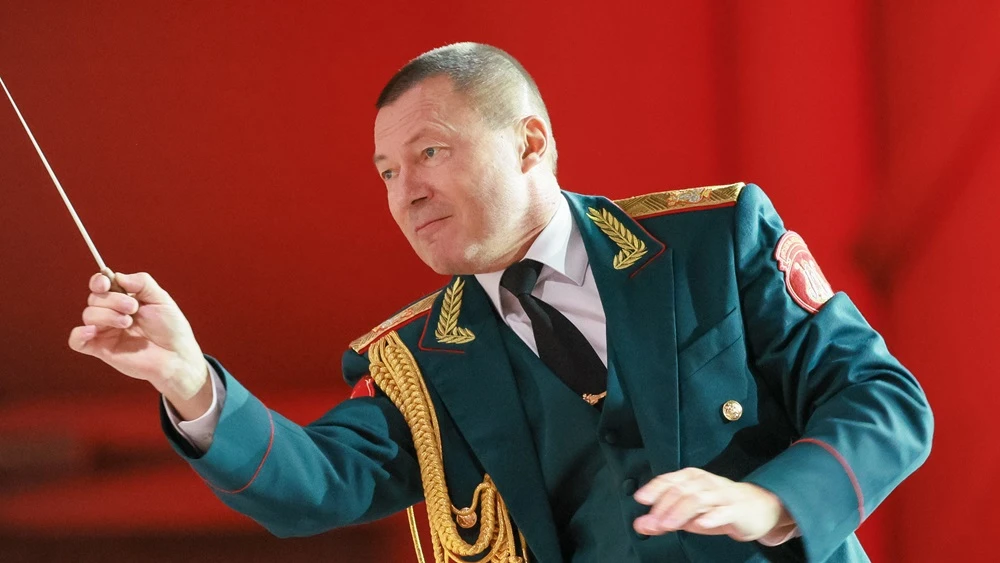
Songs that have become an integral part of the Russian people's historical memory and shared cultural identity were performed on 5 November at the National Centre RUSSIA during.


