Dumplings bring people together: the main family dish at the Gastronomic Rows of the National Centre RUSSIA
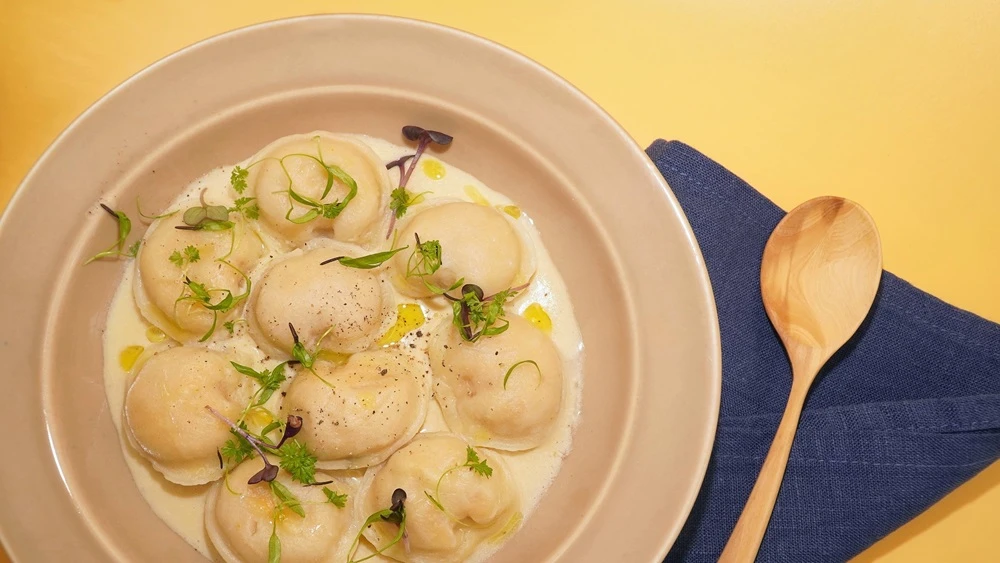
What dish can bring several generations together around one table and turn an ordinary evening into a small family celebration? In Russia, the answer is almost always the same: pelmeni (dumplings). At the Gastronomic Rows of the National Centre RUSSIA, they are one of the signature dishes at the West corner, offering visitors an opportunity to discover a story of tradition, family and the flavours of Russia.
The familiar word pelmeni has a fascinating history. It comes from the Permic languages — Komi and Udmurt — where pelnyan literally means "bread ear" (pel meaning "ear" and nyan meaning "bread"). According to one of the most widely accepted theories, pelmeni entered Russian cuisine through the Finno-Ugric peoples of the Kama region, the Urals and Siberia. Culinary historian William Pokhlebkin believed they became part of Russian culinary tradition in the late fourteenth and early fifteenth centuries, spreading from the Urals and Siberia. In the harsh northern climate, pelmeni were the ideal food: in autumn, families would gather to prepare large batches, freeze them outdoors and store them throughout the winter. While travelling, all that was needed was a pot of boiling water and a handful of frozen dumplings to produce a hot, hearty meal within minutes.
Not only has the preparation method survived, but so too has pelmeni's unique role as a family tradition. For many households, making pelmeni together remains a ritual in itself. One person kneads and rolls out the dough, another prepares the filling, while others shape the dumplings. As a result, homemade pelmeni are regarded not simply as another dish but as a symbol of close-knit families, shared traditions and treasured memories.
Their popularity is also enhanced by playful customs. Many families still make a "lucky dumpling", hiding a symbolic surprise inside — a coin for prosperity, herbs for happiness, sugar for good fortune or a hot pepper for exciting adventures. At festive gatherings, this becomes a light-hearted family lottery and a source of laughter around the table. In different regions, pelmeni also acquired ceremonial significance. In the Kama region, for example, they could be served both at weddings and at memorial meals, symbolising the continuity of generations. During the Soviet and post-Soviet periods, they also became a staple of winter festive meals.
Regional variations of pelmeni are equally diverse. In Siberia, they were traditionally made small, carefully frozen and cooked as needed, while in the Urals people experimented with different shapes and sizes. Fillings often featured game, such as venison, capercaillie or black grouse, as well as freshwater fish including burbot and pike, alongside the more familiar mixture of beef and pork. The modern pelmeni served at the West corner pay tribute to these traditions. The menu features a variety of fillings, while remaining faithful to the defining characteristics of the dish: delicate dough, generous filling and rich flavour.
Interestingly, pelmeni belong to a large international family of filled dough dishes. China has jiaozi and wontons; Middle Asia and the Caucasus are known for manty, chuchvara and khinkali; while Italy has ravioli and tortellini. Yet in Russia, pelmeni have become something more than simply a national dish — they have become part of the cultural code, a universal comfort food suited to almost any occasion.
Pelmeni, however, are only one part of the culinary journey. The Gastronomic Rows at the National Centre RUSSIA have been conceived as a multidimensional exploration of the flavours of the country. Four themed corners — South, North, West and East — bring together the distinctive culinary traditions of Russia's diverse regions under one roof.
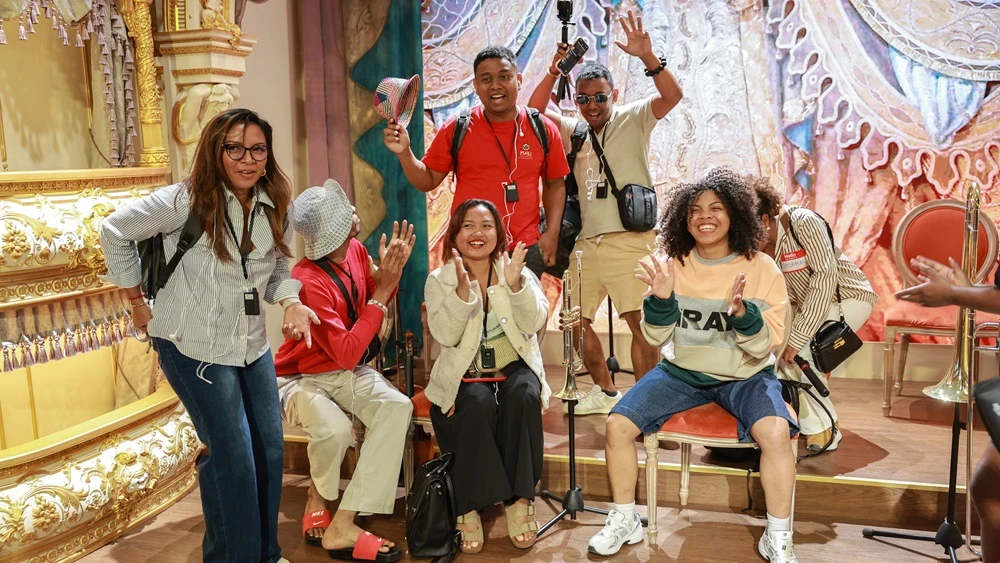
The "Russia–Africa: New Media Meanings" blogger tour began at the National Centre RUSSIA on 26 July.
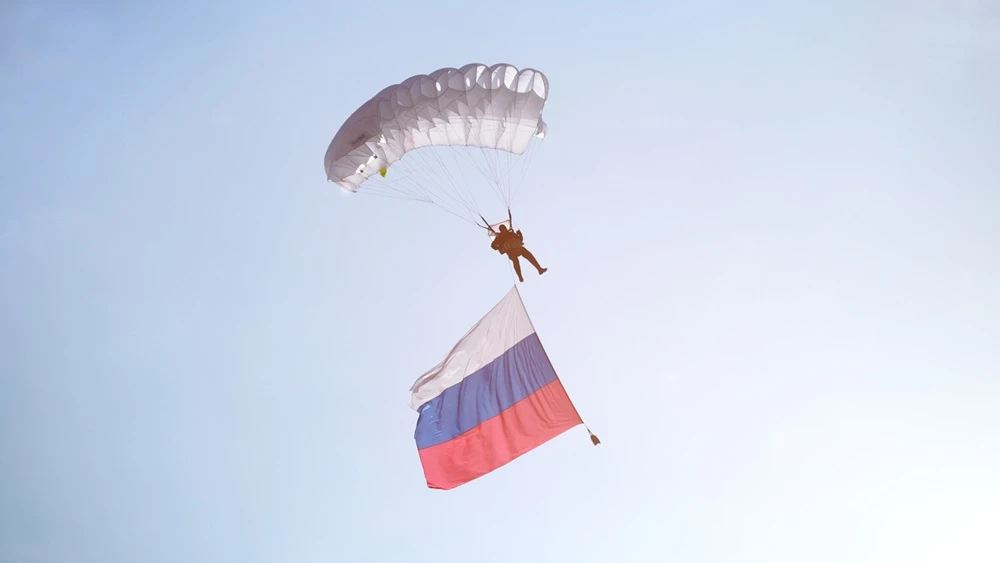
2 August marks Airborne Forces Day in Russia, a national observance.