


First Eurasian Digital Security Dictation brings together 20 countries at the National Centre RUSSIA
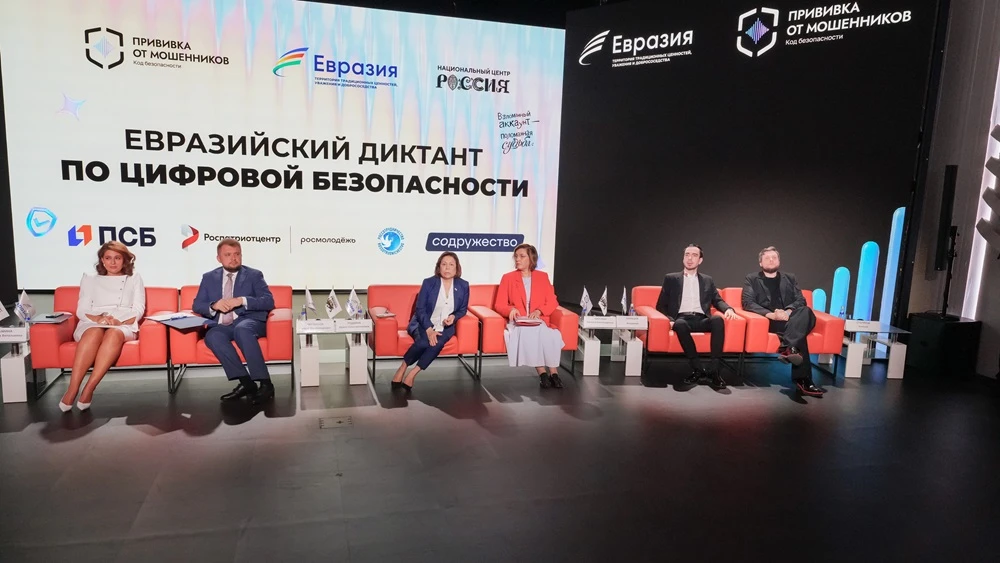
The National Centre RUSSIA became the main venue for the first Eurasian Digital Security Dictation. The large-scale educational initiative, organised by the Eurasia Autonomous Non-Profit Organisation as part of the "Fraud Vaccination" federal project, brought together more than 30,000 participants from 20 countries in a hybrid format. The testing took place in two stages: schoolchildren completed the tasks on 8 September, while students and adults took part on 9 September.
The "Fraud Vaccination" project was launched this summer with the support of the ANO "Eurasia". Its main goal is to strengthen digital resilience and financial literacy, and to help people across the Eurasian space develop practical skills for recognising fraudulent schemes, fake content, deepfakes and other threats that internet users encounter every day.
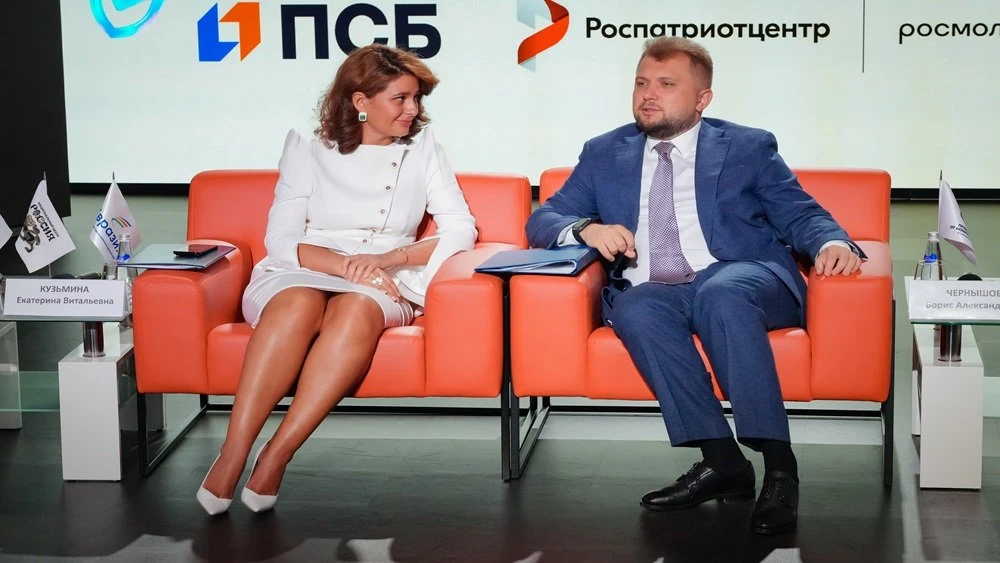
"Fraudsters have long learned how to speak to people in ways that affect them personally — they know how to frighten them, spark their interest or make them feel they need to act quickly. That is why caution alone is not enough: people need to know how to recognise specific schemes. This is exactly what we teach through the 'Fraud Vaccination' project. The Dictation showed how important it is to work on digital security not only with children, but with the whole family," said Boris Chernyshov, Deputy Speaker of the State Duma of the Russian Federation and Head of the "Fraud Vaccination" project.
Regional and international venues joined the Dictation at the National Centre RUSSIA via video link, including universities, libraries, Russian Houses, Eurasian Centres of the Russian Language and other educational organisations. International participants included venues in Turkey, Nepal, China, Mongolia and Afghanistan.
For many venues, the Dictation became part of their educational work with children and young people, while the tasks themselves provided an opportunity to discuss universal risks faced by internet users regardless of country. Participants examined situations they might encounter online and in messaging apps: how to recognise a phishing message or malicious link, distinguish a deepfake from a genuine video, identify signs of a fraudulent investment offer and understand whether someone is trying to involve them in money mule activity.
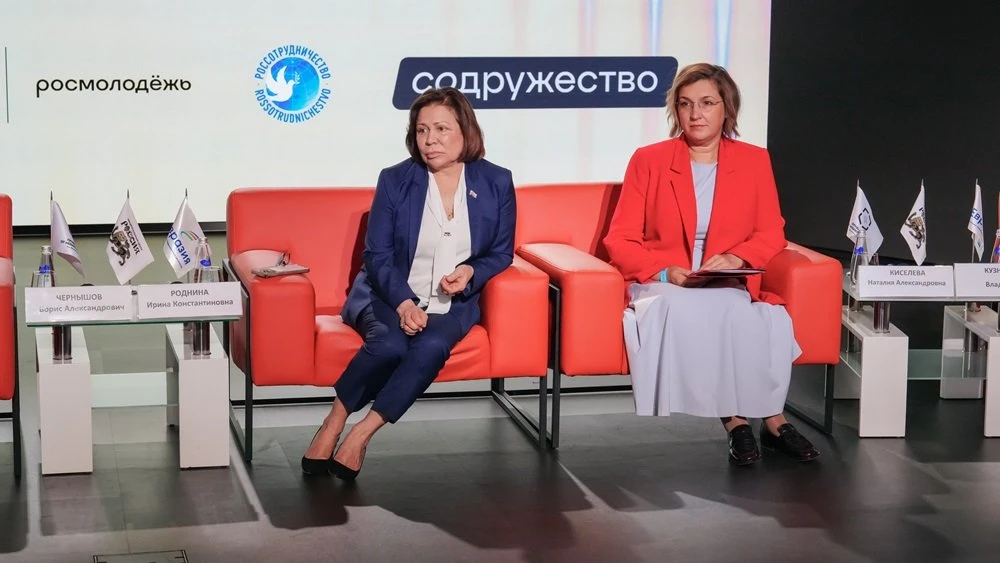
"It is important to us that the opportunities offered by Russian educational projects are available both to our compatriots and to those interested in the Russian language and Russian culture abroad. Digital security is an issue that affects every family, which makes the participation of international venues in such a project especially valuable," emphasised Natalia Kiseleva, Deputy Head of the Federal Agency for the Commonwealth of Independent States Affairs, Compatriots Living Abroad, and International Humanitarian Cooperation (Rossotrudnichestvo).
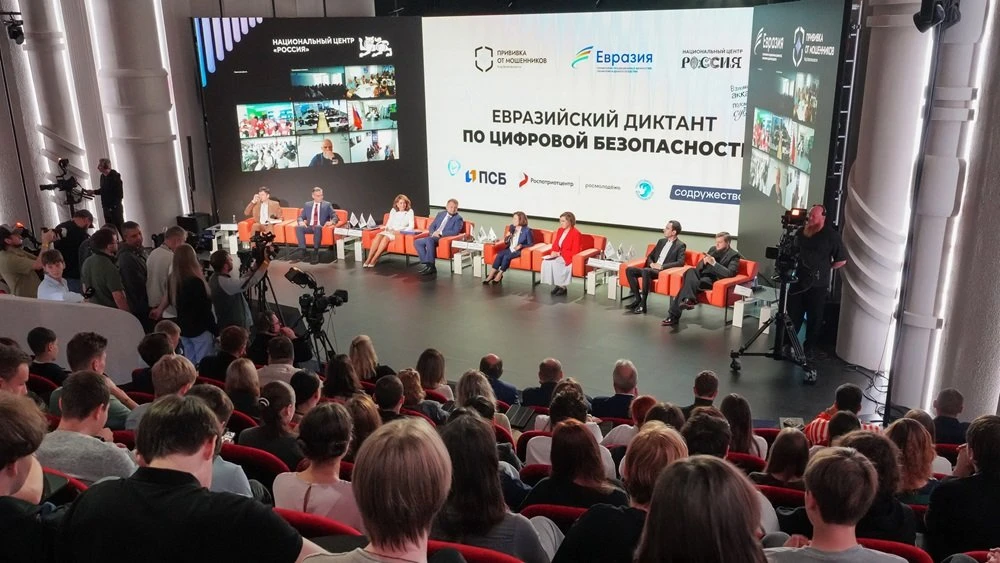
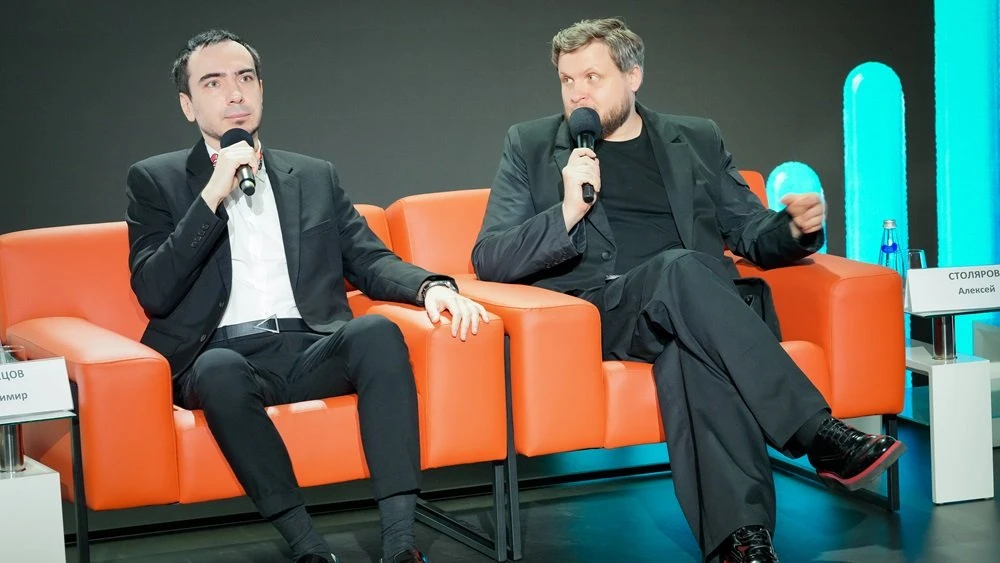
The expert segment of the Dictation also involved representatives of government bodies, the financial sector and educational organisations, as well as cybersecurity specialists. They included State Duma deputy and three-time Olympic champion Irina Rodnina; Yekaterina Kuzmina, Vice President and Managing Director for Development at PSB Bank; Ivan Uvarov, Director General of the International Training and Methodology Centre for Financial Monitoring; German Neglyad, State Secretary — Deputy Director of the Federal Financial Monitoring Service; and Vladimir Kuznetsov and Alexei Stolyarov, known as the pranksters Vovan and Lexus.
The Eurasian Dictation marked a new stage in the project implemented by the Eurasia Autonomous Non-Profit Organisation to improve digital and financial literacy among children, teenagers, young people and adults. Following the initiative, the winners and most active participants were presented with awards. The organisers also announced new educational projects aimed at improving digital literacy and creating a safer information environment across the Eurasian space.
The initiative is supported by the State Duma of the Federal Assembly of the Russian Federation, the Ministry of Science and Higher Education of Russia, the Ministry of Education of Russia, the Ministry of Digital Development of Russia, the Ministry of Justice of Russia, the Ministry of Agriculture of Russia, the Ministry of Healthcare of Russia, the Federal Financial Monitoring Service, Rossotrudnichestvo, Rosmolodyozh and Rospatriotcentre, as well as educational organisations, youth centres, children's camps, public associations and media partners, including major bloggers, influencers and volunteers.
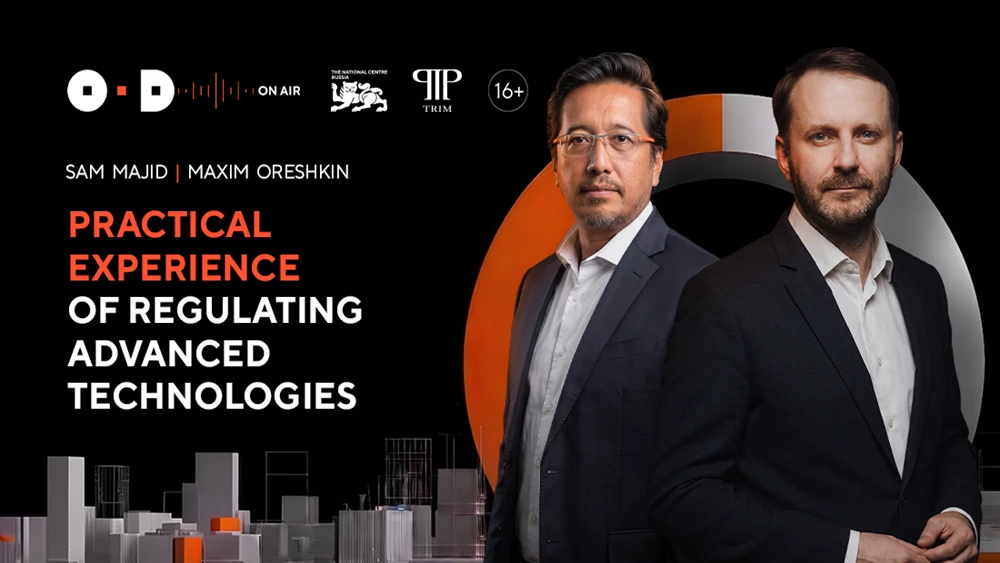
The main topic of the conversation was finding a balance between freedom for technological development and the need for regulation.

Visitors to the National Centre RUSSIA stand were charmed by the collection of the famous Russian toy in an Indian-inspired design, created for the presentation of the Department Store in New Delhi.
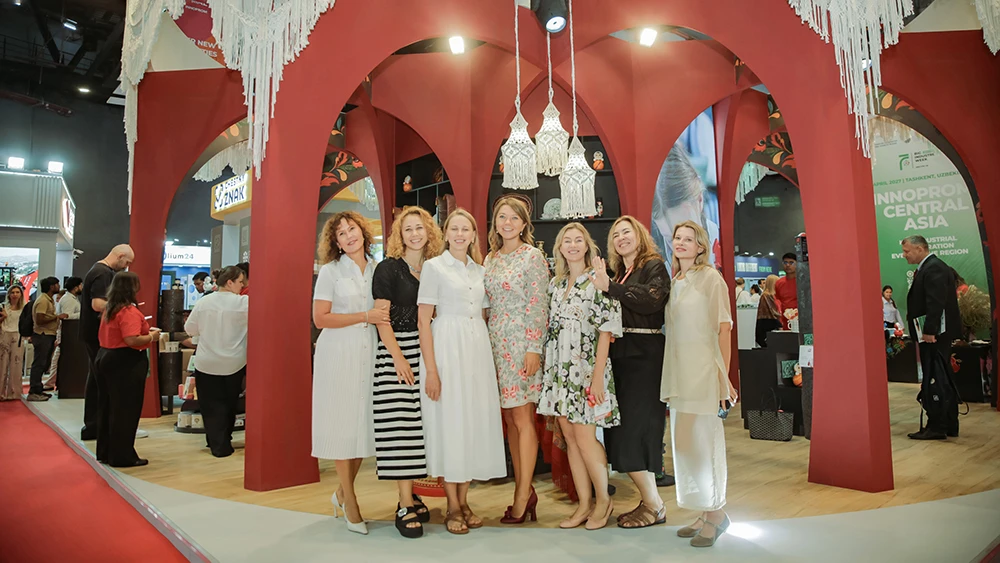
The International Industrial Trade Fair "INNOPROM. India" opened in New Delhi on 9 September.


