


Underground palaces and the digital future: the history and architecture of the Russian metro discussed at the National Centre RUSSIA
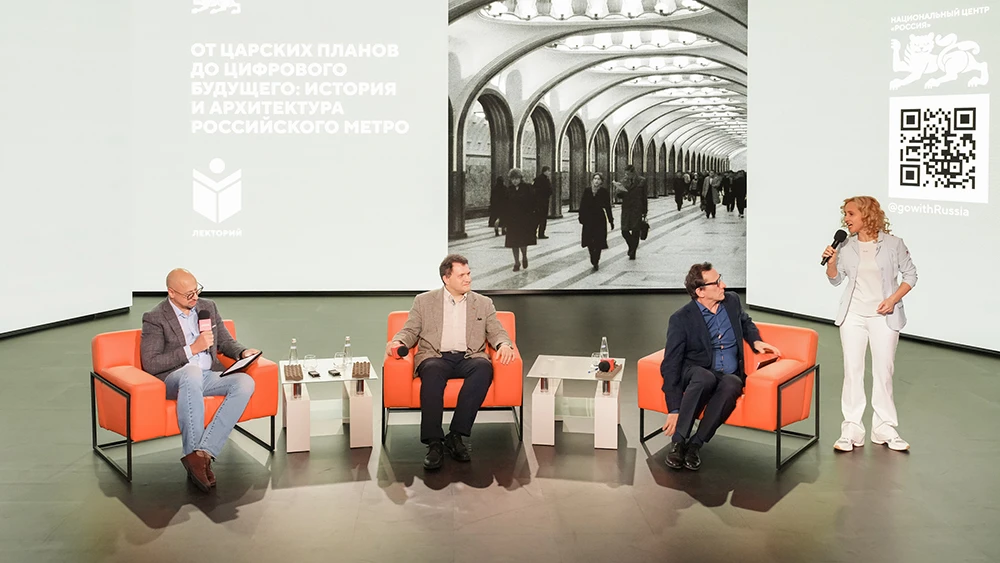
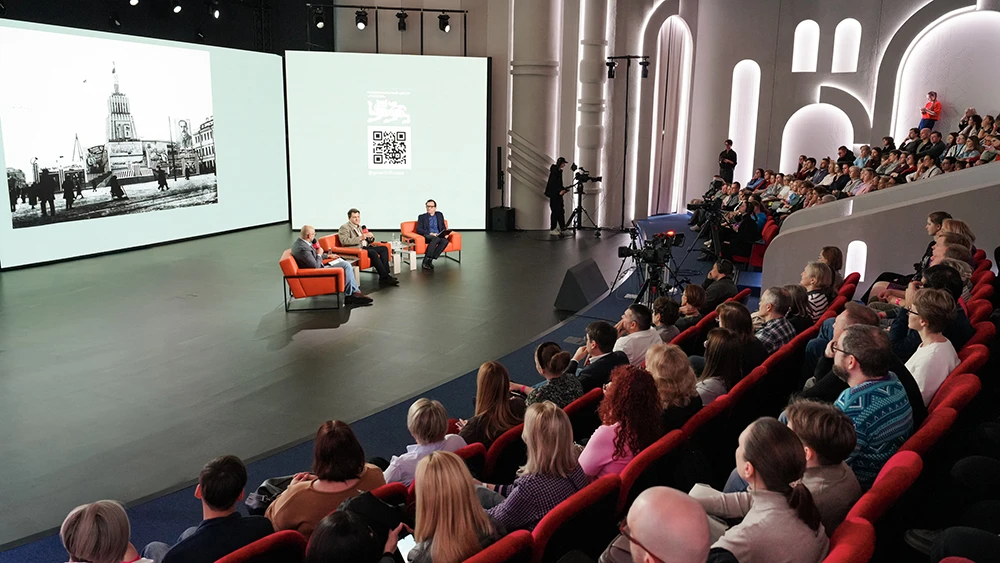
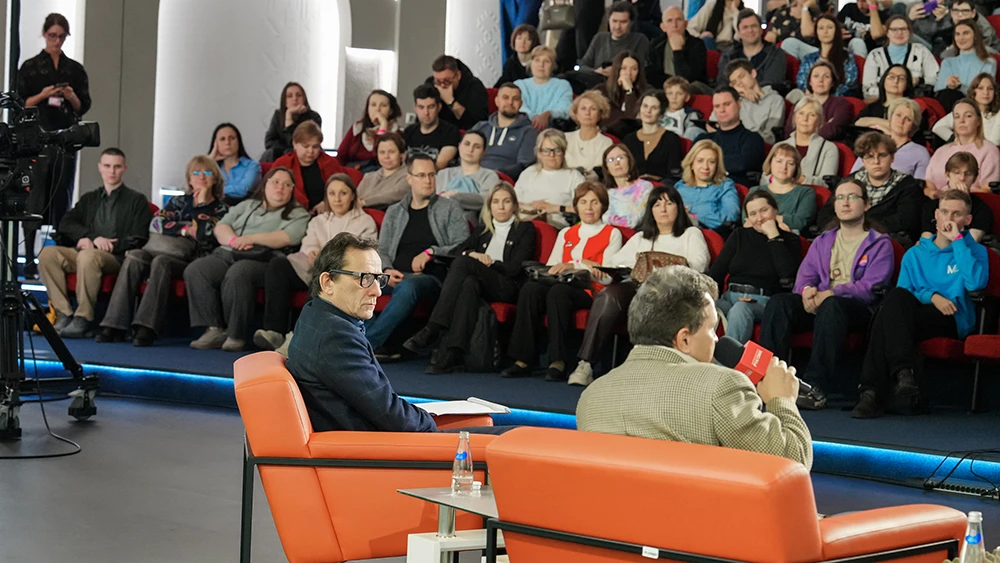
The Russian metro is not merely a transport system but also a cultural and architectural phenomenon reflecting the country's history, the achievements of engineering thought, and the spirit of different eras. It continues to evolve, combining expressive architecture, functionality, and modern technology. On 20 October, audiences at the historical Lecture Hall of the National Centre RUSSIA had the opportunity to learn more about the history and development of the metro. Experts at the meeting "From Tsarist Plans to the Digital Future: The History and Architecture of the Russian Metro" explained why stations are called underground palaces, how approaches to their design and construction have changed, and what features define the appearance of the metro today.
The Lecture Hall was moderated by Artyom Drabkin, Director of the "I Remember" Foundation and a member of the Scientific Council of the Russian Military Historical Society. He explained why the history of the metro deserves the closest attention: in his words, behind the familiar transport infrastructure lies a true veritable chronicle of the country, with its ambitions, victories, and the everyday life of both ordinary and outstanding citizens.
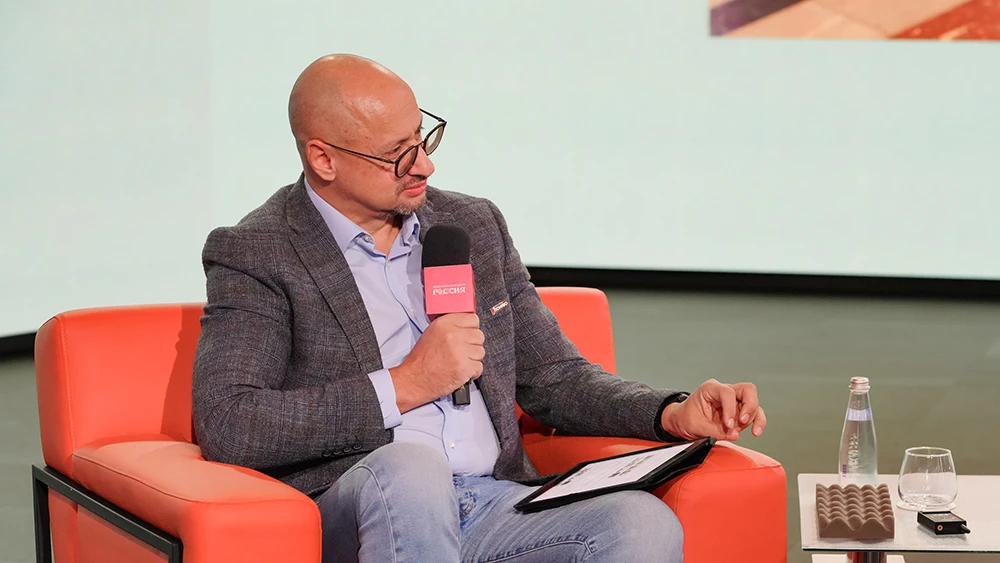
"The history of the metro is not only the history of Moscow's transport but, above all, a cultural phenomenon. First, the very idea itself was pre-revolutionary, then it was transformed into a Soviet idea, and its implementation was simply magnificent. And now the Moscow Metro is experiencing, one might say, a second birth: a huge number of new stations and lines are appearing, but the main thing is that not only a transport system is being formed, but also a certain cultural environment connected with both architecture and legends. And, of course, it is very interesting to follow this," said Artyom Drabkin.

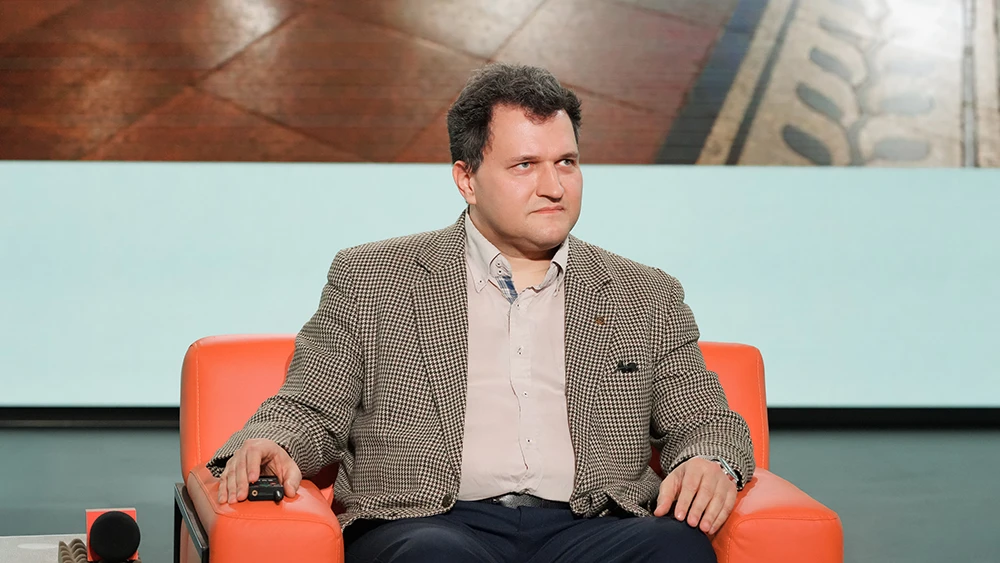
Timur Bashkayev, Chief Architect of the Moscow Central Circle, confirmed the widespread view that the Moscow metro is the most beautiful in the world. He explained wherein lies its architectural uniqueness, how the visual image of a future station is born and how it is reflected across different eras while maintaining a balance between the expressiveness of the project and its convenience and accessibility for passengers.
"I have travelled to a great many cities that have both old and new
metros, and the Moscow one is unequivocally the best. This is because from the
very outset Moscow's architects were set a very high bar — not simply to
produce utilitarian design but to create a model of an ideal society, an ideal
world. And if the bar is set high from the start and one must come as close as
possible to the ideal, then the results are as high as possible too. So it all
begins with the technical and ideological brief — that is precisely why the
best stations of Moscow were born. When an architect feels the full importance
of a project, understands that it is supported by the city and the whole
country, and knows that this project will become a real reflection of the era —
he always mobilises and works as vividly and creatively as possible,"
noted Timur Bashkayev.
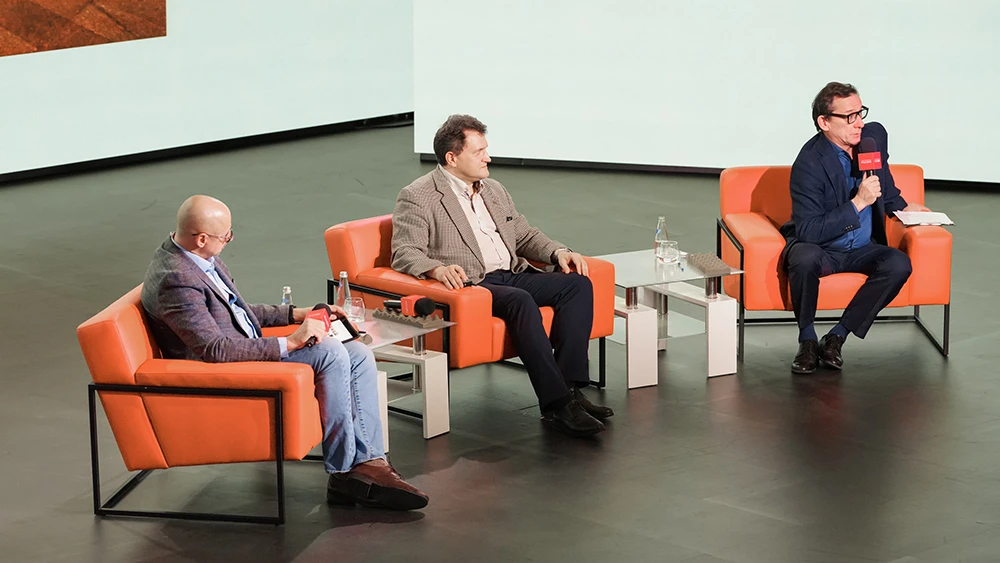
Alexander Popov, a transport historian, photographer and historian at Mosmetrostroy JSC, explained why pre-revolutionary metro projects in Russia were never realised and how the launch of the metro in the Soviet era shaped its distinctive character. He introduced the audience to the changes in metro construction since the 1930s and discussed the challenges that metro builders continue to face even with modern technology.
"Pre-revolutionary metro projects in our country were purely commercial ventures and were not economically viable for Moscow. For example, the estimated cost of Pyotr Balinsky's best-known project, proposed in 1902, was around 150 million roubles, while the city’s annual revenue was approximately 10–11 million roubles. And, of course, there was no talk of beauty or passenger convenience. So it is fortunate that those projects were never implemented. When we returned to metro planning in the 1920s, we had the opportunity to study the experience of our international counterparts and understand what not to do. As a result, we achieved something that seemed unthinkable at the time: we made public transport beautiful. Those were the very 'underground palaces' opened to the public. As for construction, the technology has changed dramatically, but Moscow's geology remains just as challenging — a kind of layered cake of clay, sand, rock and cultural strata. Our builders still have to overcome these obstacles, albeit with modern methods," explained Alexander Popov.
The audience discovered a wealth of fascinating facts about the Russian
metro. The experts discussed the
motto of metro builders that continues to be put into practice, the distinctive
features of metro systems in Russia, which station lies deepest underground,
and why some cities still do not have a metro despite their considerable size.

One of the most memorable parts of the event focused on the legends that have grown up around the metro over its 91-year history. Artyom Drabkin explained why so many mythical stories have emerged and what this fascination reveals about the way people in Russia view their country's legacy.
"Millions of people use the metro. It is part of everyday urban life, which is precisely why so many different stories are associated with it. People arrange to meet there, and all sorts of things happen to them in the metro. Most of these stories, however, tend to be positive," Artyom Drabkin said.
According to Alexander Popov, many such stories arose because the metro was built under conditions of secrecy, while some stations and passageways remained closed to passengers for a long time. Other legends, he noted, are linked to architectural details and engineering solutions that acquired a mysterious aura in the eyes of city residents.
"When people do not understand how something works, they make up
incredible stories. That is how we get tales of three-metre rats or secret
metro lines stretching all the way to Paris. There was wildlife in the metro:
for example, a raven, dogs and pigeons lived at Preobrazhenskaya Ploshchad, and
small mice could sometimes be spotted there. But they never grew into
three-metre rats. Then there are the closed stations, which many people assume must be secret. In reality, these are service
stations. For example, the so-called Point D station is an emergency exit
between Strogino and Krylatskoye metro stations. As for mothballed stations,
there was only Volokolamskaya, now known as Spartak, which entered service
several years ago. Yet our minds still magnify what we think is being
concealed, turning it into something extraordinary," Alexander Popov explained.
The Open Historical Lecture Hall is an original project of the National Centre RUSSIA. It introduces audiences to unique historical facts, debunks harmful myths, and promotes patriotism and respect for the country's legacy. The project is organised with the support of the Russian Military Historical Society and the "I Remember" Foundation. Admission to all events in the series is free, but advance registration is required on the russia.ru website. Please check the "Events" section for the latest schedule.
The full recording of the event, "From Tsarist Plans to a Digital Future:
The History and Architecture of the Russian Metro", is available via the link.


Event photobank


The original club of the National Centre RUSSIA, "What to Read?!," is created for those who see in books the key to personal development and to understanding the past, present, and future.
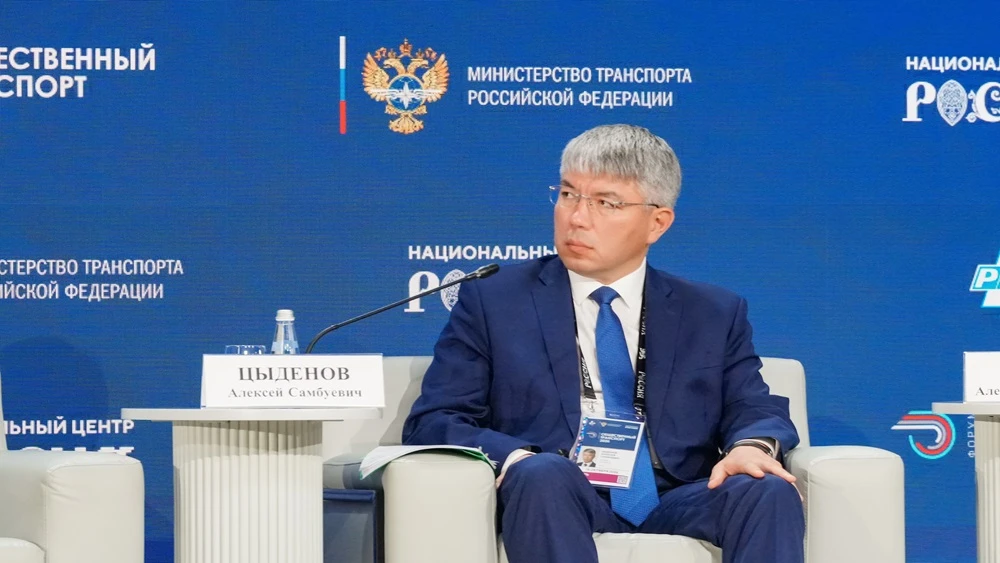
Head of the Republic of Buryatia Alexei Tsydenov took part in the All-Russian survey "What Does the Motherland Begin With?" held by the National Centre RUSSIA.

Alexander Reut took part in the panel discussion "More Than Just a Toy: The Educational Potential of Toys and Teaching Practices in Preschool Education".


