Producer of "Soldiers’ Dreams" explains how wartime chronicles came to life in the scenery
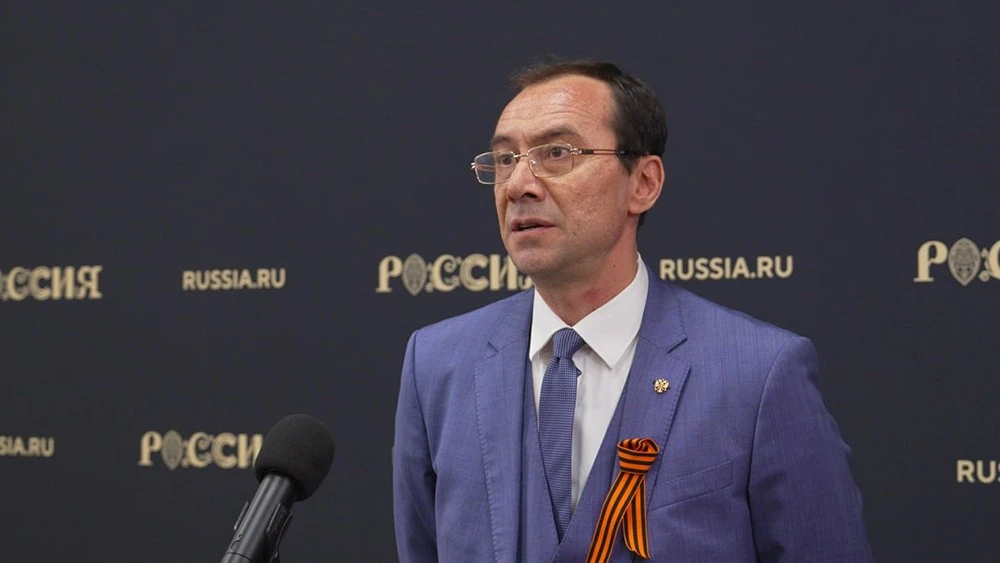
The premiere of the performance "Soldiers’ Dreams" at the National Centre RUSSIA was preceded by extensive and meticulous work, said the production’s producer, Honoured Artist of Russia and winner of the "Soul of Dance" and "National Heritage" awards Aidar Shaidullin. According to him, developing the multimedia scenery proved no less complex than preparing the choreography and musical elements.
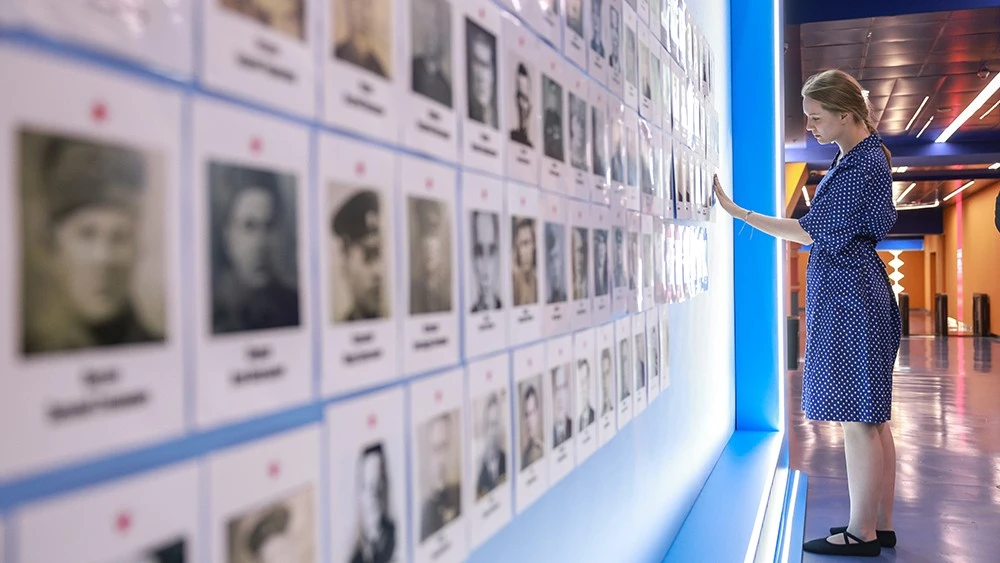
"A large team of historians and our staff members searched for and selected those historical photographs taken between 1941 and 1945. Most of the images are small, five by seven centimetres, black and white, and in very low resolution. But these were the very images that had to be brought to life on the huge screens of the National Centre RUSSIA. That is why our team had to work extremely hard to piece them together and animate them using the technologies available. Parallax, seamless visualisation and many other techniques were used. All of this was done so that viewers could fully immerse themselves in the time that war correspondents, who risked their lives for these reports, tried to capture," Aidar Shaidullin said.
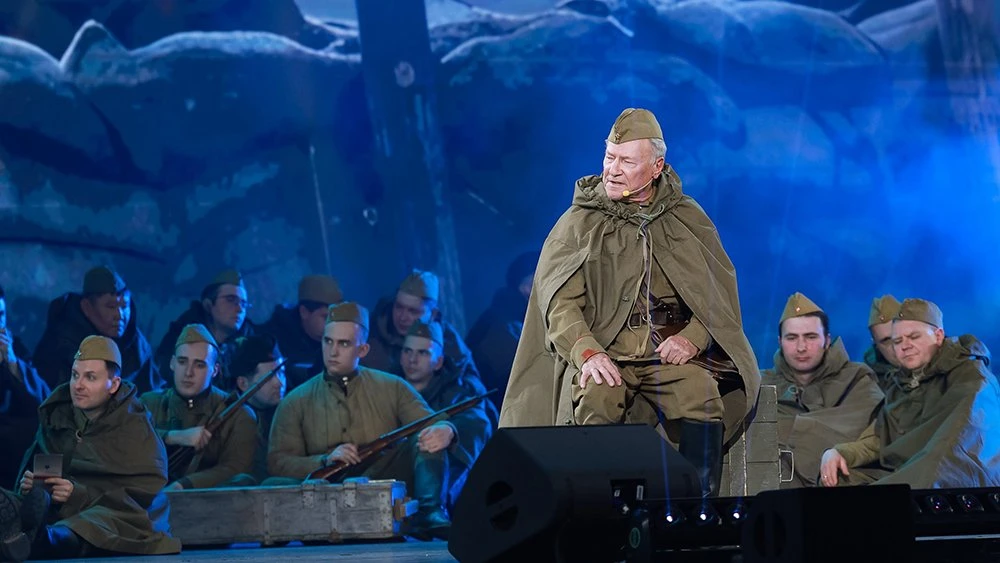
According to the producer, the team takes particular pride in the animated images of the Reichstag and the road to Berlin, as well as the scenes of a soldiers’ rest stop.
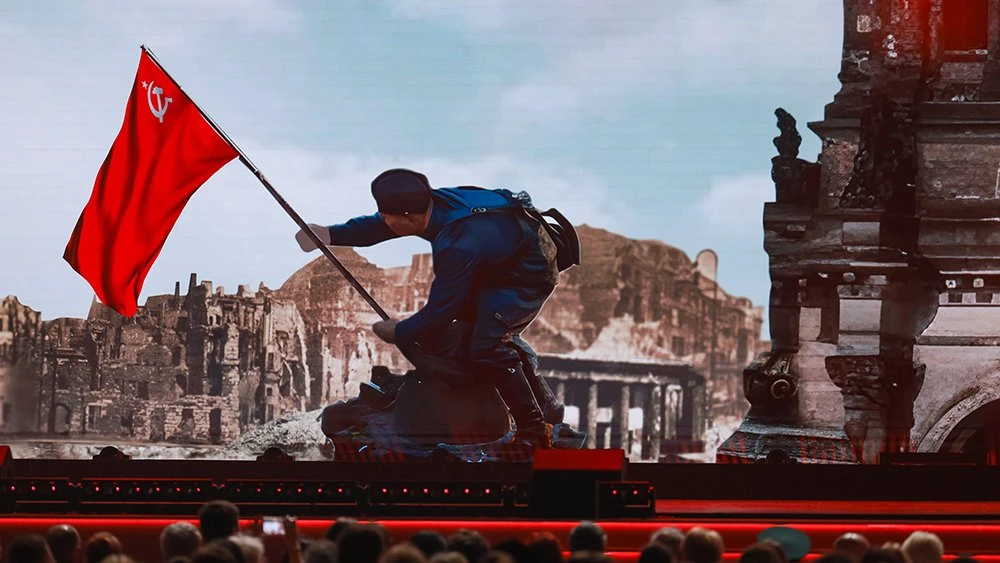
"Resting after battle and preparing for the next one, our fighters see soldiers’ dreams during a halt. In them, they see a beloved woman, their native village, their city, the place where they were born. I think we managed to convey all of this together. I hope viewers will appreciate our work and the work of the animation artists. After all, every frame we brought to life on the screens of the National Centre RUSSIA was drawn by hand," Aidar Shaidullin added.
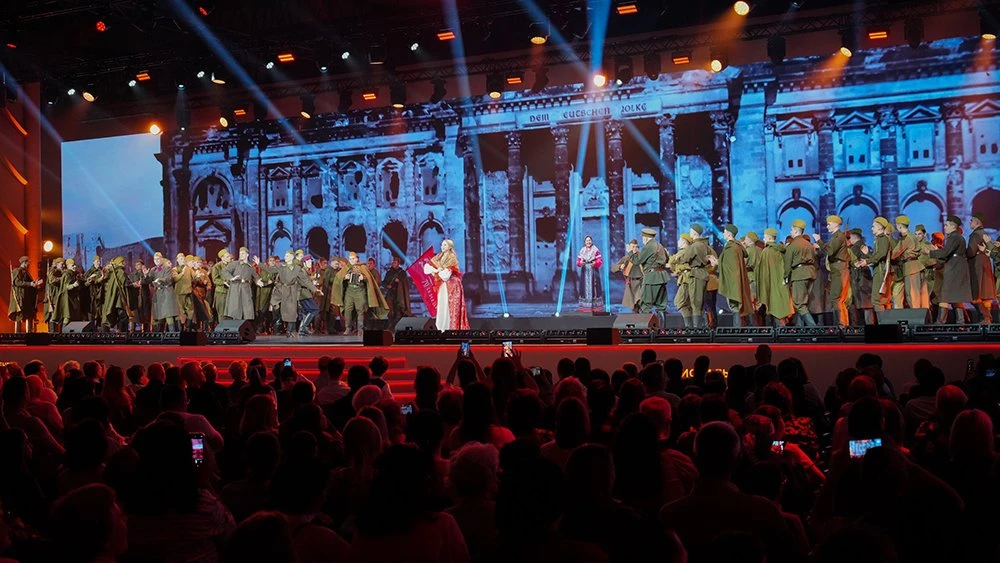
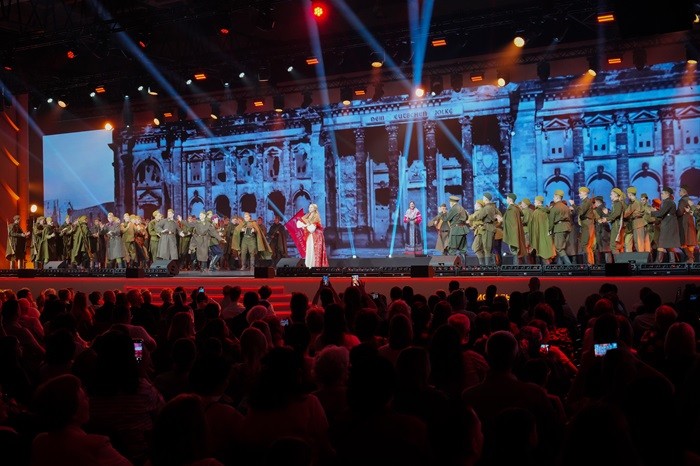
The production "Soldiers’ Dreams" became one of the central events in the National Centre RUSSIA festive programme marking the 81st anniversary of the Great Victory. The performance brought together more than 500 participants, including choirs and dance groups, drama actors, popular performers, children’s ensembles and a large costumed crowd scene. Modern technologies were used not for striking stage effects, but to immerse viewers as fully as possible in the atmosphere of the historical events on which the performance is based.