"Educational outreach raises the prestige of the scientific profession" — Alexander Mazhuga
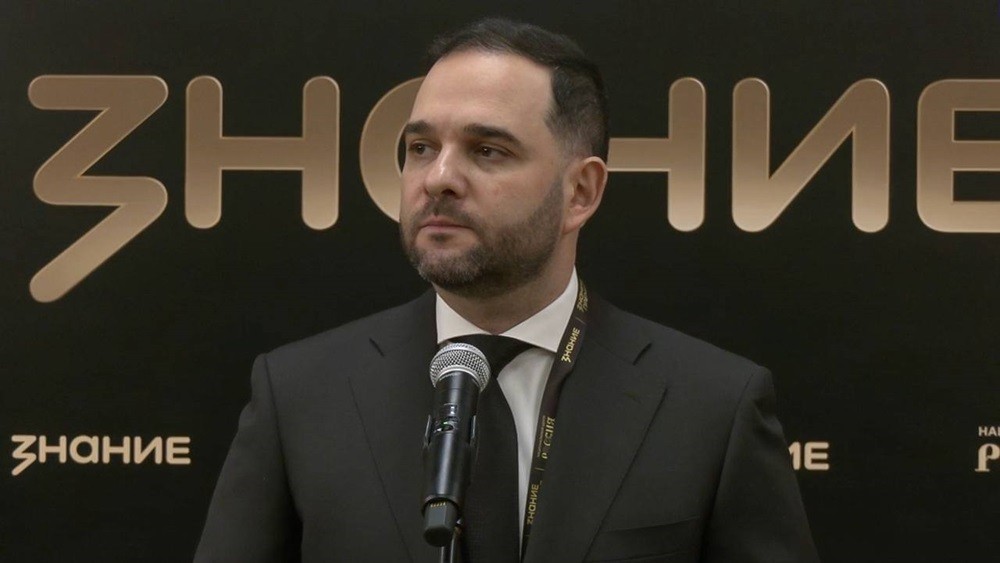
One of the key tasks of educators is to spark young people’s interest in research in order to strengthen the country’s technological sovereignty. This was stated by Doctor of Chemical Sciences, Professor of the Russian Academy of Sciences, First Deputy Chair of the State Duma Committee on Science and Higher Education, and Scientific Director of the D. I. Mendeleev University of Chemical Technology of Russia, Alexander Mazhuga, at the fifth Znanie.Award ceremony at the National Centre RUSSIA.
The scientist recalled that since 2022 Russia has been implementing initiatives within the Decade of Science and Technology aimed at several priorities: popularising science, attracting young people to research and applying scientific achievements for the benefit of society.
"It is very important that as many motivated people as possible choose a career in science, work to strengthen the technological sovereignty of our country and meet its needs across all sectors," said Alexander Mazhuga.
According to the scientist, interest in educational outreach has always existed in Russia. However, increased attention from the state has given this field additional momentum. On the one hand, efforts are aimed at raising the prestige of the scientific profession; on the other, they are focused on ensuring that the country’s economy is supported by modern technologies and scientific knowledge.
Alexander Mazhuga noted that public attitudes towards scientists have improved. This is reflected in surveys conducted by the VCIOM Analytical Centre, as well as data from the Russian Academy of Sciences and the Higher School of Economics. More and more parents say they would like their children to pursue careers in science.
"In many ways this is the merit of educators and science communicators. The number of young people working in science is growing. About half of researchers are under the age of 40. Interest in the scientific profession and its prestige are increasing," Alexander Mazhuga is certain.
Scientists involved in educational outreach are distinguished by a rigorous approach to the issues they study. Specialists from other fields often help them communicate the value of research and discoveries more clearly. "When speaking in professional terminology, a scientist cannot always explain a particular phenomenon in simple terms. Journalists, bloggers and actors help with this. Such collaborations are key to the successful popularisation of scientific knowledge," Alexander Mazhuga emphasised.
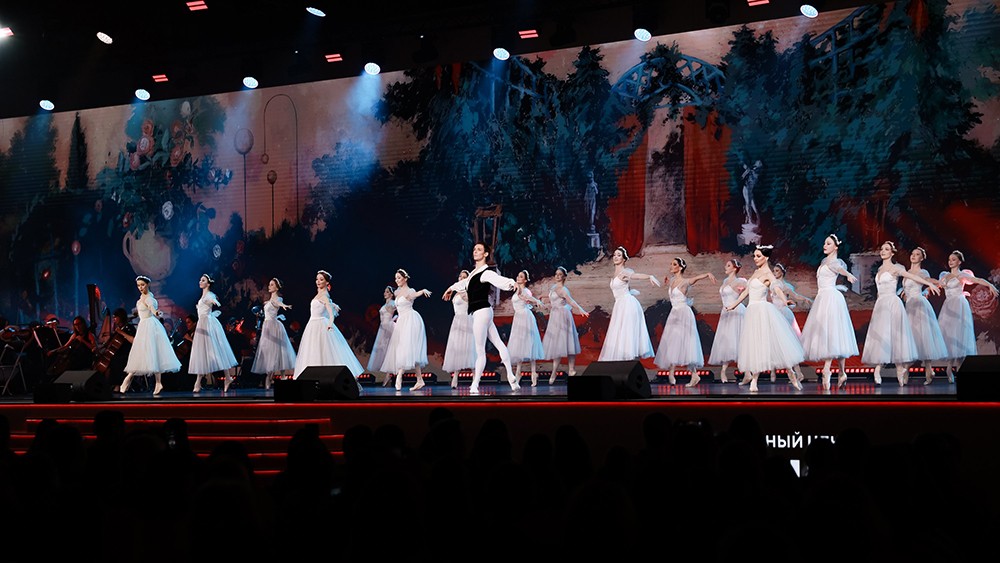
The Znanie.Award ceremony — the country’s educational prize and the flagship project of the Russian society Znanie — took place on 3 March at the National Centre RUSSIA. During the event, the names of 32 laureates in 18 categories were announced.
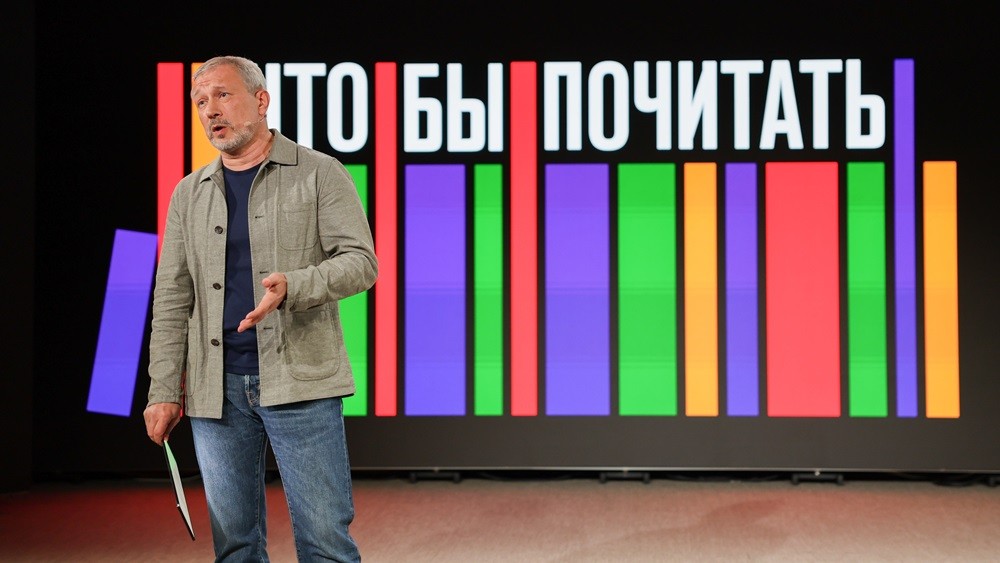
Women’s literature as a cultural phenomenon.
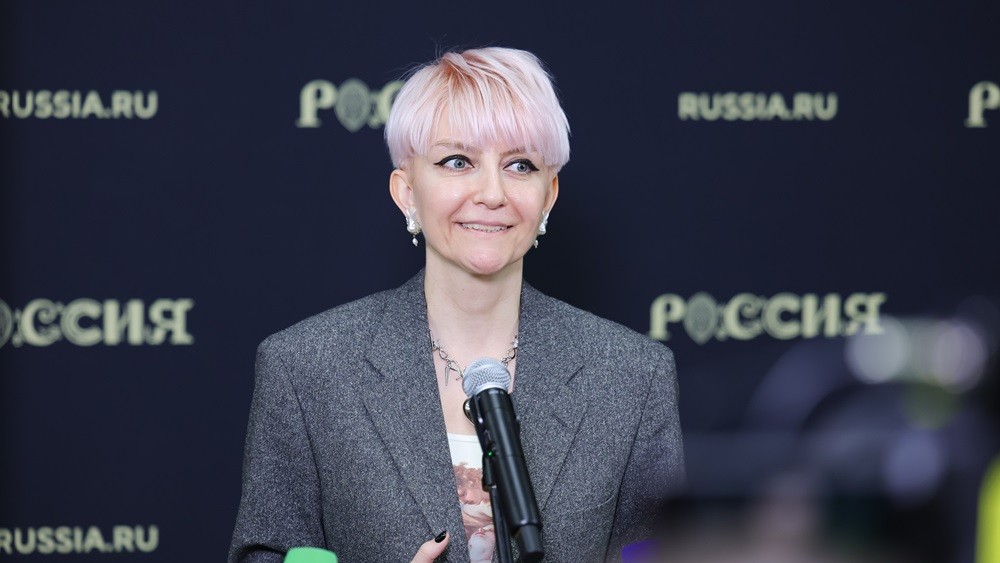
Why the famous tours of the early twentieth century remain more relevant than ever today, and what role women played in the history of the "Russian Seasons".