Samovar and piala: what unites the tea traditions of Russia and Uzbekistan
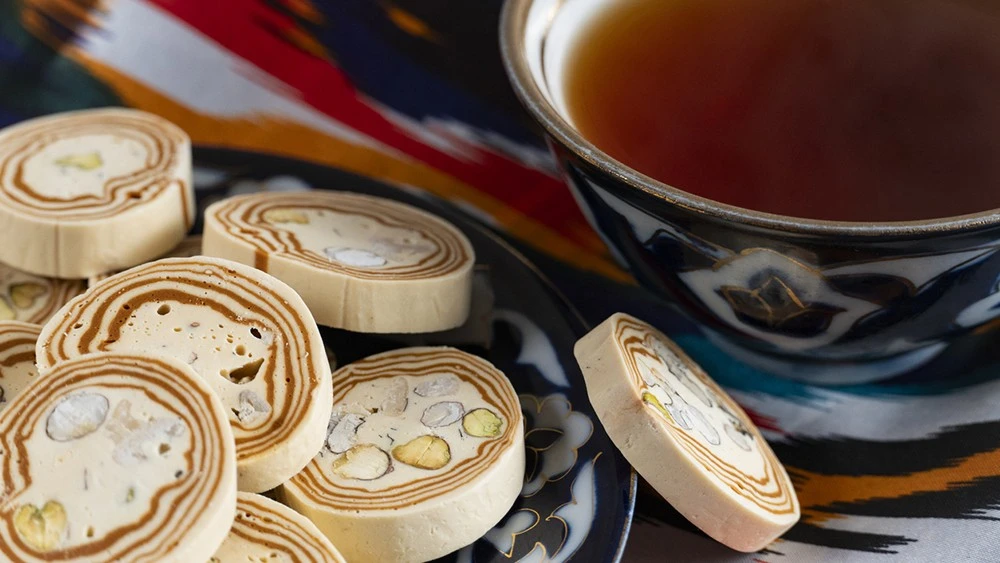
Tea in Uzbekistan is not just a way to quench thirst. It is
a meaningful ritual, a reflection of centuries-old wisdom and, perhaps, one of
the quickest and most accurate ways to experience the culture of the people. If
you are invited for tea, it means that hearts are open, there is a readiness
for a sincere conversation and even for future cooperation.
A drink as a philosophy of life
In Uzbekistan, tea is drunk from pialas — small, wide bowls
without handles. They are filled to one third or halfway so that the drink
cools more quickly to a comfortable temperature. At the same time, Uzbek tea
drinking does not tolerate haste: tea is enjoyed slowly, savoured. Each sip is
mindful, and in this rhythm lies life itself. Tea is also a perfect occasion
for unhurried conversation. At the festive table — the dastarkhan — people may
discuss news, business and family matters.
Black or green?
The choice of tea largely depends on the season and
location. In summer, green tea is preferred as it quenches thirst better,
refreshes and cools. Black tea is mostly consumed in the capital and from time
to time in winter. Guests may be offered both varieties and given the freedom
to choose.
If the host wishes to show particular respect, the piala
will be filled slightly below the rim so that it can be comfortably held
without burning the hands, while also encouraging the guest to ask for another serving
more often. Tea is often brewed with cardamom, cinnamon and other spices, and
is accompanied by sweets — dried fruits and confectionery.
Uzbek tea traditions and Russian hospitality: what do they
have in common?
In both Russia and Uzbekistan, tea drinking is always for
"one’s own ". It is a sign of trust and a special art of slowing down
in order to spend time with loved ones. The Russian samovar and the Uzbek
teapot symbolise the same values — home, warmth and openness to the world. It
is no coincidence that many Russian writers who lived in Uzbekistan spoke
warmly of local teahouses, where people of different backgrounds and
nationalities would meet as equals.
A tea route into the future
From 20 to 22 April, Tashkent will host the International
Industrial Trade Fair "INNOPROM. Central Asia". The National Centre
RUSSIA will take part, and this, too, will become a kind of "tea gathering
". After all, business negotiations, meetings and the exchange of
experience require the same unhurried pace, attentiveness to one’s counterpart,
and respect for their culture and traditions.
At the exposition, the Department Store RUSSIA will present
famous Tula samovars — one of the symbols of the country’s tea culture. Guests
will also be able to discover original tea blends from the Moscow Region, where
the traditions of tea drinking from different peoples of the country
intertwine, and taste hand-picked herbal teas from the Republic of Khakassia,
created according to recipes developed with the participation of biologists and
pharmacists.
As part of the event, the National Centre RUSSIA will
present its flagship project, the Department Store, bringing together the best
products from Russian manufacturers across different regions. The exposition
will be designed in a merchant-style aesthetic, highlighting the cultural
affinity between Russia and Uzbekistan. The panel discussion "Dialogue of
Generations: Tradition as a Fashion Trend", organised in partnership with
the National Centre RUSSIA, will demonstrate how cultural identity becomes a
competitive advantage and how distinctive brands build bridges between
countries.