Siberian sturgeon at the "Geography Lessons": a contemporary of the dinosaurs at the National Centre RUSSIA
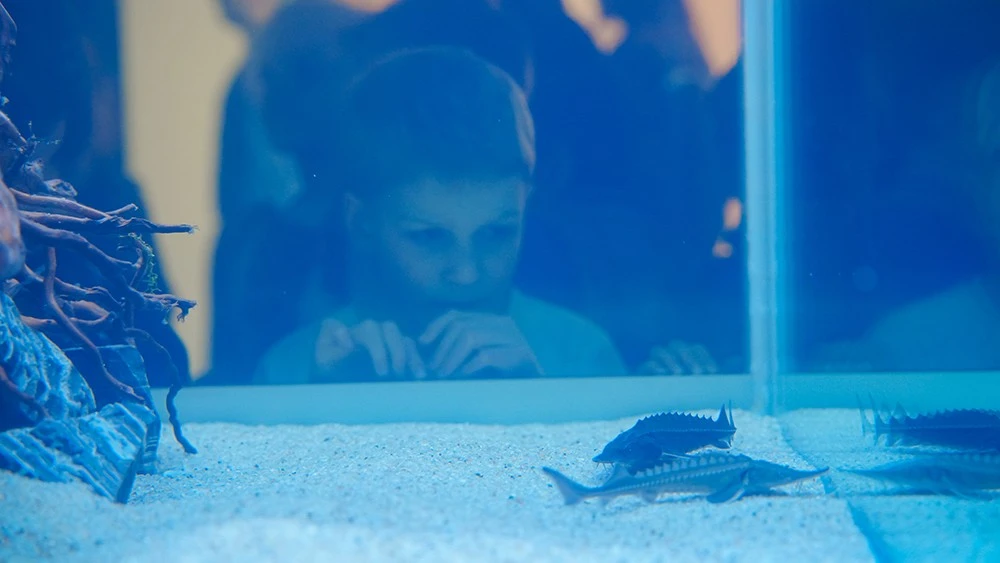
Visitors to
the "Geography Lessons" exposition can discover not only antique maps
and atlases, but also representatives of the animal kingdom. In the
"Resources. Gifts of Geography" hall, guests are especially drawn to
the aquarium housing sturgeon. Children and many adults linger by the glass,
fascinated as they watch the fish glide through the water. The sturgeon is far
from an ordinary river inhabitant: it is a rare witness to the planet's ancient
history and a species that today requires special protection.
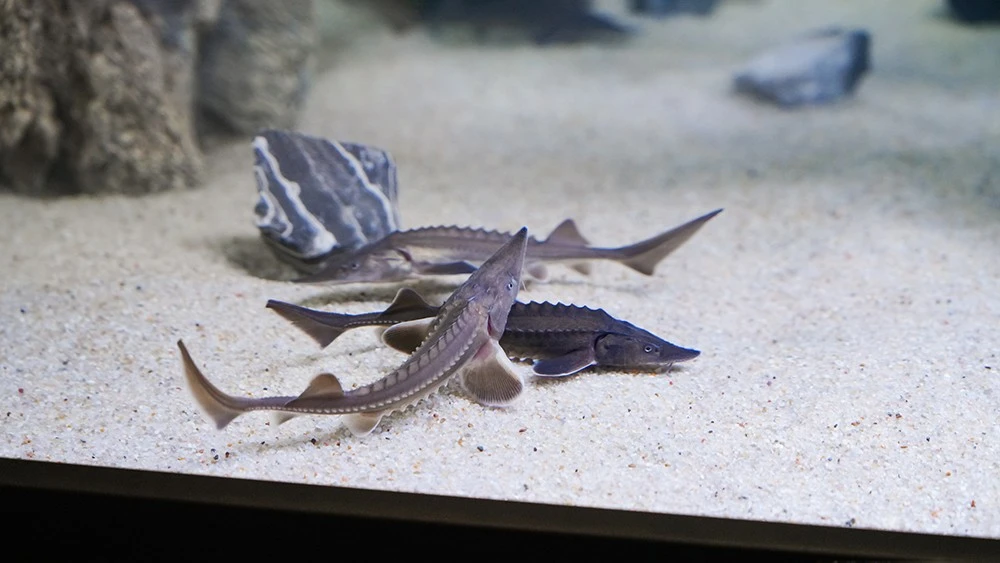
The
Siberian sturgeon is a contemporary of the dinosaurs. It first appeared more
than 200 million years ago and has changed very little since then. Unlike most
fish, it does not have a conventional bony skeleton. Instead, its skeleton is
made of cartilage, much like that of a shark. Its body is covered not with
scales, but with bony plates, which is why the Siberian sturgeon is often
compared to a knight in armour.
Fish of
this genus have poor eyesight but an exceptional ability to detect prey using
their whisker-like barbels. They "feel" their way along the riverbed,
locating food that other species might overlook. Their roe is among the most expensive
food products in the world, earning it the nickname "black gold." If
a river is home to sturgeon, it is a sign that the river is healthy. Yet the
species itself is highly vulnerable: sturgeon grow slowly, can live for 60
years or more, and reach maturity relatively late.
Sturgeon
survived the dinosaurs and the Ice Ages, but today the future of this species
depends largely on humanity's responsible attitude towards rivers, fishing
practices and ecosystems as a whole. The Siberian sturgeon is listed in the Red
Data Book of the Russian Federation.
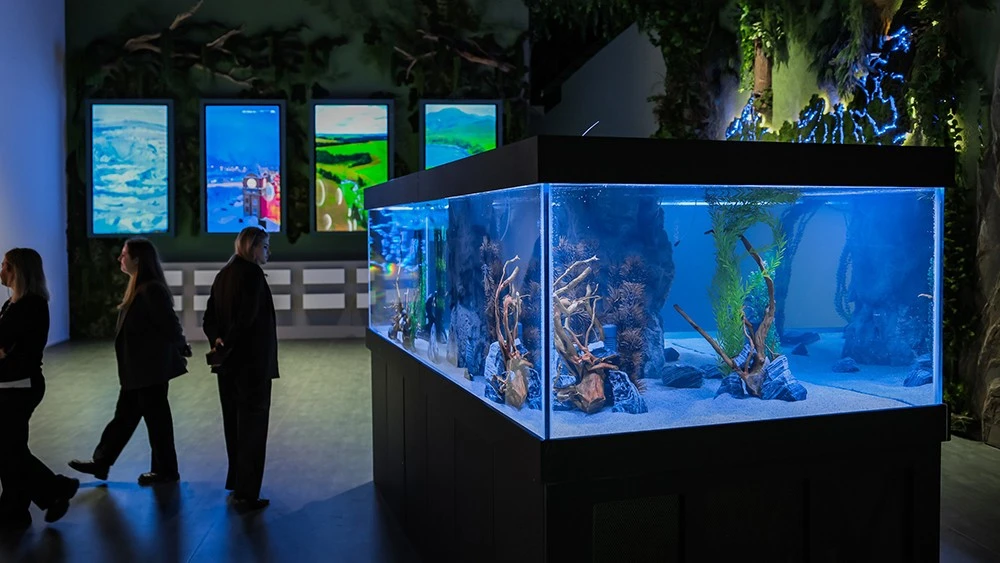
The
"Resources. Gifts of Geography" hall presents the country's principal
types of natural resources: water, forests and minerals. Geological maps,
deposit schemes, and samples of minerals and natural resources demonstrate the
richness of Russia's land. The section devoted to water resources reminds
visitors that Russia is one of the world's most freshwater-rich countries, from
its great rivers to its groundwater reserves and wetlands, which serve as
natural filters and reservoirs of moisture. Here, guests can explore Russia's
natural wealth and understand why the rational use of resources and the
protection of ecosystems are essential elements of geographical knowledge and
the country's sustainable development.
The
"Geography Lessons" exposition is an educational project of the
National Centre RUSSIA, created for children and their parents. Visitors can
see maps from different eras, discoveries from expeditions, multimedia
installations and exhibits such as a polar tent, all of which offer a fresh
perspective on geography as the story of people who dared to step into the
unknown.