


Mysteries of the ocean and the return of extinct species: experts discuss Earth's future at the National Centre RUSSIA
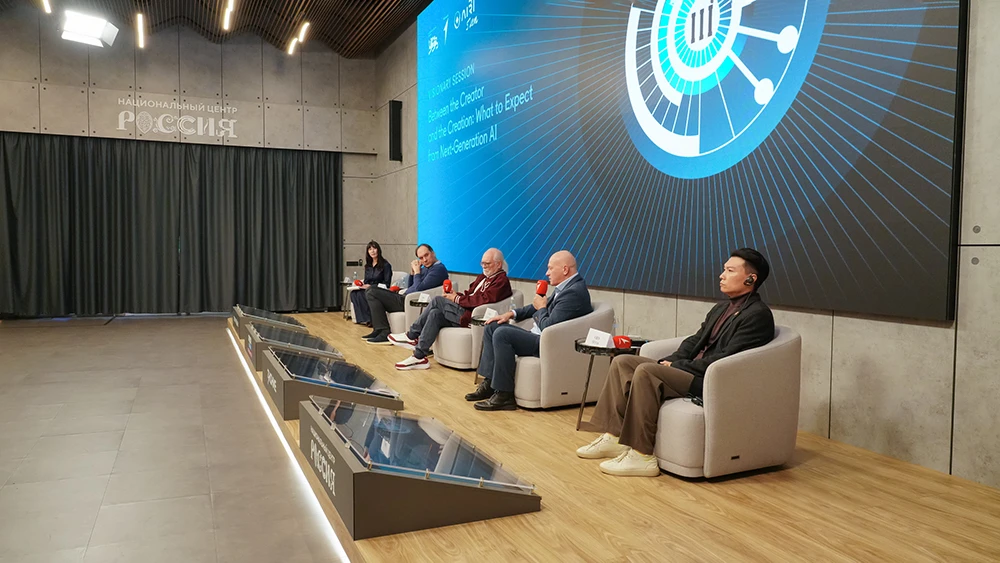
Experts and scientists from Russia, Chile, China and
Mauritius met on 12 November at the National Centre RUSSIA to discuss why ocean
research is essential to a sustainable future for Earth and whether bringing
back extinct species could help restore nature. The discussions were part of
the youth programme of the III International Symposium "Inventing the
Future".
The public talk "Big Questions: Why Explore the Depths of the Ocean?"
focused on one of Earth's least explored environments and a major frontier for
future discoveries. Alexander Semenov, a marine biologist, Director of the
Aniva Biological Station and Head of the Scientific Diving Service at Moscow
State University's White Sea Biological Station, noted that studying the ocean
is essential because its health can play a critical role in human life. The
ocean affects the planet's climate and atmospheric conditions, and food from
the seas and oceans feeds nearly half the world's population.
"The ocean is like outer space on our doorstep. Studying it could give us
new materials, new foods, antibiotics, anticancer drugs and much more. For
example, our new biological station on Sakhalin identified some extremely toxic
marine worms. They accumulate tetrodotoxin, the poison pufferfish are known
for. Scientists are already very close to developing new generations of
painkillers based on it that could replace opiates," said Alexander
Semenov.
Advances in technology and artificial intelligence are opening up new
possibilities for ocean researchers, said Eulogio Soto (Chile), Director of the
Centre for Coastal Ocean Observation and Analysis (COSTAR), a marine biologist
and a professor and researcher at the Faculty of Marine Sciences and Natural
Resources at the University of Valparaiso. Increasingly sophisticated
algorithms are already being developed to process and organise data on how the
underwater world is structured. Equally important, the Chilean scientist stressed,
are advances in miniaturisation, including smaller sensors that can operate at
extreme temperatures and under extremely high pressure, as well as technologies
for transmitting data over long distances.
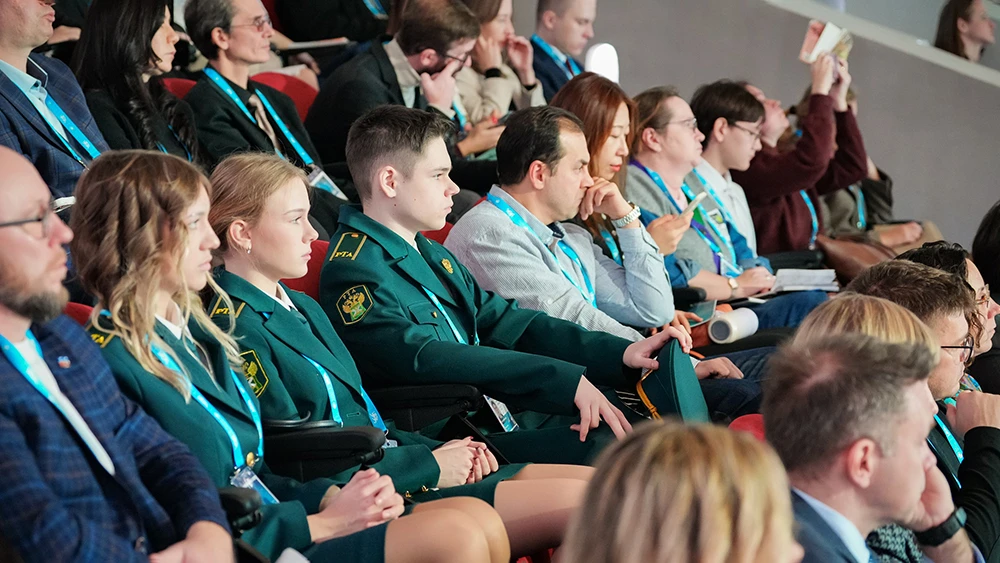
The public talk was hosted by Ivan Zatevakhin, a television and radio
presenter, creator and host of the popular science programme "Dialogues
About Animals", member of the expert council for the "Crystal
Compass" National Award and Candidate of Biological Sciences. He also moderated
the visionary session "Reviving Extinct Species: The Future of Nature in
the Age of De-Extinction". The session covered genome editing and
synthetic biology, fields that make it possible to study extinct species and
look for ways to protect threatened ecosystems.
Albert Protopopov, Scientific Director of the World Mammoth Centre project,
Doctor of Biological Sciences and Head of the Mammoth Fauna Research Department
at the Academy of Sciences of the Republic of Sakha (Yakutia), outlined
preparations for an ambitious project to bring back the woolly mammoth.
Researchers have begun isolating genes specific to the mammoth, helped by how
well the biological remains were preserved in Yakutia's permafrost. So far,
only 60 genes have been isolated. That figure needs to reach 2,000–2,500 for
the revived organism to be a mammoth in the full sense of the word.
"The mammoth is needed by both science and nature. In many ways, northern
ecosystems are still empty. They became much poorer after mammoths and other
animals of that era died out, and bringing those animals back could make Arctic
ecosystems more productive. Some also believe that the return of mammoths could
have a beneficial effect on climate processes," explained Albert
Protopopov.
Vikash Tatayah, Director General of the Mauritian Wildlife
Foundation (MWF), head of the Mauritian component of the dodo reintroduction
project and Doctor of Biological Sciences, shared plans for the joint project.
He recalled that the dodo was not the first animal species humans drove to
extinction, but its fate was what first prompted people to think about their
harmful impact on the environment.
There is now an understanding that bringing back the dodo could benefit the
environment. In the 300 years since its extinction, the ecosystem of Mauritius
and the surrounding islands has not "forgotten" the dodo, so the
birds could find a place there. The project faces serious technical and ethical
obstacles, however. At a recent congress on the subject, the scientific
community imposed a moratorium on practical work in this area.
Ni Minjing, Director General of the Shanghai Science and Technology Museum,
believes that studying extinct animals and potentially returning them to the
wild are two distinct matters. The benefits of research are clear, while putting
de-extinction into practice involves risks that cannot yet be fully assessed.
"It may be better to devote our time and effort to protecting animals that
are still here. Fifty years ago, for example, there were only about a thousand
pandas left in China, and the species was on the brink of extinction. China
created a large national park and invested resources, and we now have 2,500
pandas. When we consider bringing back a lost species, we also need to think
about how to recreate its ecosystem. That is the only way decisions like these
can bring real benefits to humanity," emphasised Ni Minjing.
At the end of the session, the experts discussed a shortlist of promising
de-extinction projects. Alongside mammoths and dodos, it could include
Steller's sea cow, a marine mammal, as well as some beaver species and extinct
pigeon species.
The III International Symposium "Inventing the Future" was held on
12–13 November at the National Centre RUSSIA and brought together more than
8,000 participants from 109 countries, including Germany, Greece, India, Egypt,
China, Colombia, the United States, Ethiopia, Ecuador, South Africa, South
Korea and many others. The event was organised at the direction of the
President of the Russian Federation, Vladimir Putin, under the auspices of the
Decade of Science and Technology, with the support of the Russian Ministry of
Foreign Affairs and the Ministry of Science and Higher Education.
Writers from Russia and China discussed how science fiction ideas take shape and what literature is warning us about today.
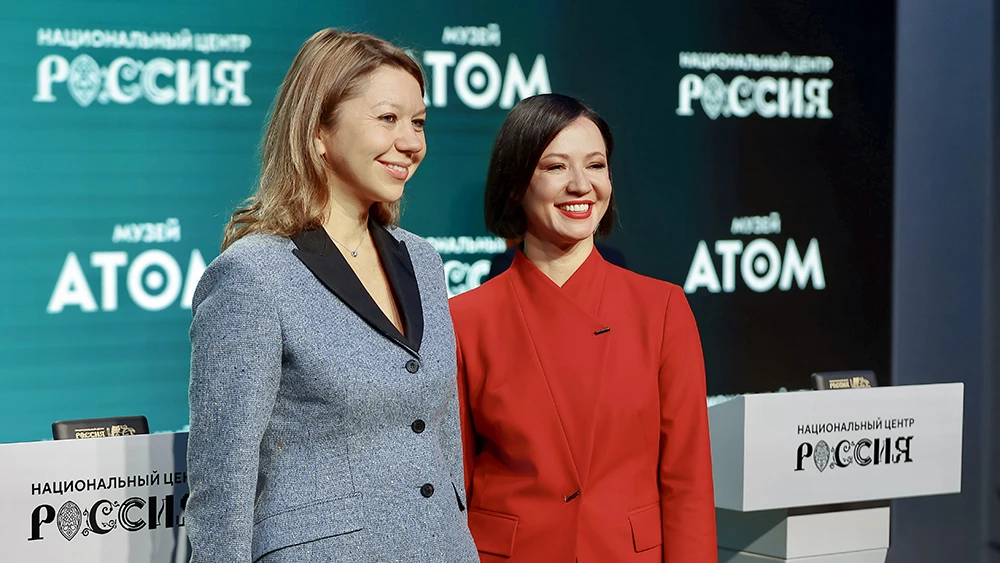
The National Centre RUSSIA and the ATOM Museum have agreed to work together on educational, cultural and leisure projects.
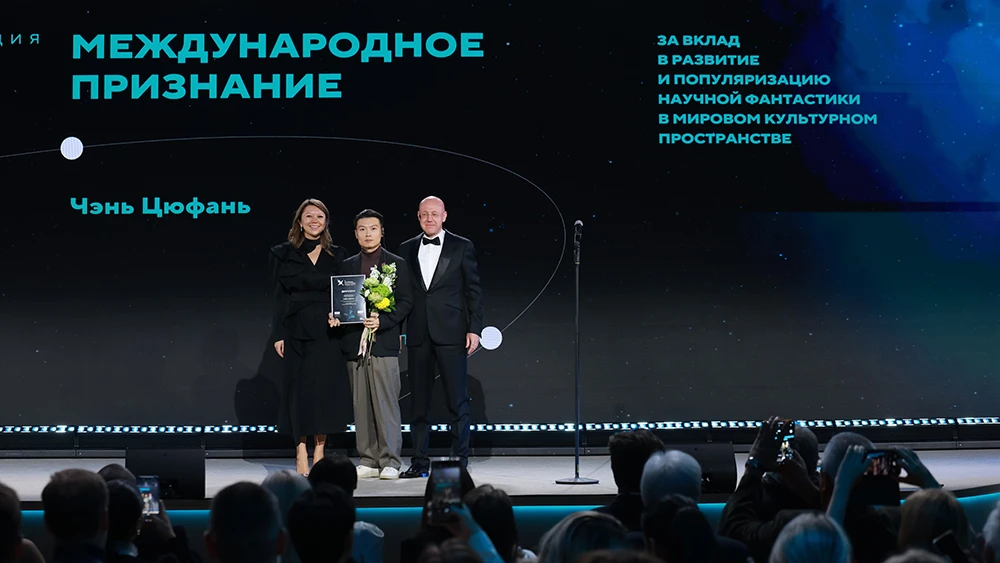
The ceremony for the II All-Russian Science Fiction Literary Award was held on 13 November at the III International Symposium "Inventing the Future".


