

Visitors to the "Khorovod" exposition at the National Centre RUSSIA will see dancing robotic arms
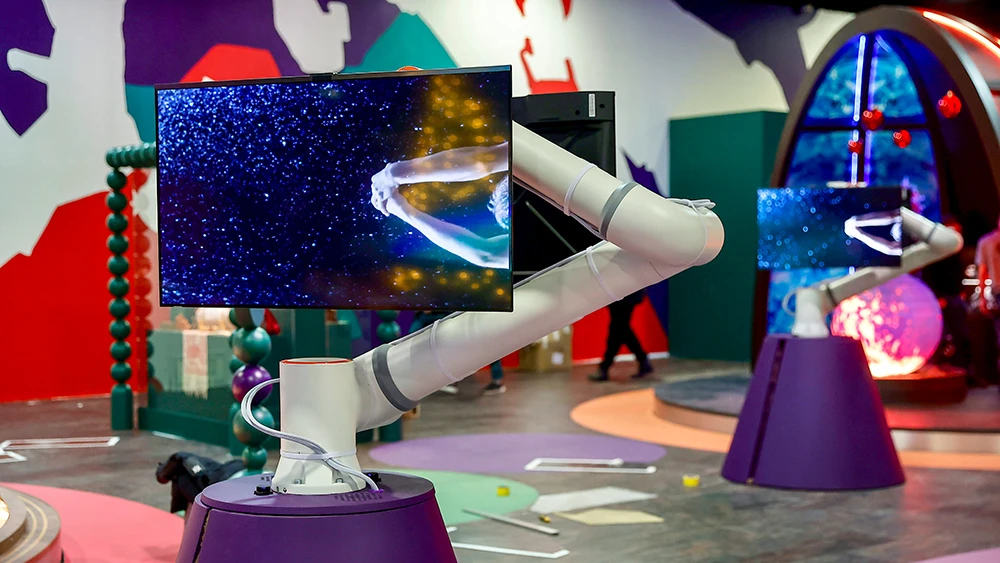
Art, engineering and modern technology will come together in an unusual project at the "Khorovod" (Round Dance) exposition, which opens at the National Centre RUSSIA on 1 December: nine industrial robotic arms will become dancers in their own right. The renowned Russian choreographer Vyacheslav Samodurov has choreographed their movements, and what makes the project unique is the way the dance itself was created.
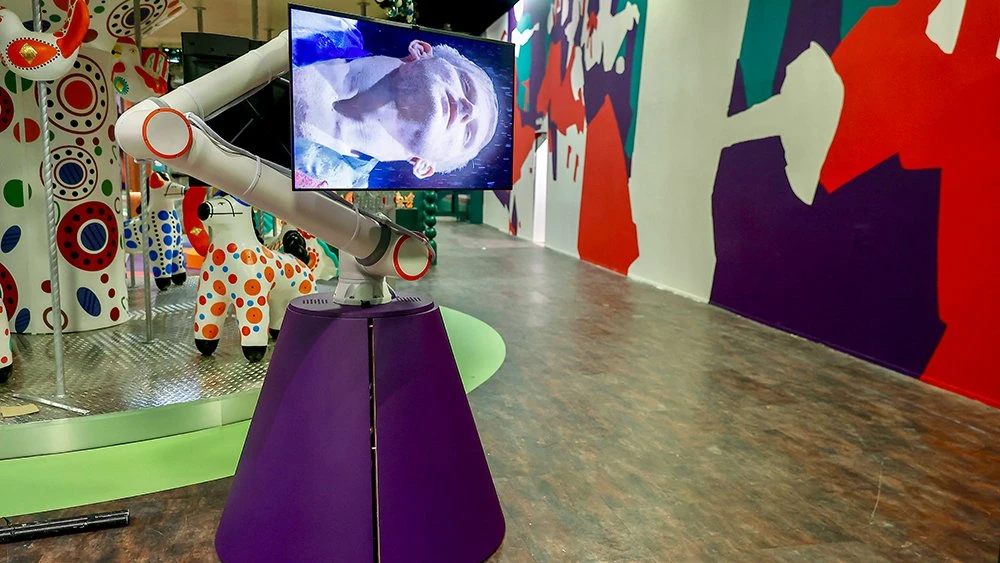
Russian developers replaced conventional robot programming with special software that lets the choreographer control the robots' movements directly. He uses a mechanical controller, a miniature replica of an industrial robot. Vyacheslav Samodurov moves it as if operating a puppet, and the robotic arms mirror his movements. The dance thus grows out of the choreographer's hand movements without the need to code the steps, turning the robots into an extension of his creative vision and bringing the language of contemporary choreography into industrial robotics.
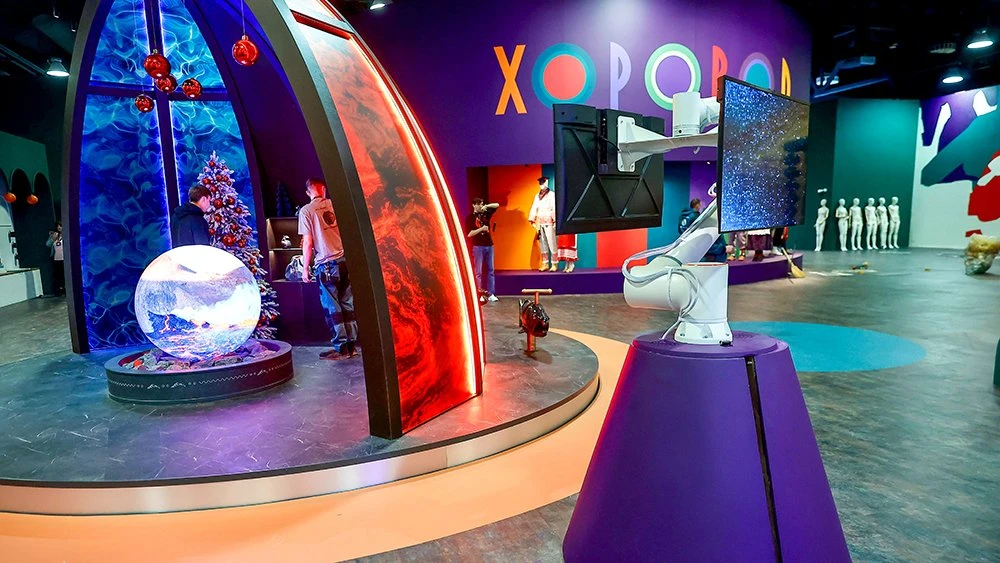
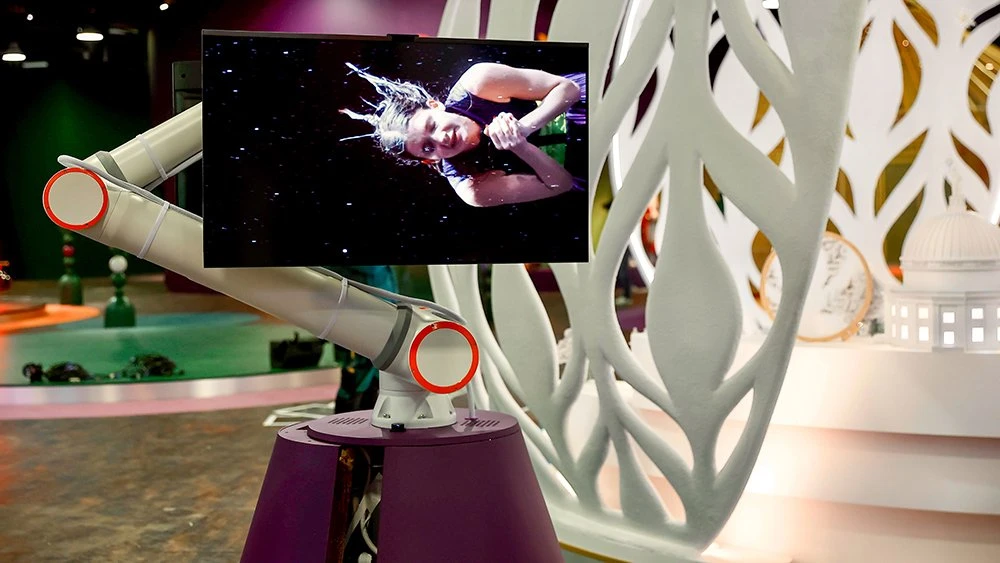
"The robotic arms are positioned throughout the exposition space. Each has two digital screens that form part of a large-scale kinetic composition. They will show dance footage created specifically for the exposition. The footage will also link to the panoramic cinema, where visitors will see a video composition that Vyacheslav Samodurov also created for the project," said the technical director of the "Khorovod" exposition, Vadim Zorin.
The robots will follow preset paths and synchronise with one another, repeating rhythmic movements that resemble a group dance. Their movements will leave visitors free to move around the exposition. Lidar and other sensors detect when people approach, prompting the robots to slow down and change position to avoid contact and give visitors a chance to look closely at the images on the screens.
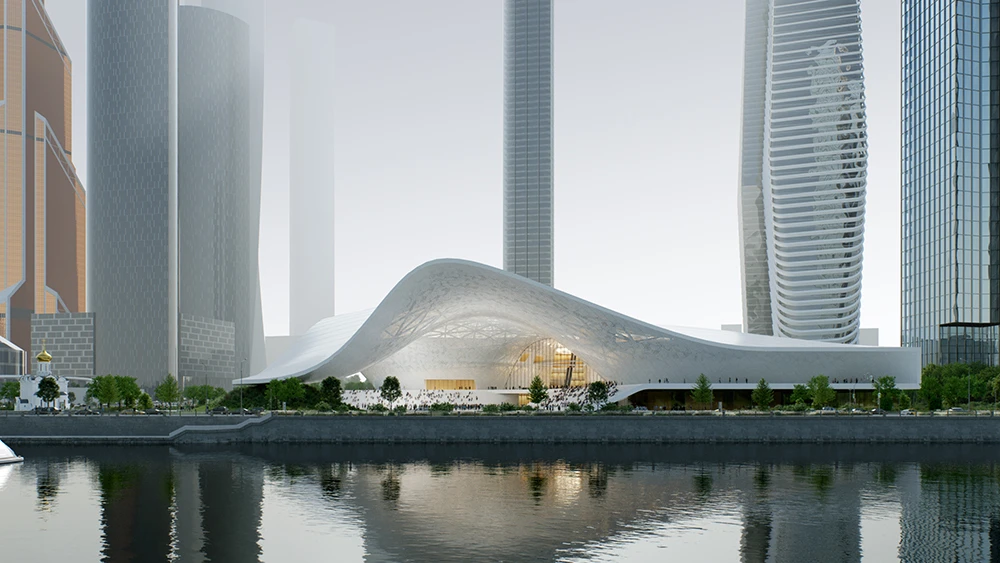
The "Khorovod" exposition will run at the National Centre RUSSIA from 1 December to 4 April 2027. It will bring together the history, traditions and contemporary images of Russia's regions. At the heart of the concept is the round dance, an important symbol of Russian culture that has long accompanied celebrations, the changing seasons and major milestones in people's lives. Today it represents unity, mutual support and moving together while each participant retains their individuality.
The regional displays are mounted on separate rotating platforms, allowing visitors to discover the country's cultural diversity through unique ethnographic materials, historical artefacts and works of folk art. Pieces from the imperial jewellery collection sit alongside Dymkovo toys, Koryak carvings and other examples of the distinctive cultures of Russia's regions. A large-scale mural by Perm artist Vladislav Ens ties the whole space together. A particular highlight is the multimedia composition by choreographer Vyacheslav Samodurov, set to music by composer Dmitry Mazurov and shown in the panoramic cinema on a screen 3.5 metres high.
Visitors will be able to explore the exposition and take part in the action themselves. At the centre of the space is an interactive installation shaped like a traditional spinning top, whose speed depends on the visitors. As with all events at the National Centre RUSSIA, admission is free and advance registration is required.
Having another opportunity to express love and gratitude to those closest to us is an important part of family and social traditions.
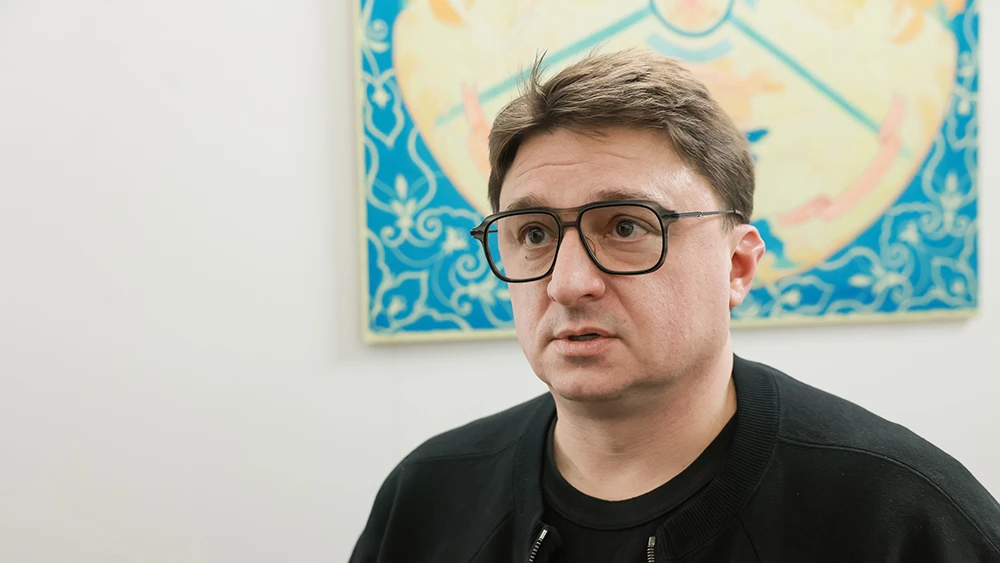
Ahead of Mother's Day, which falls on 29 November this year, actor Maxim Lagashkin visited the National Centre RUSSIA and shared his views on family celebrations.


