"A Geography lesson that goes into space": aerospace engineer on stars, maps, and asteroids
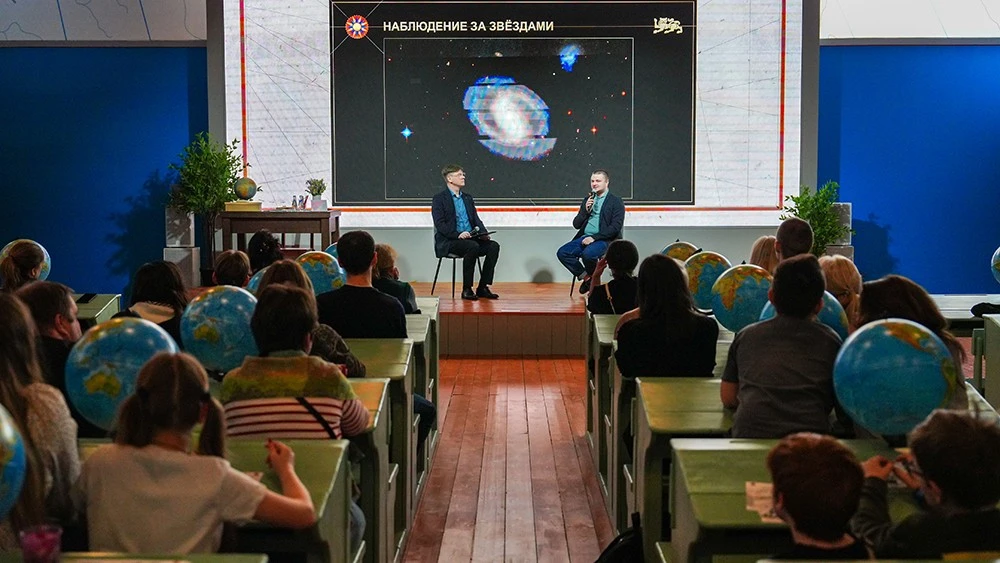
What do ancient navigators and modern "asteroid hunters" have in common? Both had to navigate while in motion, as objects are never stationary. This and other topics were the focus of the second session of the original project "Exploring Russia" by the National Centre RUSSIA. The lecture "Through Thorns to the Stars: Extraterrestrial Cartography" was delivered by aerospace engineer Denis Prudnik.
"Despite geography and space seeming not so closely connected in our perception, in reality this connection is very deep: much of what is being developed today became possible thanks to satellite technologies. That is why the lecture turned out to be especially interesting — we discussed extraterrestrial cartography, the principles of spacecraft navigation, who first began observing the stars and why humanity strives to do so, and also touched on futuristic aspects," said aerospace engineer, space communicator, founder of the blog "Space for All," lecturer at the Russian society Znanie, and VK TechProsvet project ambassador, Denis Prudnik.
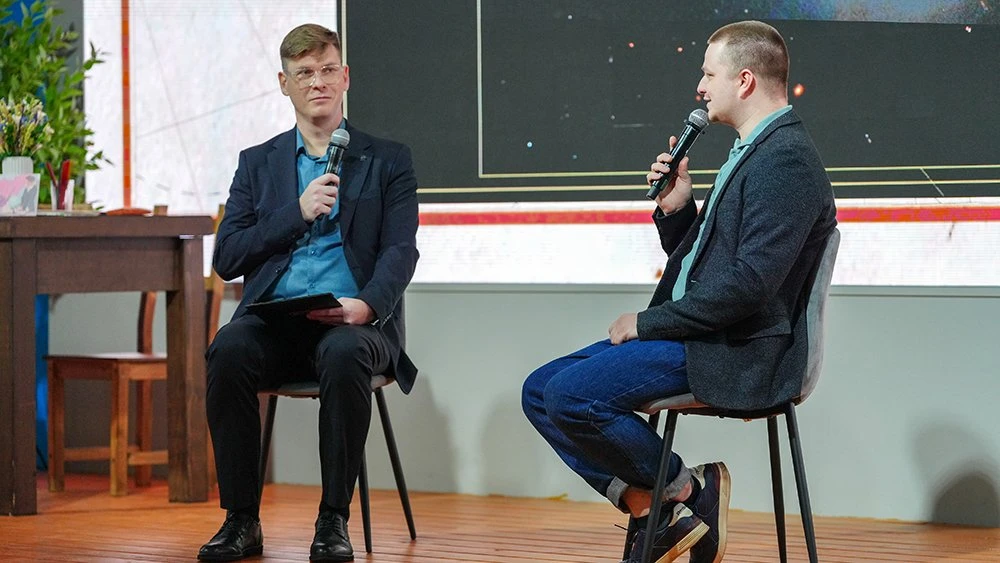
The expert not only introduced the audience to the history of observing celestial bodies, but also explained why asteroids are currently at the centre of scientific attention. Using examples from real space missions such as Osiris-Rex and DART, he showed how maps are created "on the fly". A separate part of the lecture was devoted to calculating trajectories in the event of a potential collision threat with Earth.
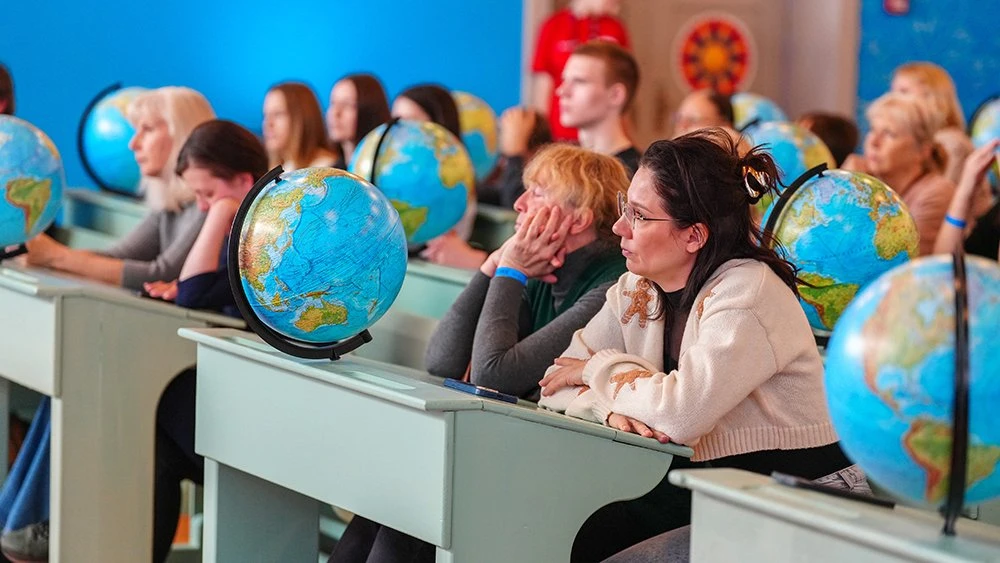
The final part of the session transported the audience into the future, where familiar static images are replaced by real-time 4D models, and artificial intelligence learns to independently "read" extraterrestrial landscapes. The audience reflected on what this could mean for cartographers and for anyone who might one day travel beyond Earth's orbit.
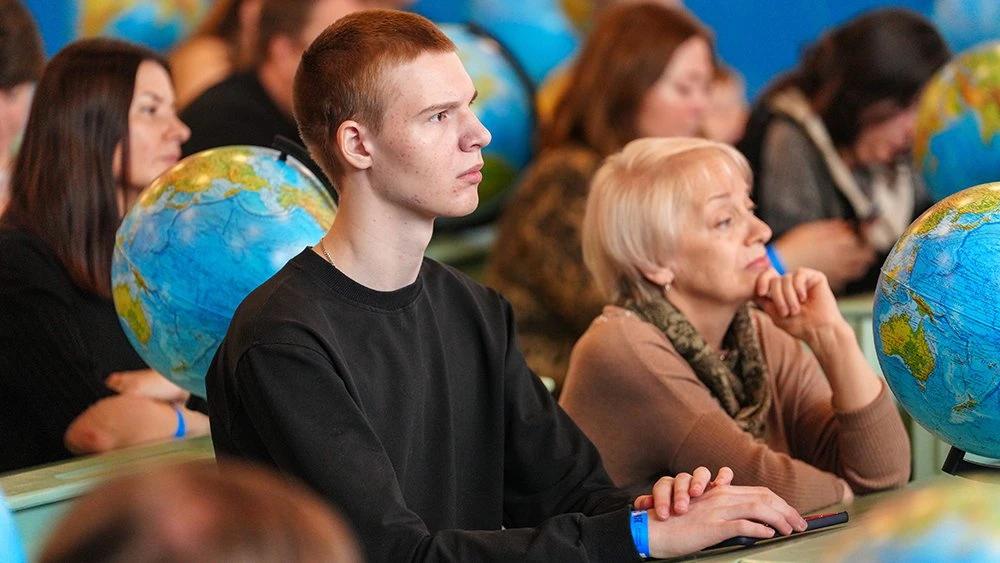
The lecture took place in the "Geography Classroom" hall, designed as a mid-20th-century schoolroom and recreating the atmosphere of a real school lesson.
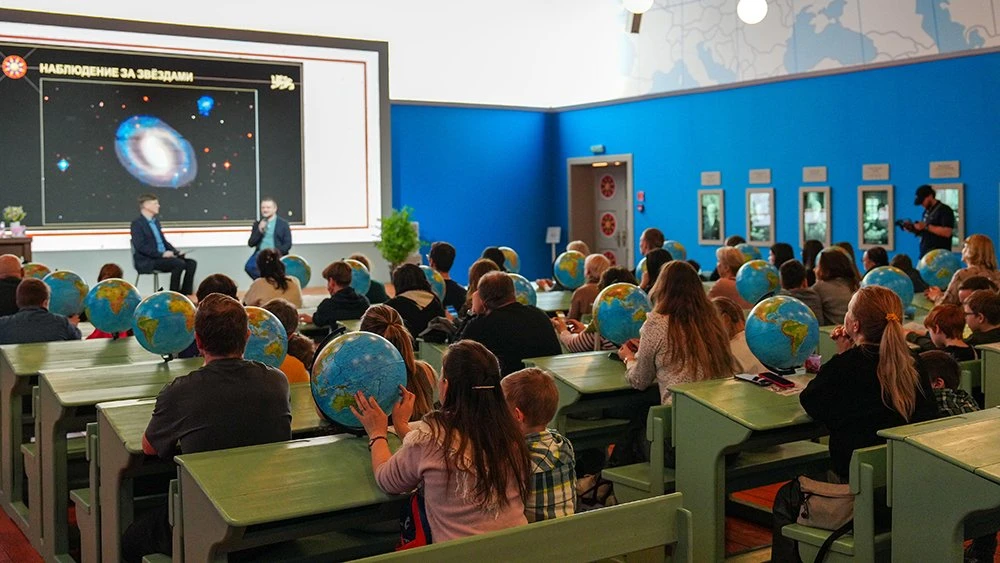
"The classroom format, on the one hand, makes the audience behave a bit like school students. In class, you need to be attentive, raise your hand, and answer the teacher's questions. On the other hand, it allowed the attendees to take a creative approach to the topic discussed. It turned out to be a very productive and great atmosphere in every sense of the word, so I thank all the listeners. And for anyone who talks about our achievements and science, the National Centre RUSSIA is one of the most beloved spaces, so I will be happy to come here much more often," concluded Denis Prudnik. After the lecture, the moderator gave the audience the opportunity to ask any questions they had.
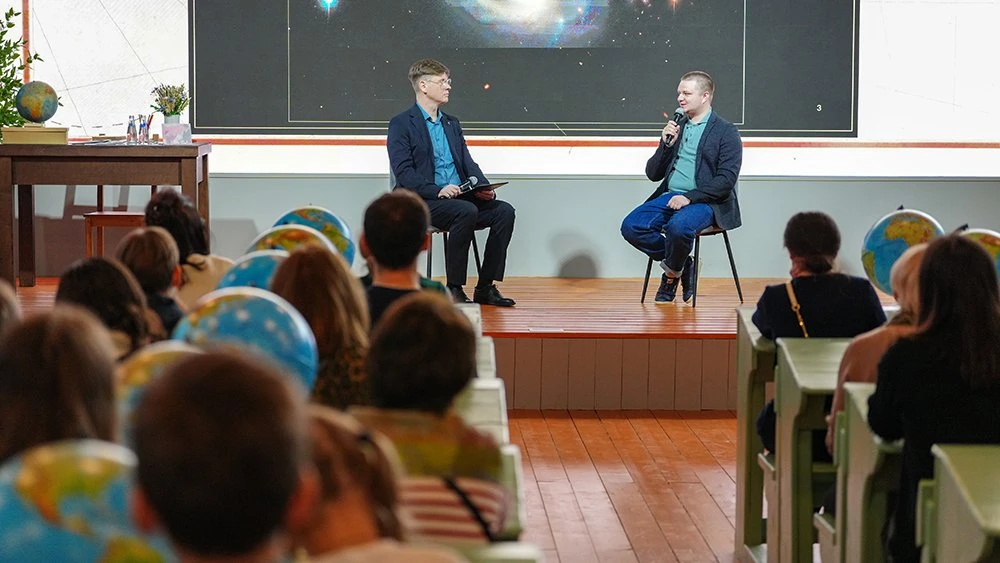
The "Exploring Russia" project launched on 5 April. This original series prepared by the National Centre RUSSIA, and dedicated to the exposition "Geography Lessons," confirms that geography is a fascinating exploration that goes far beyond our planet and is accompanied by high-tech solutions, new historical mysteries, and unexpected answers. The programme includes lectures and hands-on workshops, combining fundamental science with an edutainment format.
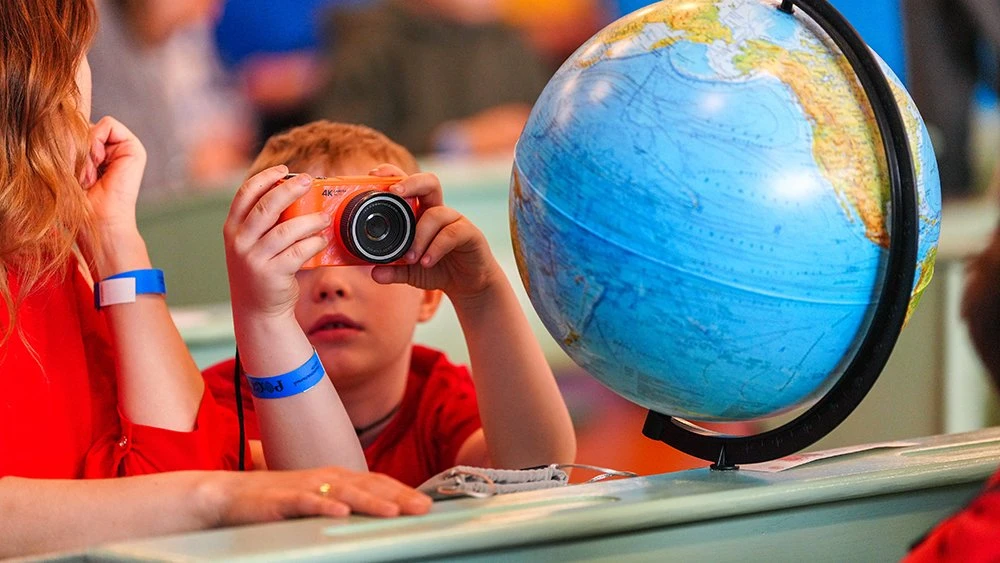
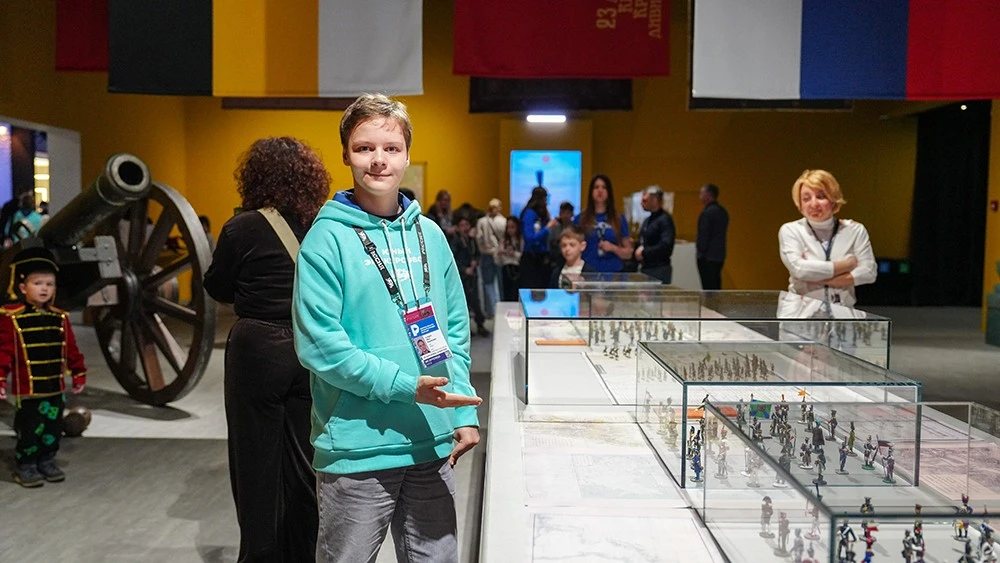
The "Geography Lessons" exposition aims to promote geographical knowledge, foster patriotism, and encourage interest in Russia's multicultural diversity. The exposition of this original project of the National Centre RUSSIA includes unique cartographic treasures from leading repositories in the country: the Russian State Library, the Russian Geographical Society, major universities, and scientific centres. The exposition is designed for family audiences and schoolchildren aged 9–16, and will run until 9 July. Admission is free, but prior registration is required on the website russia.ru.