


Education issues discussed at a branch of the National Centre RUSSIA
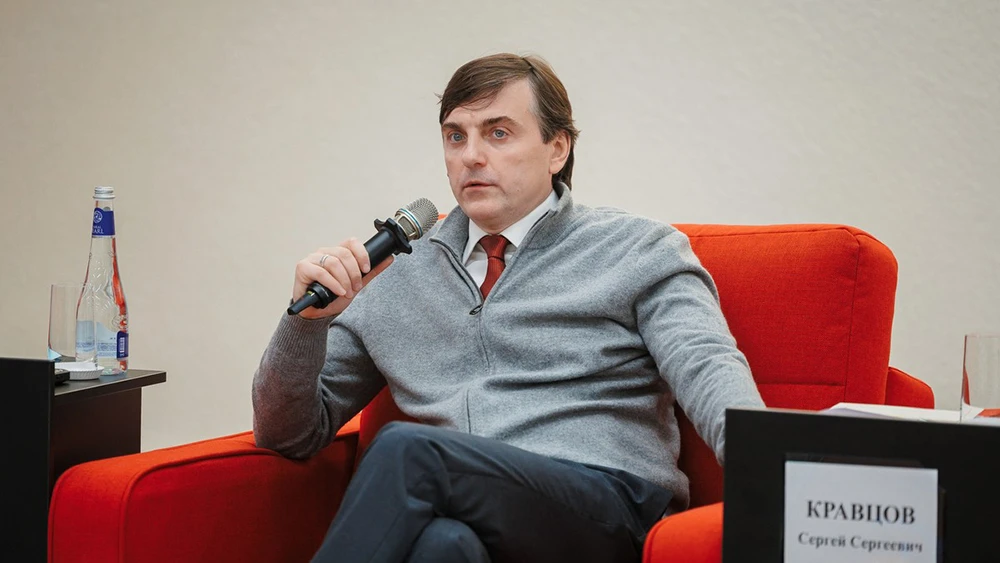
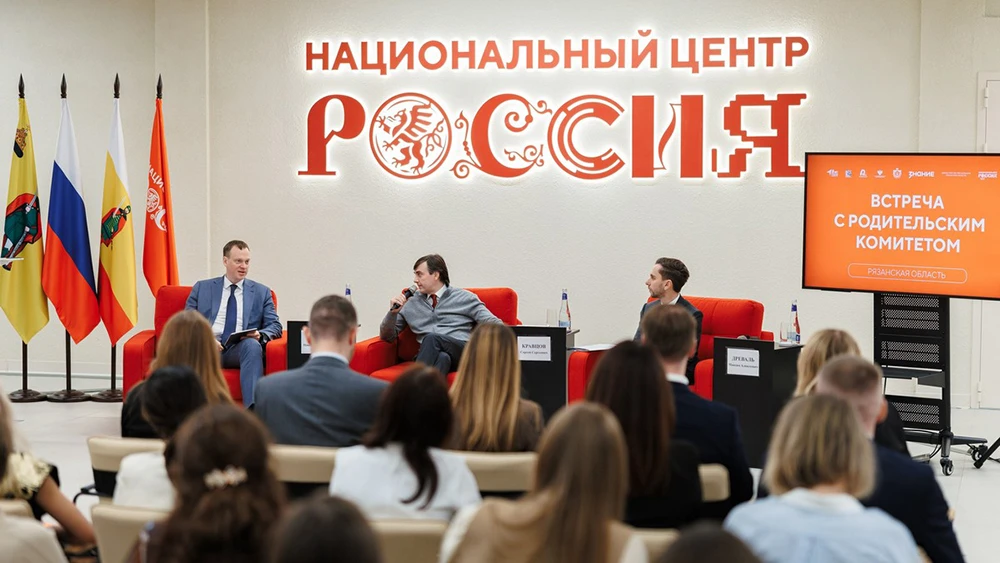
On 20 November, the Minister of Education of the Russian
Federation, Sergei Kravtsov, and the Governor of the Ryazan Region, Pavel
Malkov, met with representatives of the regional parents' committee at the
branch of the National Centre RUSSIA in the Ryazan Region. The open dialogue
focused on current issues in the development of the education system,
children's upbringing and their safety.
Also attending the meeting were Igor Yurgin, Director of the Department for
State Policy on Upbringing, Supplementary Education and Children's Recreation
at the Russian Ministry of Education and Hero of the Russian Federation, Maxim
Dreval, Director General of the Russian society Znanie, Artyom Branov,
Vice-Governor of the Ryazan Region, Natalia Suvorova, Deputy Chair of the
Government of the Ryazan Region, Svetlana Popova, the region's Deputy Minister
of Education, and Zoya Kharlina, Chair of the regional parents' committee.
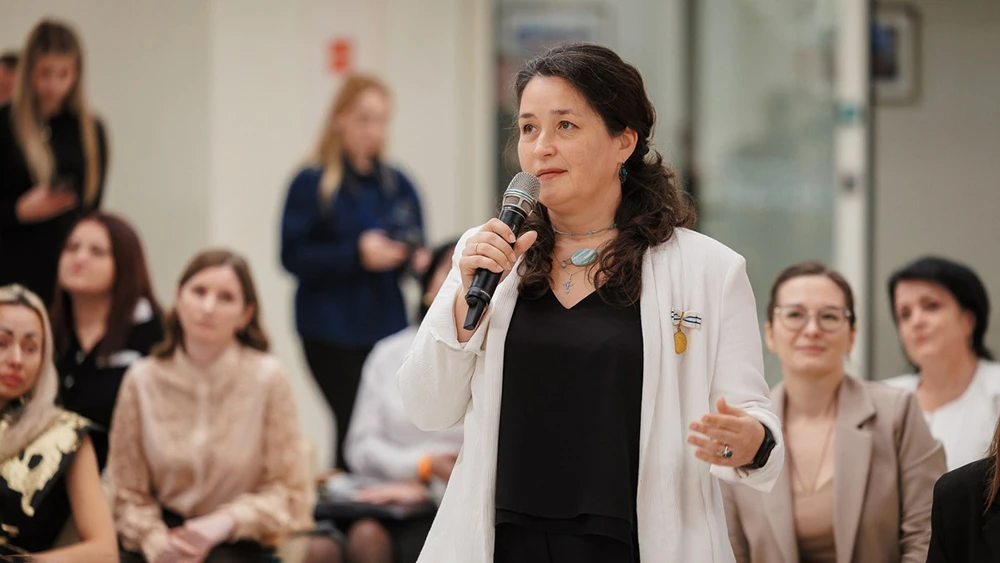
The open dialogue gave parents a chance to speak directly to federal and regional officials and discuss decisions that affect the daily lives of schoolchildren and their families.
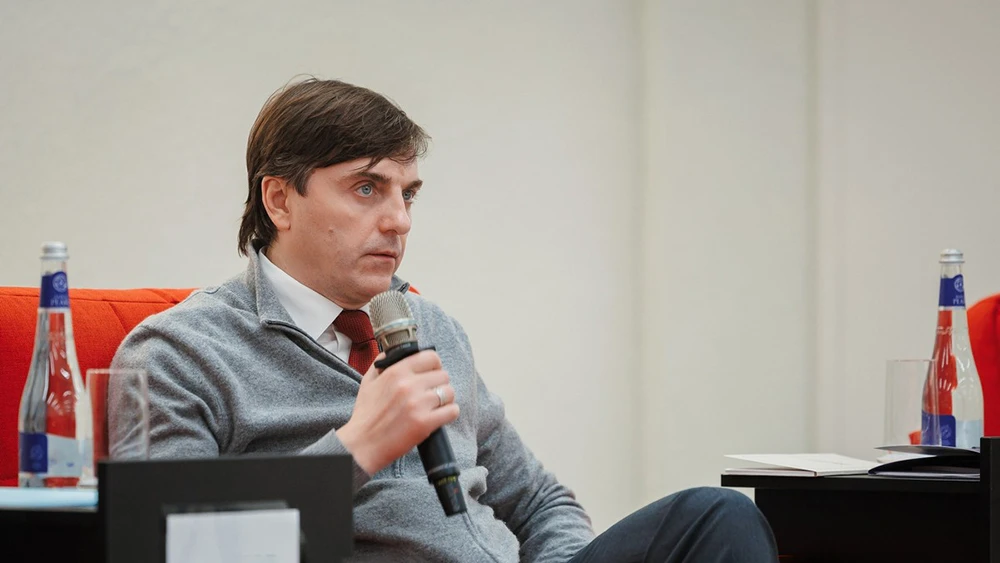
"It's important for us to do more than simply keep the parent community informed about the decisions being made. We need to involve parents in the discussion, take their proposals into account and set priorities for future work together. I'm confident we share a common goal: to create the conditions for every child to fulfil their potential, receive a good education, find their vocation and look to the future with confidence," said the Minister of Education of the Russian Federation, Sergei Kravtsov.
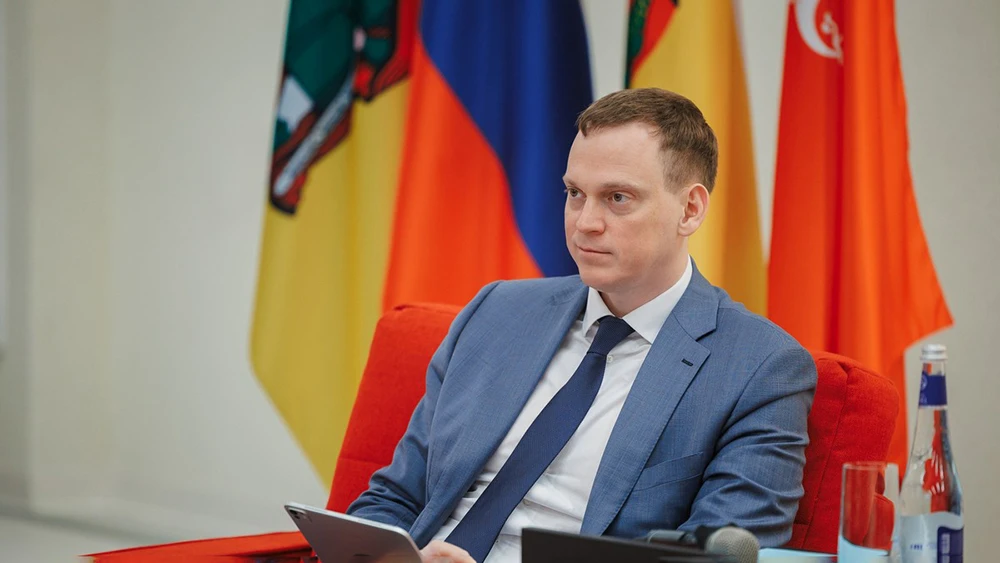
Governor Pavel Malkov stressed that developing the education system was a priority and agreed that parents across the region needed to be involved in addressing these issues. "Thanks to the national projects and the support of the Russian Ministry of Education, the region's education system as a whole is making great progress. We have significant opportunities, and we're making the most of them and taking a systematic approach. We're ready to look into specific proposals from parents promptly. Anything to do with the education system is a particular priority," Pavel Malkov said.
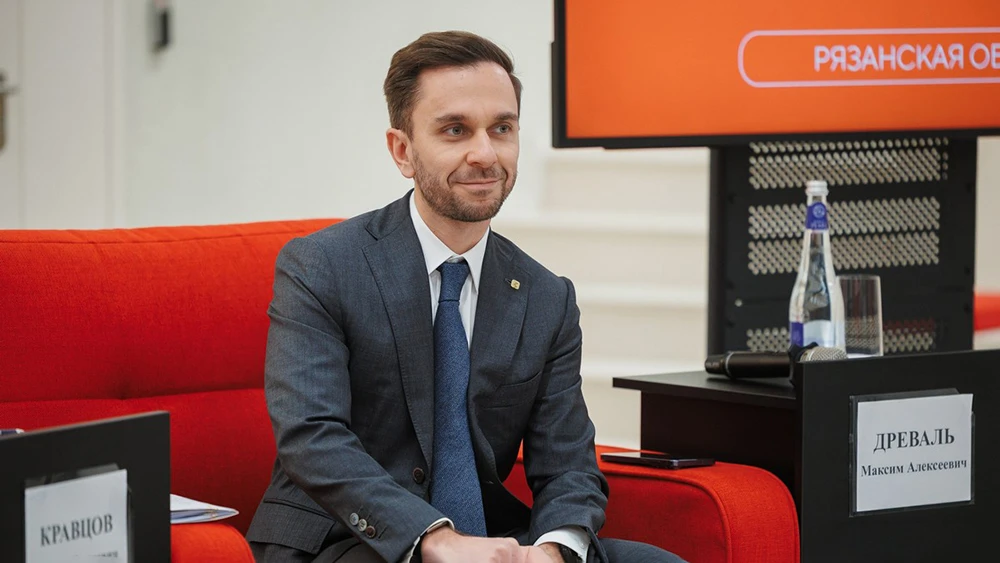
The Director General of the Russian society Znanie, Maxim Dreval, discussed educational programmes being introduced in collaboration with parents. The Ryazan Region is running the "Parenting: Mission Possible" and "Parent Forums" projects, which offer a series of lectures, practical sessions on handling common situations, and meetings with experts in cyber security and careers guidance. The "Russia — My Horizons" course helps schoolchildren decide on a career path.
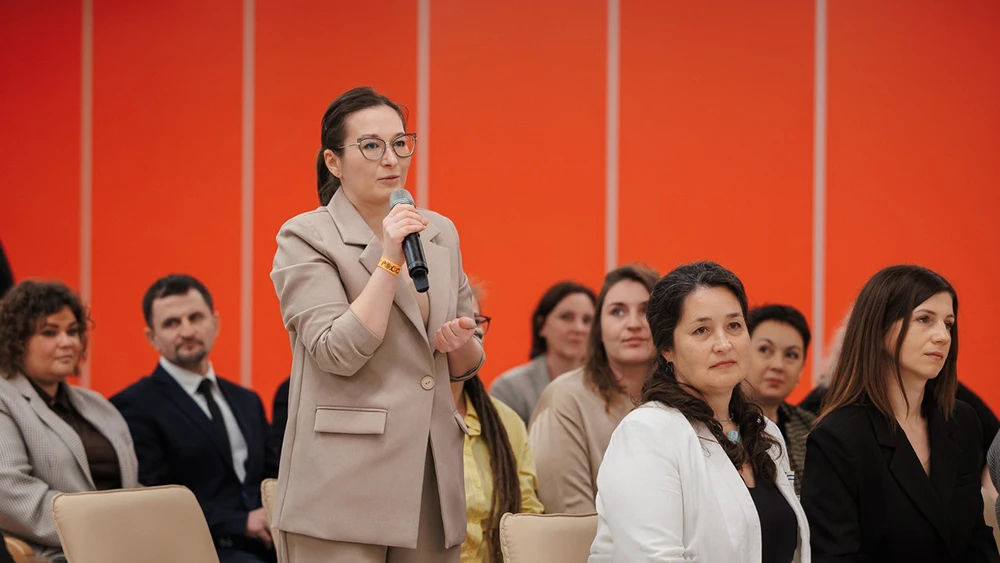
"There are around 20 lessons over the school year. Each covers an industry, the careers it offers and its major employers, with material specific to the region. The course is optional, but the Ministry of Education of the Russian Federation recommends it for schools. It's another tool that schools can put to good use in careers guidance," Maxim Dreval noted.
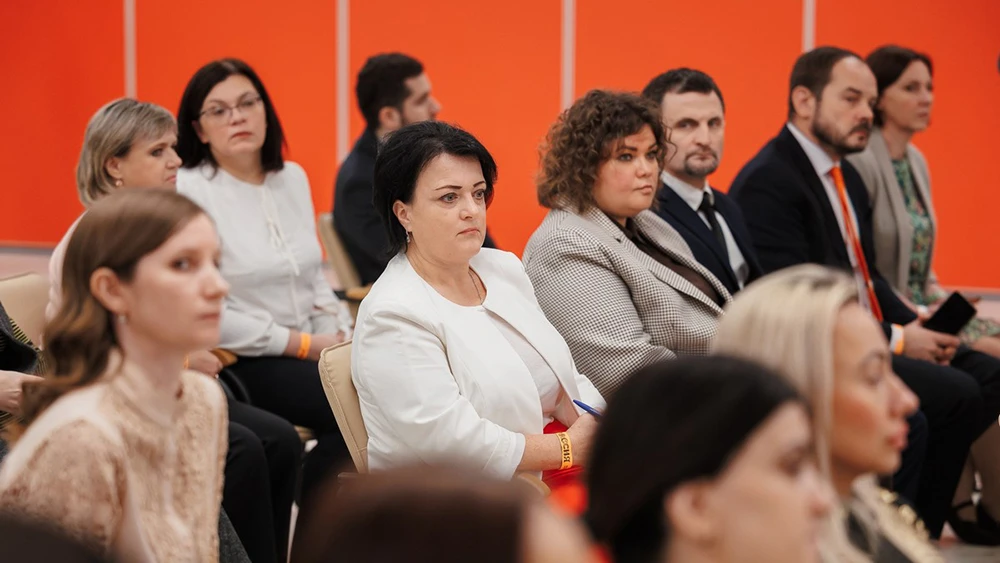
He said that a contest for parent-led initiatives had become another important tool for developing education infrastructure. Since the contest began, 15 parents' committees in the region have won.
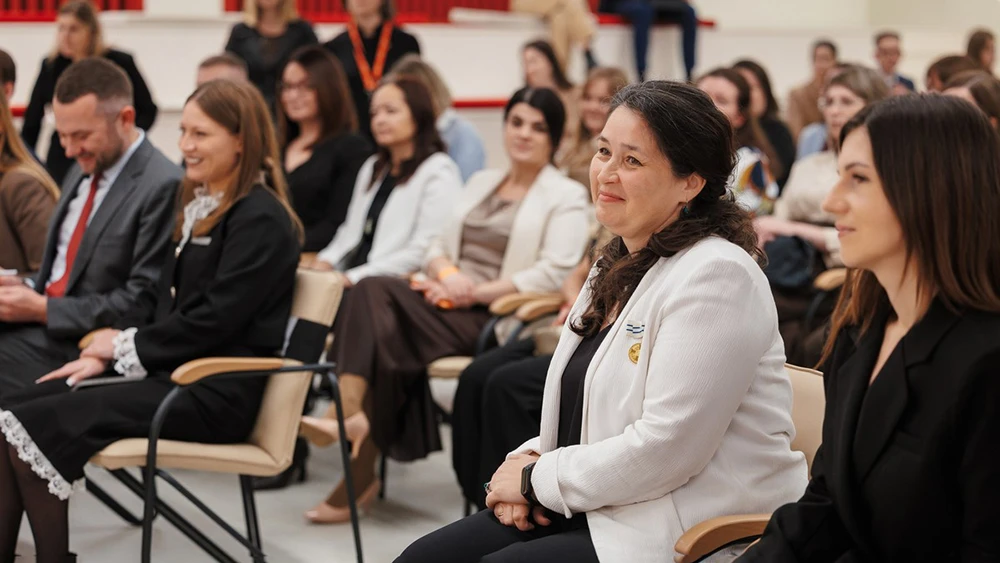
During the meeting, participants discussed, among other topics, how to organise full-day schooling and how pupils choose their next steps in education after Year 9. Particular attention was paid to increasing the number of state-funded places at vocational education institutions and improving careers guidance for schoolchildren.
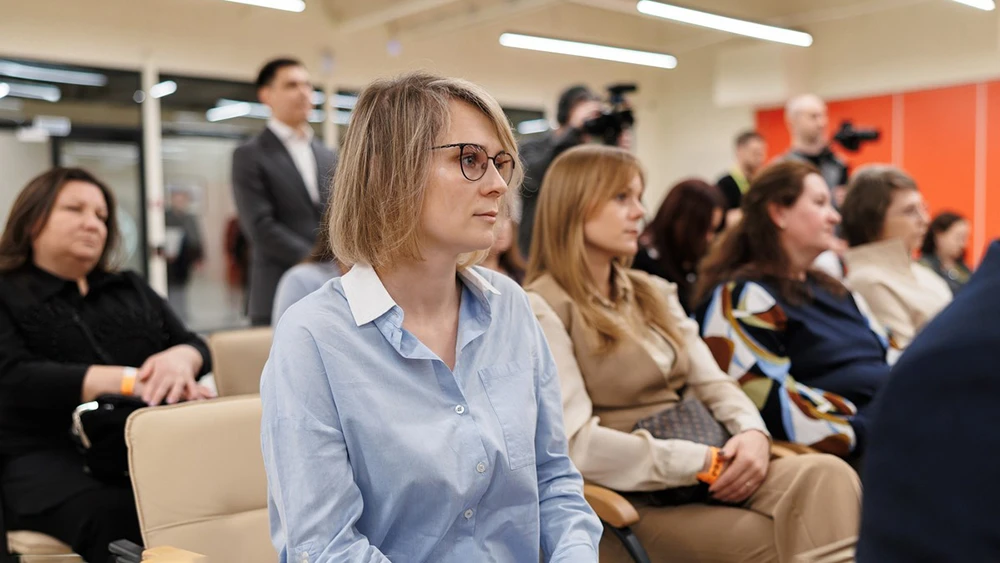
A separate part of the discussion focused on measures to keep children safe. Parents asked about current requirements for educational institutions, how to prevent teenagers from being drawn into unlawful or destructive activity, how to tackle fraud, and how schools, families and law enforcement agencies work together. Participants also discussed how people can give feedback through the "School of Trust" initiative.
Other topics included protecting teachers' professional honour and dignity, restoring and modernising children's camps, introducing an extracurricular course on artificial intelligence and the possible introduction of a compulsory history exam.
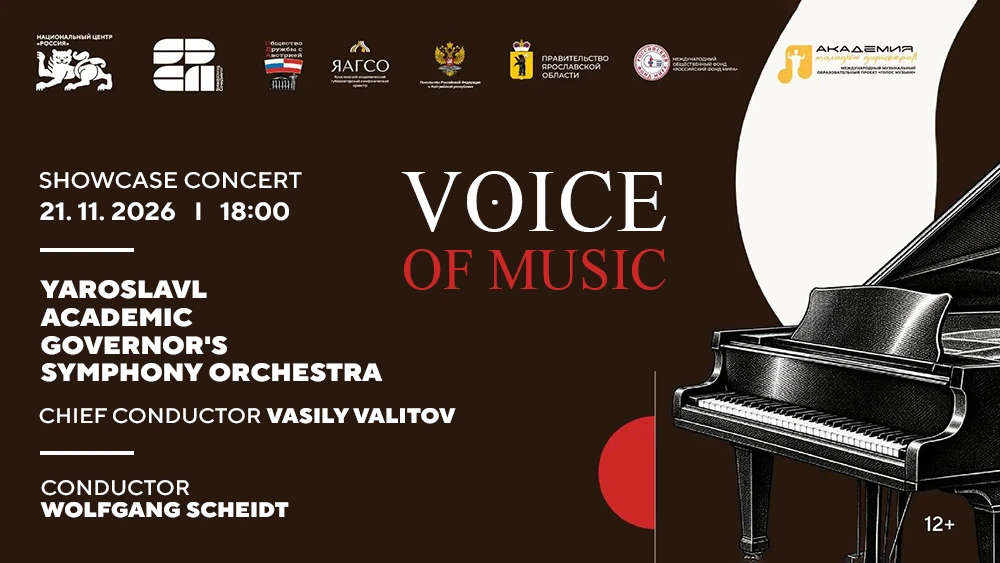
The showcase concert of the international music education project "Voice of Music. Academy of Young Conductors" will bring together Russian and international musical traditions.


