


Tourism development priorities for Siberia outlined in Krasnoyarsk
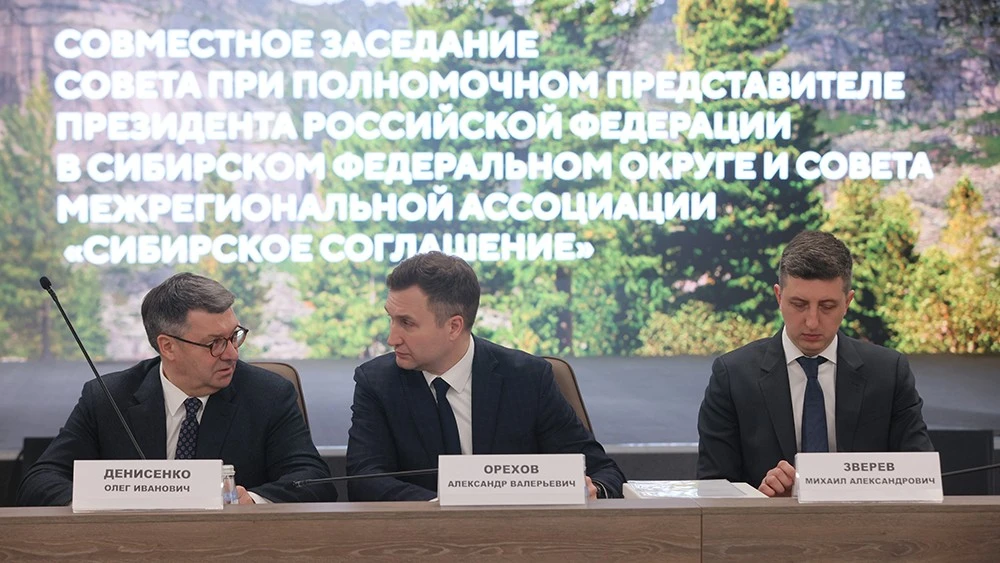
A meeting of the Tourism Council under the Plenipotentiary
Representative of the President of the Russian Federation in the Siberian
Federal District was held at the National Centre RUSSIA in Krasnoyarsk. The
discussion focused on measures to unlock Siberia’s tourism potential and the
implementation of the national project "Tourism and Hospitality".
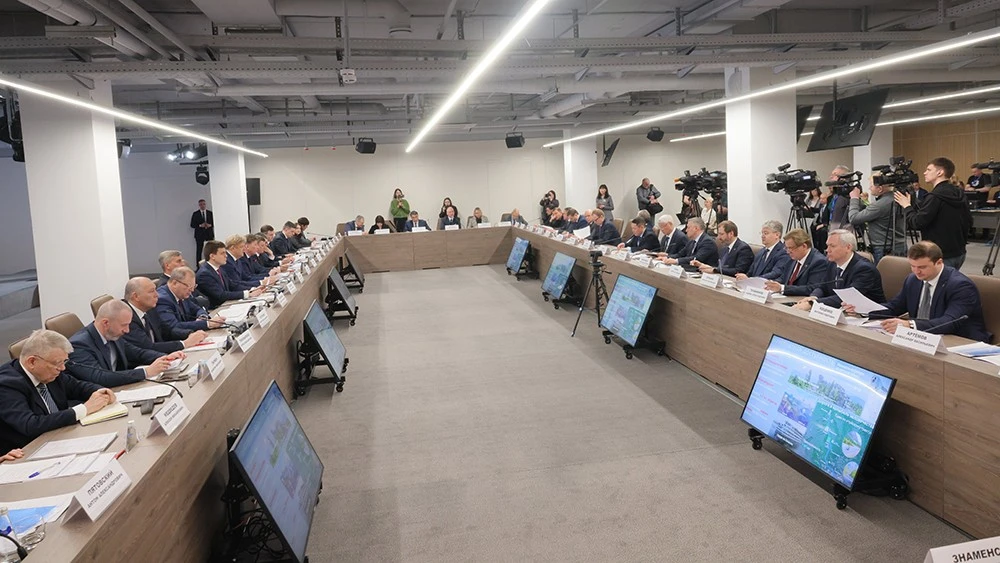
Heads of eight Siberian regions, members of the Council
under the Plenipotentiary Representative of the President of the Russian
Federation in the Siberian Federal District, heads of legislative bodies and
experts took part in the meeting.
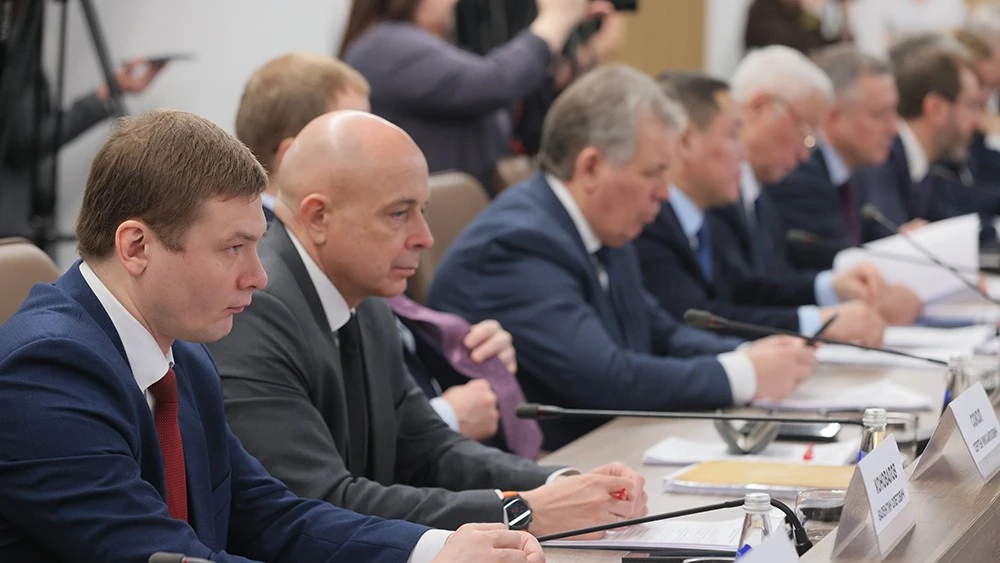
The sector faces an ambitious target: by 2030, the number of
domestic tourist trips is expected to increase by 40%, while the share of
tourism in GDP should double to reach 5%. According to experts, this will
require an additional 300,000 specialists. Already today, Siberia’s tourism
industry generates nearly 6 billion rubles in tax revenues, including around
530 million rubles from the tourist tax.
The Plenipotentiary Representative, Anatoly Seryshev,
outlined key areas of work: the development of transport infrastructure —
modernisation of airports will increase passenger traffic by more than 5
million people; development of the road network and roadside services; and the
legalisation of the shadow sector. In four pilot regions — the Republic of
Altai, the Altai Territory, the Irkutsk Region and Kuzbass — more than 800
guest houses have already been brought out of the shadow economy.
"Joint efforts by the authorities, business and the
tourism community, aimed at implementing infrastructure projects and promoting
Siberian routes in a comprehensive way, will significantly increase the
sector’s contribution to the economy of Siberia," said Anatoly Seryshev.
He also drew special attention to the need to ensure accessibility of travel
for all categories of citizens.
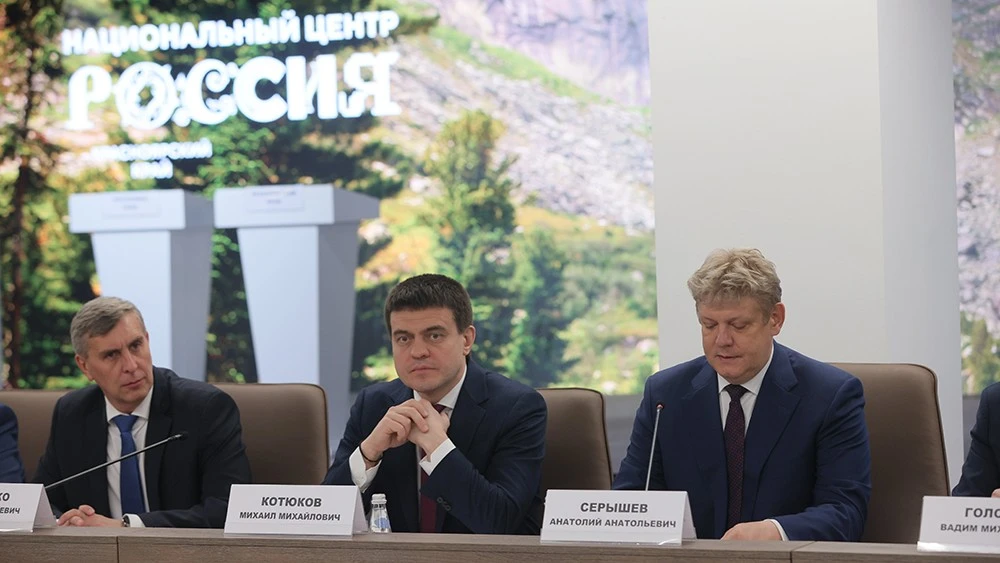
"The main product of the tourism and hospitality
industry is emotion and experience, and the main outcome of inbound tourism is
patriotism, love for the Motherland and pride in the places where we live. All
of this depends on the professionalism of people working in the industry. Our
mission is to build a human resources policy that will ensure the transition to
a true experience economy," emphasised the Governor of the Krasnoyarsk
Territory, Mikhail Kotyukov.
Mikhail Kotyukov called on his Siberian colleagues to
introduce practice-oriented education models, where students are immersed in
real industry work from their first year. He proposed scaling up the experience
of the Krasnoyarsk Territory across all regions of Siberia. Today, the
Institute of Gastronomy of the Siberian Federal University operates
successfully in the region, along with a programme at the Krasnoyarsk College
of Industry Technologies and Entrepreneurship created with its support. Similar
facilities will open in Norilsk and Minusinsk next year.
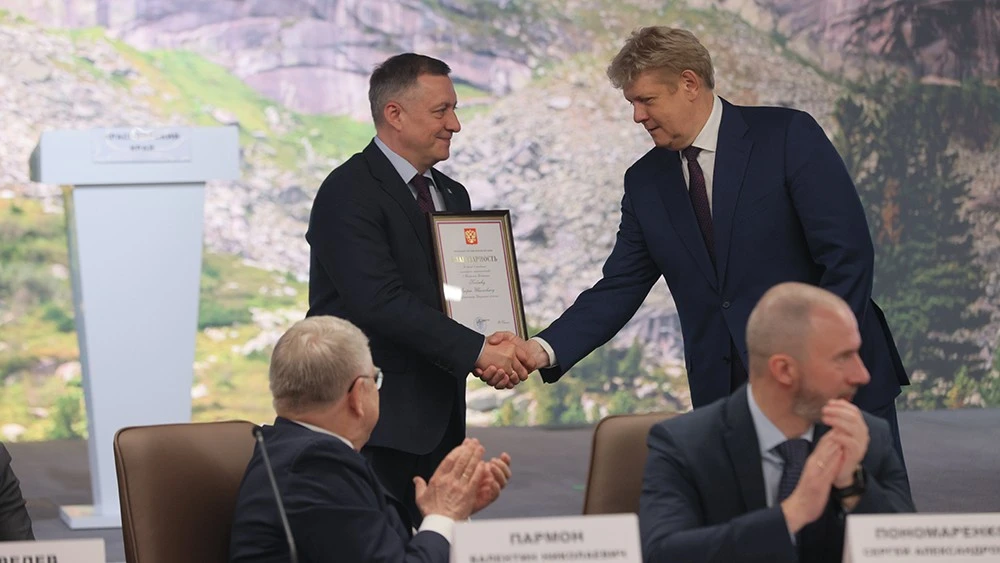
"The experience of the Krasnoyarsk gastronomic school
is well known. Our chefs are rock stars. We showcase not just restaurants, but
chefs who are recognised across the country, and children want to be like them.
This is exactly how we should present careers in tourism — showing that there
is also a path to success here, with exciting and engaging work," added
the Governor of the Krasnoyarsk Territory.
On the same day, a meeting of the Interregional Association
"Siberian Agreement" was also held at the National Centre RUSSIA in
Krasnoyarsk. The organisation presented the concept and implementation plan for
the interregional project "Transformation of the Tourism Industry of
Siberia until 2035".
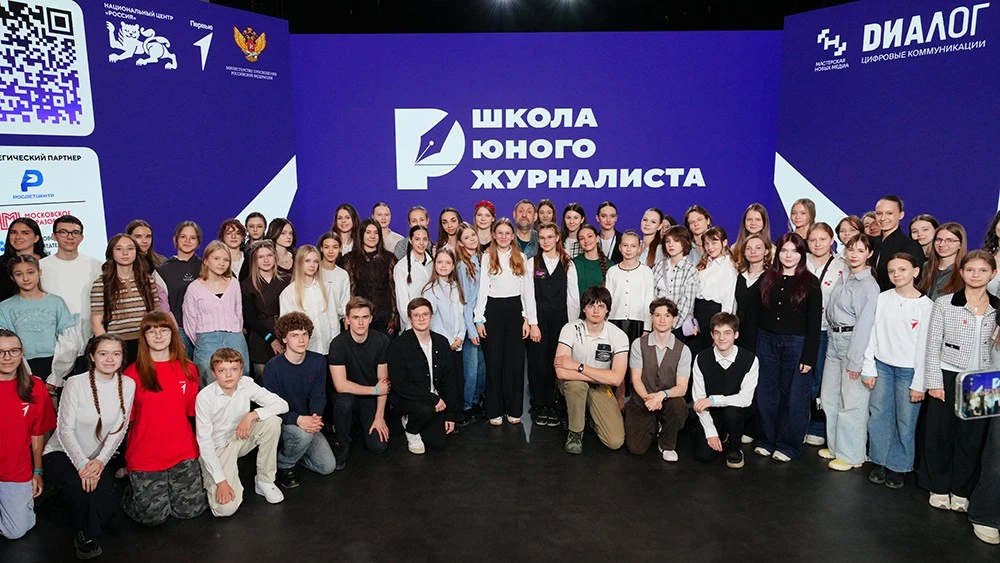
The war correspondent also shared key principles of professional discipline with the young journalists.
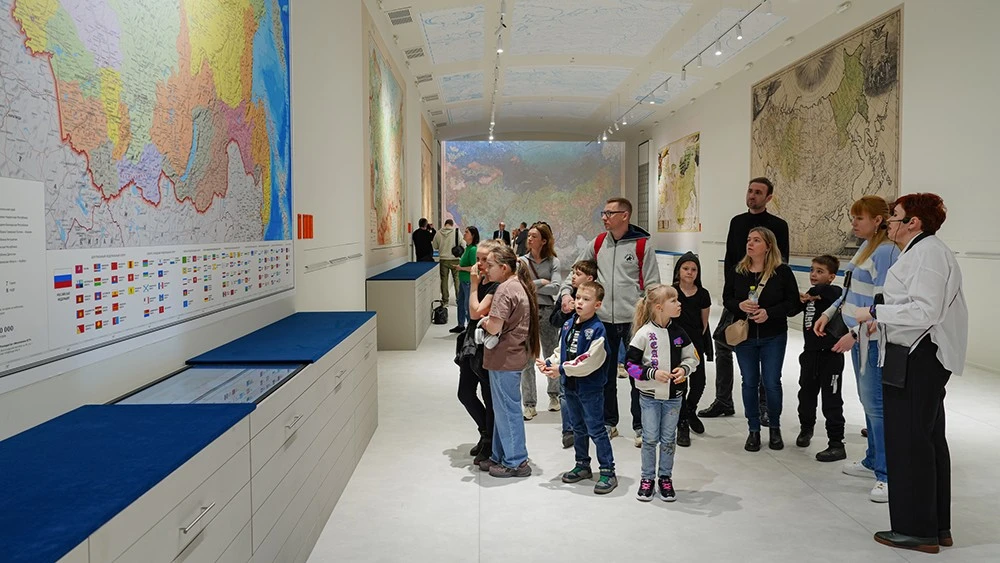
Authentic treasures from leading museums and archives across the country can be seen at the exposition "Geography Lessons".

The II Open Dialogue "The Future of the World. A New Platform for Global Growth" will be held at the National Centre RUSSIA in Moscow on 27–29 April.


