

The role of municipalities in strengthening unity and preserving historical memory discussed at the National Centre RUSSIA
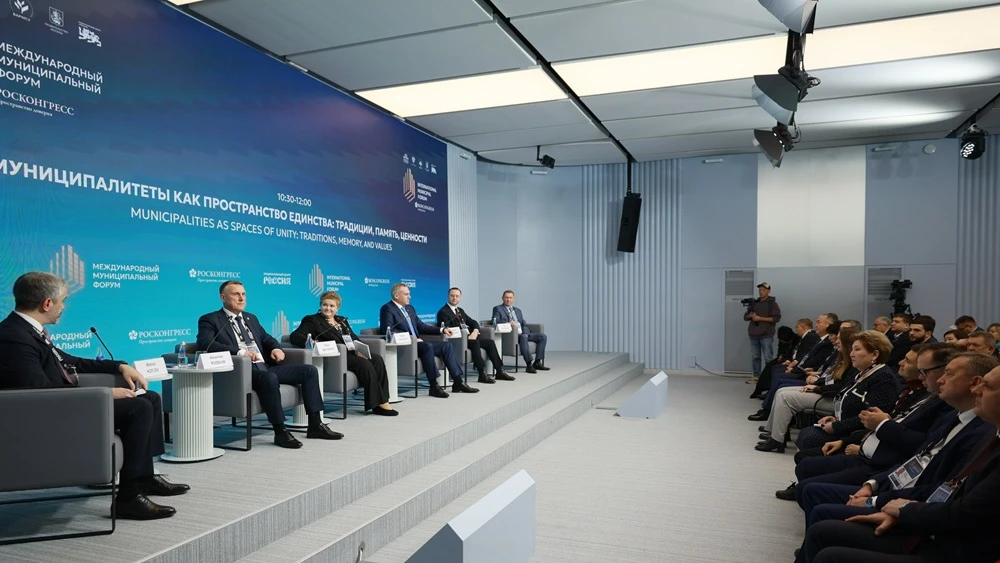
Municipalities are becoming places where national identity takes on tangible meaning and is passed down to future generations. At the same time, preserving historical memory and traditional values begins not only with national and regional programmes, but also with initiatives launched by local residents themselves. These issues were discussed at the session "Municipalities as Spaces of Unity: Traditions, Memory and Values", held at the National Centre RUSSIA as part of the International Municipal Forum.
"In an era of global change, municipalities are becoming the very foundation on which our country's unity rests. Historical memory and local traditions are not simply about the past; they are a living force that connects generations and gives people a sense of belonging. Today, our task is to strengthen these ties within Russia and share our experience internationally together with the All-Russian Association for the Development of Local Self-Government (VARMSU). Dialogue between cities in different countries is not just about exchanging best practices in preservation of their legacy, but also about developing a common language for protecting traditional values in a globalised world," said Mikhail Kotlov, Adviser to the Presidential Directorate for Strategic Partnership and Cooperation, as he opened the discussion.
Speaking about the role of local authorities, Ruslan Kukharuk, Governor of the Khanty-Mansi Autonomous Area–Yugra and Co-Chair of VARMSU, emphasised the importance of public and religious organisations, residents' initiatives and participatory budgeting. In his view, projects to improve public spaces and preserve traditions become particularly meaningful when people do not simply benefit from the results of the authorities' work, but also put forward their own ideas and take part in implementing and co-funding them. The Governor of Yugra also spoke about the systematic efforts under way in the region to study and promote its historical legacy.
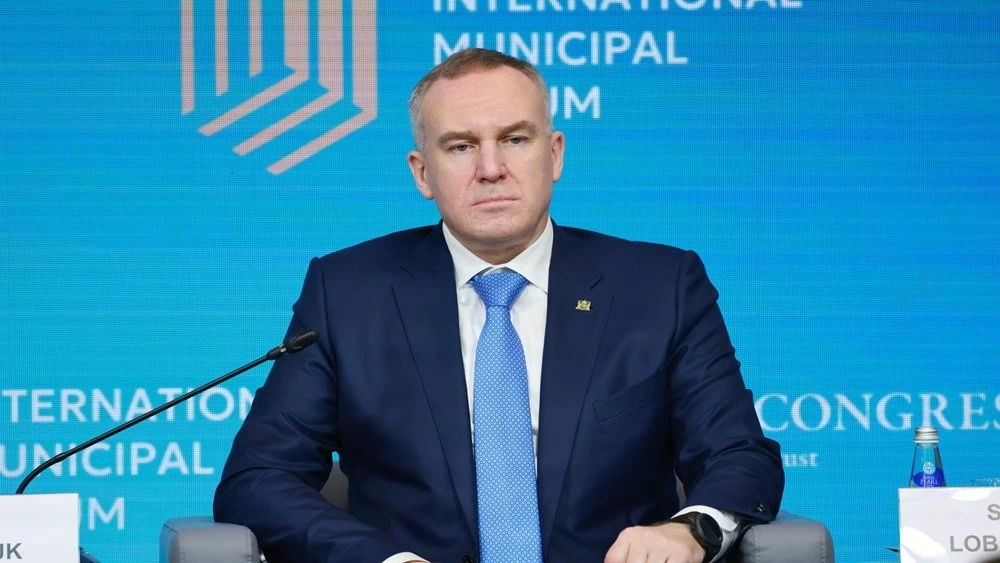
"If a people do not know their history, this people has no future. I believe this idea exists in every language, expressed in different ways. We must remember the past and pass it on to future generations. Yugra has undertaken extensive work with the involvement of the academic community and produced a major scholarly work — an eight-volume academic history of the region. It tells the story of the land of Yugra and its residents' contribution to the development of the country. This helps us preserve our memory, understand what makes our region what it is, and pass our values on to future generations," Ruslan Kukharuk noted.
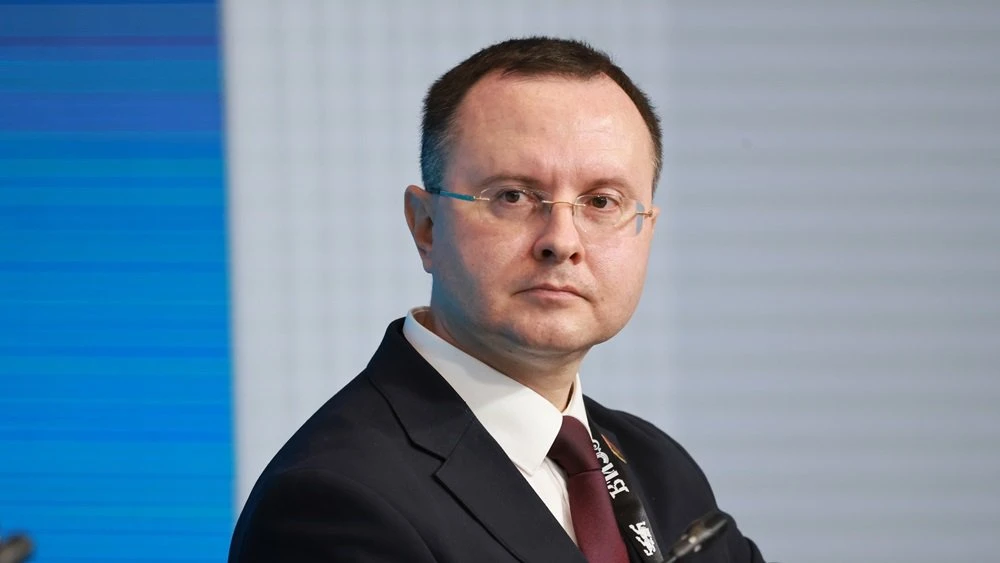
The speakers placed particular emphasis on the fact that historical memory is not merely a collection of dates and historical facts, but a foundation for our worldview, shaped and passed down through generations. Yelena Malysheva, Head of the National Centre for Historical Memory under the President of the Russian Federation, stressed that it is therefore important for people to see the history of their family, hometown and country as part of their own identity. In her view, municipalities play a key role in this process.
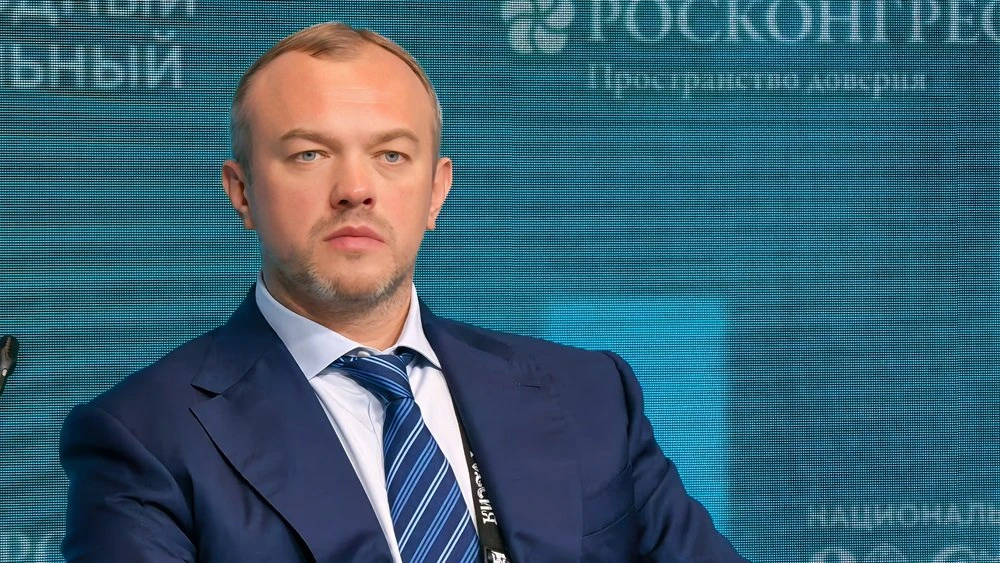
"Their task is not only to maintain monuments and organise commemorative events, but also to create opportunities for residents to feel personally connected to their history. This work can bring together a wide range of areas, including education, tourism, urban development, cultural legacy protection and modern information technology. Regional initiatives help build public consensus, even when complex historical topics are being discussed. Projects that enable residents to take an active part in exploring the past and passing on historical memory play an important role in this," Yelena Malysheva said.
Municipal leaders shared practical examples of efforts to preserve historical memory. Alexander Rozbaum, Mayor of Veliky Novgorod, spoke about how the city's history is becoming part of residents' everyday lives and a point of attraction for tourists. Commemorative events, concerts and religious processions are held in Veliky Novgorod, bringing together residents of different generations. In particular, the Mayor highlighted the revival in 2023 of the tradition of school pupils and college students taking part in the Honour Guard of Remembrance at the Eternal Flame.
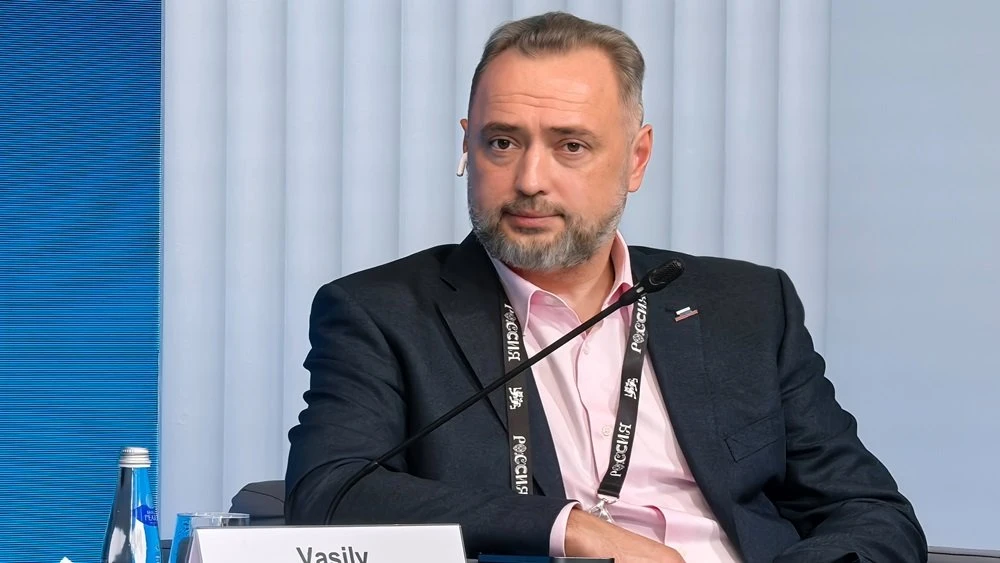
"Every participant in the Honour Guard receives a personalised certificate recognising their service, which I, as Mayor, present at a formal ceremony attended by the young people's family and friends. Another important area of work to preserve the memory of the Great Patriotic War is the search movement. Dozens of search teams are active in the Novgorod Region, continuing their efforts to identify fallen soldiers. In this way, historical memory is preserved not only in museums and monuments, but also through people's personal involvement in restoring the stories of those who defended our country," Alexander Rozbaum said.
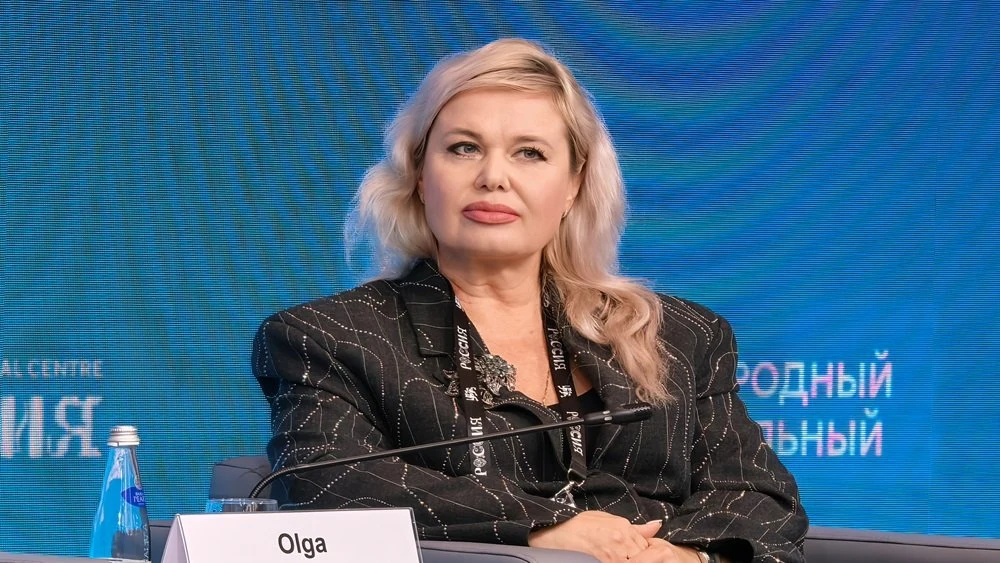
Igor Shutenkov, Head of Ulan-Ude, presented the experience of a city where Russian and Buryat traditions, Orthodox Christianity and Buddhism, historic architecture and contemporary urban culture intertwine. He cited the "Old Town" project as one example of the city's efforts to preserve its historical legacy.
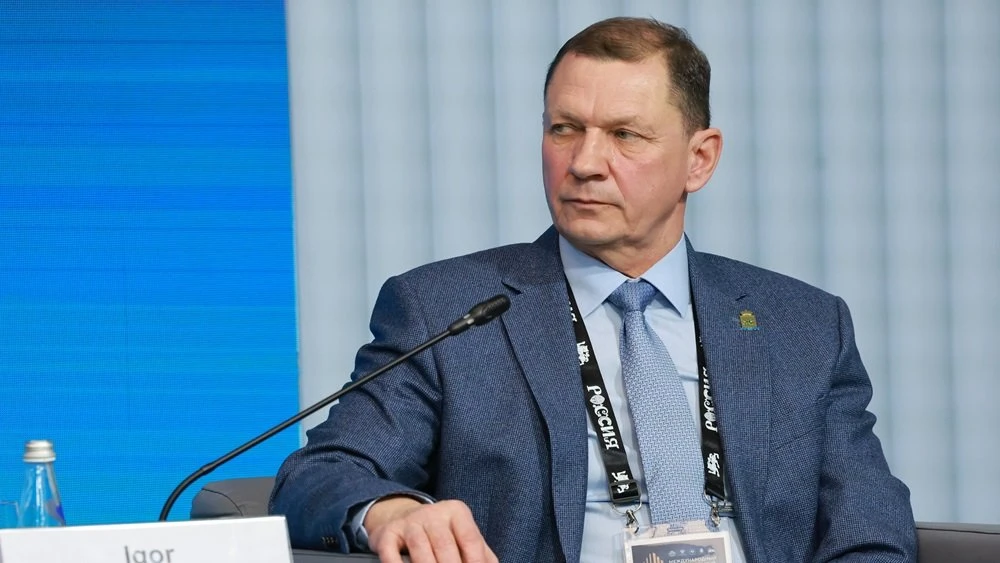
"Since 2019, the project has been restoring historic buildings with the help of volunteers working under the supervision of restoration specialists. So far, work has covered 23 sites. Residents' involvement in restoring the historic urban environment not only helps preserve the city's architectural character, but also creates new attractions for locals and tourists," Igor Shutenkov said.
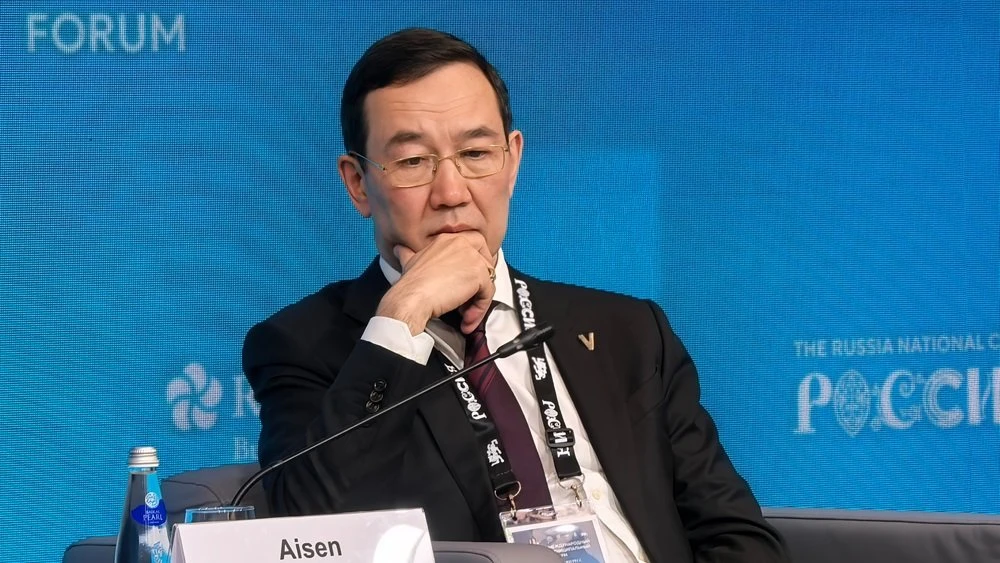
He also noted that cultural diversity serves as a resource for international cooperation and economic development. Ulan-Ude is developing ties with cities in Russia, China, Mongolia, Japan and other countries, taking part in joint cultural projects and using interest in local traditions to promote tourism. Summing up the discussion, moderator Mikhail Kotlov noted that preserving historical memory, traditions and values requires joint efforts by the state, municipalities and local residents. The experts agreed that the shared task is to ensure that the differences between regions complement one another rather than divide them.
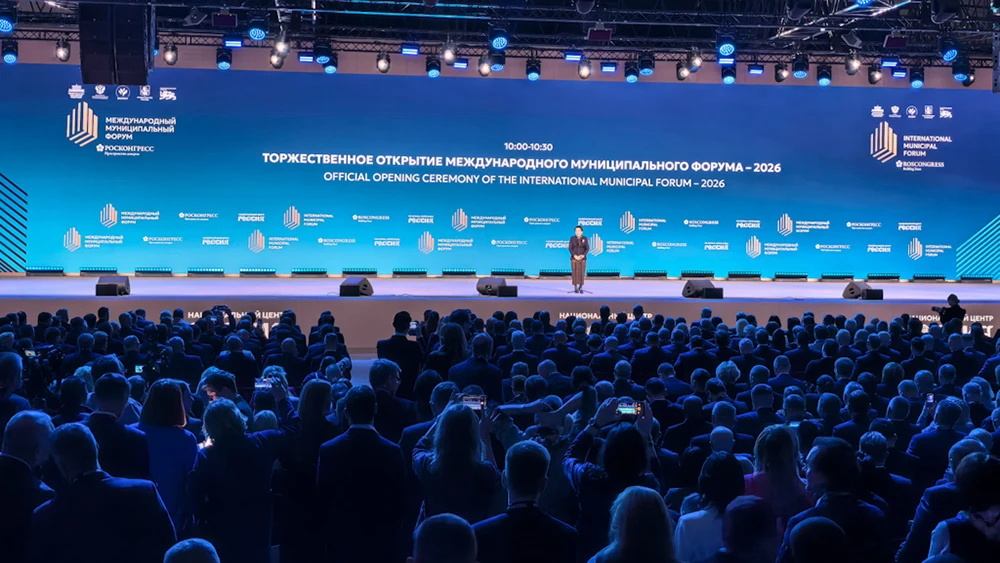
The International Municipal Forum is taking place at the National Centre RUSSIA on 23 and 24 November. It is organised by the Roscongress Foundation with the support of the Government of the Russian Federation. The Forum, which brings together representatives from 46 countries, focuses on the theme "Sustainable Urban Transformation: Responding to Global Challenges". Its business programme includes five thematic tracks: "Economy and Innovation", "International Relations", "Sustainable Development of Municipalities", "Human Resources" and "Youth Initiatives".

At the Literary Club "What to Read?! Meanings", Alexei Chesnakov and guest experts will discuss how language shapes the way we see the world and sets norms for behaviour.


