Vectors for shaping the country's visual identity and the image of an era determined at the National Centre RUSSIA
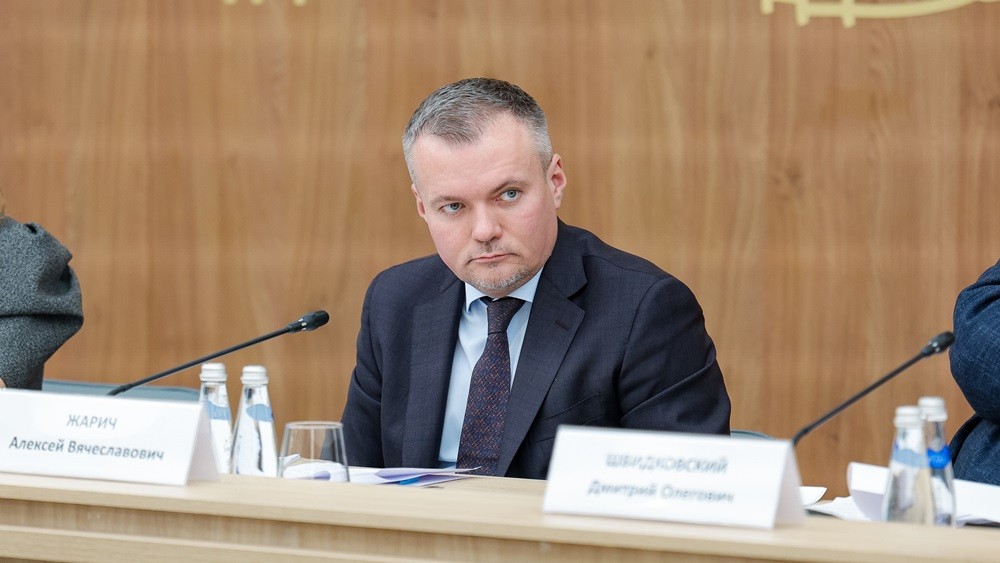
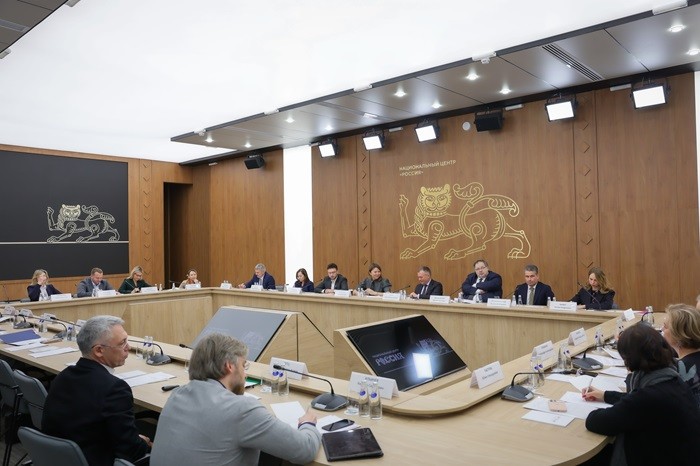
On 24 February 2026, a meeting of the board of the Expert Council on Architecture and Urban Development was held at the National Centre RUSSIA. The event was attended by Alexei Zharich, Deputy Head of the Presidential Directorate for Social Projects; Natalia Virtuozova, Director General of the National Centre RUSSIA; Academician Dmitry Shvidkovsky, Chairman of the Expert Council; and Andrei Melentyev, Head of the Directorate for State Visual Communications Control at the National Centre RUSSIA, and Secretary of the Expert Council.
Alexei Zharich, Deputy Head of the Presidential Directorate for Social Projects, emphasised the significance of architectural policy as part of the national sovereignty strategy: "Today we are talking about creating the image of an era. Forming a harmonious architectural environment is a matter of strategic importance, and the architectural and visual code is an expression of our cultural sovereignty and national identity. The task of the Expert Council on Architecture and Urban Development's work is to develop an action plan for 2026."
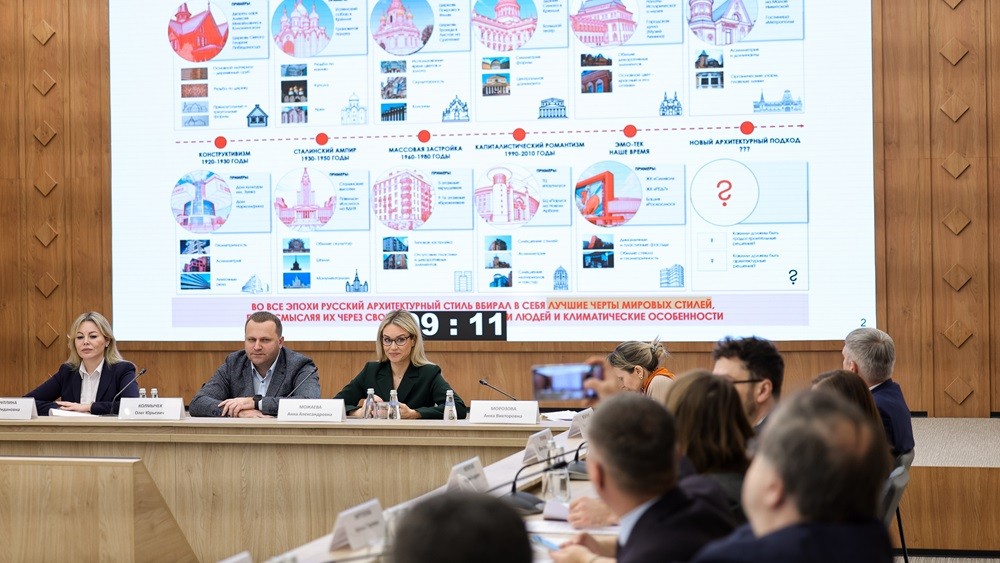
Natalia Virtuozova, Director General of the National Centre RUSSIA, addressed the participants of the Expert Council on Architecture and Urban Development. She noted that the new building of the National Centre will become a symbol of Russia's modern architectural code.
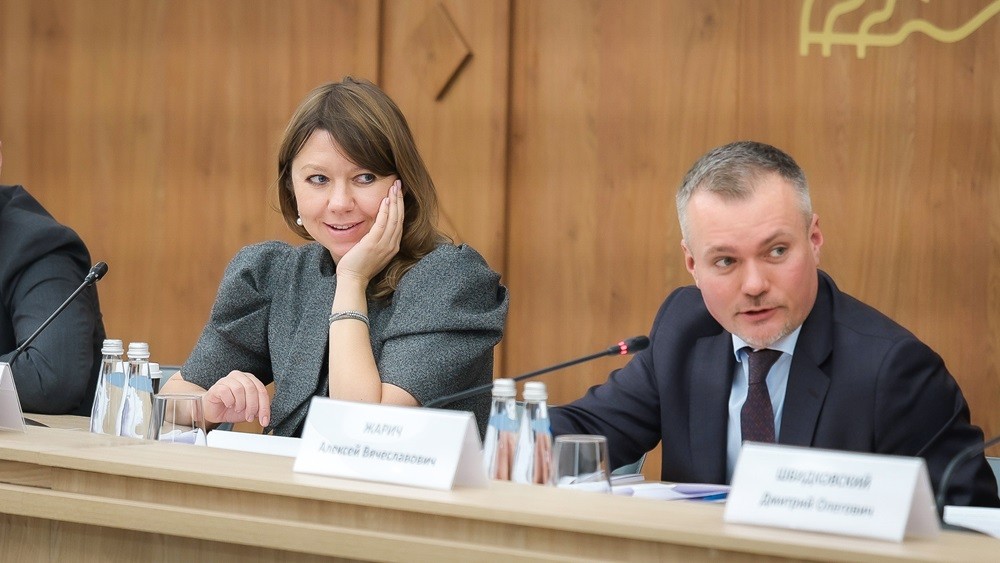
"The National Centre RUSSIA was established by order of the President of the Russian Federation, Vladimir Vladimirovich Putin, as a space of national pride — a place where not only the country's achievements are demonstrated but its future is shaped, as well. Architecture is the face of an era, and we are proving this through action. The new building of the National Centre will open in 2029. It will become an architectural event of a global scale and a symbol of modern Russia, its creative potential and drive for innovation. At the same time, the branches of the National Centre in Primorye, Khanty-Mansiysk, and Krasnoyarsk are gradually shaping the principles of the country's architectural code. Our centre remains a place where professionals, regions, and the state engage in dialogue about the future of the architectural appearance of modern-day Russia," said Natalia Virtuozova.
Dmitry Shvidkovsky, Chairman of the Expert Council, Rector of the Moscow Architectural Institute, and President of the Russian Academy of Architecture and Construction Sciences, spoke about the importance of preserving cultural identity and the role of architecture in shaping Russia's unique image.
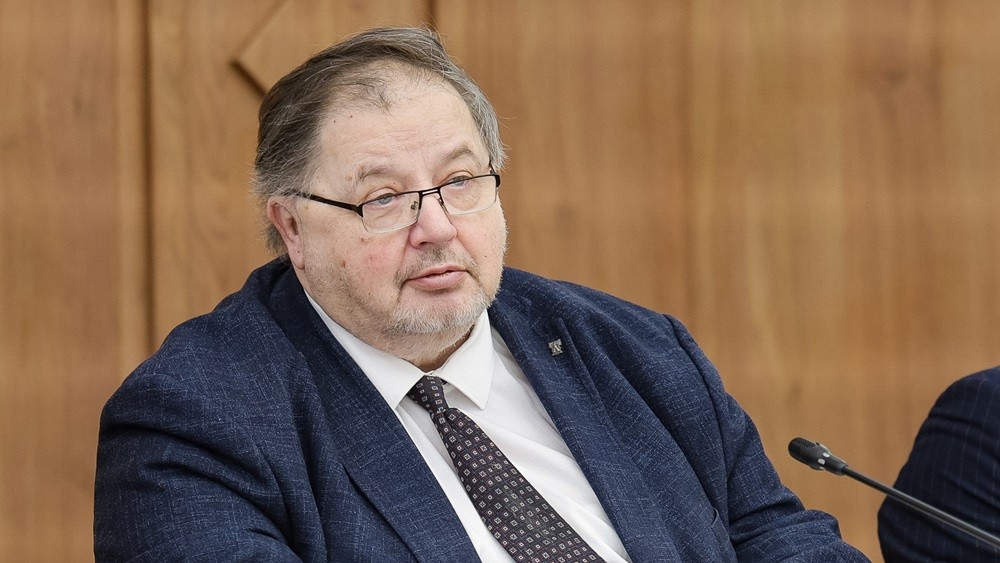
"Now, all over the world, in contrast to the process of globalisation and imposing Western liberal values, opposite trends are developing: the desire for individuality, identity, and the uniqueness of each country's culture and traditions. For Russia, with its richest legacy and the distinctiveness of its various peoples, this is especially important. The living environment of our state has been shaped over centuries and has become a unique civilisation that makes a huge contribution to the common treasury of humanity. Architecture and urban development highlight this exceptionally vividly; we must preserve and further develop these most valuable traditions of our construction culture," he emphasised.
Andrei Melentyev outlined the key directions for the Council's practical work in 2026. According to him, the first direction for further work will be the creation of a new architectural style for the modern era.
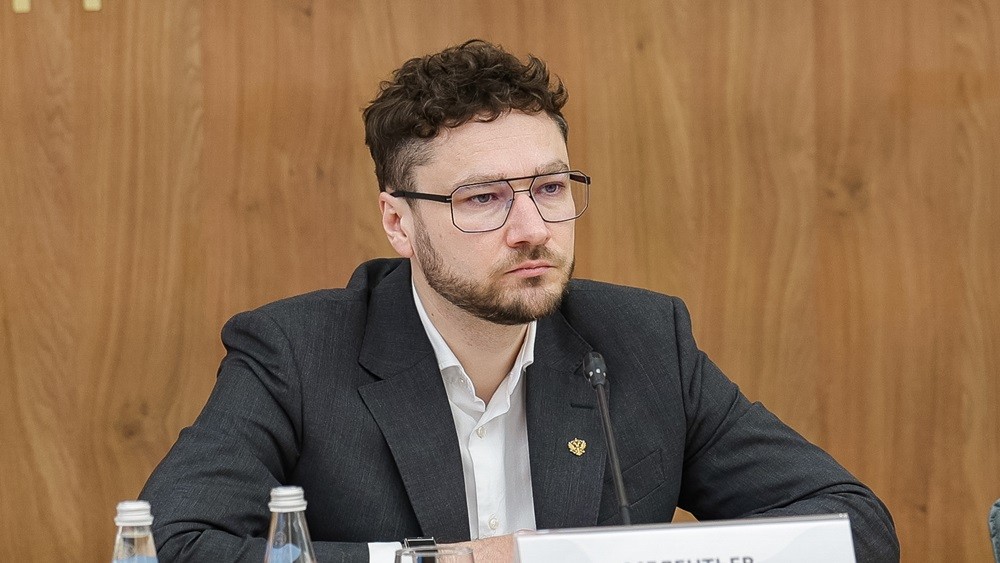
"The first strategic direction of our further work is the creation of a new architectural style, defining the principles of the architectural appearance of the modern era and their subsequent embodiment in real objects. As the first practical steps, we see the task of identifying the best current architectural projects and concepts, and involving architects, developers, and the professional community of Moscow and the regions in collaborative work," he stated.
The key theme of the meeting was the formation of Russia's modern architectural identity and the architectural and visual image of the era, reflecting the key meanings and values of our time. During the discussion, participants identified the main areas of practical work for the Expert Council in 2026, examined relevant projects and initiatives, and issues related to improving the legislative and regulatory framework in the field of architecture and urban development. Particular attention was paid to the need to consolidate unified meanings and visualisation elements for their subsequent application in the design of social and public facilities, transport infrastructure, and residential buildings that shape the image of the country and its cities.
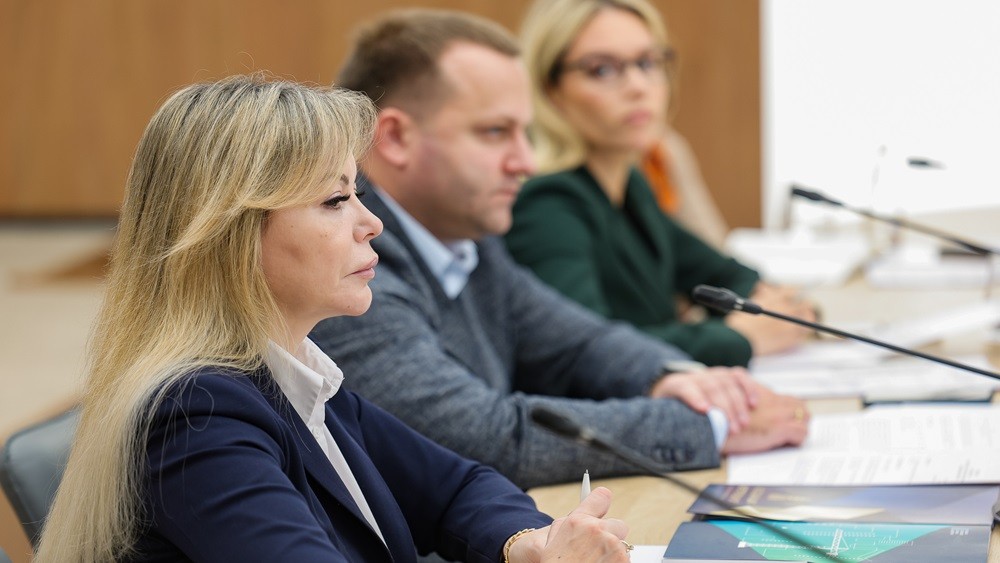
Maria Sinichich, Director of the Department for Integrated Territorial Development at the Ministry of Construction, Housing and Utilities of the Russian Federation, delivered a report on tools for the smooth implementation and scaling of the architectural and urban development code across Russia.
"An architectural and visual code only works when it is embedded in procedures: master planning, integrated territorial development, design briefs, and approval mechanisms. Therefore, it is important today to move from discussing principles to forming specific approaches and a roadmap featuring measures and responsible parties," she noted.
Alexandra Kuzmina, Deputy Chairperson of the Expert Council and Chief Architect of the Moscow region, spoke about tools and approaches to ensuring a balance between national and regional identity in the country's architectural appearance: "Architecture, besides its various functions, is materialised policy, ideology in stone. Buildings, cities, especially memorial and park ensembles, accurately convey the features of the time of their creation and the essence of the events that took place — the most significant ones, which define life and the way of thinking during an era, those that will remain in memory for centuries."
As a practical initiative, Alexandra Kuzmina proposed creating a unified catalogue of characteristic images and ornaments of the regions, broken down by locality, for use by developers when preparing project documentation under the auspices of the National Centre RUSSIA, in collaboration with the architectural and urban development authorities of the subjects and municipalities.
Vitaly Lutz, Deputy Head of the Department for Architectural Planning Solutions and Volume Design at the State Autonomous Institution "Institute of the Moscow General Plan", proposed discussing the formation of the Russian style in Moscow's architecture. In his speech, he noted the multifaceted nature of the contemporary Russian style.
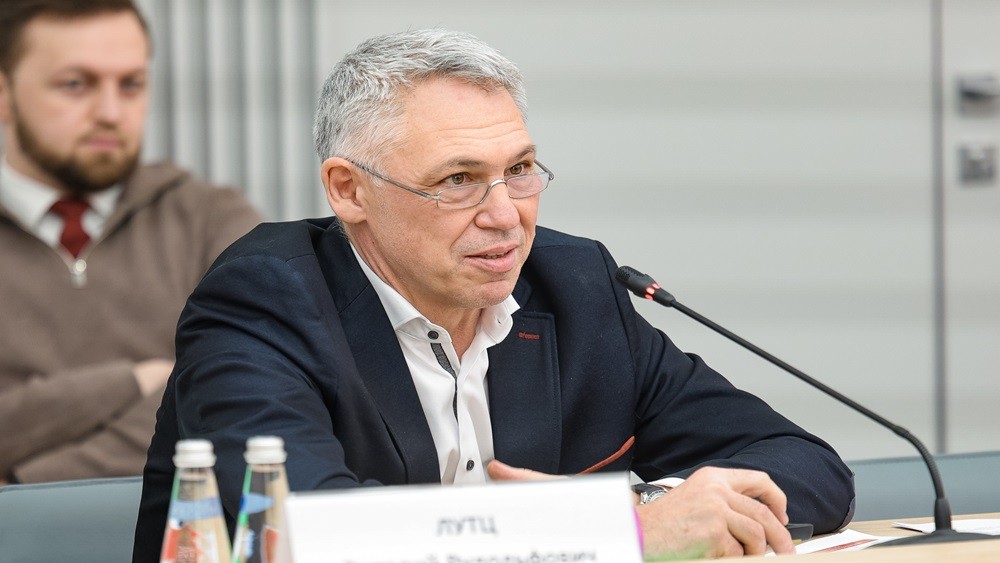
"Russia presents a diversity of cultures and local contexts, so the modern-day Russian style cannot be uniform for the entire country: each region preserves its identity while remaining part of a common cultural foundation. The task of present day Moscow architecture is to form its own recognisable language that will reflect the character of the city and emphasise its uniqueness on the world stage," the expert emphasised.
Andrei Chernikhov, Professor at the International Academy of Architecture, Head of the Architecture Programme at the Higher School of Economics (HSE), and President of the Yakov Chernikhov Foundation, presented the main approaches to creating a regulatory and organisational framework for the formation of urban ensembles. Thus, the state could reclaim its role as the principal designer of urban spaces.
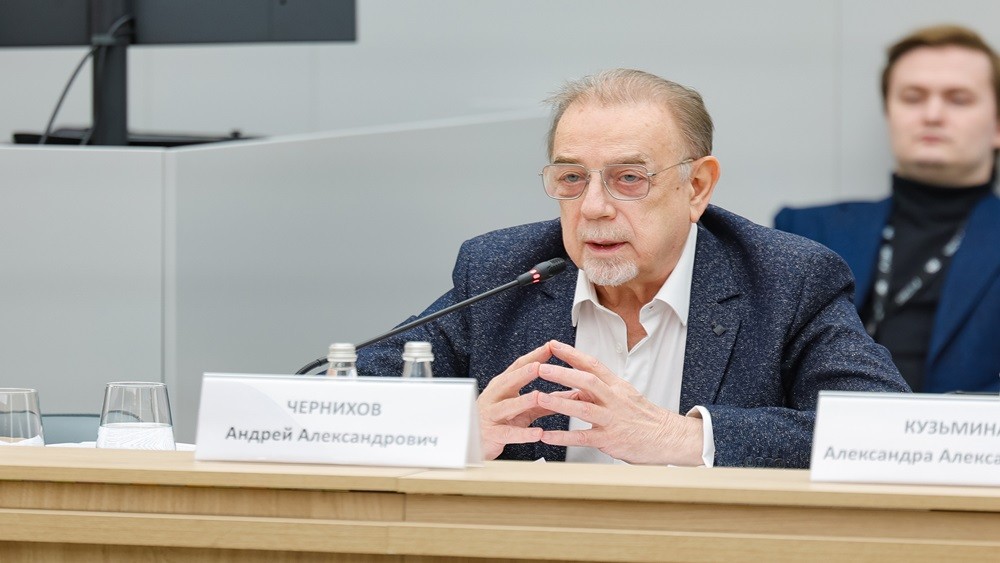
"It is evident that the state needs to strengthen its presence in shaping the appearance of cities — not only in the field of urban environment design but also in the planning of the most significant urban ensembles, for which it is necessary to introduce appropriate amendments to the Urban Planning Code of the Russian Federation and other regulatory documents," believes Andrei Chernikhov.
As part of the project to form cultural codes for the urban environment, 10 districts of Moscow, including territories outside the historical centre, have joined the initiative. This was reported by Kirill Ilyichev, Chairman of the Ivan Betskoy Foundation for Historical, Cultural, and Educational Initiatives, and Director General of JSC "MOSPROEKT".
"The initiative to form cultural codes for Moscow districts is aimed at preserving identity and local traditions. It's about creating understandable visual and symbolic markers that make the area recognisable and attractive for both residents and tourists. The project encompasses 10 districts, including those located outside the historical centre. It is fundamentally important not to focus exclusively on the central part of the city, but to consistently develop the potential of Moscow's different territories, forming a more balanced and holistic perception of the urban environment," explained Kirill Ilyichev.
Oleg Kolmychek, Head of the Association of Developers of the Krasnodar region and the Republic of Adygea, and a member of the Expert Council, put forward a proposal for symbolic design without altering structural elements.
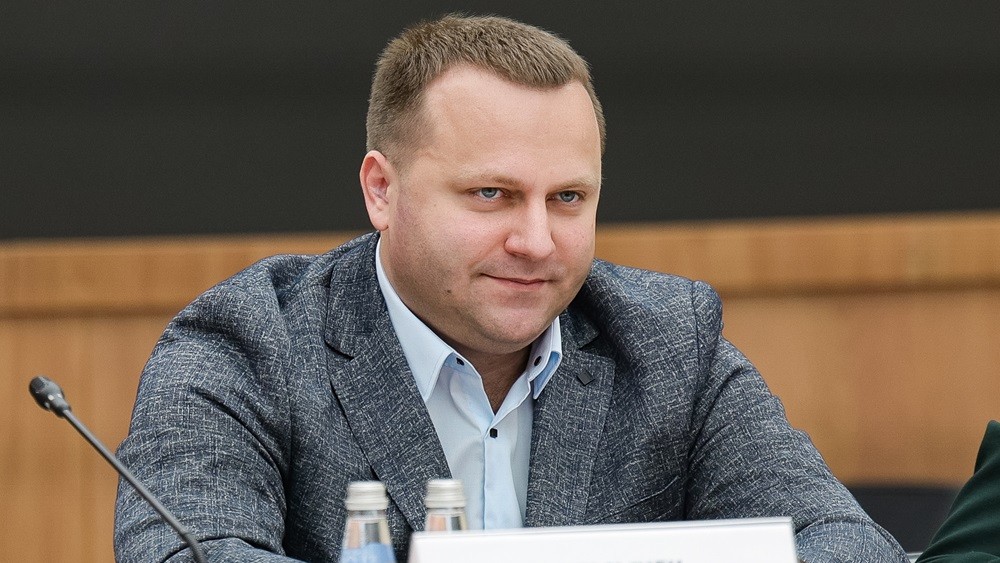
"Today, the construction industry, together with the country, is moving from faceless globalisation to meaningful sovereignty. For decades, architects relied on foreign standards that did not consider the diversity of Russia's cultures. We are ready to fill cities not just with buildings, but with an environment that carries our cultural code. Our main proposal is to separate the image component from capital construction. We are not urging anyone to make any changes to SNiPs (building norms and regulations) or load-bearing walls. It's about an 'economy of identity': using our own colours and patterns adds value, making housing more liquid and the region's image recognisable," the expert shared.
The position of a federal developer on the use of symbolic elements in mass residential construction was presented by Stanislav Kiselyov, Director General of the KORTROS group of companies: "For the developer community, the new Russian style is not a regulatory constraint, but a powerful tool for increasing project capitalisation and creating a sought-after urban environment. We are convinced that the national architectural code must work in everyday life, from parks and transport to social facilities, shaping the aesthetic taste of young people. To move from theory to practice, the KORTROS Group is ready to participate in implementing pilot projects where the national architectural code will become a natural part of the lives of young people and the progressive community."
Concluding the meeting, Vladislav Preobrazhensky, Chairman of the Board of the Expert Council and Executive Director of the Investment Activity Support Fund "Moscow Investors Club", spoke about defining the principles of the architectural appearance of the modern era.
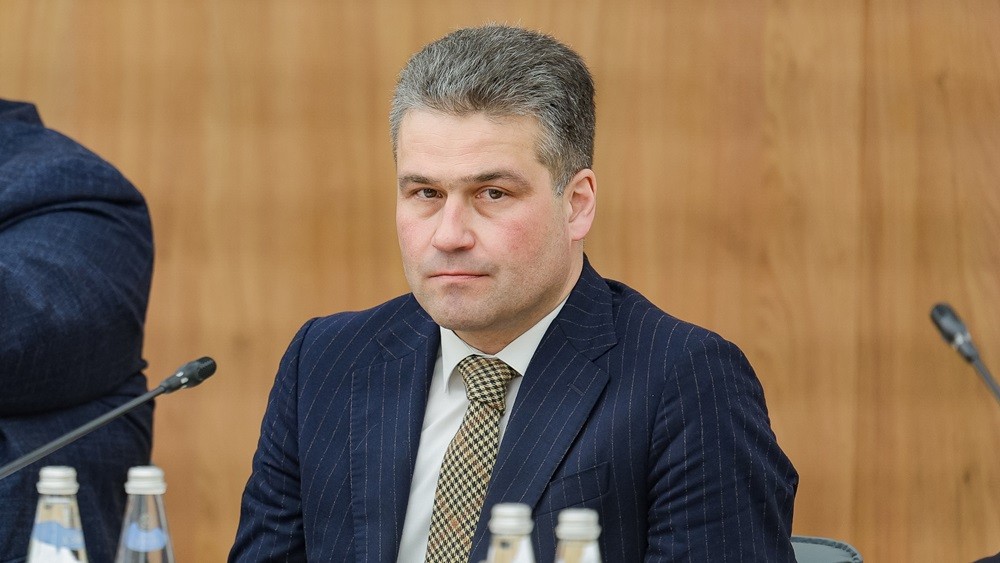
"The work on developing Russia's architectural and urban development code is entering a systemic phase. To do this, it is necessary to form specialised expert groups on a regional basis, from Moscow and its agglomeration to the subjects of the Federation, involving the relevant regional authorities in the work. In addition, we plan to create a group for the development of symbology that should fully reflect the achievements and landmark events of our era. We propose to showcase the successes in creating the new Russian style at the National Centre RUSSIA, during an event featuring leaders of the country's construction industry and government representatives," he summarised.
Following the meeting, board members made several proposals for creating specialised working groups that will be involved in developing Russia's national architectural code. All proposals and initiatives will be integrated into further collaborative work.