


Outstanding athletes at the "Inventing the Future" Symposium share how to turn defeat into a springboard
It took
Ferdinand Omanyala four years to shave seven tenths of a second off his race
time. The African record holder and champion and two-time Diamond League winner
explained what it took to achieve that result on 12 November at the public talk
"Sports: Character Strength", part of the III International Symposium
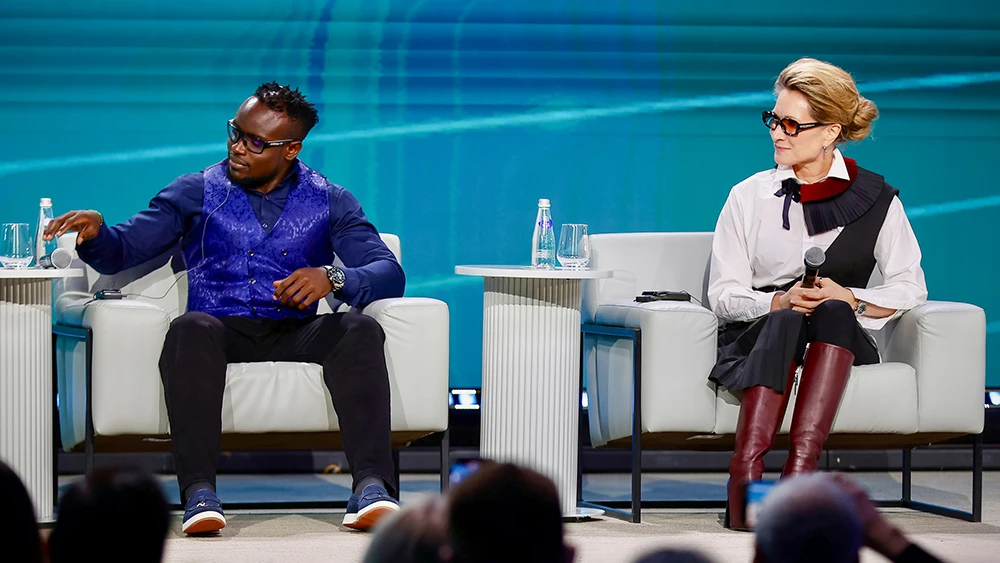
"Inventing the Future" at the National Centre RUSSIA. Joining him for
the discussion was Maria Kiselyova, a three-time Olympic champion in
synchronised swimming, Head of the Russian Theatre on Water and member of the
Moscow City Duma.
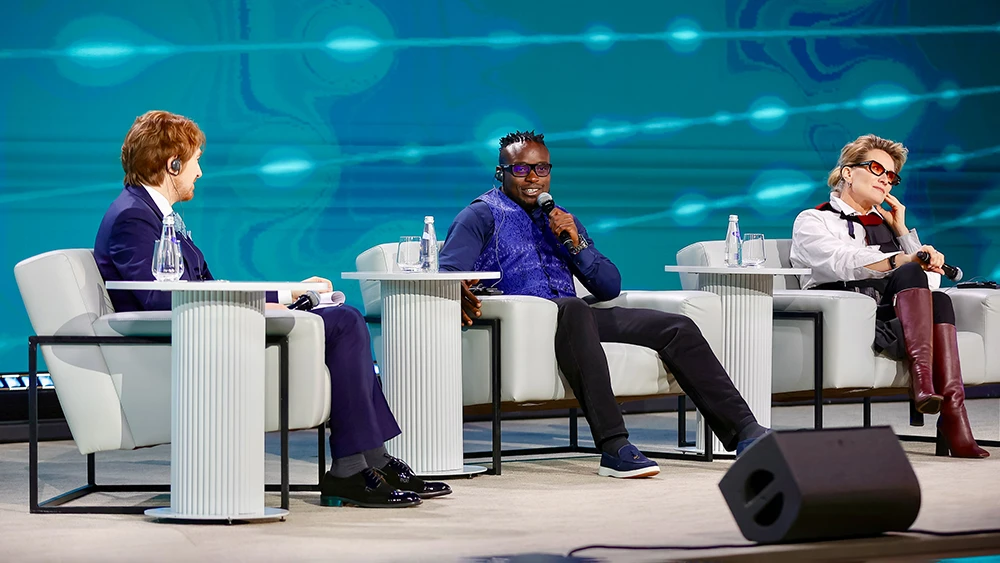
The discussion was held as part of the Open Lecture Hall and moderated by
Nikita Pimenov, presenter of the Channel One programme "Good Morning"
and a stage and screen actor. He invited the guests to compare two kinds of
victory — beating a strong opponent and overcoming your own limits. Ferdinand
Omanyala said that winning a race shows what you can do on the day, while the
work behind the result goes unseen.
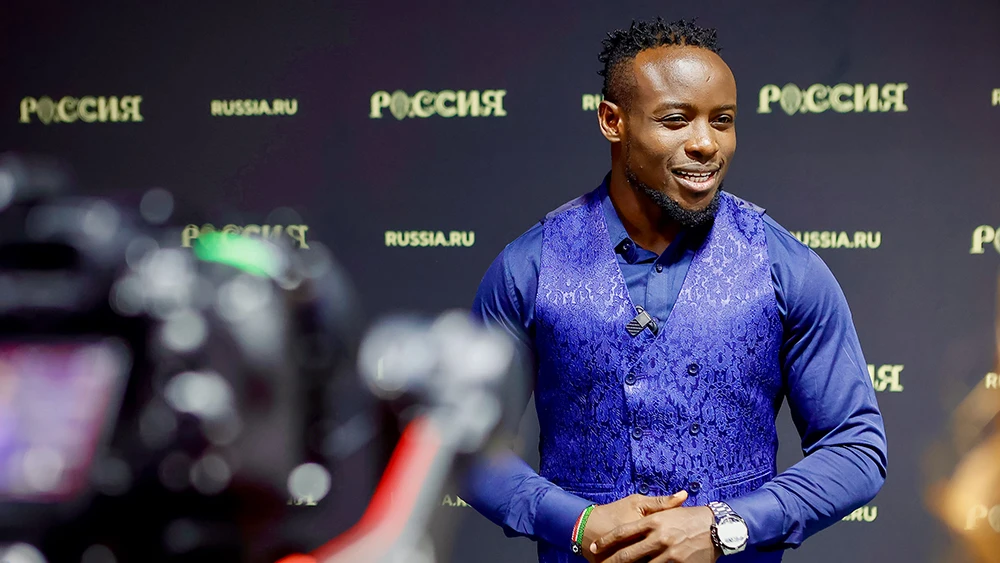
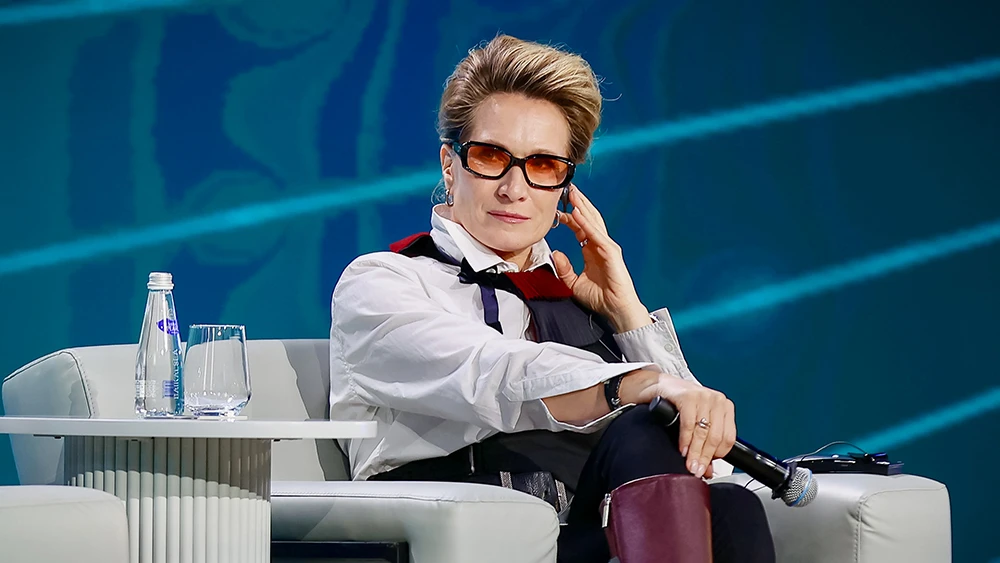
"If you've overcome your own limits, you've had days when it felt as though there was nothing more you could do. I had injuries and faced a lot of rejection, but I kept going and stuck to my own path. We win gold medals and set records, but that's only part of what we do. Sport is about who you become along the way," noted the sprinter.
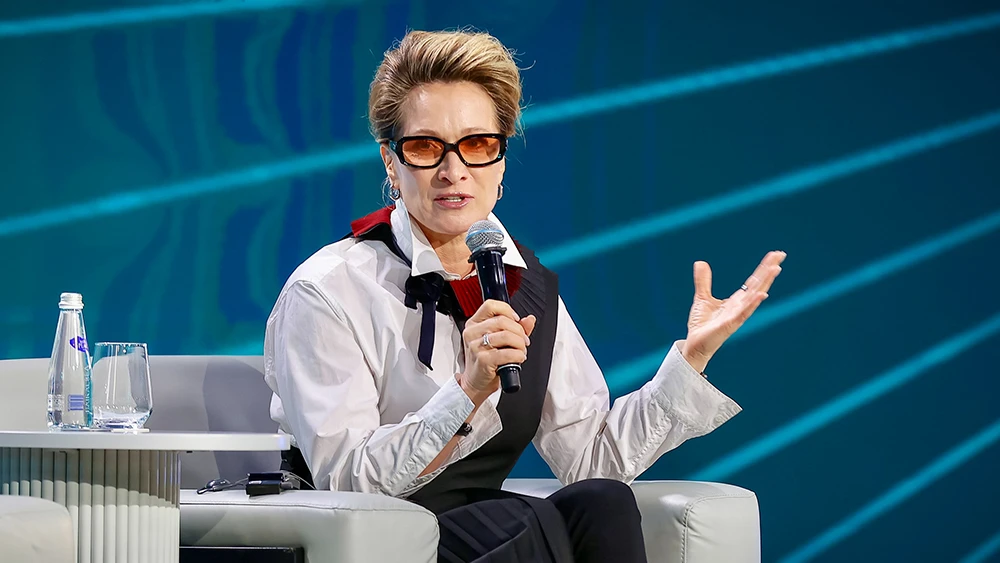
Maria Kiselyova took up that point. Athletes also have to manage their own reactions after a defeat, and defeats are part of every career. She said the initial emotions after a setback last no more than three minutes. After that, you either wind yourself up or get to work on what went wrong.
"Set aside whatever held you back and take whatever helped you as a gift.
What you carry forward can help you turn that defeat into a springboard for
your next victory," emphasised the Olympic champion.
Behind the apparently effortless movements that spectators see in a
professional athlete are years of hard work. That experience is valuable beyond
the ranks of future champions. Training every day and repeatedly choosing between
training and rest teaches anyone discipline.
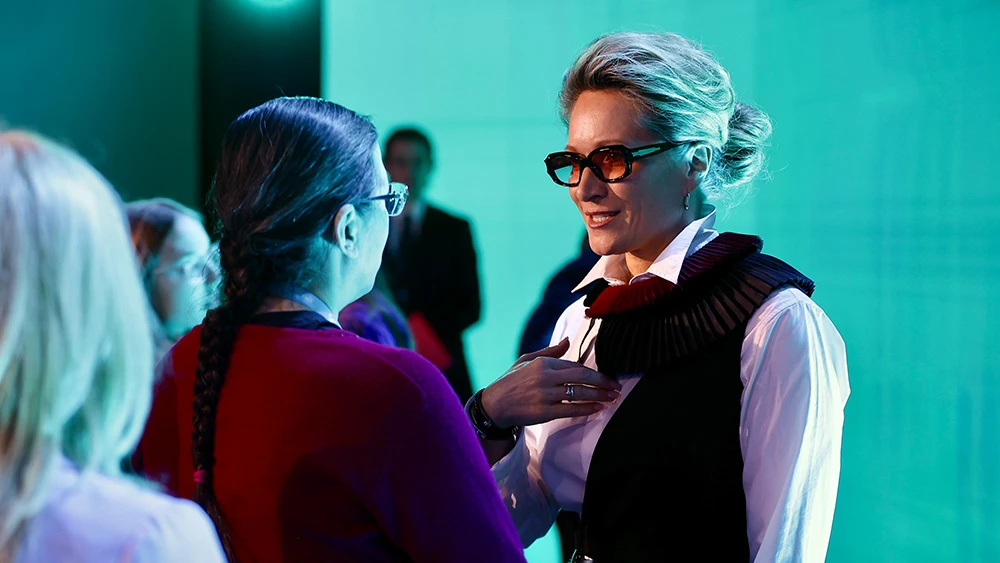
"Anyone who takes up sport and puts time into it builds resilience that
lasts a lifetime, even if they never reach the very top. It helps you deal with
difficulties and stress, take setbacks in your stride and achieve your goals in
whatever else you do," explained Maria Kiselyova.
The Olympic champion also discussed how attitudes to sport might change in the
future. In her view, people's health, personal development and ability to
overcome challenges may come to matter more than a place on the podium.
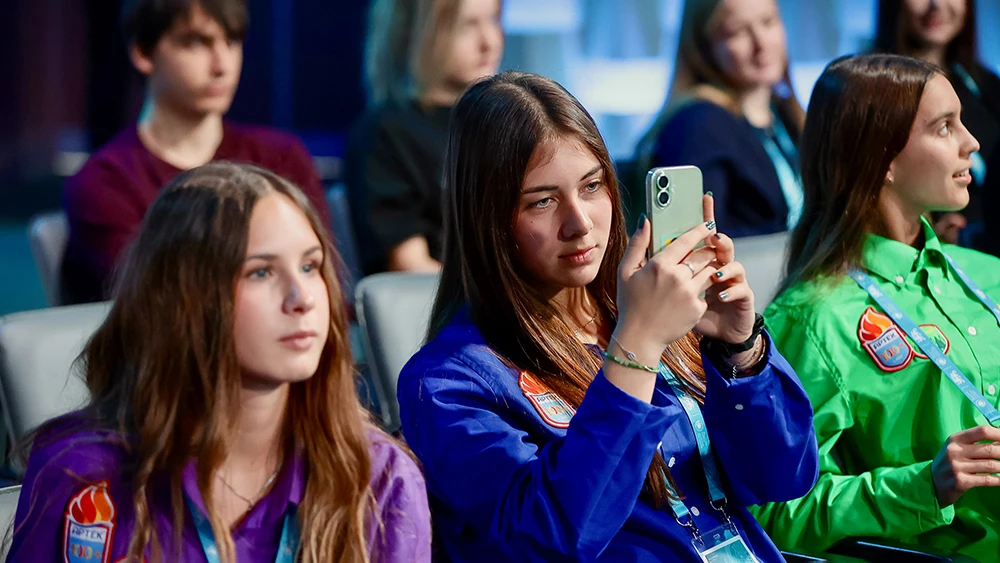
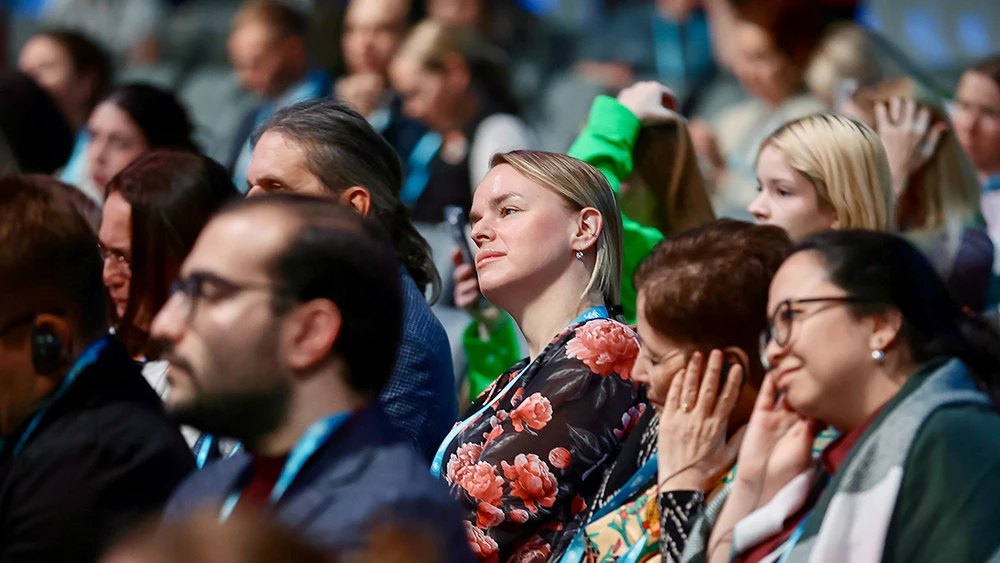
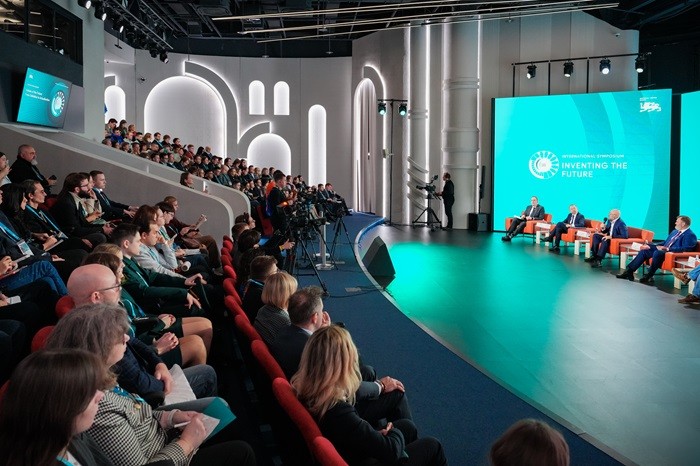
The III International Symposium "Inventing the Future" is being held
on 12–13 November at the National Centre RUSSIA and brings together more than
8,000 participants from 109 countries. These include Germany, Greece, India,
Egypt, China, Colombia, the United States, Ethiopia, Ecuador, South Africa,
South Korea and many others. The event was organised on the instructions of the
President of the Russian Federation, Vladimir Putin, under the auspices of the
Decade of Science and Technology, with support from the Ministry of Foreign
Affairs of the Russian Federation and the Ministry of Science and Higher
Education of the Russian Federation.
Event photobank

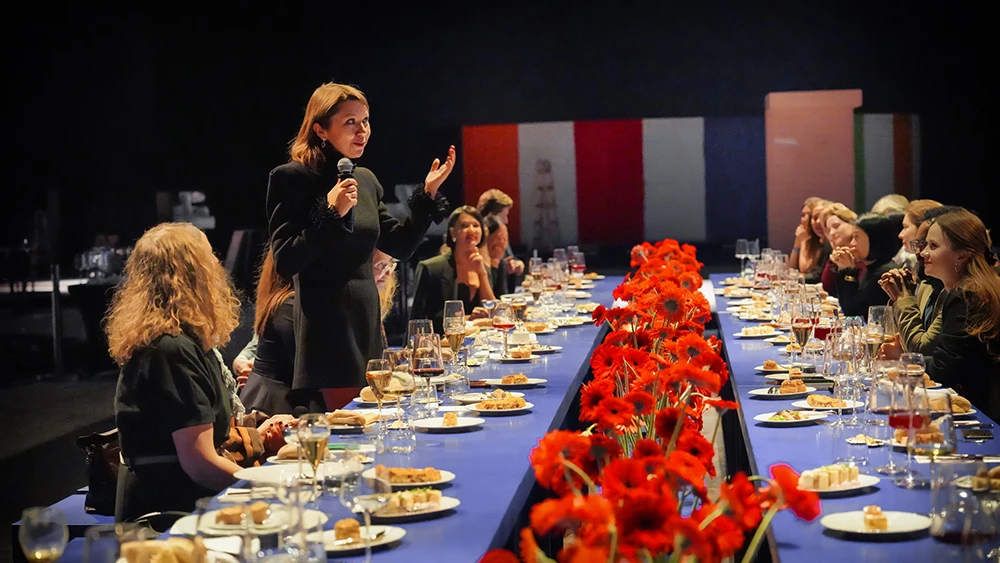
The event brought together representatives of cultural institutions and participants in the international art residency.
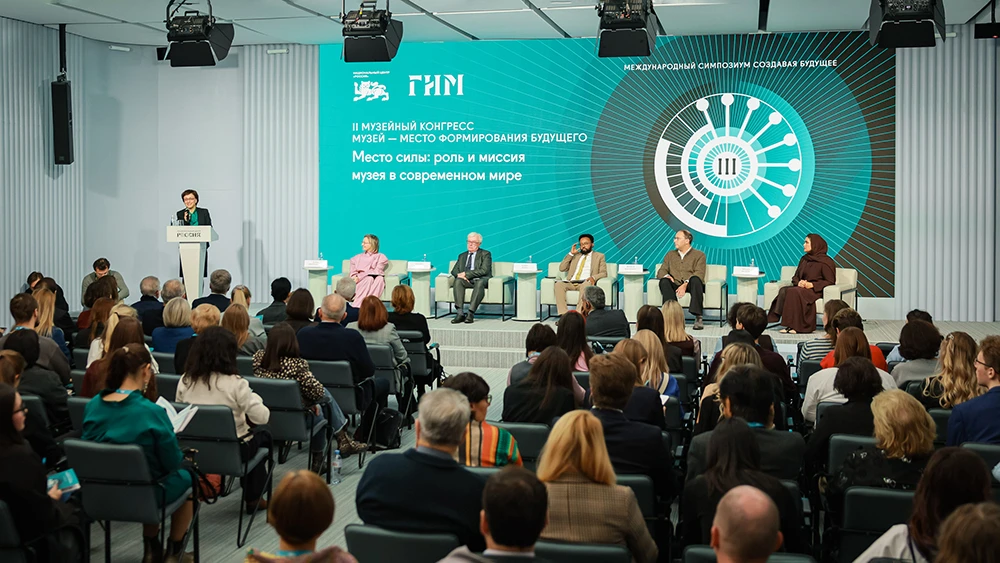
Representatives of 75 Russian and eight international museums exchanged ideas on how museum spaces are changing in the digital age on 12 November at the National Centre RUSSIA.
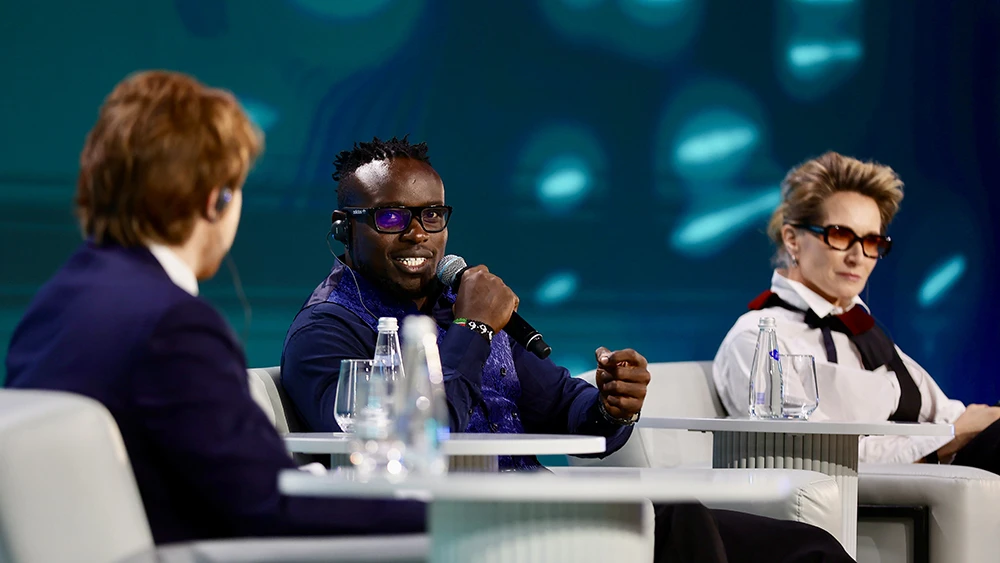
Nineteen new countries have joined the III International Symposium "Inventing the Future", which is being held on 12–13 November at the National Centre RUSSIA.


