


"Katyusha Went Out onto the Riverbank": how a song about a simple Russian girl became a symbol of Victory
During the Great Patriotic War, the song
"Katyusha" was sung in soldiers’ dugouts. Soldiers bravely went into
attack to it, and in peacetime, spring was welcomed with it. It is difficult to
imagine modern events dedicated to the Great Victory without it.
"Katyusha" is a song that was born almost by chance in Russia, but
became one of the most popular in the world. Many sincerely believe that it
became the embodiment of folk creativity during the war years. In reality,
however, "Katyusha" has specific "parents", and it is much
older than we are used to thinking.
The music for "Katyusha" was written by Matvey
Blanter, the author of dozens of melodies that spread across the whole country.
He was inspired to create the song by poet Mikhail Isakovsky, who wrote lines
about a girl who went out onto a high riverbank and sang a song about her
beloved "on the distant borderland". Initially, there was nothing
"military" in the plot, but serious tension was already being felt in
the world. The Civil War was under way in Spain, and Soviet troops were
repelling attacks from Japan. That is why the song about a girl named Katyusha
sending greetings to a fighter guarding the borders of the Motherland became
almost universal: beyond time and state borders.
The song was first performed in 1938 and immediately won
listeners’ hearts. The performers of the song were called back for an encore at
almost every concert, and records with the song sold out almost as soon as they
reached shop counters. With the beginning of the Great Patriotic War,
"Katyusha" "went" to the front. It was sung during rest
stops, before battle and in breaks between shelling. Soldiers filled it with
personal meanings and waited for news from their loved ones.
"Katyusha" was also the affectionate name given to the Guards mortars
— BM-13 launchers, whose shells terrified the enemy.
After the war, the song was not forgotten and still sounds
today at festive concerts, on radio and in films. It has been translated into
dozens of languages. In Italy, it became the partisan "Caterina", and
in China, the name was given to a television channel launched in 2017.
The National Centre RUSSIA also preserves the memory of
"Katyusha", where performances of this famous song have more than
once become part of cultural and educational programmes. In many ways, it was
the atmosphere of the song that inspired the creators of the All-Russian
Festival of Original Songs for Girls "Katyusha", whose gala concert
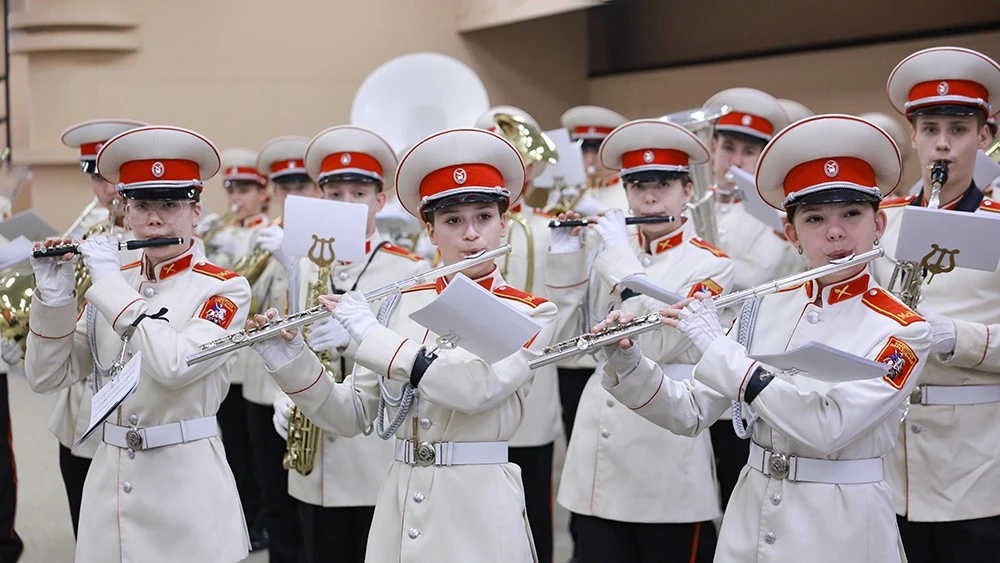
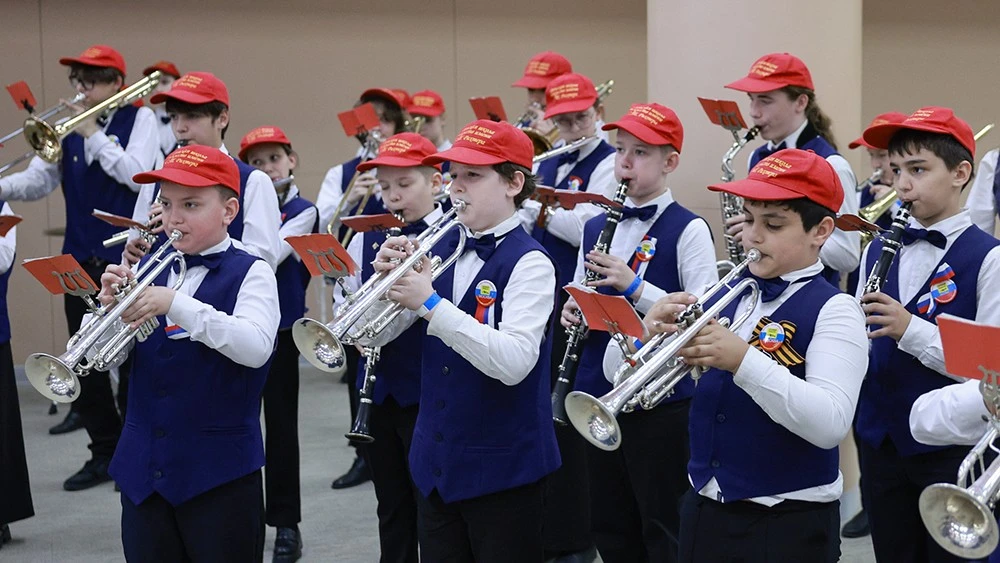
was also held at the National Centre RUSSIA. Before the premiere of the
performance "Soldiers’ Dreams", the combined children’s brass
orchestra of the Valery Khalilov Brass Society performed in the foyer of the
concert hall: more than 130 young musicians played marches, waltzes and songs
from the war years, including the legendary "Katyusha". There is
something bright in this song, despite the years, trials and distances. It is
not only about war, but also about loyalty, home and the warmth of the family
hearth. It is about the fact that even in the harshest times, a person remains
human.
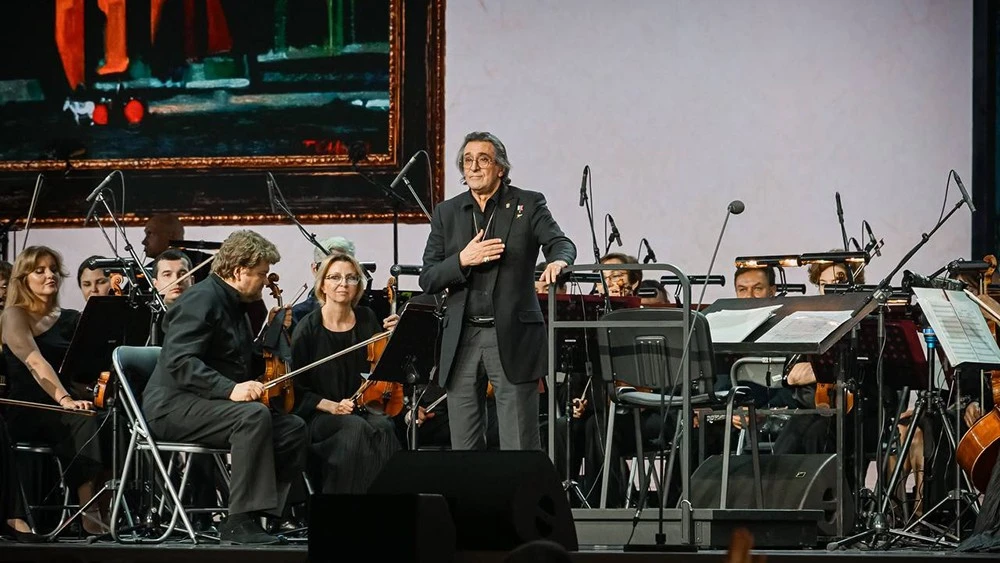
On Russia Day, the National Centre RUSSIA became a key space for the All-Russian Classical Music Marathon "Cantata. Russia".
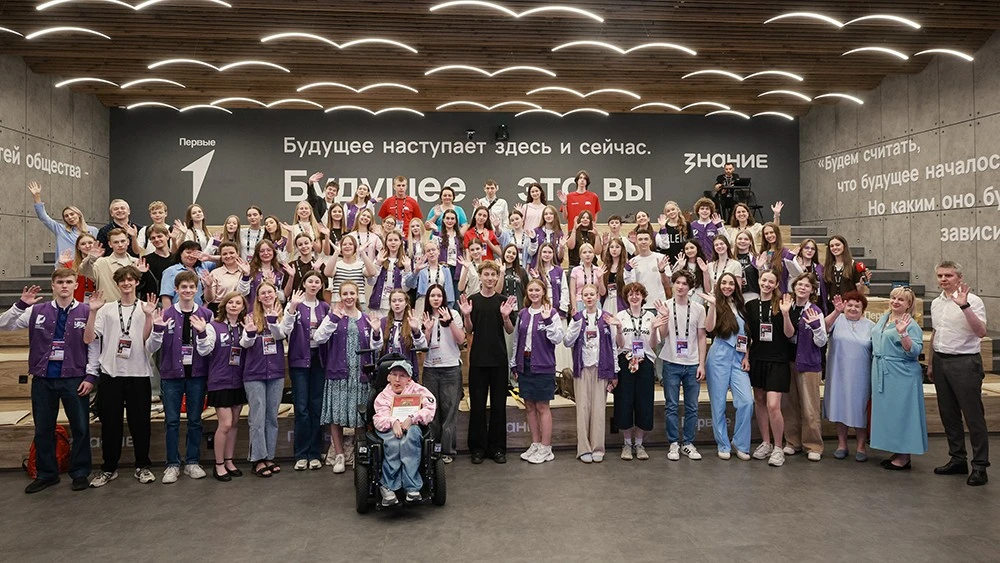
One of the most motivating meetings as part of the Young Journalists School project was held on 13 June at the National Centre RUSSIA.

The unity of the peoples of Russia is born from love for one’s country and respect for the language, culture and values of every people.


