


25 reasons for pride: FIFA World Cup — how Russia welcomed the world

There are
events that are forever etched in history. And there are those that rewrite it
from a new chapter. In 2018, Russia became the country that hosted the best
FIFA World Cup in history — according to the organisers themselves and fans
from around the world.
We continue
our special project "25 Reasons for Pride," dedicated to the 25th
anniversary of the first inauguration of Vladimir Vladimirovich Putin. From
that day began a new era — a time of large-scale national projects,
self-confidence, and openness to the world.
Russia
became the first country in Eastern Europe to host the World Cup. Matches were
held in 11 cities — from Kaliningrad to Yekaterinburg, from Saint Petersburg to
Sochi. The tournament was attended by more than 3 million fans, and the
broadcasts were watched by over 3.5 billion people worldwide.
Russia received international recognition for the highest standards of organization, security, hospitality, and logistics.
The national team played a legendary match against Spain, defeating the world champions in a penalty shootout and reaching the World Cup quarterfinals for the first time in history. The Russian team ranked among the top eight teams in the world, and the entire stadium — and the whole country — gave them a standing ovation.
The legacy
of the World Cup:
12 world-class stadiums were built or modernised, now hosting major sports and cultural events.
Dozens of kilometers of new roads, transport interchanges, railway stations, and airports were constructed.
The host
cities received a new impetus for development — in the economy, tourism,
sports, and culture.
Follow our
special project "25 Reasons for Pride" on the social media pages of
the National Centre RUSSIA.
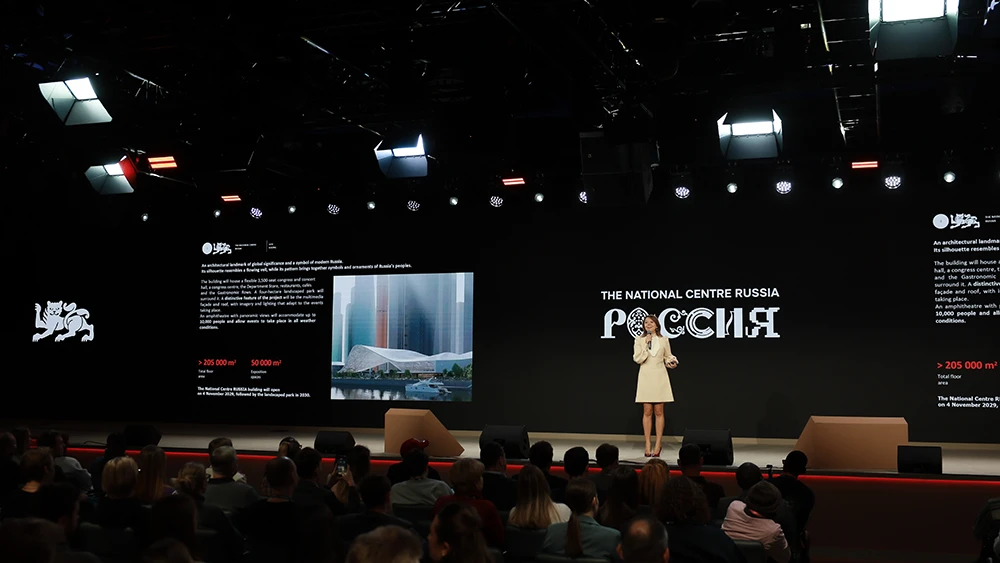
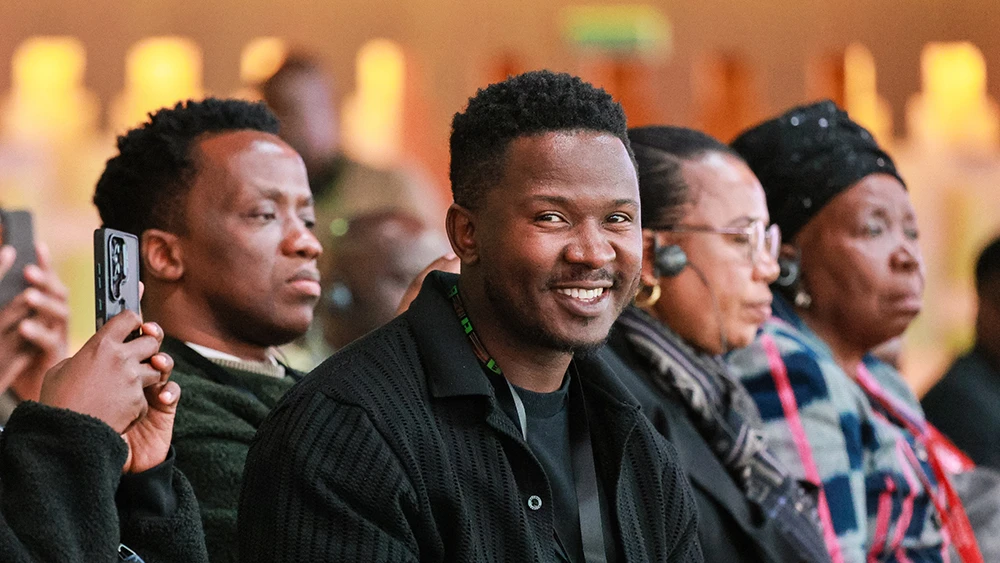
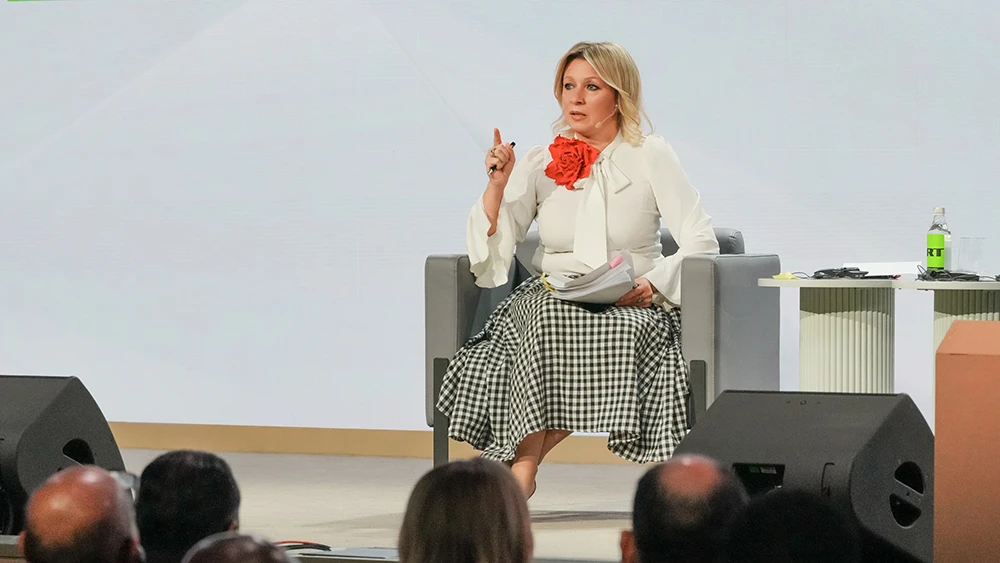
The meeting between African journalists and public figures and Maria Zakharova, Official Representative of the Ministry of Foreign Affairs of Russia, took place at the National Centre RUSSIA as part of the Russia–Africa Media Forum.


